Why Parking Brake Is Stuck: 7 Causes and Fixes
Why parking brake is stuck: the most common causes
If you’re wondering why parking brake is stuck, the usual answer is that something is binding, corroded, or not returning all the way to its released position. That can happen from rust in the cable, a seized rear brake part, or a parking brake mechanism that has not fully released. Common symptoms include a dragging brake, a burning smell, an overheating rear wheel, or a car that will not roll freely.
The exact failure depends on whether your vehicle uses a parking brake lever, a foot pedal, or an electronic parking brake. The good news is that the fix usually falls into one of seven clear categories, and the safest first step is simple: do not keep driving if a rear wheel seems to be dragging.
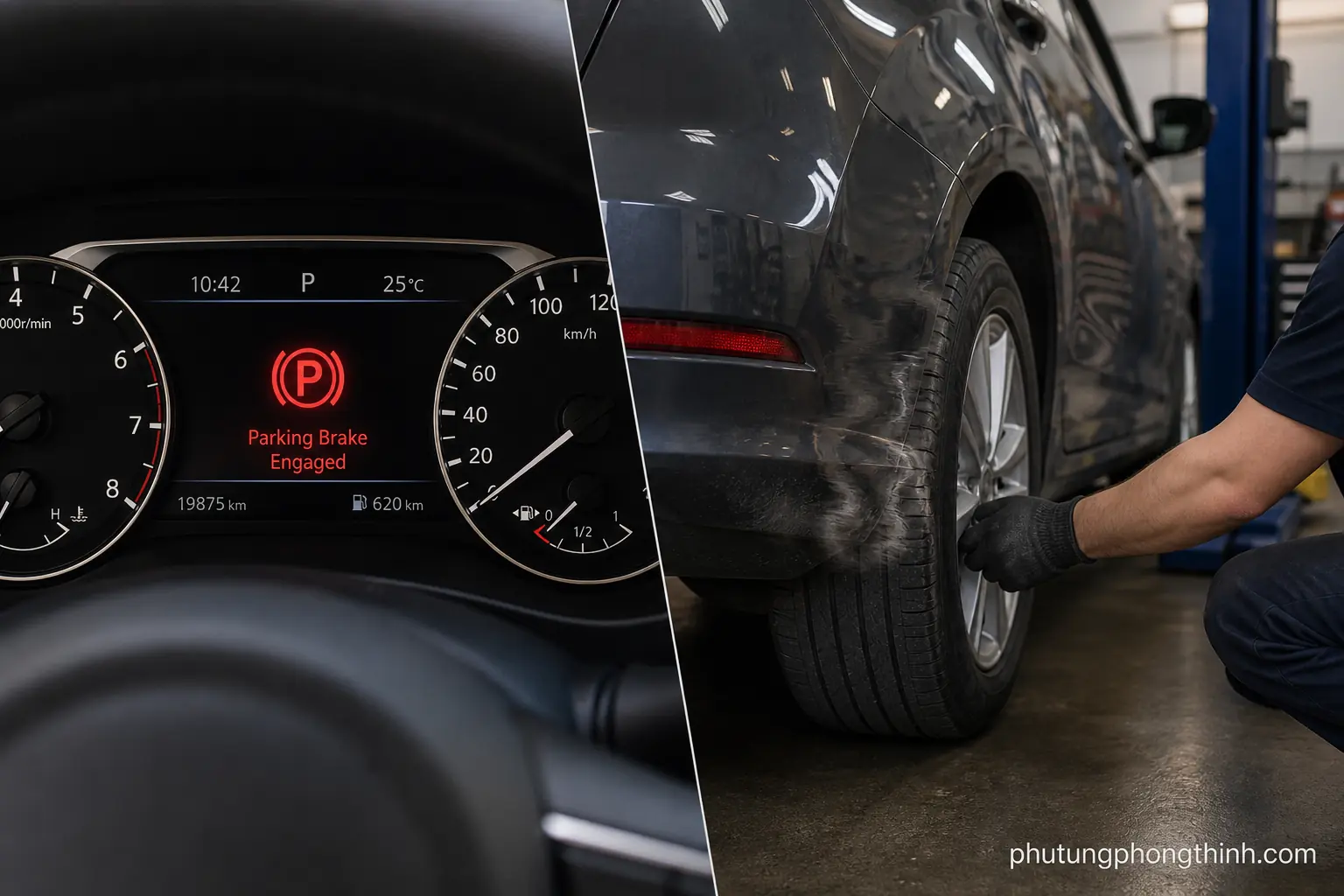
How to tell what kind of parking brake you have
Before you start troubleshooting, identify the system on your vehicle. Some cars use a hand-operated parking brake lever, others use a foot pedal, and many newer models use an electronic parking brake. Cable-based systems and electronic parking brake systems fail in different ways, so knowing which setup you have saves time and prevents guesswork.
- A lever or foot pedal usually points to a cable-operated parking brake.
- An electronic parking brake uses an actuator and control module instead of a manual cable pull.
- Some vehicles use rear calipers to apply the brake, while others use parking brake shoes inside a drum-in-hat setup.
7 causes of a stuck parking brake and how to fix each one
Start with the simplest possibilities first: rusted cables, frozen equalizer movement, or a lever that does not return fully. Moisture can work its way into the brake cable sheath and make the cable stick, which is one of the easiest ways to end up with a parking brake cable stuck. In other cases, the rear brakes are the problem, not the front system, and the wheel may stay partly applied even after the release handle moves.
On cable-operated vehicles, inspect for corrosion, broken hardware, and parts that do not move freely. On vehicles with rear calipers, a seized caliper or self-adjuster issue can keep the rear wheel dragging after parking brake release. On drum-in-hat designs, parking brake shoes can stick, the drum brake hardware may break, or corrosion may build up inside the hat assembly. Newer vehicles may need electronic parking brake service mode if the actuators will not retract normally.
The practical fix depends on the cause: sometimes it is careful freeing and adjustment, sometimes lubrication only where appropriate, and sometimes the correct answer is part replacement or professional repair.

- Rust and freeze-up in the cable or equalizer can keep the whole system applied.
- A lever or foot pedal that does not return can hold the rear brakes partially engaged.
- A seized rear caliper or broken adjuster can cause overheating and dragging at one wheel.
- Parking brake shoes in a drum-in-hat assembly can stick from corrosion or worn hardware.
- Electronic parking brake faults can require a scan tool and service mode before repair.
Frozen cable, equalizer, or lever problems
In cable-operated systems, the most common binding points are the brake cable, the equalizer, and the lever or foot pedal mechanism. If the cable is rusted internally or seized, brake cable replacement may be the only lasting fix. One stuck cable can also keep the equalizer from moving evenly, which means the rear brakes may stay on even when the release is pulled.
If the lever or pedal does not snap back to its resting position, it can hold the system partially applied and create a dragging brake condition. That is why a frozen parking brake cable often starts as a small stiffness and turns into a wheel that will not roll properly.
Rear caliper and parking brake shoe failures
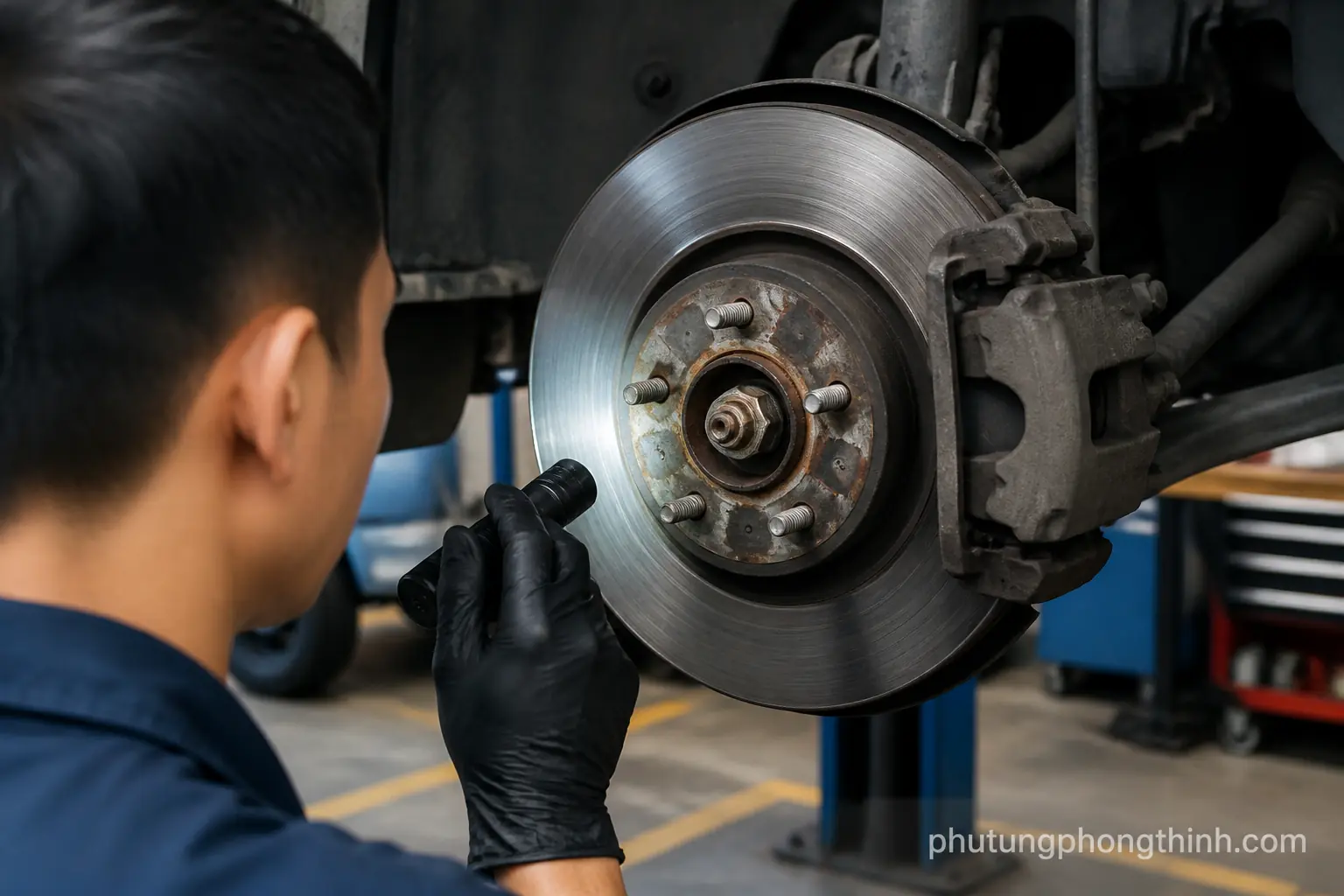
Rear caliper parking brake issues can lock the wheel end itself. A seized caliper, a broken adjuster, or parking brake shoes stuck inside a drum-in-hat assembly can all create an overheating rear wheel. If one wheel feels much hotter than the others after a short drive, the problem is often in the rear brake hardware.
In many cases, the fix is caliper service, damaged drum brake hardware replacement, or cleaning out corrosion and replacing worn components. When the hardware at the wheel end is damaged, freeing the cable alone will not solve the problem.
Electronic parking brake faults
An electronic parking brake can fail to release because of low voltage, actuator trouble, or a module fault. Some systems also require service mode for pad replacement or inspection, because the calipers must be retracted electronically before work can begin.
Diagnosis for these systems may require a scan tool, and forcing the mechanism by hand can cause more damage. If the system is electronic, do not assume the problem is a simple cable issue.
What to do right away if the parking brake is stuck
If the brake is dragging or you smell burning, stop driving. First, confirm the release is fully engaged, then cycle the lever or pedal a few times and look for obvious ice, rust, or damage. A careful driveway inspection may be reasonable if the wheel is only mildly affected and the car still rolls freely.
Avoid using excessive force, and do not tow the car in a way that drags the rear wheels. If the wheel is locked, the smell suggests overheating, or the brake will not clearly release, call for help instead of pushing it farther.
- Stop immediately if there is a burning smell.
- Check that the release is fully returned.
- Look for visible rust, ice, or broken parts.
- Do not force the lever, pedal, or towing process.
When to repair it yourself vs. tow the car
Light cable bind or a minor adjustment may be a DIY job for experienced owners, but seized calipers, broken springs, electronic parking brake faults, or repeated rear wheel dragging after parking brake release are better handled by a professional. If the wheel is locked, the smell points to overheating, or the brake will not fully release, towing is the safest option.
| Symptom | Likely next step | Best choice |
|---|---|---|
| Minor lever stiffness | Inspect cable and release linkage | DIY only if you are experienced |
| Seized rear caliper | Brake repair or replacement | Professional service |
| Electronic parking brake fault | Scan tool diagnosis and service mode | Professional service |
| Locked rear wheel or burning smell | Do not drive | Tow the car |
Prevention tips to keep the parking brake from sticking again
Regular brake inspections help catch corrosion before it turns into a stuck parking brake, especially in wet or salty climates. It also helps to use the parking brake periodically so cables and mechanisms do not sit unused for long periods. Prompt brake service can prevent cable seizure, drum-in-hat buildup, and other rear brake problems from returning.
- Inspect the rear brakes regularly.
- Use the parking brake from time to time.
- Repair small corrosion issues before they spread.
- Service worn rear brake parts promptly.
FAQ: stuck parking brake questions
If you still have questions after checking the basics, these quick answers cover the most common concerns about a stuck parking brake.
A safe place for a related engine sensor part is also available if you are browsing while handling other maintenance, and you can view the related engine sensor part separately after the brake issue is sorted.
Another unrelated shop item, the turbo inlet gasket, is best treated as a separate maintenance part rather than something related to the parking brake itself.
Frequently Asked Questions
How can I free a stuck parking brake safely?
Start by confirming the release is fully returned, then gently cycle the lever or pedal a few times. If the car still drags, look for visible rust, ice, or damaged hardware around the rear brakes. Do not force the system or drive until you know the wheel is rolling freely.
Can I drive with a stuck parking brake?
No, not if the brake is dragging, the car smells hot, or a rear wheel is overheating. Driving like that can damage pads, shoes, calipers, tires, and hubs. If the brake will not fully release, towing is the safer option.
How do I tell if a brake cable is frozen?
A frozen brake cable usually feels stiff, slow to return, or uneven when the lever or pedal is moved. You may also notice one rear wheel staying applied after release. Internal rust inside the cable sheath is a common cause.
Why does the rear wheel drag after the parking brake is released?
That usually points to a problem at the rear brakes, not the front system. Common causes include a seized caliper, stuck parking brake shoes, a frozen cable, or corrosion in a drum-in-hat assembly.
When does an electronic parking brake need service mode?
Service mode is needed when the rear pads or calipers must be retracted electronically for inspection or replacement. It is also useful when diagnosing an actuator or module fault. On these systems, a scan tool is often required.