Bad Brake Booster Symptoms: 7 Tests to Confirm the Problem
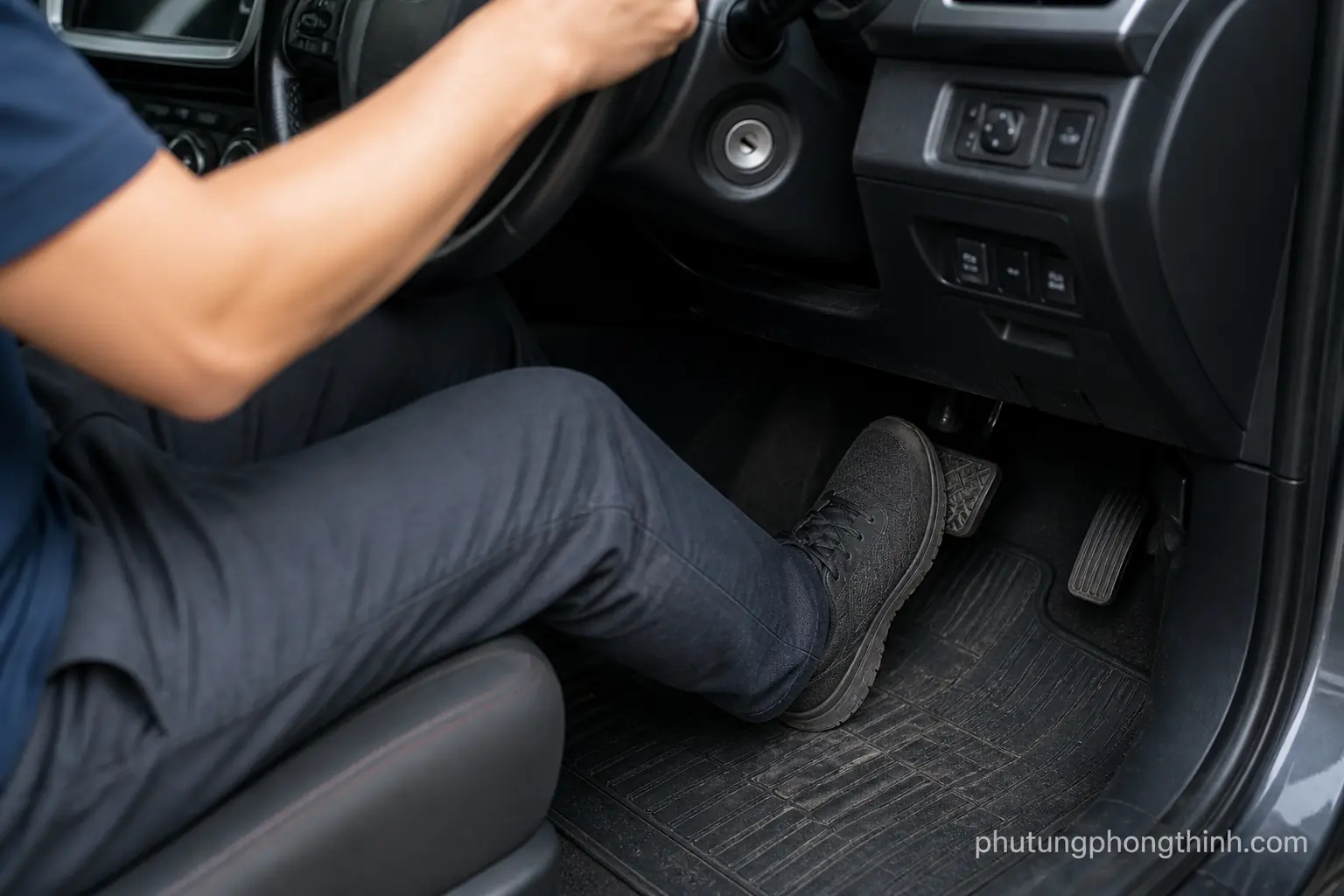
Bad brake booster symptoms: what the warning signs feel like
If you are searching for bad brake booster symptoms, the biggest clue is usually a brake pedal that feels much harder than normal. Instead of light brake assist, you have to press with noticeably more force to slow the car down. A failing booster can also bring a hissing sound, a change in engine idle when you step on the pedal, or a feeling that the brakes are working but not getting help from vacuum assist. Even with a brake system full of fluid, a vacuum-related fault can still leave you with a hard brake pedal.
How a vacuum brake booster works
A vacuum brake booster uses manifold vacuum and a one-way check valve to reduce the effort needed at the pedal. When the system is sealed and supplied correctly, the booster multiplies your leg force and gives you brake assist. The vacuum hose carries that supply to the booster, so any leak or restriction lowers assist. The booster works with the master cylinder, but it does not create hydraulic pressure itself; it simply helps you apply the brakes more easily.

In some cases, a broader under-hood inspection can help you spot related issues early, including the engine cover gasket area if you are already checking for vacuum leaks or oil seepage around the engine.
7 tests to confirm a brake booster problem
The fastest way to confirm a booster issue is to work through a few driveway checks in order, starting with the easiest clues and moving toward more direct diagnosis.
- Start-up pedal drop test: With the engine off, press the pedal a few times, then hold pressure while starting the engine. A normal booster usually lets the pedal drop slightly as vacuum assist comes online.
- Pedal-hold test: Press and hold the brake pedal while the engine idles. If the pedal stays unusually stiff or assist bleeds off, that supports a booster or vacuum supply problem.
- Engine-off reserve test: After shutting off the engine, press the pedal a few times. You should feel stored vacuum fade over several presses. If there is no reserve at all, something is wrong in the system.
- Listen for a hissing sound: A leak at the booster, hose, or check valve often makes a hiss when the pedal is applied.
- Watch for idle change: If the engine idle changes when you press the pedal, that can point to a vacuum leak in the brake booster circuit.
- Use a handheld vacuum pump: This can help test the booster or check valve directly and show whether they hold vacuum properly.
- Compare the results: If the pedal is hard, vacuum is weak, and the booster fails to hold or use vacuum, the booster side is the likely problem. If vacuum supply checks out, look elsewhere in the brake system.
Brake booster check valve and hose symptoms
A bad one-way check valve can act like a failed booster because it prevents vacuum from staying stored in the unit. A cracked vacuum hose, loose fitting, or weak manifold vacuum can create the same hard brake pedal symptoms even when the booster itself is still good. Those faults often show up as vacuum leak symptoms in brakes rather than true booster failure, so it pays to inspect the supply side before replacing parts.
- Check the vacuum hose for splits, soft spots, or loose connections.
- Inspect the one-way check valve for proper sealing and one-direction flow.
- Look for signs of low manifold vacuum or other engine vacuum leaks.
Bad brake booster symptoms vs master cylinder problems
These two failures are easy to confuse, but they usually feel different on the road. A bad booster changes pedal effort, so the brake pedal is hard to press even when fluid level is normal. Master cylinder problems more often change pedal travel, create sinking, or produce a spongy feel. If the pedal is firm but requires much more force, that points more toward assist loss than hydraulic bypass.
| Symptom | More likely cause | What it means |
|---|---|---|
| Hard pedal with normal fluid | Brake booster or vacuum supply | Loss of vacuum assist |
| Pedal sinks while holding pressure | Master cylinder | Internal hydraulic leak or bypass |
| Spongy or soft pedal | Hydraulic issue | Air in the system, fluid problem, or component fault |
| Hissing when braking | Booster, hose, or check valve | Vacuum leak in the assist circuit |
Can you drive with a bad brake booster?
The car may still stop, but it usually takes much more leg force and a lot more attention. That makes driving with no brake assist risky in traffic, in stop-and-go conditions, and during panic stops. If the pedal is extremely hard or the assist disappears suddenly, it is best to stop driving and have the vehicle repaired before you rely on the brakes in an emergency.
What to check before replacing the brake booster
Before you order a new booster, recheck the vacuum hose, the check valve, and the engine vacuum source so you do not replace the wrong part. Verify pedal feel with the engine off and on to make sure the symptom is consistent. If the results point to more than one issue, inspect related brake parts as well, including the rear brake assembly, before you commit to a booster replacement.
- Recheck the vacuum hose and fittings for leaks or damage.
- Confirm the check valve holds vacuum in the correct direction.
- Test the pedal with the engine off, then with it running.
- Inspect nearby brake components if the diagnosis is still unclear.
Quick symptom and test summary
Here is the short version: bad brake booster symptoms usually show up as a hard brake pedal, reduced brake assist, a hissing sound, or an idle change when you press the brakes. The start-up pedal drop test and reserve test help confirm whether vacuum assist is working. If the hose, check valve, and vacuum supply pass inspection, the booster is the next likely suspect.
- Hard pedal: Loss of brake assist is likely.
- Pedal drops at start-up: Assist is probably working.
- No vacuum reserve: Check the hose, valve, or booster.
- Pedal sinks or feels soft: Look more closely at the master cylinder.
Frequently Asked Questions
What is the most common bad brake booster symptom?
The most common sign is a brake pedal that feels unusually hard to press. You may still be able to stop the vehicle, but it takes much more effort because the booster is no longer adding vacuum assist.
How do you test a brake booster at home?
A simple driveway check is the start-up pedal drop test. Press the pedal with the engine off, hold pressure, and start the engine. If the booster is working, the pedal should drop slightly as vacuum assist comes in.
Can a brake booster cause a hissing sound?
Yes. A hissing sound can mean vacuum is leaking from the booster, hose, or check valve. That noise is a useful clue when the pedal also feels hard.
How is a bad brake booster different from a bad master cylinder?
A bad booster usually changes pedal effort and makes the pedal hard. A master cylinder problem more often affects pedal travel, causing the pedal to sink or feel soft or spongy.
Is it safe to drive with a failing brake booster?
It may still be possible to drive, but it is not a good idea. Without brake assist, stopping takes much more force, which is especially risky in traffic or during sudden stops.