How to Replace an ABS Tone Ring: Step-by-Step Guide
How to Replace an ABS Tone Ring Safely
If you're learning how to replace an ABS tone ring, the first thing to know is what that part actually does: the reluctor ring, or magnetic encoder ring on some vehicles, gives the wheel speed sensor the signal the ABS module uses for braking, traction control, and stability control.
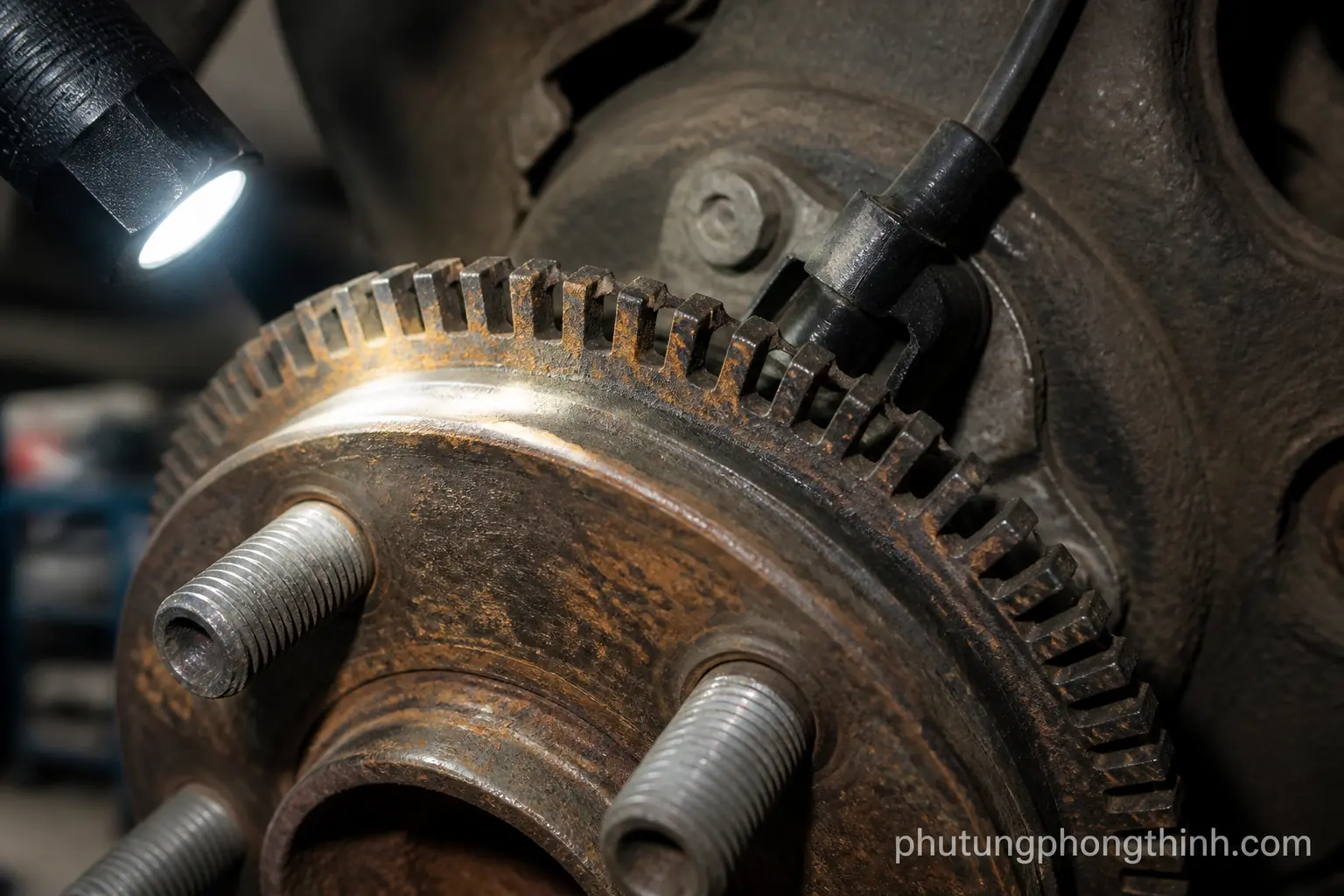
A replacement is usually needed when the ring is cracked, heavily corroded, loose on the hub or axle, or missing teeth or magnetic segments. Depending on the vehicle, the fix may involve a pressed-on ring, a full hub assembly, or a CV axle with the tone ring built in.
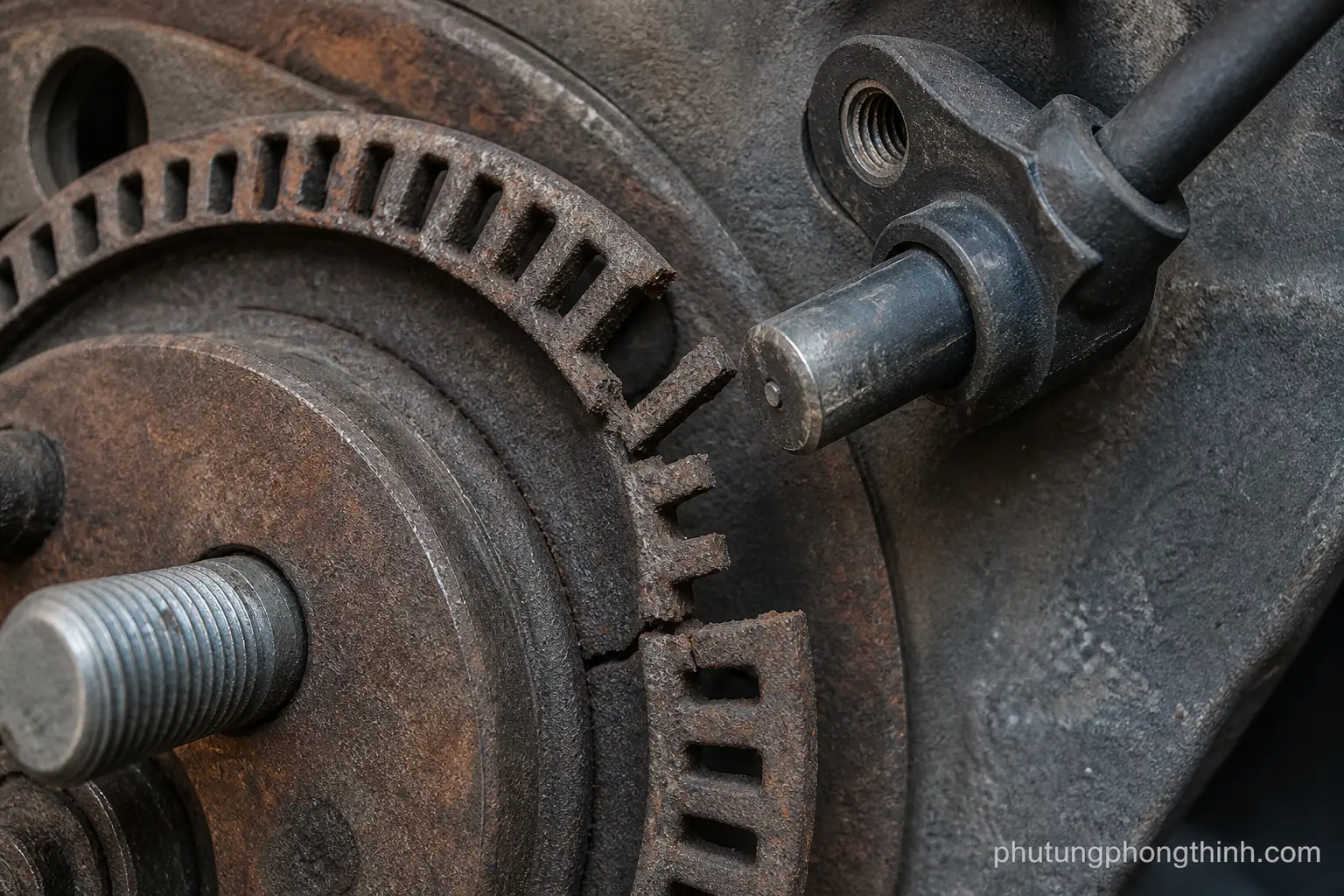
Before you take anything apart, watch for common ABS tone ring symptoms like an ABS warning light, a traction control warning, intermittent wheel speed readings, or low-speed ABS activation. A bad wheel speed sensor can look similar to a tone ring problem, and wheel bearing play, rust buildup, or a damaged sensor air gap can cause the same complaints. If the vehicle uses a pressed-on ring, a hub assembly, or a magnetic encoder ring, the repair path changes, so confirm the design before you start.
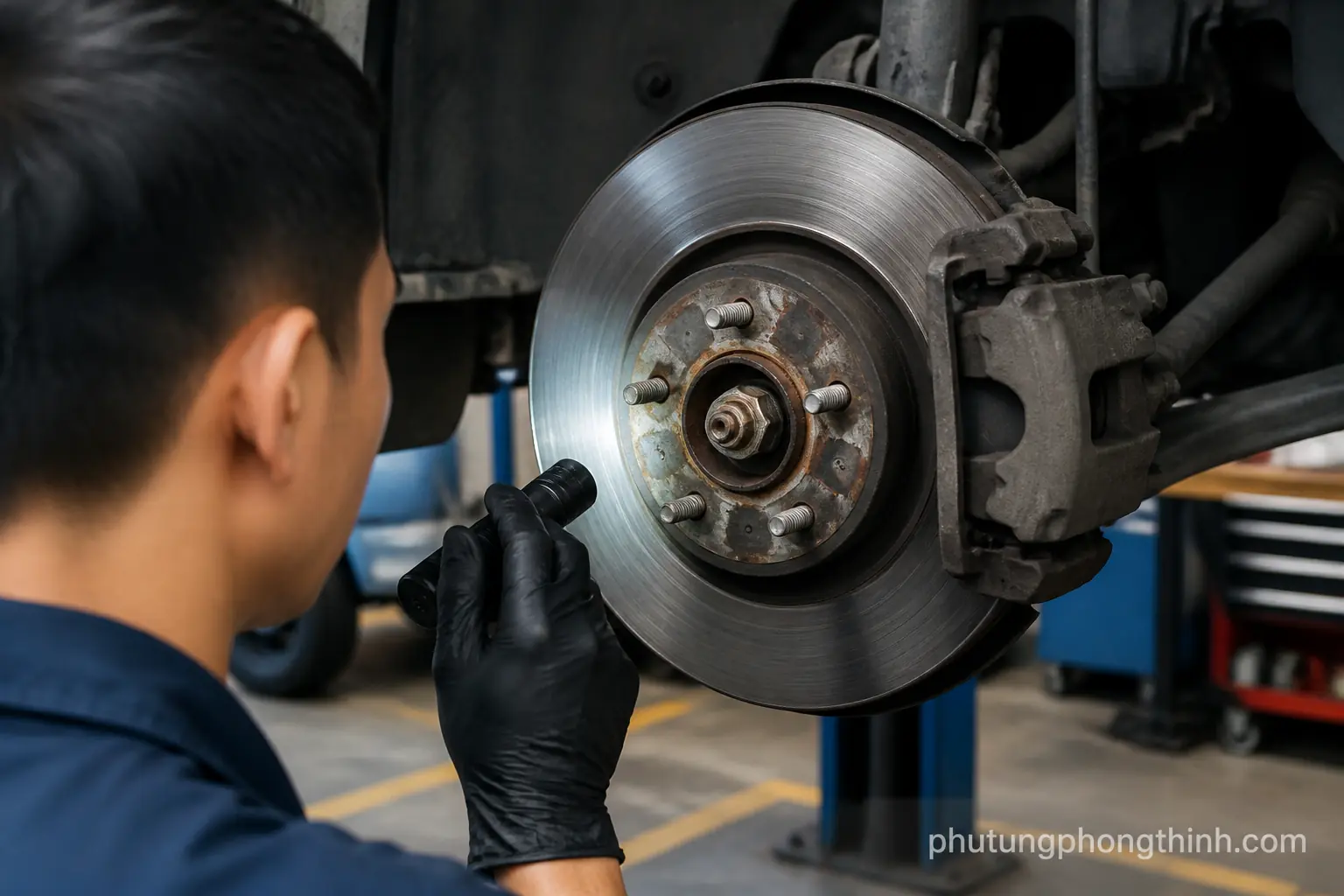
- Lift and support the vehicle safely, then remove the wheel for access to the hub or axle area.
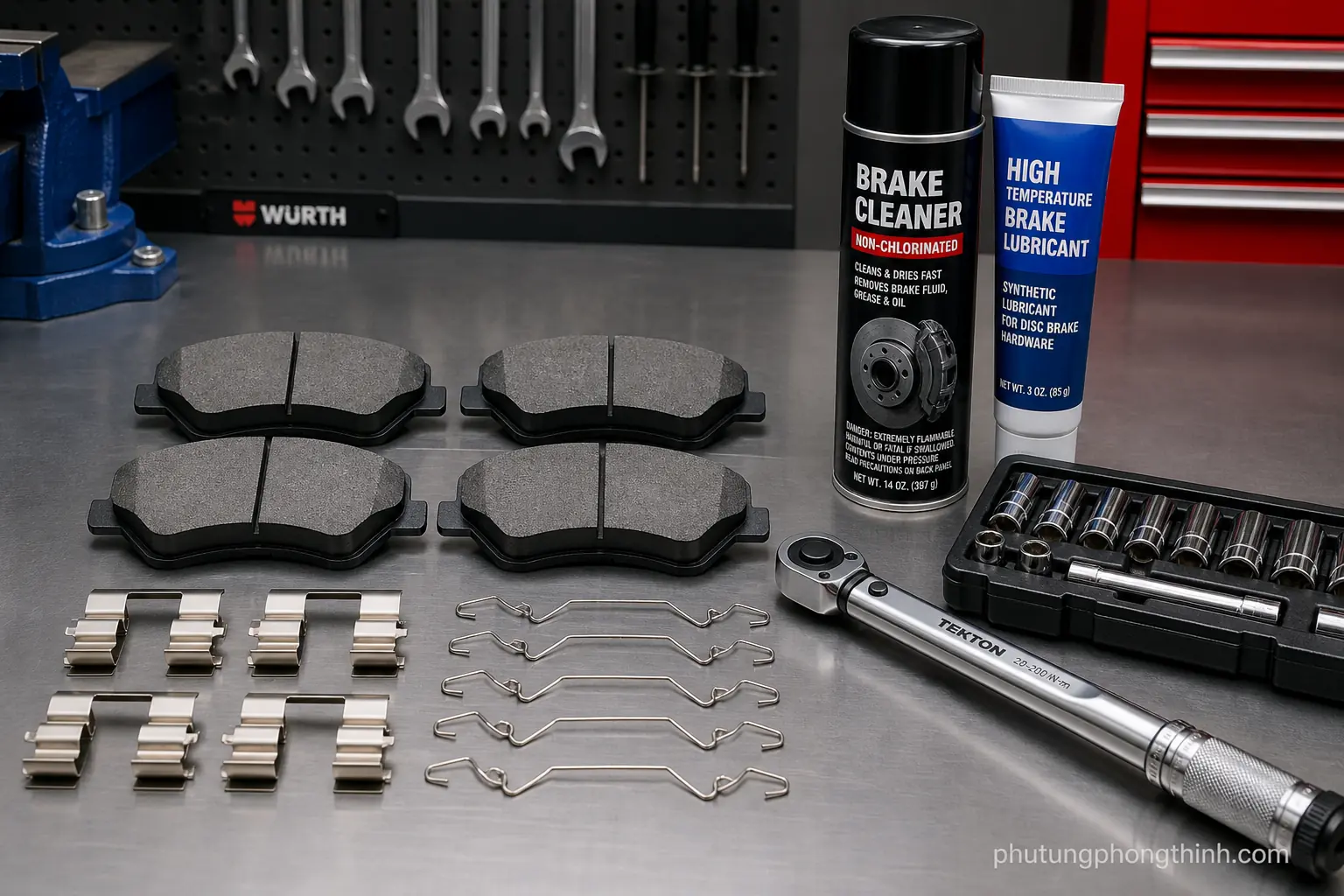
- Gather the usual tools: jack stands, socket set, pry tools, torque wrench, cleaner, and the correct replacement ring or assembly.
- Check whether the tone ring is serviceable on its own or built into the hub bearing or axle.
Diagnose the Fault Before You Remove Parts
To confirm the tone ring is really the source of the ABS issue, inspect it closely for cracks, corrosion, missing teeth, distortion, or separation from the hub or axle. Compare all four corners, check for wheel bearing play, and look at the wheel speed sensor signal to see whether one corner is behaving differently from the others.
Live ABS data is one of the best ways to verify the problem, especially during a road test or when spinning the wheel safely in the air. If one reading drops out or jumps around, that points toward the ring, sensor, or mounting surface. After the mechanical checks, consider ABS module faults only if the rest of the system looks sound.
Some repairs should be handled together. A damaged hub, axle, or sensor mounting surface may need cleaning or replacement, and in some cases the right fix is a wheel hub assembly replacement or a replace CV axle with tone ring approach instead of trying to service the ring by itself.
- Inspect the ring for visible damage and compare the sensor data side to side.
- Check wheel bearing condition and mounting surfaces before assuming the sensor is bad.
- Use live ABS data to confirm which corner is losing the wheel speed sensor signal.
Remove the Old ABS Tone Ring
Start by removing the wheel, then take off any brake components, sensors, or shields that block access to the hub or axle. On some vehicles you will separate the hub from the knuckle; on others the axle has to come out first. Rusted fasteners often need penetrating oil, and the wheel speed sensor should be protected so it is not damaged during disassembly.
Once access is clear, the removal method depends on the ring type. A serviceable pressed-on ring may be pried off carefully if it is already damaged, but a magnetic encoder ring is often integrated into the hub bearing and cannot be replaced separately. Use heat or controlled force only when the vehicle design allows it, because too much force can damage the hub, axle, or bearing.

At this stage, it can also be useful to inspect nearby driveline parts while the assembly is apart; if you are already in the area, a driveline joint replacement may be relevant on vehicles where axle removal reveals other wear. Similarly, a replacement door handle has nothing to do with ABS, but the idea is the same: replace only the failed part after you have fully exposed the assembly.
Install the New Tone Ring and Reassemble
Before installing the new tone ring, clean the mounting surface thoroughly and remove rust, debris, old adhesive, and any broken fragments. Seat the replacement squarely so it does not wobble, bend, or crack, and make sure the sensor air gap stays within spec before you button everything up.
Reinstall the hub, axle, brake parts, and wheel using factory torque specs, then check that the wheel bearing turns smoothly and has no play. If the sensor was disturbed during the repair, clean it or replace it if the connector or tip was damaged, because a perfect ring will not help if the sensor cannot read it correctly.
- Clean the hub or axle surface completely before fitting the new ring.
- Install the ring evenly and avoid forcing it out of alignment.
- Torque all fasteners to spec and confirm the wheel bearing is smooth with no looseness.
Verify the Repair and Clear ABS Codes
After reassembly, scan for stored ABS codes and clear them if appropriate, then check live ABS data again during a road test to confirm all wheel speeds match. If the ABS light comes back after repair, recheck the ring, sensor, and air gap before assuming the problem is solved.
The final check is simple: normal braking, no warning lights, and no traction control or stability control faults. If codes keep returning, or the vehicle uses integrated systems that are difficult to service at home, a professional diagnosis is the safest next step.

- Confirm the ABS light stays off after the road test.
- Make sure traction control and stability control operate normally.
- Recheck live wheel speed data if any warning returns.
Frequently Asked Questions
Can you drive with a bad ABS tone ring?
You may still be able to drive, but ABS, traction control, and stability control performance can be reduced or disabled. That means braking behavior may be less predictable in slippery or emergency conditions, so the fault should be diagnosed and repaired as soon as practical.
How do I know if the tone ring or wheel speed sensor is bad?
Compare live wheel speed data and inspect the ring closely. If one sensor reading drops out while the ring shows visible damage, corrosion, or missing segments, the ring is suspect. If the ring looks good but the signal is missing or erratic, the sensor, wiring, air gap, or mounting surface may be the issue.
Can an ABS tone ring be cleaned instead of replaced?
Sometimes light rust or debris can be cleaned off if the ring is still intact and properly attached. If the ring is cracked, loose, missing teeth, or damaged on a magnetic encoder surface, cleaning will not fix it and replacement is the correct repair.
Do I need to replace the whole hub or axle?
Not always. Some vehicles use a tone ring that can be replaced separately, but many use a magnetic encoder ring built into the hub bearing or a ring integrated with the CV axle. In those cases, the hub assembly or axle may need to be replaced instead of the ring alone.
Why did the ABS light stay on after replacing the tone ring?
The most common reasons are an incorrect sensor air gap, a damaged wheel speed sensor, leftover rust or debris on the mounting surface, a bearing problem, or codes that have not been cleared. Recheck the installation and live ABS data before moving on to more complex diagnostics.