How to Tell if Master Cylinder Is Bad: 7 Clear Signs
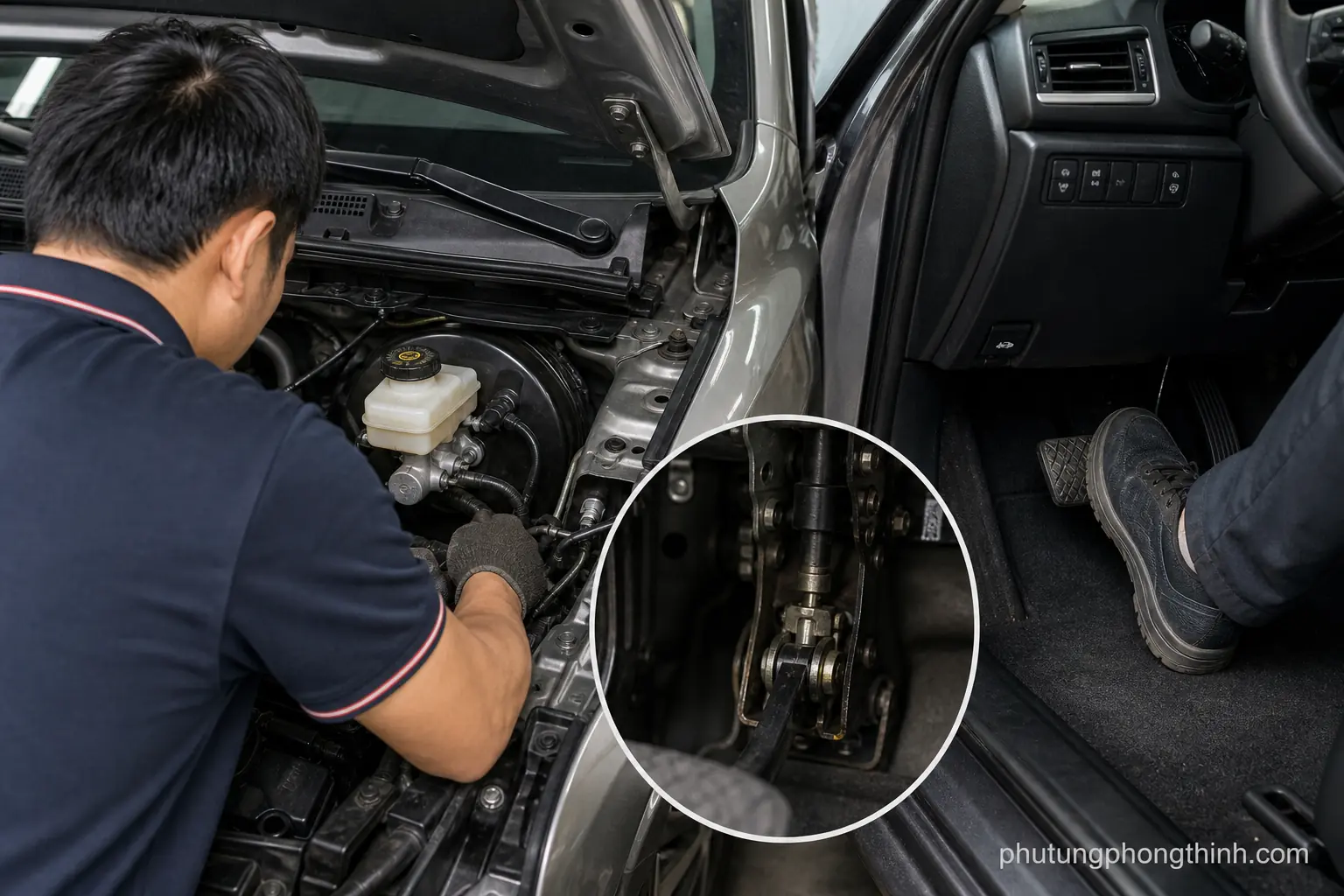
How to Tell if Master Cylinder Is Bad: start with the pedal feel
If you’re trying to learn how to tell if master cylinder is bad, the brake pedal is usually the fastest clue. A failing master cylinder often shows up as a soft brake pedal, a sinking pedal, or a spongy pedal because the system is losing hydraulic pressure. That is different from ordinary brake wear, which usually affects stopping distance before it affects pedal feel.
Before you replace anything, it helps to check the symptoms, inspect for leaks, and run a few simple tests. That order makes it easier to separate a master cylinder problem from other brake issues that can feel similar.
7 clear signs of a bad master cylinder
- The brake pedal slowly sinks while you hold steady pressure.
- The pedal feels soft or spongy instead of firm.
- Braking performance gets worse without obvious pad or rotor problems.
- Brake fluid level keeps dropping with no clear external leak.
- Fluid around the master cylinder or brake booster points to leakage.
- Brakes may apply unevenly or need extra pedal travel.
- Warning lights or repeated low-fluid conditions can support the diagnosis, but they should not be the only clue.
These bad master cylinder symptoms usually point to an internal bypass or a leak in the hydraulic system. If the pedal sinks or the car needs more and more travel before the brakes bite, that is a strong reason to inspect the master cylinder closely.
Check the brake fluid reservoir and look for external leaks

Start with the brake fluid reservoir and compare the level to where it should be. Low fluid can come from a master cylinder leak, but it can also come from another part of the hydraulic system, so the reservoir is only the beginning of the check. Look closely at the master cylinder body, the brake lines, and the fittings for dampness or staining.
- Check the reservoir level and fluid condition.
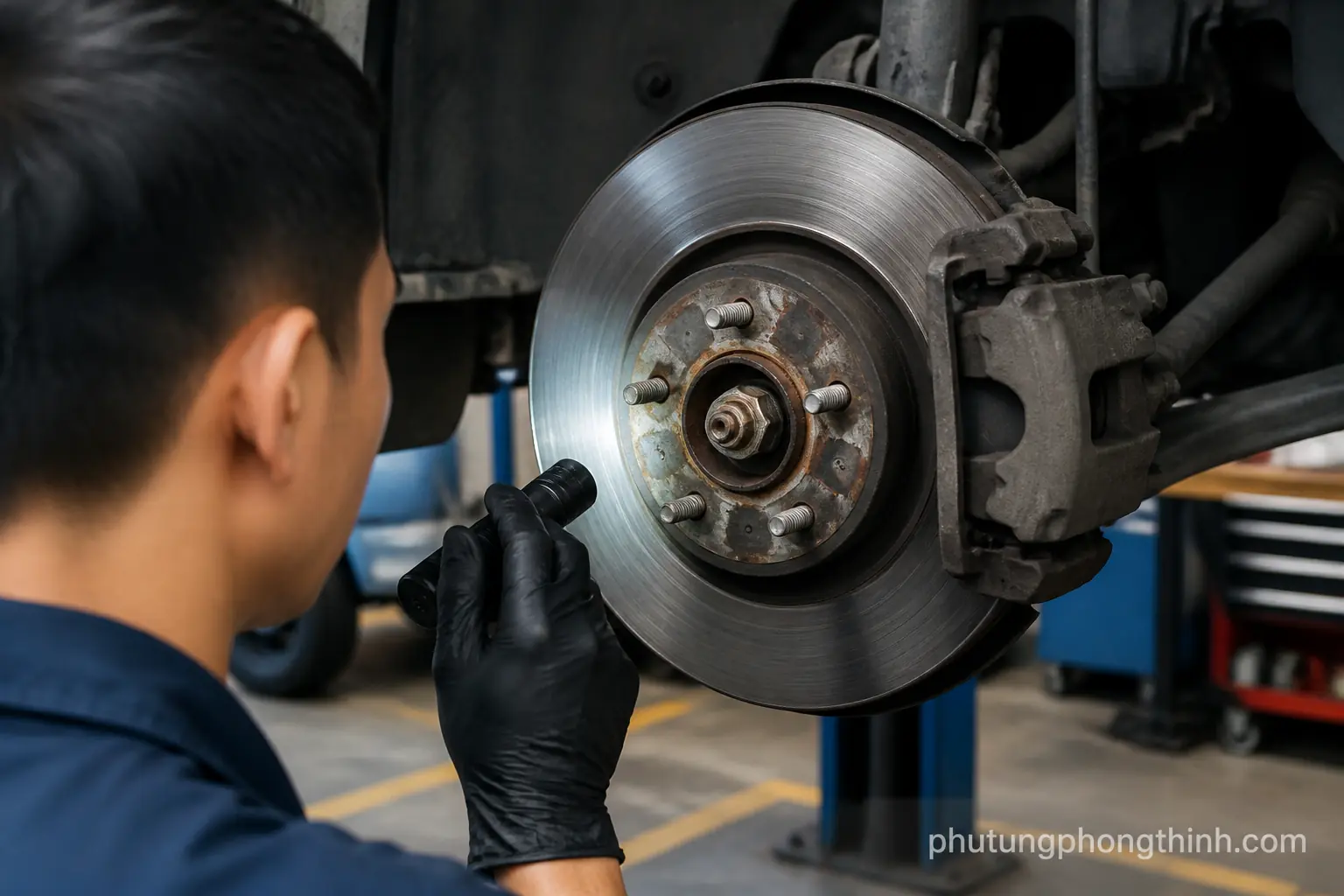
- Inspect the master cylinder, line connections, and nearby surfaces for wet spots.
- Look under the reservoir and along the firewall for signs of seepage.
- Check the brake booster and the area near the pedal for fluid if the design allows it.
External leaks can mimic master cylinder failure because they also reduce hydraulic pressure. Even when the source is elsewhere, the result is the same: the brake pedal may feel soft and the system may not hold pressure properly.
Perform a simple steady pressure test

A simple steady pressure test can reveal internal bypass inside the master cylinder. With the engine off, press the brake pedal firmly and hold steady pressure. A healthy system should feel firm and stay put. If the pedal slowly sinks toward the floor, the master cylinder may be leaking pressure internally.
That difference matters because a pedal that holds firm points away from internal bypass, while a pedal that sinks points toward a hydraulic problem. This test also helps you separate a master cylinder issue from a brake booster problem, since a booster fault usually changes assist feel more than it causes the pedal to drift downward under steady pressure.
Rule out other causes of a sinking brake pedal
A sinking pedal does not automatically mean the master cylinder is the only problem. Air in the lines, worn rear brakes, or a leak elsewhere in the system can all create a soft brake pedal. Hydraulic pressure loss can also come from hoses, calipers, or wheel cylinders, so it’s important to look at the whole brake system.
A bad brake booster and a bad master cylinder can feel different. A booster problem often affects pedal assist and makes the pedal feel hard or requires extra effort, while a master cylinder problem more often creates a soft or sinking pedal. If the system keeps losing fluid or the pedal continues to drop after a steady pressure test, the problem may be beyond a simple top-off or bleed. In some cases, a replacement brake component elsewhere in the brake system may be the real fix.
When bleeding helps and when it does not
If the issue is air in the lines, learning how to bleed brakes properly can restore pedal feel. Bleeding removes trapped air and can improve a spongy pedal when the hydraulics are otherwise sound. It is also part of normal service after many brake repairs.
Bleeding will not fix internal bypass inside a worn master cylinder, because the problem is not air — it is loss of pressure inside the part itself. If you install a new master cylinder, bench bleeding a master cylinder before installation helps remove trapped air from the unit. Some vehicles also need an ABS brake bleeding procedure after repair so the system can be fully purged.
- Bleed the brakes when air is the likely cause.
- Do not expect bleeding to fix internal master cylinder bypass.
- Bench bleed the master cylinder before installing it.
- Follow the correct ABS bleeding procedure when required.
Replace the master cylinder or get a professional inspection
If the pedal sinks, leaks are present, and other causes have been ruled out, replacement is usually the next step. Continued driving with weak brakes is unsafe because hydraulic pressure loss can get worse quickly and leave you with very little stopping power.
If the symptoms are unclear, or if more than one brake component may be involved, a professional inspection is the safest move. After replacement, the system still needs proper bleeding and a final check of pedal feel before the car returns to regular use. If you’re sourcing parts at the same time, an OEM front-end replacement part is another example of the kind of quality component many drivers look for when they want a dependable repair path.
Frequently Asked Questions
What does a bad master cylinder pedal feel like?
A bad master cylinder often causes a soft, spongy, or sinking brake pedal. The pedal may feel normal at first but slowly drop when you hold pressure. That usually points to a hydraulic pressure problem rather than normal pad wear.
Can a master cylinder fail without leaking externally?
Yes. A master cylinder can fail internally and bypass fluid without leaving visible wet spots outside the part. In that case, the brake pedal may sink even though the reservoir and fittings look dry.
How do you tell a bad brake booster from a bad master cylinder?
A brake booster problem usually affects pedal assist, so the pedal may feel very hard and require extra force. A master cylinder problem more often causes a soft pedal or a pedal that slowly sinks under steady pressure.
Will bleeding the brakes fix a bad master cylinder?
Only if air in the brake lines is the real issue. Bleeding can improve a spongy pedal caused by air, but it will not fix internal bypass or a worn master cylinder.
Is it safe to drive with a sinking brake pedal?
No. A sinking pedal means the brake system may be losing hydraulic pressure, which can reduce stopping power. The vehicle should be inspected and repaired before normal driving continues.