Why Do My Brakes Rattle? 10 Causes and Fixes
If you’re asking why do my brakes rattle, the answer usually comes down to loose hardware, worn pads, or a part nearby that is making brake noise sound worse than it is. The key is figuring out when the rattle happens, because that clue often points straight to the cause.
Some noises appear only when braking, while others show up when you coast, turn, or drive over bumps. A brake rattle is different from squeal, scrape, clunk, or vibration, and the location can seem to move from front to rear depending on speed, pedal pressure, and road surface.
Most often, the problem is one of these: loose pads or missing hardware, worn abutment clips, anti-rattle springs, or pad shims, dry or seized slide pins in the caliper bracket, or a dust shield, rotor runout, or wheel bearing issue that is mimicking brake noise.
Why do my brakes rattle? Start with the most common signs
To narrow down why do my brakes rattle, start by paying attention to when the sound shows up. A rattle that happens while braking usually points to pad movement or hardware issues, while a noise over bumps can suggest something loose in the brake assembly or even a nearby suspension part. The feel matters too: squeaks are higher-pitched, scraping sounds are more continuous, and a clunk is usually a sharper impact than a true rattle.
In many cases, the source is one of a few common problems: loose pads or missing hardware, worn abutment clips, anti-rattle springs, or pad shims, dry or seized slide pins in the caliper bracket, or contact from a dust shield, rotor runout, or even a wheel bearing issue that sounds like brake hardware noise.
Loose pads and worn brake hardware
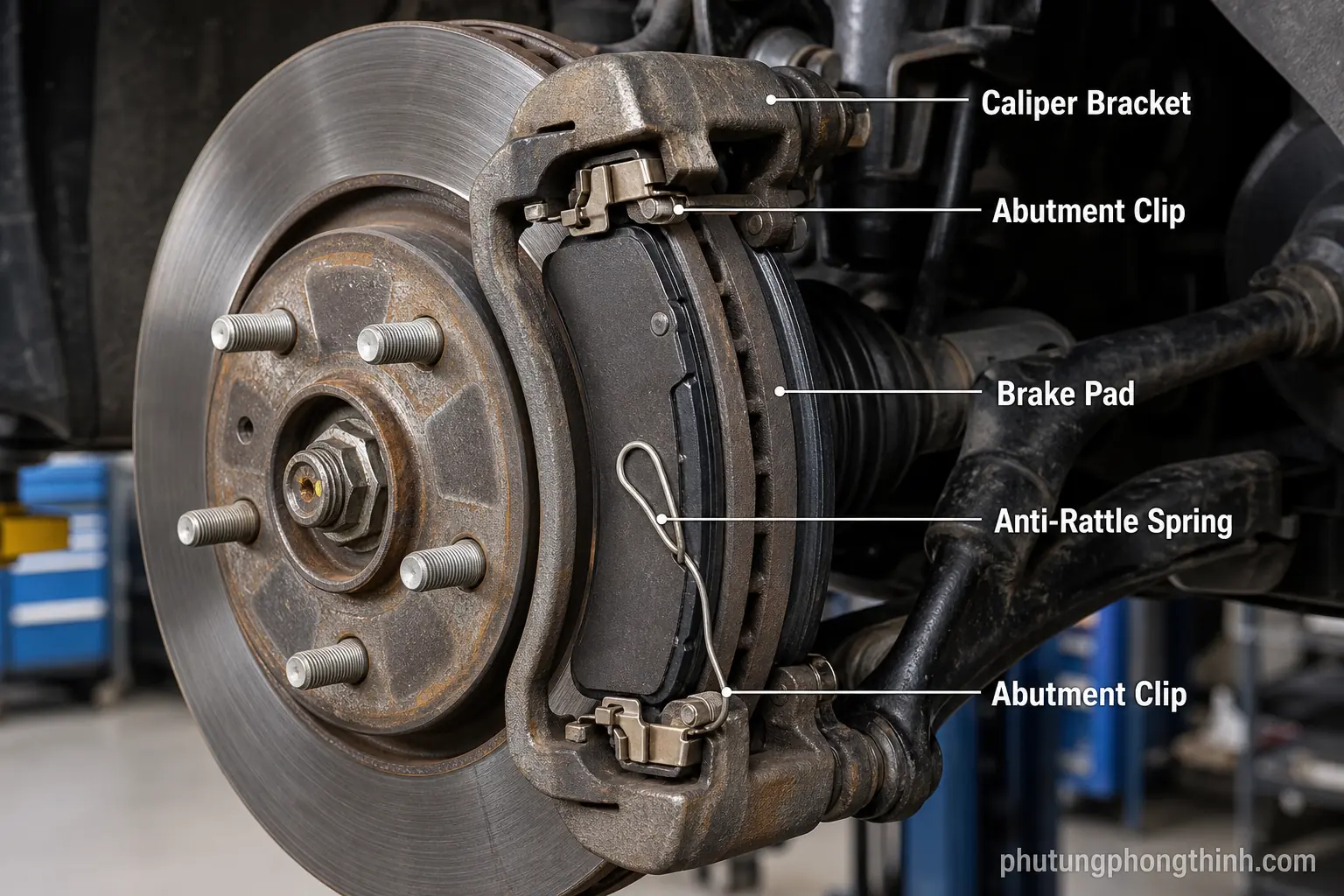
Brake pads should fit snugly in the caliper bracket with only minimal free movement. When the fit gets sloppy, the pads can shift and tap against the bracket during bumps or light braking, creating a noticeable rattle. Worn abutment clips are a common reason, and missing or bent anti-rattle springs can let the pads chatter every time the suspension moves.
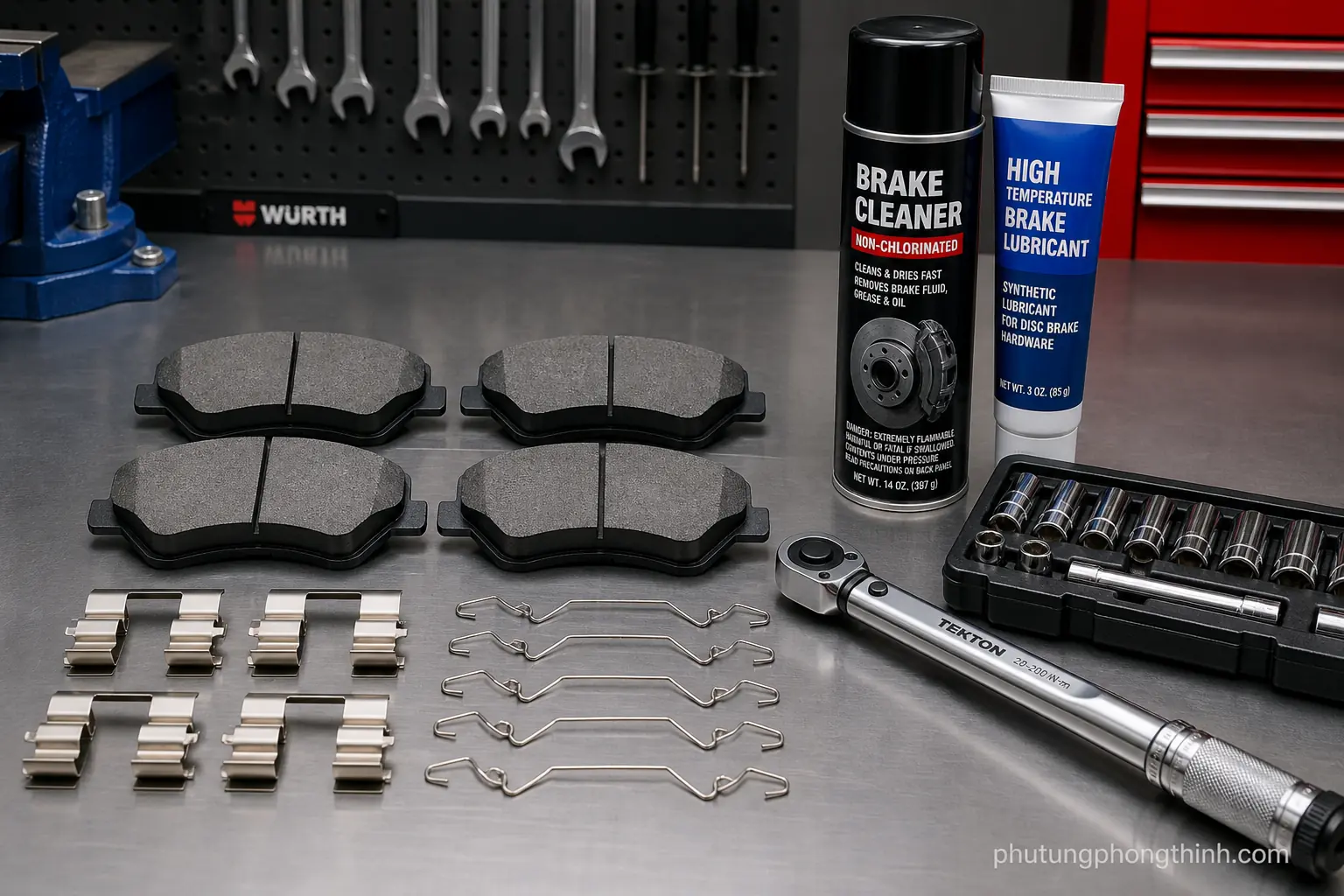
To fix this kind of noise, inspect the clips, springs, and pad shims for wear, corrosion, or incorrect installation. If parts are weak or missing, replace the hardware as a set instead of trying to reuse the old pieces. After reassembly, make sure the pads sit squarely in the bracket and move only as intended.
Slide pins, caliper bracket, and lubrication problems
Dry or frozen slide pins can keep the caliper from centering properly, which lets the pads move unevenly and rattle. A sticky caliper bracket can do the same thing, especially on rough roads, because the pads are no longer held in a stable position. When lubrication is needed, use high-temperature brake lubricant only on approved contact points.
During inspection, check the pin boots for tears, corrosion, or contamination. Clean rust from the bracket and confirm that the caliper moves freely without binding. If a pin or bracket is seized or badly worn, replace the damaged hardware rather than forcing it back into service.

Rotor, dust shield, and wheel bearing causes
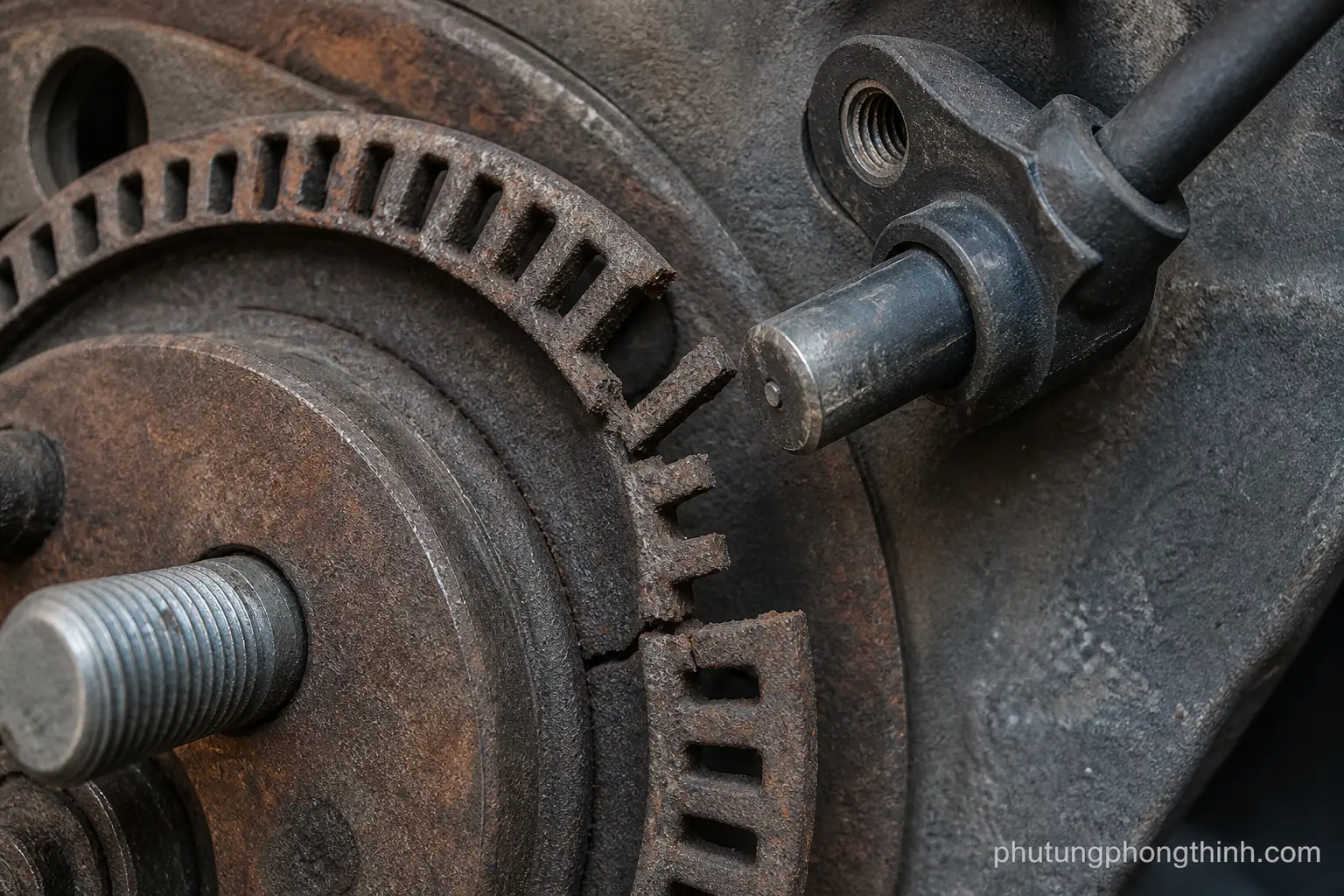
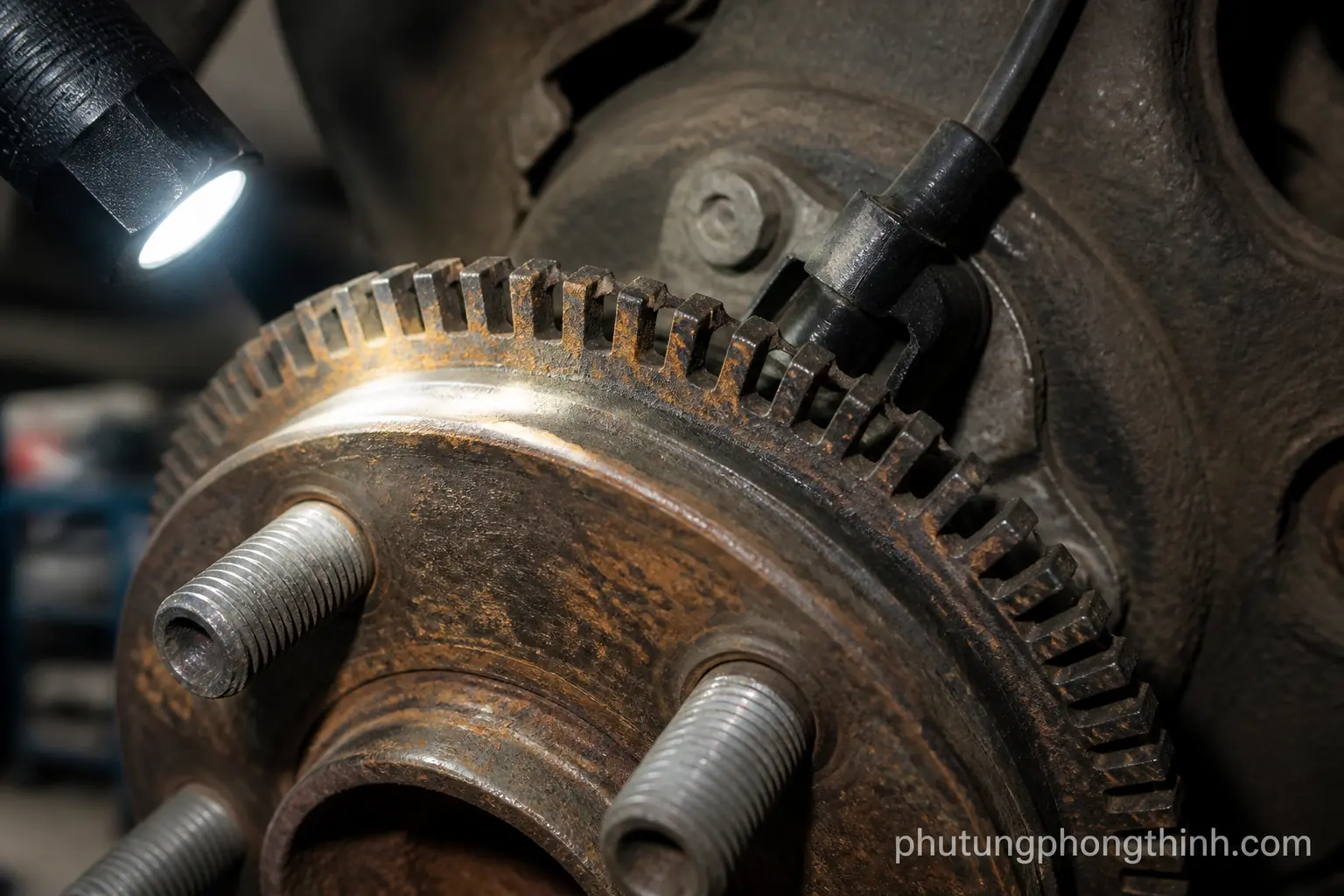
Not every brake rattle comes from pads or hardware. Rotor runout or uneven rotor contact can create both noise and vibration, and a bent dust shield may touch the rotor only sometimes, which makes the problem harder to catch. A worn wheel bearing can also sound like brake noise, but it often changes with load and speed rather than pedal pressure.
To sort these out, look for scrape marks where the dust shield contacts the rotor, and listen for changes when steering left or right, since that can help distinguish bearing noise. If the rattle comes with pulsation or brake pedal feedback, measure rotor condition before replacing parts blindly.
Brake rattle after replacement or a recent brake job
If the noise started after new pads or rotors were installed, the problem is often an installation issue rather than a bad part. Incorrect pad fitment, missing shims, or reused hardware can all create post-service noise. Pads may also need proper bedding before everything settles, but a persistent rattle usually means something is loose or misassembled.
This is also where many people confuse why brakes squeak after replacement with why they rattle. Squeak can be part of bedding or a surface issue, but brake caliper rattle and brake pad movement in bracket usually point to the same root cause: a fitment or hardware problem. After any brake job, double-check torque, bracket hardware, and pad orientation.
How to inspect brake hardware step by step
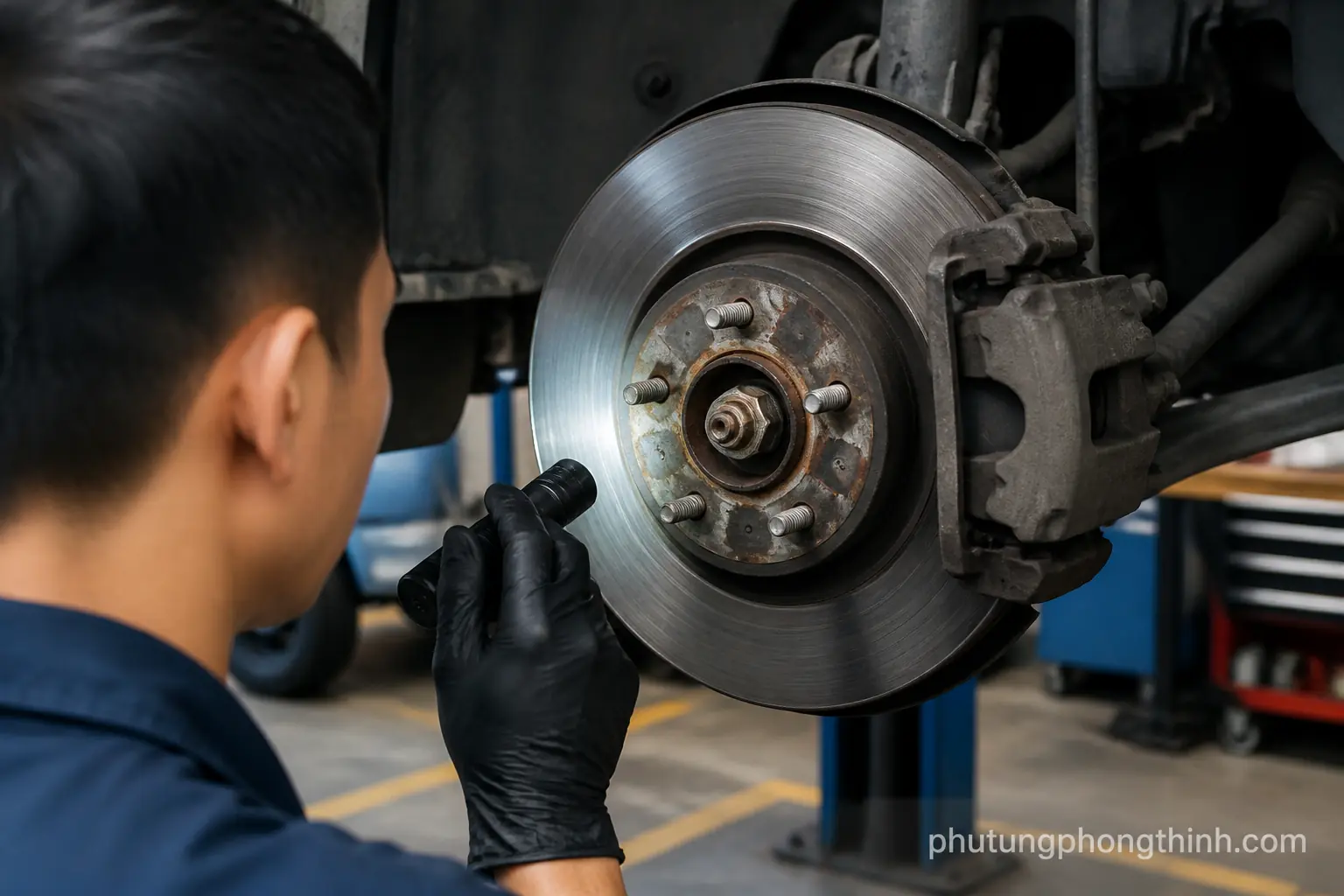
Start by removing the wheel and checking pad movement, clips, shims, and rotor contact points. Then inspect the slide pins, boots, and the caliper bracket for corrosion or sticking. Also look for dust shield rub marks and verify that the rotor surface is not contacting anything else.
If the hardware is worn or missing, replace it. If the pins are seized or the bracket wear is severe, service or replace the caliper hardware. If the noise is still there after inspection, move on to deeper diagnosis.
- Remove the wheel and check pad movement, clips, shims, and rotor contact points.
- Inspect slide pins, boots, and the caliper bracket for corrosion or sticking.
- Look for dust shield rub marks and verify rotor surfaces are not contacting anything else.
10 causes and fixes for brake rattle
Use this quick reference to match the symptom to the most likely repair. The goal is to compare the noise pattern, the brake hardware noise clues, and any related vibration so you can focus on the right fix instead of replacing parts at random.
| Cause | Typical clue | Most likely fix |
|---|---|---|
| Loose pads | Rattle over bumps or light braking | Install correct hardware and ensure snug fit |
| Worn abutment clips | Pad chatter in the bracket | Replace clips as a set |
| Missing anti-rattle springs | Audible pad movement | Replace springs and verify orientation |
| Worn pad shims | Noisy after pad replacement | Replace shims and reassemble correctly |
| Dry slide pins | Uneven pad movement | Clean, lubricate, or replace pins |
| Seized caliper bracket | Drag or loose-feeling hardware | Service or replace bracket hardware |
| Rotor runout | Noise with pulsation | Measure and correct rotor condition |
| Bent dust shield | Intermittent scrape | Reposition or replace the shield |
| Wheel bearing wear | Noise changes with steering load | Inspect and replace bearing if needed |
| Incorrect brake job | Noise started after service | Recheck fitment, torque, and assembly |
When brake noise points to suspension problems
Sometimes a sound that feels like brake clatter is really coming from nearby suspension parts. Loose suspension components can shift under braking or over bumps, and worn control arm or linkage parts may create a knock that sounds close to the wheel. If the noise changes more with road impact than with pedal pressure, look beyond the brake assembly.
That is why brake clunk over bumps is such a useful clue: it often means the problem is in the surrounding chassis rather than inside the brakes themselves. Not every front-end noise is caused by the brake assembly, so inspect adjacent parts when the symptom does not match a normal brake fault.
In that situation, a worn front left control arm can be the real source of the noise, and the same logic applies to a matching right front control arm when the rattle shows up on that side instead.
Prevent brake rattle from coming back
To avoid repeat noise, use the correct hardware during pad replacement, clean the contact points, and apply proper high-temperature brake lubricant sparingly where the maker allows it. Regular inspections also help catch wear, corrosion, and loose components before they turn into a louder brake noise problem.
After service, recheck torque if the vehicle maker recommends it, and replace worn parts in pairs when appropriate. If the rattle becomes a grind or braking performance changes, stop driving and inspect the brakes immediately.
- Use correct hardware during pad replacement.
- Clean contact points and apply high-temperature brake lubricant sparingly.
- Inspect brakes regularly for wear, corrosion, and loose components.
- Recheck torque after service if recommended by the vehicle maker.
- Stop driving if the noise becomes a grind or braking performance changes.
Frequently Asked Questions
Is brake rattling always dangerous?
Not always, but it should be checked soon. Some rattles are caused by loose hardware or worn clips, while others point to more serious issues like a seized caliper, rotor problem, or worn bearing. If the noise gets louder, changes braking feel, or turns into grinding, stop driving and inspect it right away.
Why does my brake rattle only over bumps?
That usually means something is loose and moving when the suspension is loaded. Pads, clips, shims, dust shields, or even nearby suspension parts can shift on rough roads. A rattle over bumps is often more of a hardware fitment clue than a pad-friction problem.
Can new brake pads rattle after installation?
Yes. New pads can rattle if the hardware was reused, a shim is missing, the pads do not fit the bracket correctly, or the caliper pins are dry or seized. If the noise starts after service and does not go away after bedding, the installation should be rechecked.
How do I tell brake noise from wheel bearing noise?
Brake noise often changes when you press the pedal, while wheel bearing noise usually changes with speed and cornering load. If the sound gets louder when turning left or right, that can point toward a bearing rather than the brake assembly. A proper inspection is still the best way to confirm it.
What brake hardware causes the most rattling?
The most common offenders are abutment clips, anti-rattle springs, pad shims, and slide pins. When these parts wear out, corrode, or are installed incorrectly, the pads can move too much and tap the caliper bracket. That pad movement is what creates the rattle.