Repair Wheel Speed Sensor Wiring: DIY Fix That Lasts
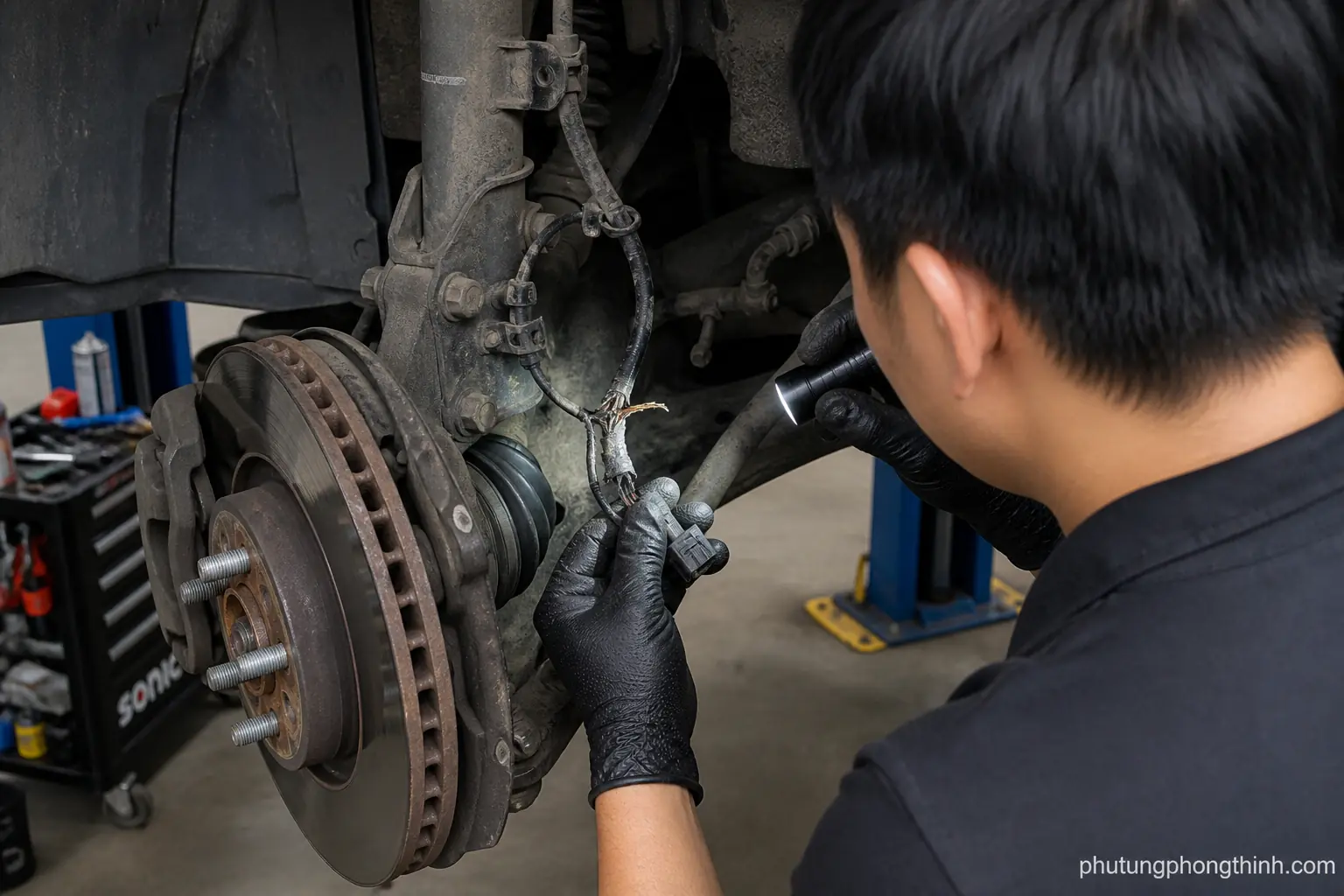
Repair wheel speed sensor wiring: what fails and why
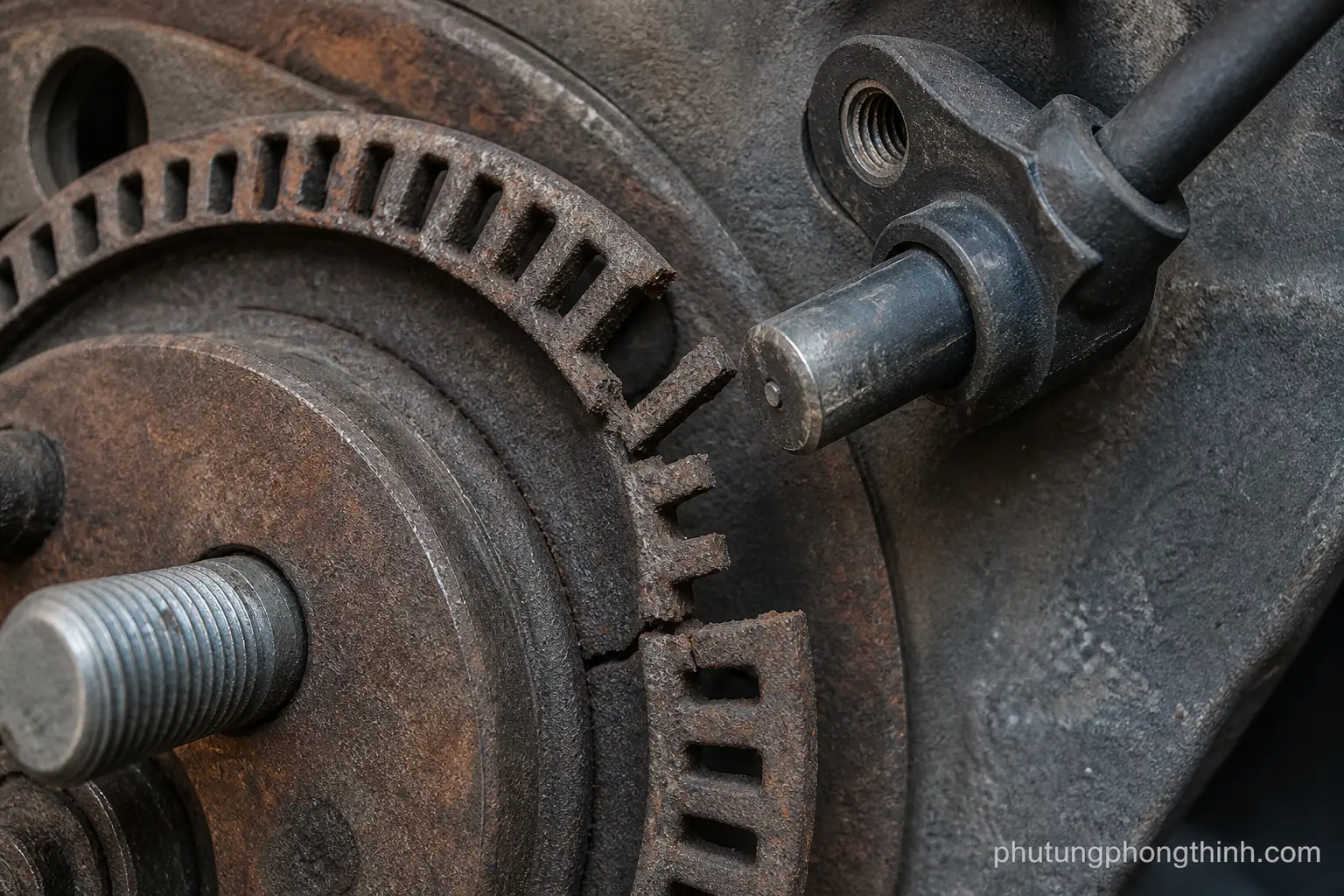
If you need to repair wheel speed sensor wiring, the fault is often in the wire harness rather than the sensor itself. Broken conductors, chafed insulation, and wheel sensor connector corrosion can interrupt the signal and trigger ABS trouble codes, a traction control warning, or even a stability control warning.
That is why a lasting fix starts with the right diagnosis and careful workmanship. Clean cuts, solid splices, and proper sealing matter, and if the damage is concentrated near the connector or along the suspension, a replacement pigtail may be the better choice than a simple splice.
How to diagnose wheel speed sensor problems before you splice
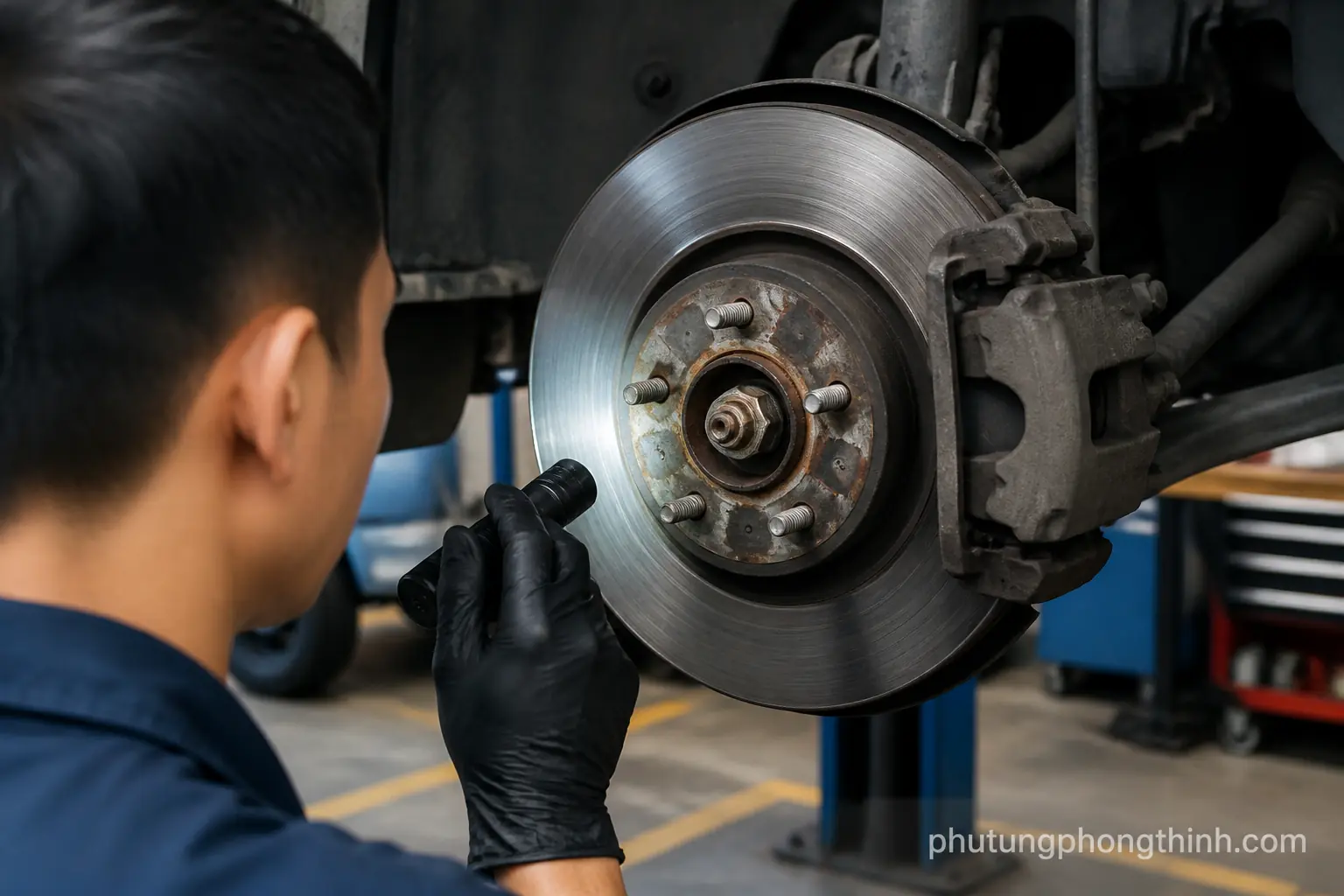
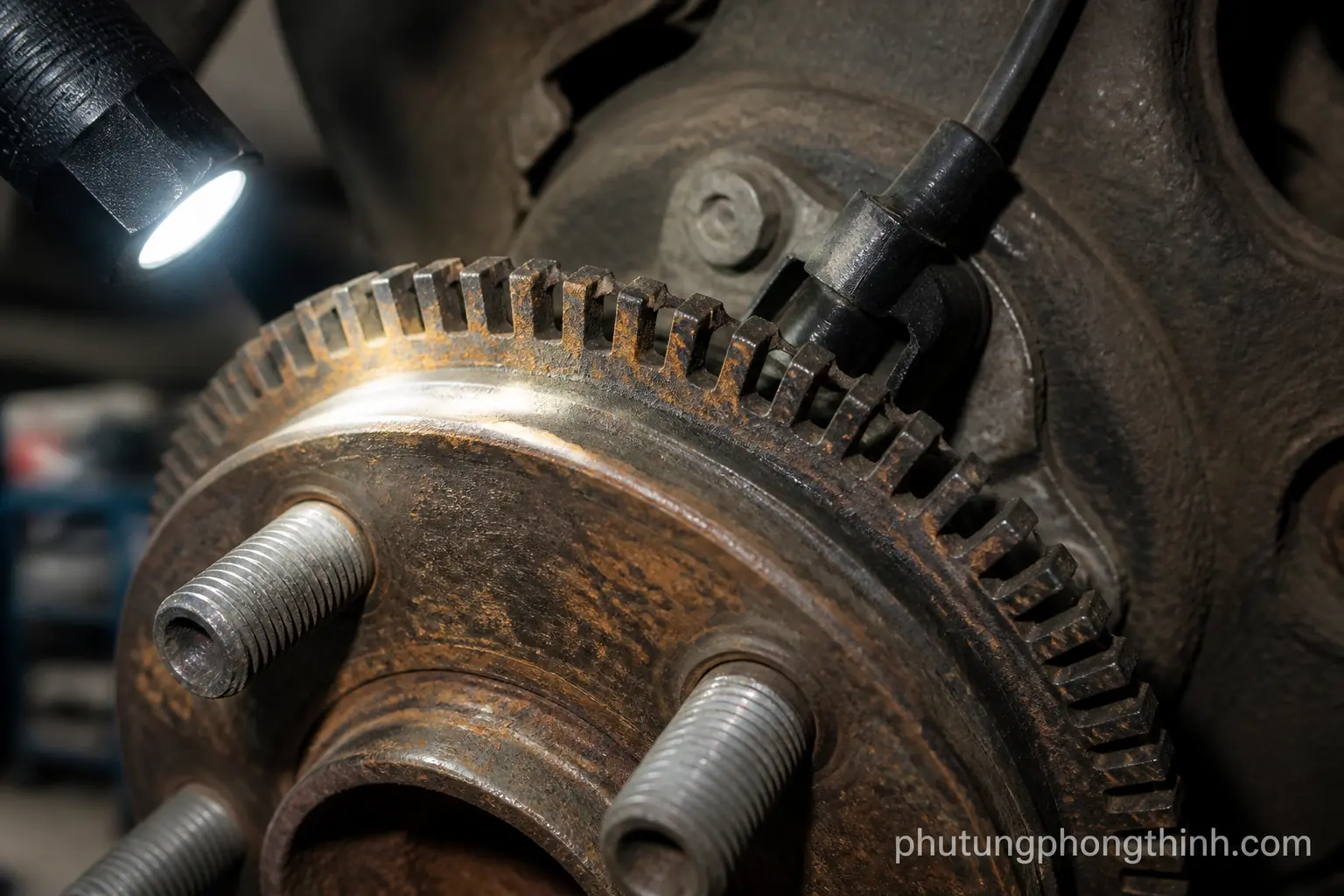
Before you repair anything, confirm that the wiring is actually the problem. Start by checking stored ABS trouble codes and matching the code to the affected corner, then inspect the wire harness for rubbing, pinch points, broken insulation, and corrosion at the connector. A slow roll or road test with live wheel speed data can also show whether one wheel is dropping out compared with the others.

Once you have a likely suspect, run a continuity test end to end on the circuit. Wiggle the harness while testing to expose intermittent breaks, and verify power, ground, or signal integrity as the vehicle design requires. That combination of visual inspection and electrical testing is the quickest way to separate a bad wire from a bad wheel sensor.
- Check for stored ABS trouble codes and match them to the affected corner.
- Inspect the wire harness for rubbing, pinch points, broken insulation, and wheel sensor connector corrosion.
- Use live wheel speed data to compare the suspect wheel against the others during a slow roll or road test.
- Perform a continuity test end to end on the sensor circuit.
- Wiggle the harness while testing to catch intermittent breaks.
- Verify power, ground, or signal integrity as appropriate for the vehicle design.
Tools and materials for automotive wire splice repair
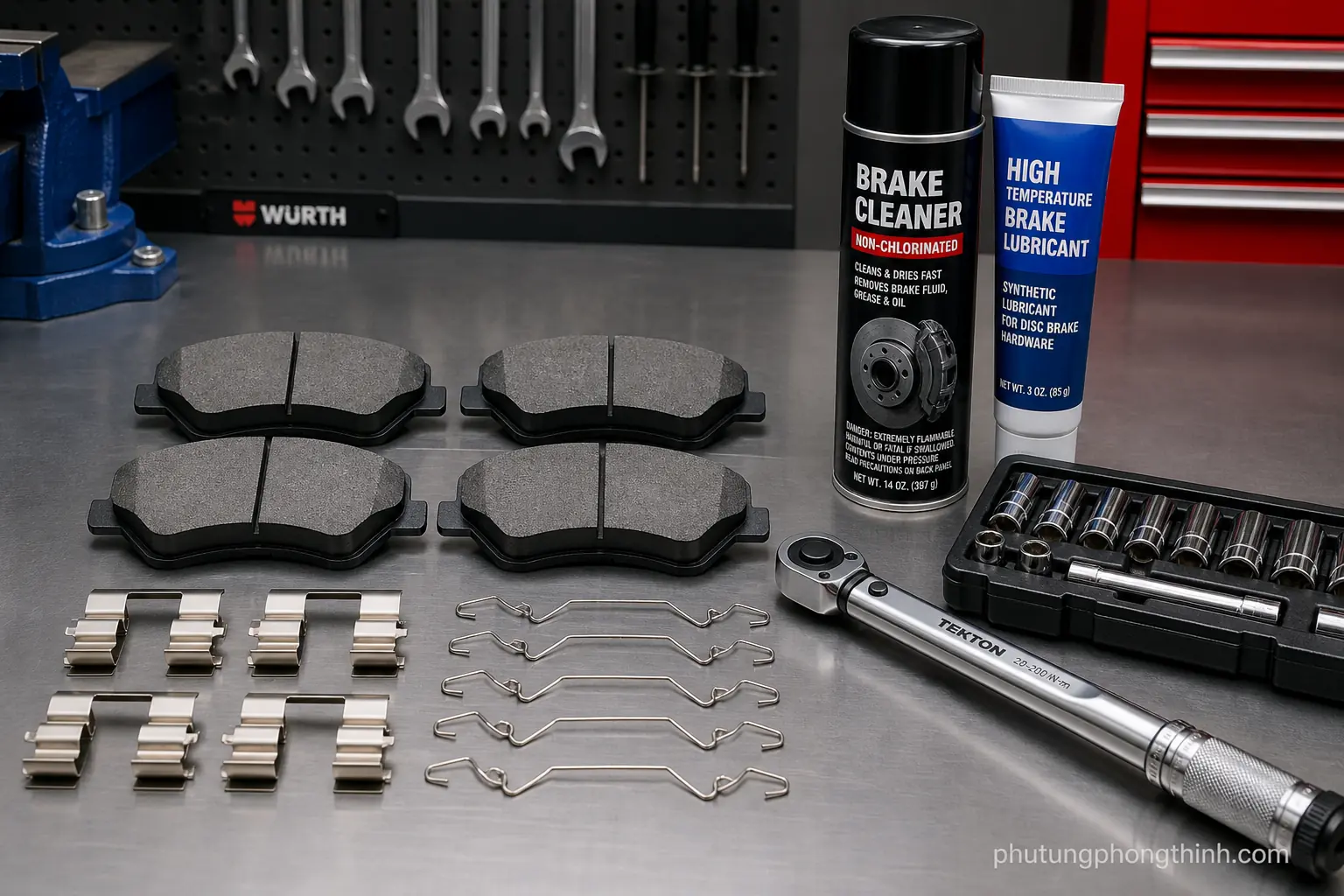
A reliable repair depends on having the right supplies on hand. For most automotive wire splice repair jobs, that means weatherproof butt connectors or solder-and-seal style splices, adhesive-lined heat-shrink tubing, wire strippers, a proper crimp tool, and a heat source. You will also want a multimeter, scan tool, electrical tape, loom, and zip ties for testing and reassembly, plus the correct wire gauge and automotive-grade wire if any section needs to be replaced. In some cases, a related part such as an OEM starter brush set may be part of a broader electrical service plan, but the wheel speed sensor repair itself still depends on matching the original circuit quality.
- Weatherproof butt connectors or solder-and-seal style splices
- Adhesive-lined heat-shrink tubing
- Wire strippers, crimp tool, and heat source
- Multimeter and scan tool
- Electrical tape, loom, and zip ties
- Correct wire gauge and automotive-grade wire if replacement is needed
Step-by-step wheel speed sensor wiring repair
Start by disconnecting the battery if needed, then safely raise the vehicle and secure it. Cut out the damaged wire until you reach clean copper and dry, undamaged insulation, and if you are repairing multiple conductors, stagger the splices so the finished repair does not become a bulky stress point. Crimp or solder each splice correctly, seal it with adhesive-lined heat-shrink tubing, then re-wrap and secure the wire harness so it cannot rub the suspension or tire.

If the connector body is cracked, the pins are loose, or corrosion has migrated into the terminal area, use a replacement pigtail instead of trying to save the old lead. Before final assembly, match the pinout and wire colors carefully so the repaired wheel speed sensor circuit ends up exactly as intended.
- Disconnect the battery if needed and safely raise the vehicle.
- Cut out damaged wire back to clean copper and dry, undamaged insulation.
- Stagger splices if repairing multiple conductors to avoid a bulky repair point.
- Crimp or solder the splice correctly, then seal it with adhesive-lined heat-shrink tubing.
- Re-wrap and secure the wire harness so it cannot rub the suspension or tire.
- Use a replacement pigtail when the connector body is cracked, pins are loose, or corrosion has migrated into the terminal area.
- Match pinout and wire colors carefully before final assembly.
How to test the repair and clear warning lights
After the repair, recheck continuity and compare resistance or signal behavior to the other side if that makes sense for the system. Then use the scan tool to clear ABS codes and make sure no new faults return. A road test while watching live wheel speed data should show the repaired wheel reporting normally, and the ABS and traction control warnings should stay off once the fix is successful.

- Recheck continuity and compare resistance or signal behavior to the other side if applicable.
- Use the scan tool to clear ABS codes and verify no new faults return.
- Road test while watching live wheel speed data to confirm the repaired wheel reports normally.
- ABS and traction control warnings should stay off after a successful repair.
Preventing repeat wheel sensor wiring damage
To make the repair last, route the harness away from moving suspension parts, hot exhaust, and sharp edges. Add loom, clips, and strain relief where the factory protection is missing, and inspect neighboring harness sections for corrosion or abrasion so the same failure does not return. If you are also maintaining nearby components, a genuine coolant return hose is the kind of adjacent part you may notice while working in the same underbody area, but the goal here is simply to keep the repaired wiring protected from repeat damage.
- Route the harness away from moving suspension parts, hot exhaust, and sharp edges.
- Add loom, clips, and strain relief where the factory protection is missing.
- Inspect neighboring harness sections for corrosion or abrasion so the same failure does not return.
When to stop DIY and replace the sensor or harness
Stop and replace the sensor or harness when the wire is damaged over a long section, internal harness damage is suspected, or testing still looks inconsistent after a clean repair. If repeated ABS trouble codes return after a careful splice, the wheel speed sensor itself may be failing, or the problem may run deeper in the harness. When the vehicle has multiple unrelated braking or stability faults, professional diagnosis is the safer move.
- Replace the sensor or harness when the wire is damaged over a long section, internal harness damage is suspected, or testing remains inconsistent after repair.
- Repeated ABS trouble codes after a clean splice may indicate a failing wheel speed sensor or deeper harness issue.
- Seek professional diagnosis if the vehicle has multiple unrelated braking or stability faults.
Frequently Asked Questions
How do I know if the wheel speed sensor wiring is bad instead of the sensor itself?
Check the fault codes, inspect the harness for damage or corrosion, and compare live wheel speed data from all four wheels. If the signal drops out only when the harness is moved or flexed, the wiring is the more likely problem. A continuity test can help confirm whether the circuit is open or intermittent.
Can I splice wheel speed sensor wires together safely?
Yes, if the damaged section is short and the repair is done with clean cuts, proper crimping or soldering, and weatherproof sealing. Use automotive-grade materials and protect the finished repair so it cannot rub or flex excessively.
When should I use a replacement pigtail?
Use a replacement pigtail when the connector housing is cracked, the terminals are loose, or corrosion has entered the connector body. It is also a better choice when the damaged section is too close to the connector for a reliable splice.
Why did the ABS light stay on after I fixed the wiring?
The system may still have stored codes that need to be cleared with a scan tool. If the light returns immediately, the repair may still have an open, short, or poor connection, or there may be another fault in the wheel speed sensor circuit.
What is the best way to prevent the problem from coming back?
Route the harness away from moving parts, sharp edges, and heat, then secure it with loom, clips, and strain relief. Also inspect nearby wiring and connectors for the same kind of abrasion or corrosion that caused the original failure.