Rear Drum Brake Hardware Problems: Diagnose Them Fast
Rear Drum Brake Hardware Problems: What They Are and Why They Matter
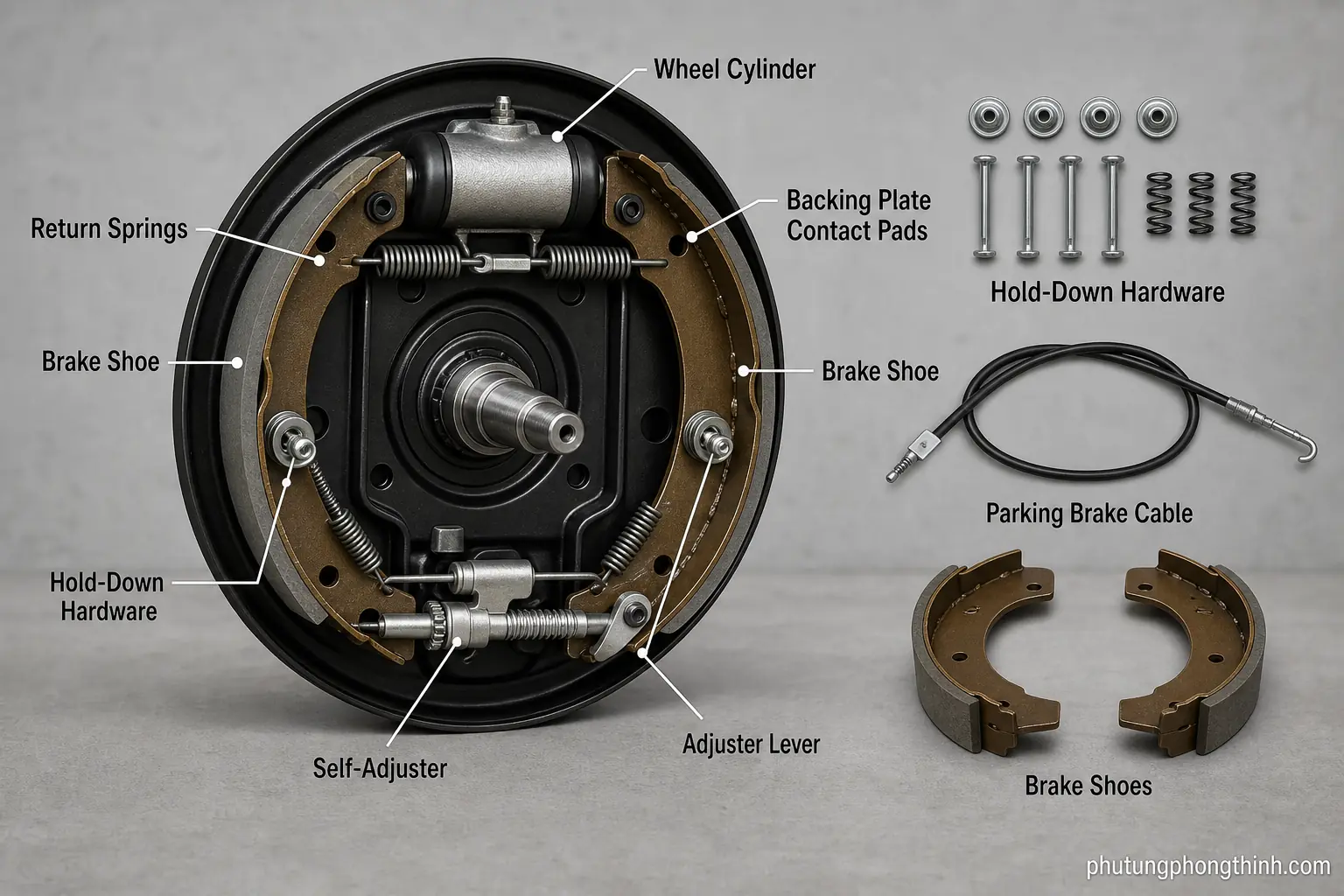
If you are dealing with rear drum brake hardware problems, the fastest way to narrow them down is to focus on the parts that control shoe movement, return force, and adjustment. Inside a drum brake assembly, that means the springs, self-adjuster, hold-down hardware, backing plate contact pads, and parking brake linkage. When any of those pieces fail, you can get brake drag, noise, uneven braking, or overheating even if the shoes and drums still look usable. This guide is about quick diagnosis before you start replacing parts at random. For owners who also handle general vehicle maintenance, a related engine sensor part can be found here: related engine sensor part.
Common Symptoms of Bad Drum Brake Hardware
The first clues usually show up before you ever pull the drum. Common warning signs include pulling to one side, squealing, scraping, clicking, or an occasional grinding noise from the rear brakes. You may also notice brake drag, hot rear wheels, a burning smell, or a parking brake that does not hold well or does not release cleanly. Uneven shoe wear is another strong hint that the brake hardware, not just the friction material, is causing the problem.
- Pulling, squealing, scraping, clicking, or intermittent grinding.
- Brake drag, hot rear wheels, and a burning smell.
- Weak parking brake hold, parking brake not releasing, or uneven shoe wear.
How to Inspect Rear Drum Brakes Step by Step
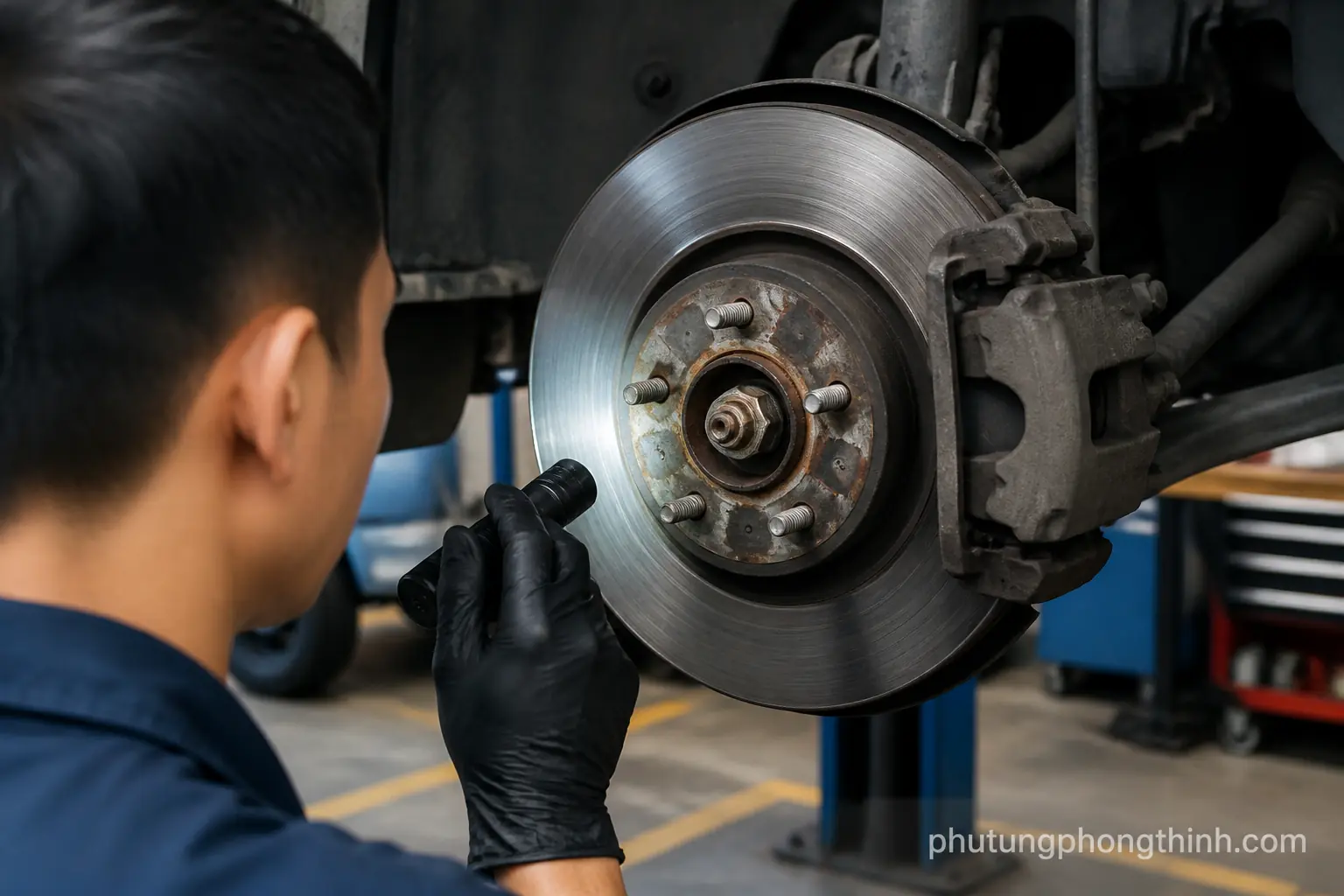
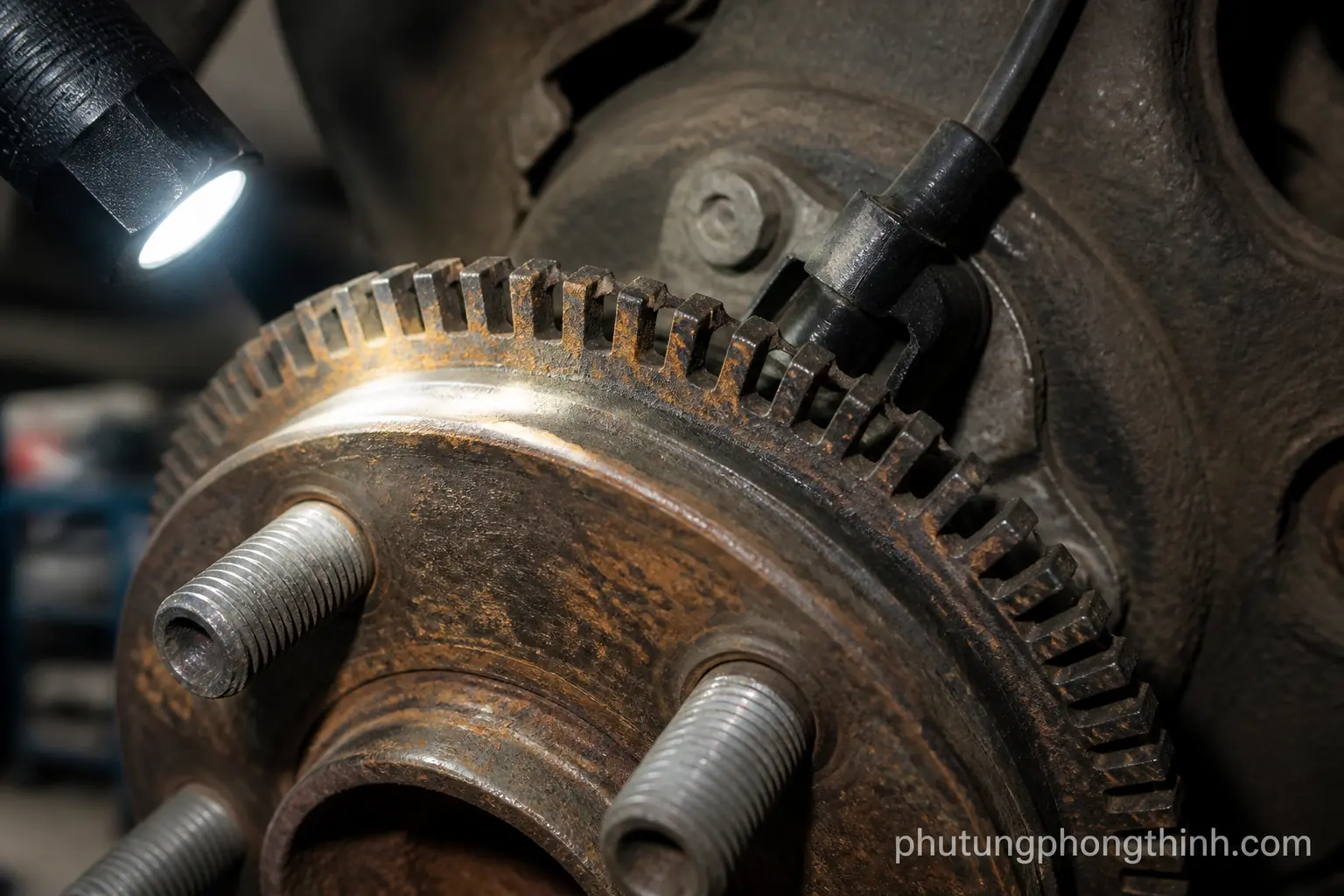
Start with a safe lift, support the vehicle securely, and remove the drum so you can inspect the full drum brake assembly. Look at the return springs, hold-down hardware, self-adjuster, adjuster lever, parking brake cable, and wheel cylinder before you assume the shoes are the problem. Broken springs, seized adjuster threads, loose contact points, fluid leaks, and poor shoe-to-drum clearance are the most common issues to catch during this first pass.

- Lift safely, remove the drum, and inspect the full assembly.
- Check return springs, hold-down hardware, self-adjuster, adjuster lever, parking brake cable, and wheel cylinder.
- Look for broken springs, seized adjuster threads, loose contact points, fluid leaks, and shoe-to-drum clearance issues.
What Healthy Drum Brake Hardware Should Look and Feel Like
Healthy hardware is usually easy to spot once you know the signs. Springs should feel strong and look symmetrical, not stretched, rusty, or weak. Adjuster parts should move freely, the shoes should sit evenly, and the backing plate contact pads should have proper lubrication. You should not hear excessive rattling, and the shoes should seat cleanly without one side standing off noticeably.
Diagnosing Specific Hardware Failures
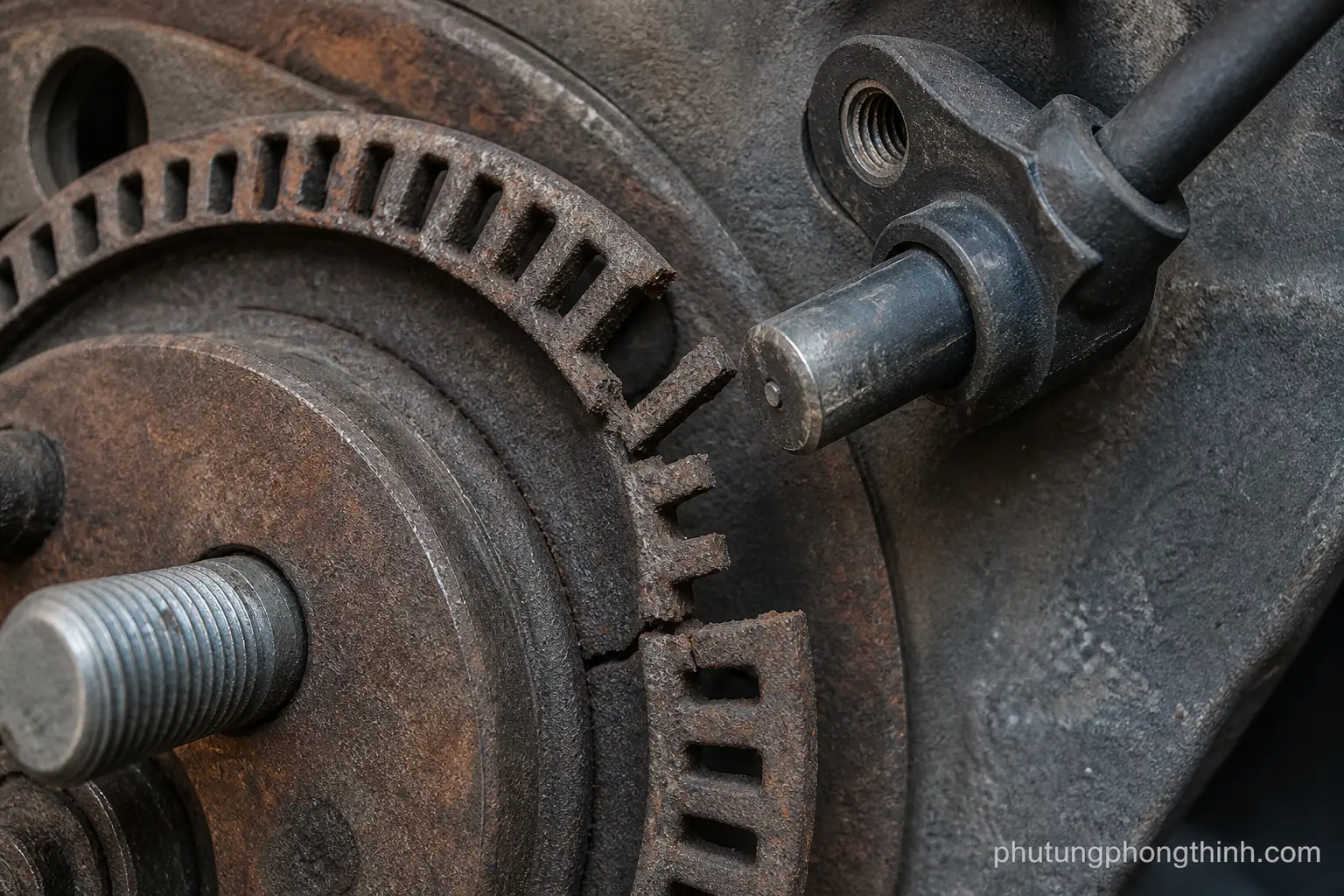
Once you know the symptoms, the pattern usually points to a specific failure. Weak or broken return springs can leave the shoes partially applied, which leads to drag and noise. Seized or misassembled self-adjuster parts can create either too much clearance or constant rubbing. Worn hold-down hardware may let the shoes shift, causing chatter and uneven braking. A sticking adjuster lever or a parking brake cable that does not return freely can look like a shoe problem when the real issue is in the hardware.

- Weak or broken return springs can cause drag and noise.
- Seized or misassembled self-adjuster parts can create excess clearance or constant rubbing.
- Worn hold-down hardware can let shoes shift, causing chatter and uneven braking.
- A sticking adjuster lever or parking brake cable issue can mimic hardware failure.
| Symptom | Likely hardware cause | What to check first |
|---|---|---|
| Brake drag | Weak springs or stuck adjuster | Return springs and self-adjuster movement |
| Noise or chatter | Worn hold-down hardware | Clips, springs, and shoe stability |
| Uneven braking | Misassembled hardware or sticking cable | Adjuster lever and parking brake cable |
| Overheating | Shoes not releasing fully | Springs, adjuster, and contact points |
Why Rear Drums Overheat
Rear drums overheat when the shoes do not fully release and friction keeps building after the pedal is off. Seized springs, stuck adjusters, parking brake cable drag, and contaminated contact points are the most common causes. If heat has been building for a while, it can damage the shoes, score the drums, and even hurt wheel cylinder seals.
When to Replace the Drum Brake Hardware Kit
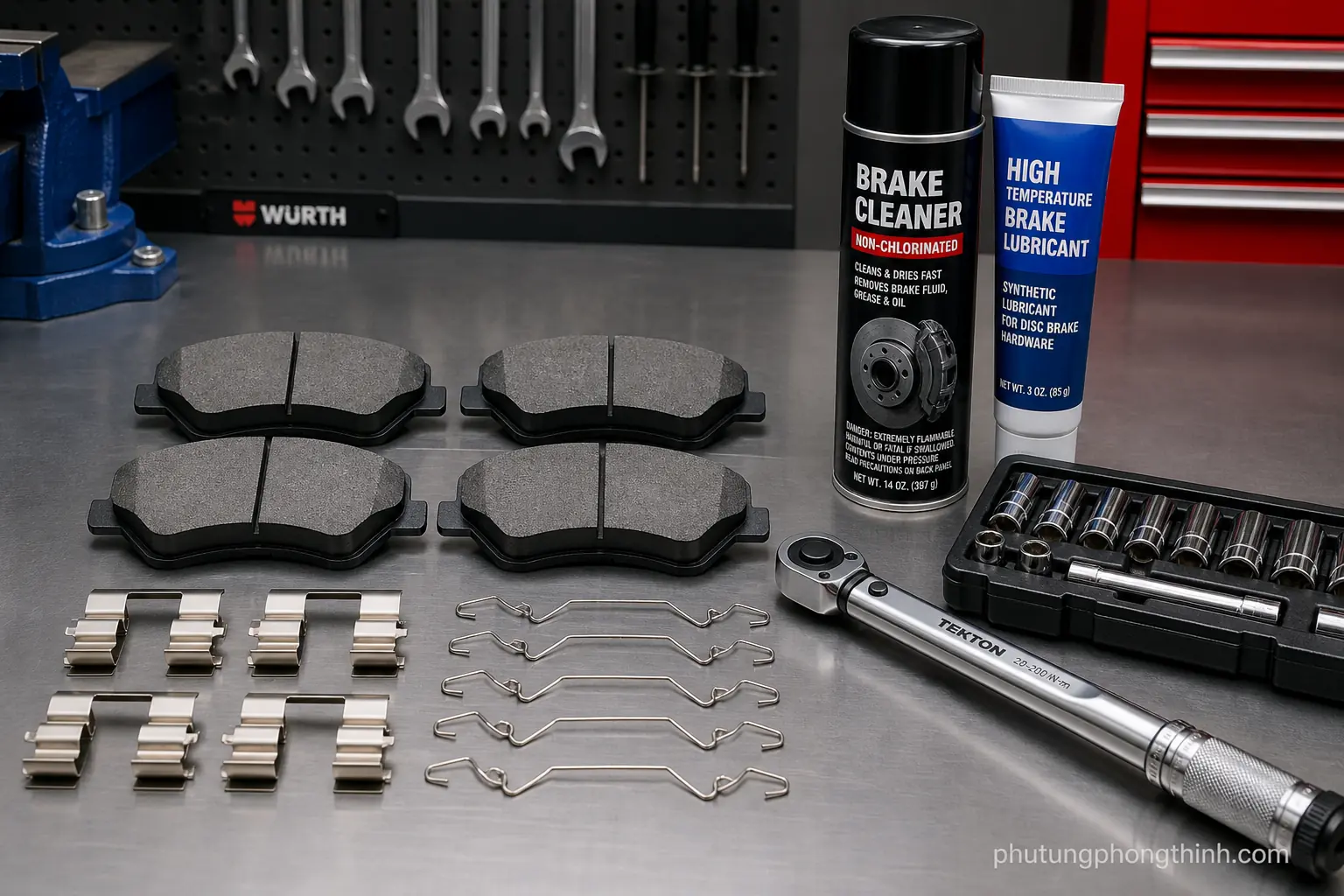
It usually makes more sense to replace the full hardware kit when the springs are weak, rust is heavy, or more than one clip is missing. Changing all the wear hardware at once helps restore balanced brake action and reduces the chance that one old part will undo the repair. After repeated brake drag or recurring noise, new hardware is often the fastest and cleanest fix.
- Replace the full kit when springs are weak, rust is heavy, or clips are missing.
- Replacing all wear hardware together helps restore balanced brake action.
- New hardware is often the fastest fix after repeated drag or recurring noise.
Prevention Tips for Longer-Lasting Rear Brakes
Good maintenance goes a long way toward preventing repeat drum brake problems. Keep the backing plate contact pads clean and lightly lubricated with proper brake grease, and inspect parking brake cable movement so it does not bind. Adjust only to spec, then recheck shoe-to-drum clearance after service and listen for any new noise during the road test. A careful final check is often what keeps small hardware issues from turning into brake drag again. If you are also planning a broader maintenance job, a cooling system replacement may be relevant for another part of the vehicle: cooling system replacement.
- Keep backing plate contact pads clean and lightly lubricated with proper brake grease.
- Inspect parking brake cable movement and adjust only to spec.
- Recheck shoe-to-drum clearance after service and road test for new noise.
Frequently Asked Questions
What causes rear drum brake hardware to fail early?
The most common causes are corrosion, heat, contaminated brake dust, and worn or misadjusted parts. A parking brake cable that sticks, missing lubrication on the backing plate contact pads, or repeated overheating can also shorten hardware life.
Can bad drum brake hardware cause the car to pull?
Yes. If one rear brake is dragging more than the other, or one side is not applying evenly, the vehicle can pull or feel unstable under braking. Uneven shoe movement and weak springs are common reasons.
Should I replace shoes when I replace drum brake hardware?
Not always, but it is often smart to inspect both together. If the shoes are evenly worn and still have good lining, hardware alone may be enough. If the shoes are heat-damaged, contaminated, or unevenly worn, replace them too.
How do I know if the parking brake cable is the real problem?
If the brake releases normally by hand but drags after the parking brake is applied, the cable may be binding or not returning fully. You can also compare side-to-side movement and check whether the lever and cable return freely at the backing plate.
When is a drum brake repair no longer worth piecing together?
When several springs, clips, or adjuster parts are worn at the same time, a full hardware kit is usually the better choice. That is especially true if rust is heavy or the same drag or noise keeps coming back after partial repairs.