Parking Brake Will Not Release? 2026 Troubleshooting Guide
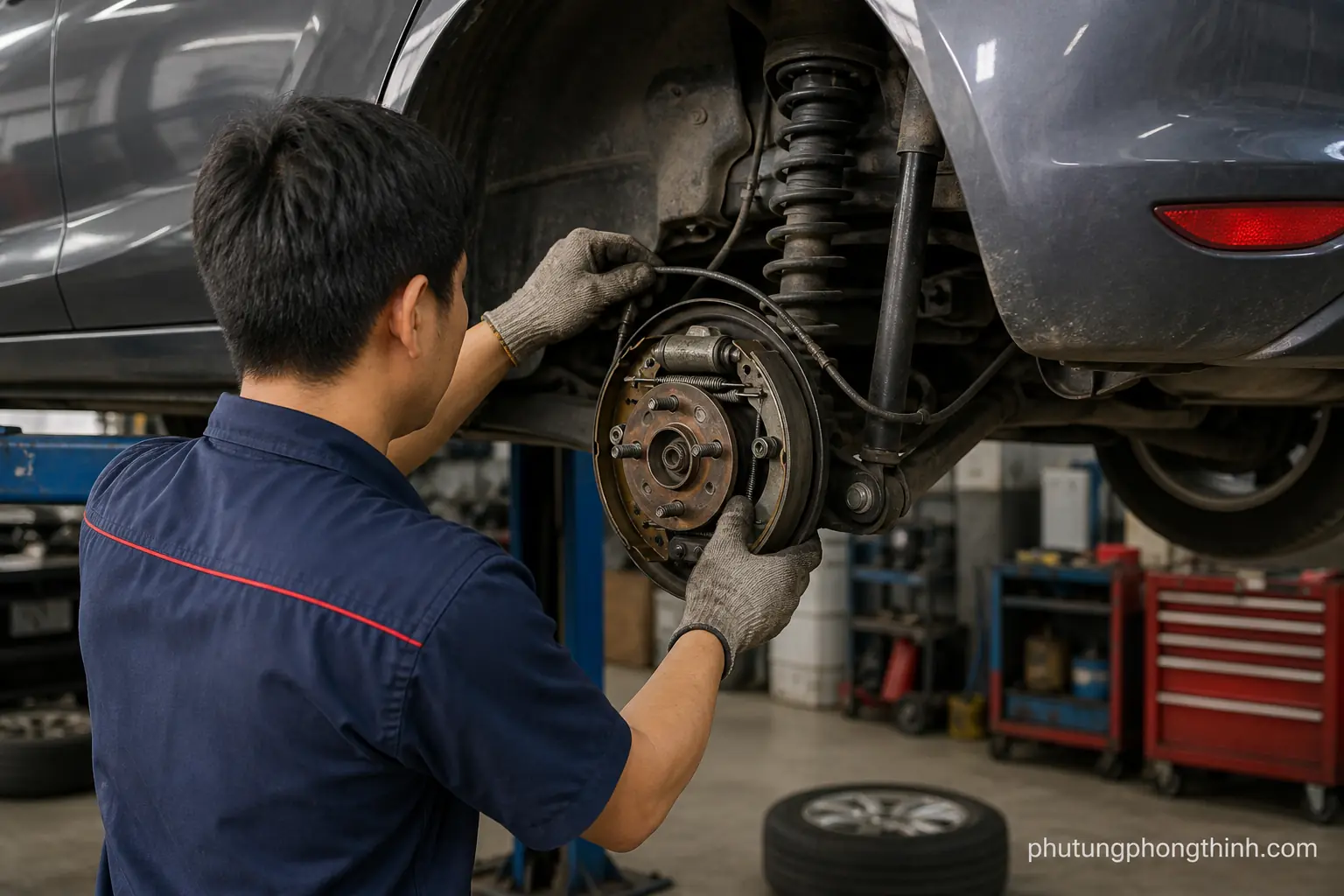
Why a parking brake will not release
If your parking brake will not release, the problem is usually mechanical rather than mysterious: a seized cable, a frozen rear caliper, or stuck drum hardware can keep the system applied even after the lever or pedal is released. In some cases it is not fully locked at all, but only creating rear brake drag that makes the car feel held back.
The most common causes include a corroded or frayed brake cable, a parking brake lever that sticks in the rear caliper, a stuck drum brake star wheel adjuster, weak return springs, or a corroded equalizer bar. Any of these can stop the mechanism from returning to its resting position.
Overheating, a burning smell, or smoking brakes are red flags that the rear brakes are dragging hard. Do not drive far with that symptom, and do not keep forcing the lever or pedal, because that can snap a cable or damage the hardware.
The steps below will help you isolate the fault by brake type and symptom on both rear disc and drum brake systems.
Safety checks before you try to free a stuck parking brake
- Park on level ground if possible and chock the wheels.
- Keep the transmission in Park or in gear with the engine off.
- Do not crawl under an unstable vehicle.
- Let overheated brakes cool before touching components.
First, check whether the parking brake lever or pedal returns partway when you try to release it. A frozen handle, a broken release button, or cable tension that will not relax can point you toward the failure point before you touch the rear brakes. If one rear wheel stays hot or hard to rotate, that side likely has the binding.
How to free a stuck parking brake step by step
- Try gentle release and reset movements on the lever or pedal.
- Rock the vehicle slightly only if conditions are safe and the brake is not overheated.
- Use light tapping on affected hardware only where appropriate and with caution.
- Stop if the brake cable or caliper lever feels solidly jammed.
After the brake releases, inspect the cable, sheath, and return springs for fraying, rust, or weakness. If the rear brakes are still dragging after release, the fault is not solved yet and should not be ignored. Repeated forcing usually makes the repair worse, so plan on fixing the root cause instead of relying on another temporary release.
Diagnosing a seized cable, frozen caliper, or stuck drum hardware
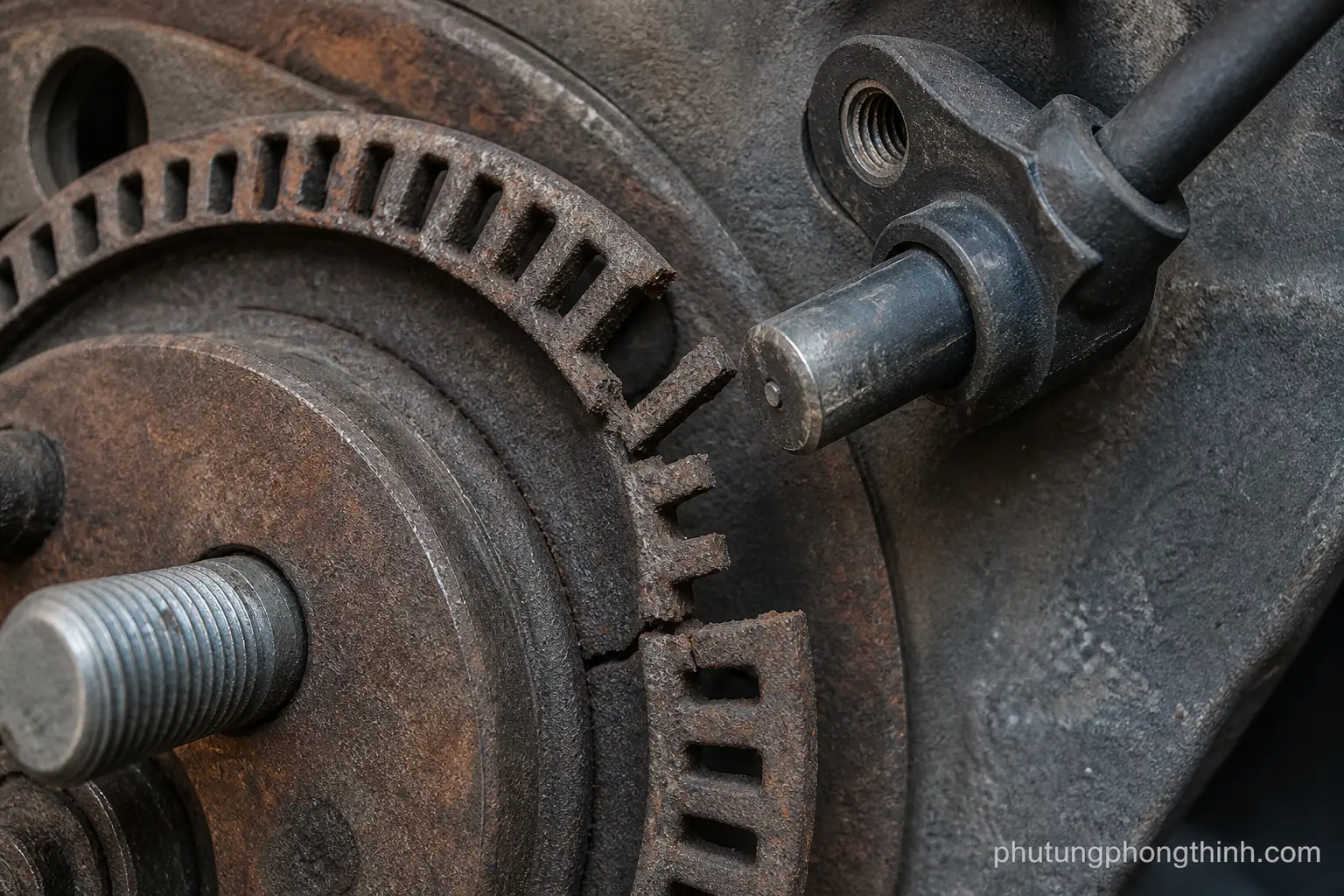
A seized cable often feels stiff at the lever or pedal and does not let the rear brakes fully return. A frozen rear caliper parking brake lever may move poorly or not at all at the caliper itself, even if the cable has some motion. On drum brake systems, a stuck star wheel adjuster or weak return springs can hold the shoes against the drum and mimic a parking brake that will not release.

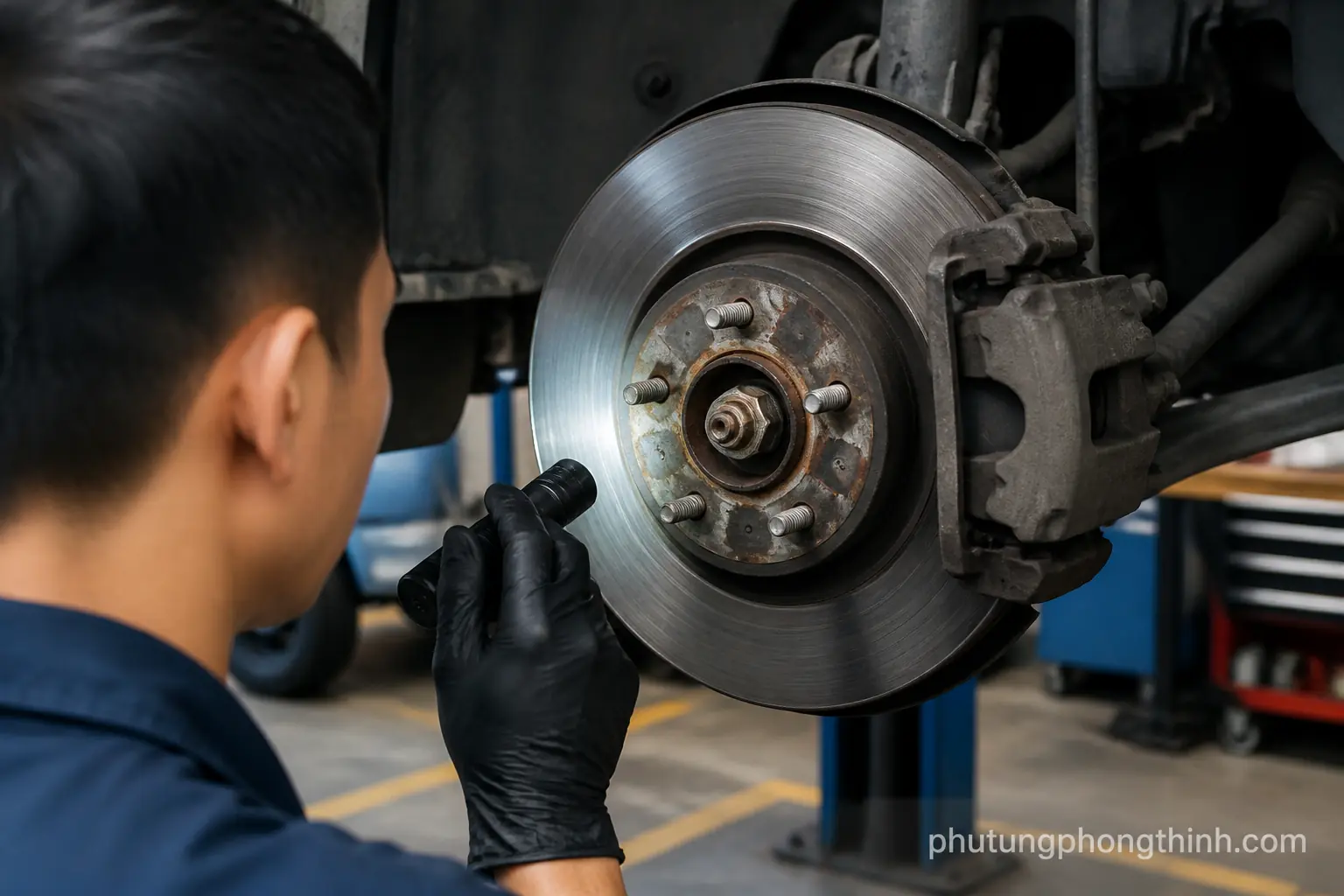
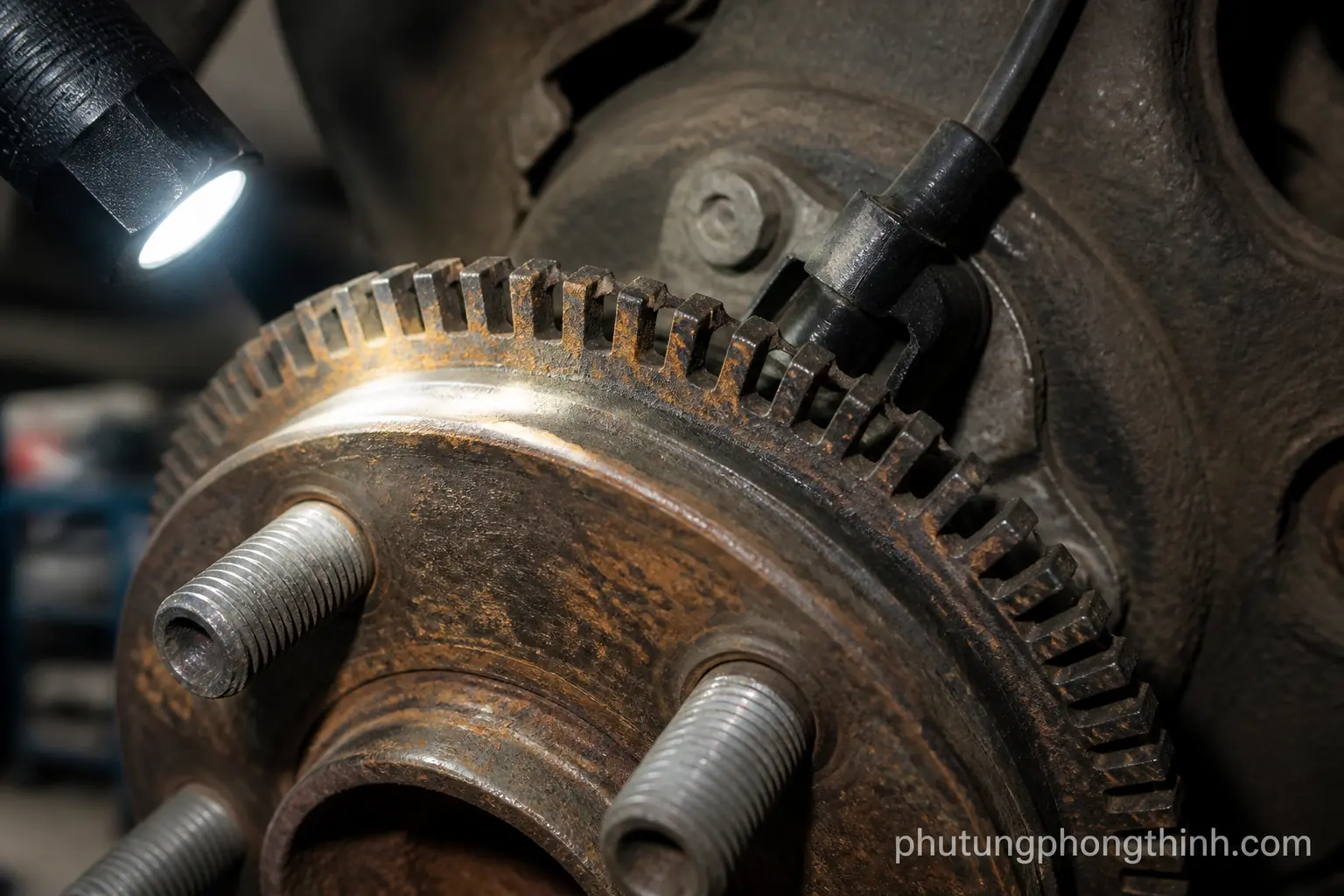
Follow the cable path and inspect the equalizer bar for corrosion or binding. Then check drum brakes for shoe-to-drum interference and broken hardware. Signs of overheated brakes, uneven wear, or a cable that will not retract usually confirm that the system needs repair rather than another attempt to free it.
Parking brake cable replacement and rear brake repair options
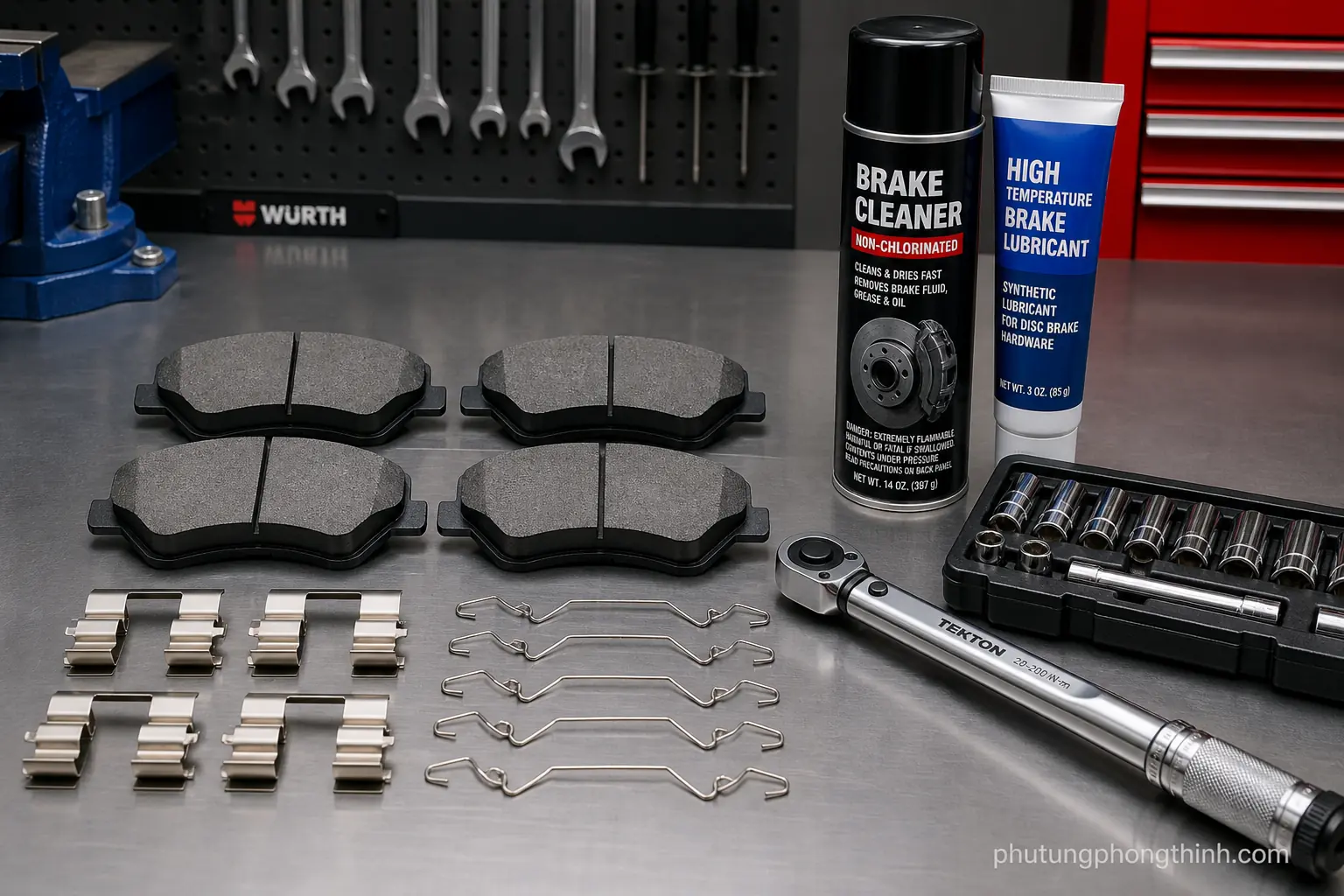
Replace a frayed cable or a badly corroded cable instead of trying to lubricate it back to life. If the parking brake lever inside a rear caliper is seized, that caliper may need service or replacement. When the issue is in a drum brake, the fix may be cleaning, adjustment, or rebuilding the hardware around the adjuster and springs.
Any proper repair should include a parking brake adjustment procedure after parts replacement so the system releases and holds correctly. It is also smart to inspect both sides, because one weak side can leave the rear brakes uneven and still cause drag. Persistent brake drag can damage rotors, drums, pads, or shoes, so do not treat it as a minor annoyance.
For replacement planning, you may also want to review fuel system replacement parts when you are already sorting out worn components and scheduling repairs.
How to prevent a parking brake from sticking again
- Use the parking brake regularly so cables and mechanisms do not sit seized.
- Keep underbody and rear brake areas clean from salt and corrosion.
- Inspect rear brakes and cables during seasonal service.
Avoid parking with wet, overheated, or freshly washed brakes when possible, especially in cold weather where frozen conditions can make sticking worse. At the first sign of rear brake drag, get it checked promptly before the problem turns into a seized cable or damaged hardware. If you are also trying to limit corrosion underneath the vehicle, protective underbody protection parts can be part of a broader maintenance plan.
FAQ: stuck parking brake questions drivers ask
- How do I free a stuck parking brake without damaging it?
- Why are my rear brakes dragging after the parking brake is released?
- Can a parking brake adjustment procedure fix a stuck brake?
- When does a frayed cable mean replacement is the only safe option?
Frequently Asked Questions
How do I free a stuck parking brake without damaging it?
Use gentle release attempts first, and stop if the lever, pedal, cable, or caliper lever feels solidly jammed. If the brakes are overheated or there is a burning smell, let everything cool before trying again. Forcing the system can break the cable or damage the rear brake hardware, so a stuck brake that does not respond to light effort usually needs inspection and repair.
Why are my rear brakes dragging after the parking brake is released?
Rear brake drag usually means one part of the system is not returning fully. Common causes include a seized cable, a frozen rear caliper parking brake lever, weak return springs, a stuck drum adjuster, or a corroded equalizer bar. Even if the brake appears released at the lever, the rear brakes may still be partially applied at the wheel.
Can a parking brake adjustment procedure fix a stuck brake?
Adjustment can help if the problem is simply set too tight or out of balance after repairs. It will not fix a seized cable, frozen caliper, or stuck drum hardware. If the mechanism does not move freely first, adjustment alone is only a temporary or ineffective fix.
When does a frayed cable mean replacement is the only safe option?
A frayed cable should usually be replaced, especially if it is corroded, stiff, or not retracting properly. Lubrication will not restore damaged strands or a cable that is binding inside the sheath. If the cable is frayed enough to affect release or holding power, replacement is the safe repair.
What should I do if the parking brake sticks in freezing weather?
If the brake sticks in freezing weather, avoid repeated hard pulls or forceful driving attempts. Let the vehicle warm up enough to see whether the mechanism releases naturally, and check for moisture, corrosion, or rear brake drag afterward. If it keeps happening, the system likely has worn or corroded parts that need repair.