Is Rotor Rust Normal? 2026 Guide to What’s Safe
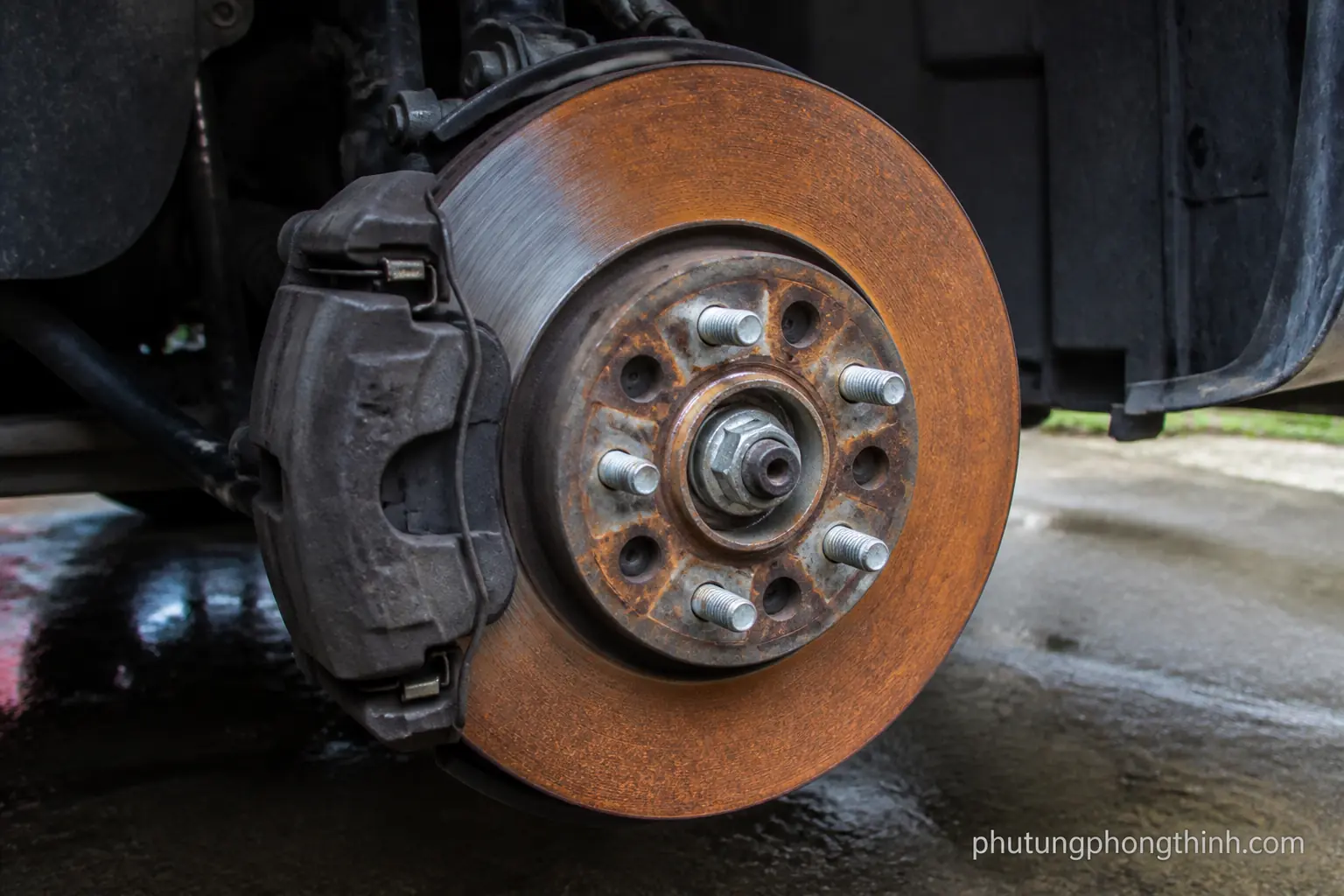
Is Rotor Rust Normal? What It Means on Your Brakes
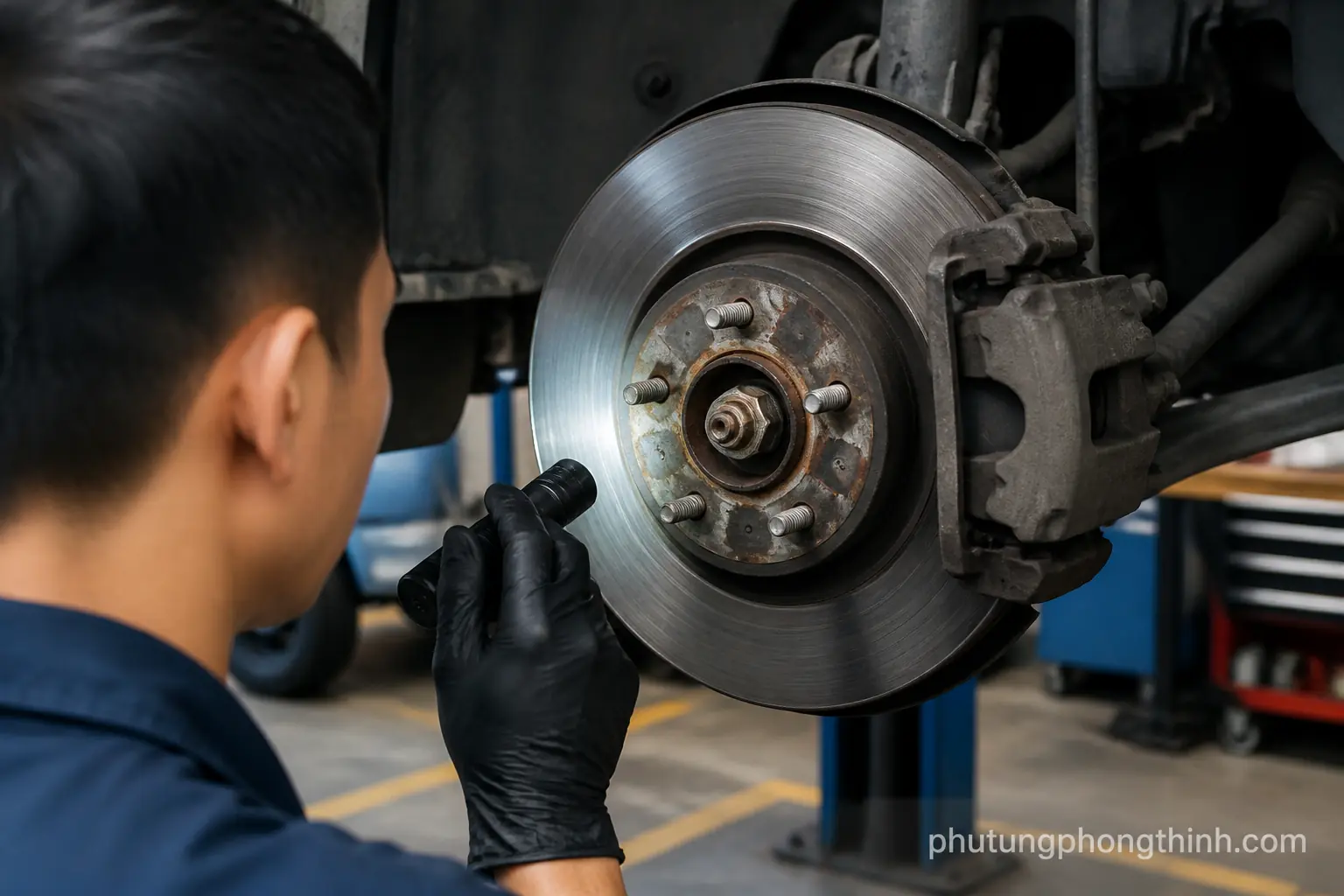
If you have been wondering is rotor rust normal, the short answer is yes, in many cases it is. Light surface rust on cast iron brake rotors is common after rain, washing, or even just sitting overnight. The pad-swept surface usually clears once you use the brakes a few times. Rust on the rotor hat or outer edge is often cosmetic, but rust on the friction surface deserves attention if it does not wipe off quickly.
Why Brake Rotors Rust So Easily
Brake rotors are usually made from cast iron, so they naturally oxidize when moisture and air are present. Overnight humidity, road salt, and long parking periods can make the rotor face look orange fast, even when the brakes are working normally. That is why brake rotor rust can appear after only a short time. The difference between normal oxidation and a real problem is whether the corrosion starts to affect braking performance.
When Light Surface Rust Is Harmless
A thin orange film on the rotor face is often nothing to worry about because the pads scrub it away during the first few stops. Small amounts of surface rust on rotors after washing or rain are expected on most vehicles, especially if the car sat parked for a while. A brief squeal or a little extra noise on the first brake application can happen before the pad-swept surface is fully clean again.
Warning Signs the Rust Is Not Normal
When rust becomes more than a light film, it can point to a brake problem rather than simple moisture exposure.
- Pitting, flaking, deep rust ridges, or uneven corrosion are red flags.
- Brake pulsation, vibration, grinding, or persistent noise can signal rotor damage.
- One rotor rustier than the others may point to a sticking caliper or seized slide pins.

How to Tell if Brake Rotors Need Replacing
A proper brake rotor inspection starts with checking thickness against the minimum specification stamped by the manufacturer. You should also look for scoring, heat spots, cracking, heavy rust scaling, or a pronounced rust ridge at the edge of the rotor. If the braking surface is uneven or below spec, the rotor should be resurfaced or replaced.

- Check rotor thickness against the minimum specification.
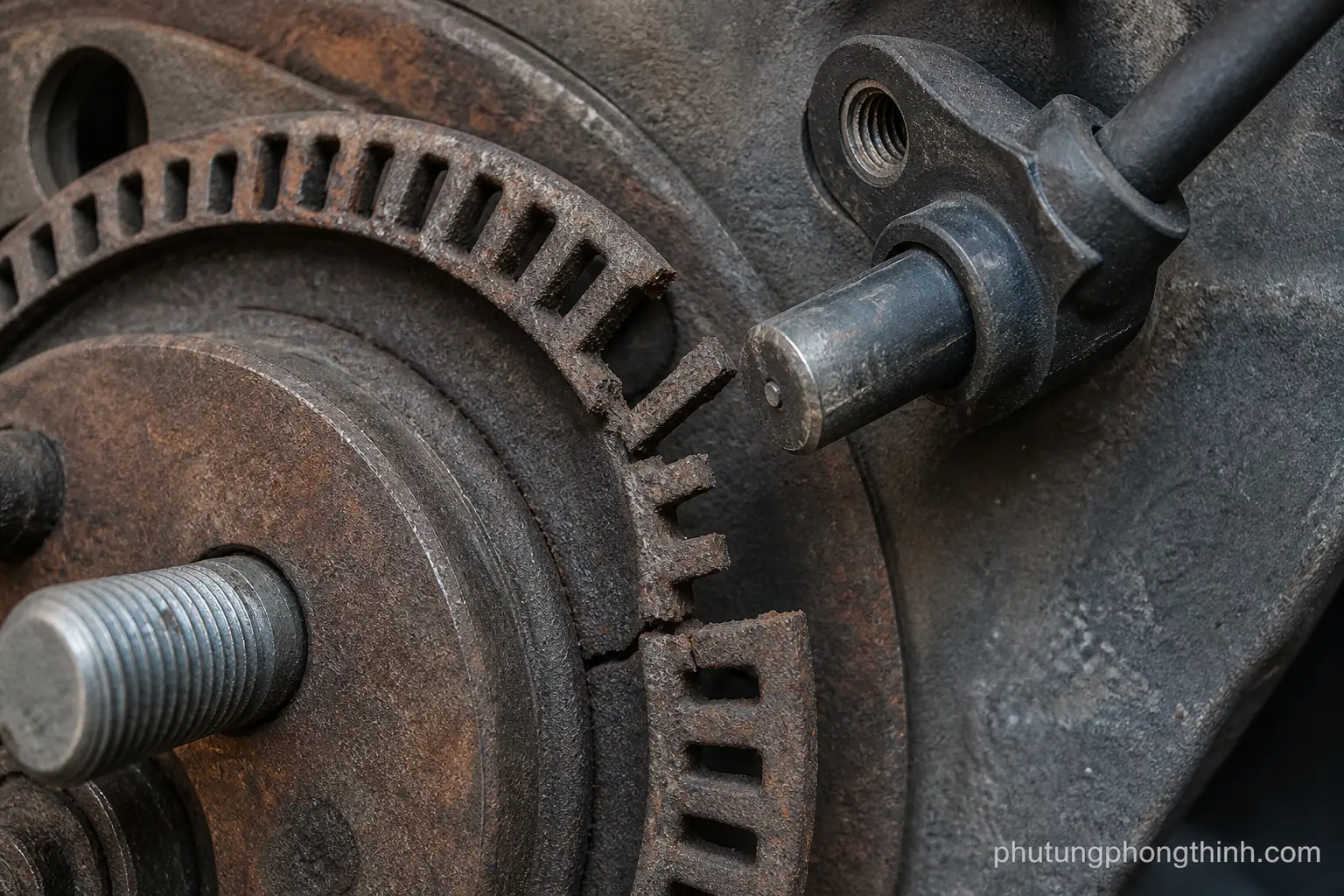
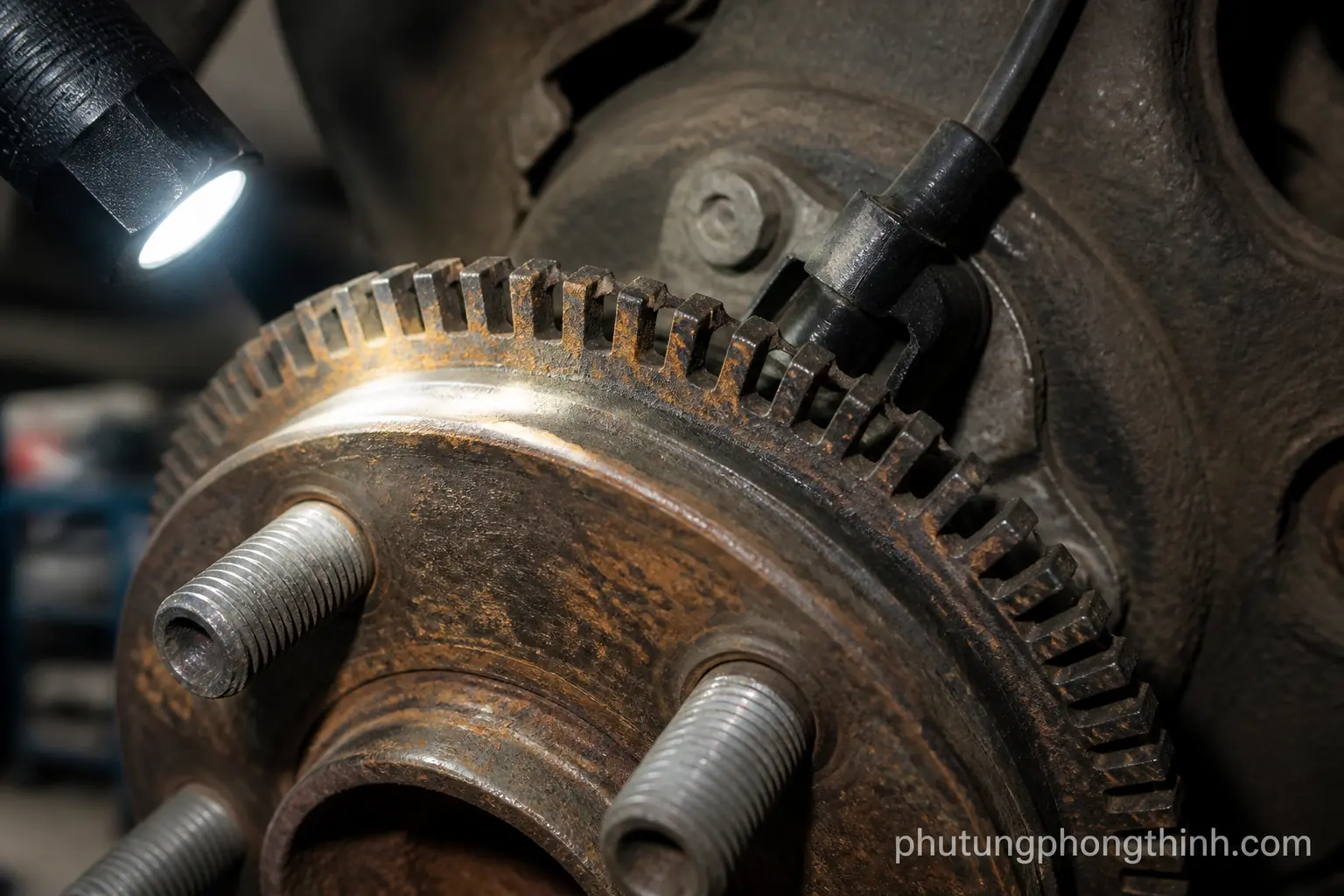
- Inspect for scoring, heat spots, cracking, and heavy rust scaling.
- Replace or resurface the rotor if the surface is uneven or below spec.
Brake Service Problems That Can Make Rust Look Worse
Sometimes the rust pattern is a clue that another brake issue is causing the problem. A sticking caliper can keep the pads dragging and create uneven corrosion, while worn slide pins or seized hardware can reduce pad contact and let rust build up on part of the rotor. In those cases, replacing brake pads and rotors together is often the better choice when wear is uneven or parts are close to their limit; it is also a good time to review proper transmission fluid service as part of overall vehicle maintenance, since a thorough service visit can catch related issues before they snowball.
How to Prevent Rotor Rust and Keep Brakes Healthy
The easiest way to limit rotor rust is to drive the vehicle regularly and use gentle brake applications after wet weather so the pads can clean the rotor face. Periodic brake inspections, hardware cleaning, and lubrication of slide pins during service also help prevent uneven wear. Prompt repair of brake issues prevents deeper corrosion and extends rotor life. Keeping up with routine drivetrain maintenance can support the same habit of staying ahead of small problems before they become bigger repairs.
- Drive regularly and apply the brakes gently after rain or washing.
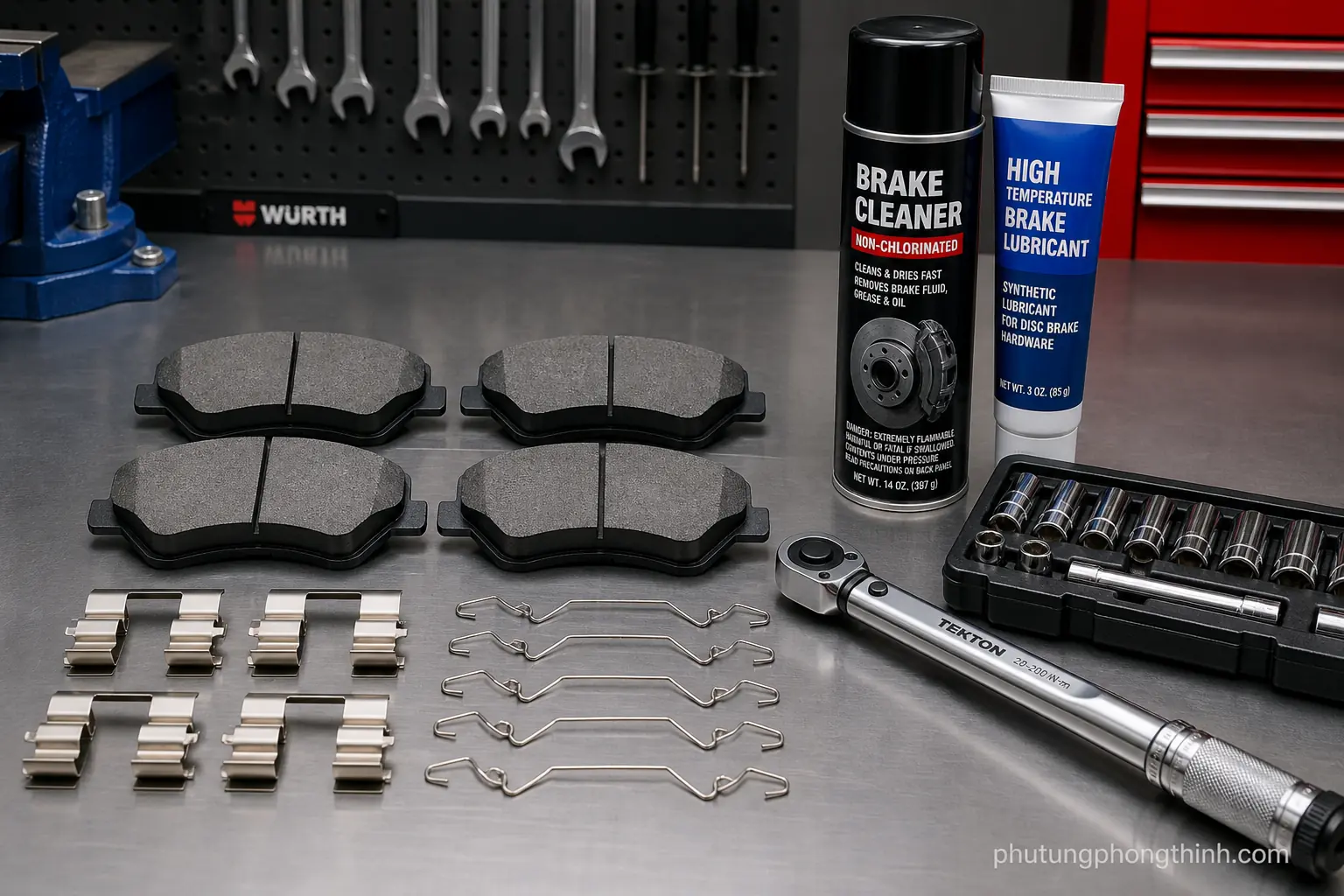
- Schedule periodic brake inspections and clean or lubricate hardware during service.
- Fix brake problems quickly to slow corrosion and extend rotor life.
FAQ: Rotor Rust and Brake Safety
Surface rust should usually clear after a few normal stops. If the rust remains after driving or keeps returning on the same spot, it is worth a closer look.
Rust on the rotor edge or hat is often cosmetic, especially if it is outside the pad contact area. Deep scaling, flaking, or a heavy rust ridge can become a service issue if it affects fitment or rotor condition.
Brakes that squeal briefly after rain are often normal while the pads wipe away moisture and rust. Noise that continues, or comes with vibration or grinding, is more likely to indicate damage or worn brake parts.
Frequently Asked Questions
How long should surface rust on rotors last?
Light surface rust should usually disappear after a few brake applications or a short drive. If the rust remains on the pad-swept surface after normal driving, that is not typical and should be inspected.
Is rust on the rotor edge or hat dangerous?
Not always. Rust on the outer edge or rotor hat is often cosmetic because those areas are outside the main braking surface. It becomes a concern if the rust is heavy, flaking, or affecting hardware and fitment.
Why are my brakes noisy after rain?
A brief squeal or light scraping noise after rain is often normal because moisture and surface rust are being cleared from the rotor face. If the noise continues, gets louder, or is paired with vibration, the brakes should be checked.
What does it mean if one rotor is rustier than the others?
One rotor being much rustier can point to a sticking caliper, seized slide pins, or another issue that is preventing normal pad contact. Uneven rust like that deserves a brake inspection.
When should brake rotors be replaced instead of cleaned up?
Replace rotors when they are below minimum thickness, heavily pitted, cracked, badly scored, or covered in scaling rust that cannot be corrected safely. If the surface is uneven or causing pulsation, replacement is often the right fix.