How to Test a Wheel Speed Sensor: 7 Clear DIY Checks
How to test a wheel speed sensor before replacing it
If you want to know how to test a wheel speed sensor, start by treating it as a full ABS diagnosis, not just a parts swap. The wheel sensor feeds the ABS, traction control, and stability control systems, so a fault can show up as an ABS light, a traction control warning, or braking that feels inconsistent on rough roads or wet pavement. The goal is to find out whether the problem is the sensor itself, the wiring, the tone ring, the hub assembly, or the ABS module.
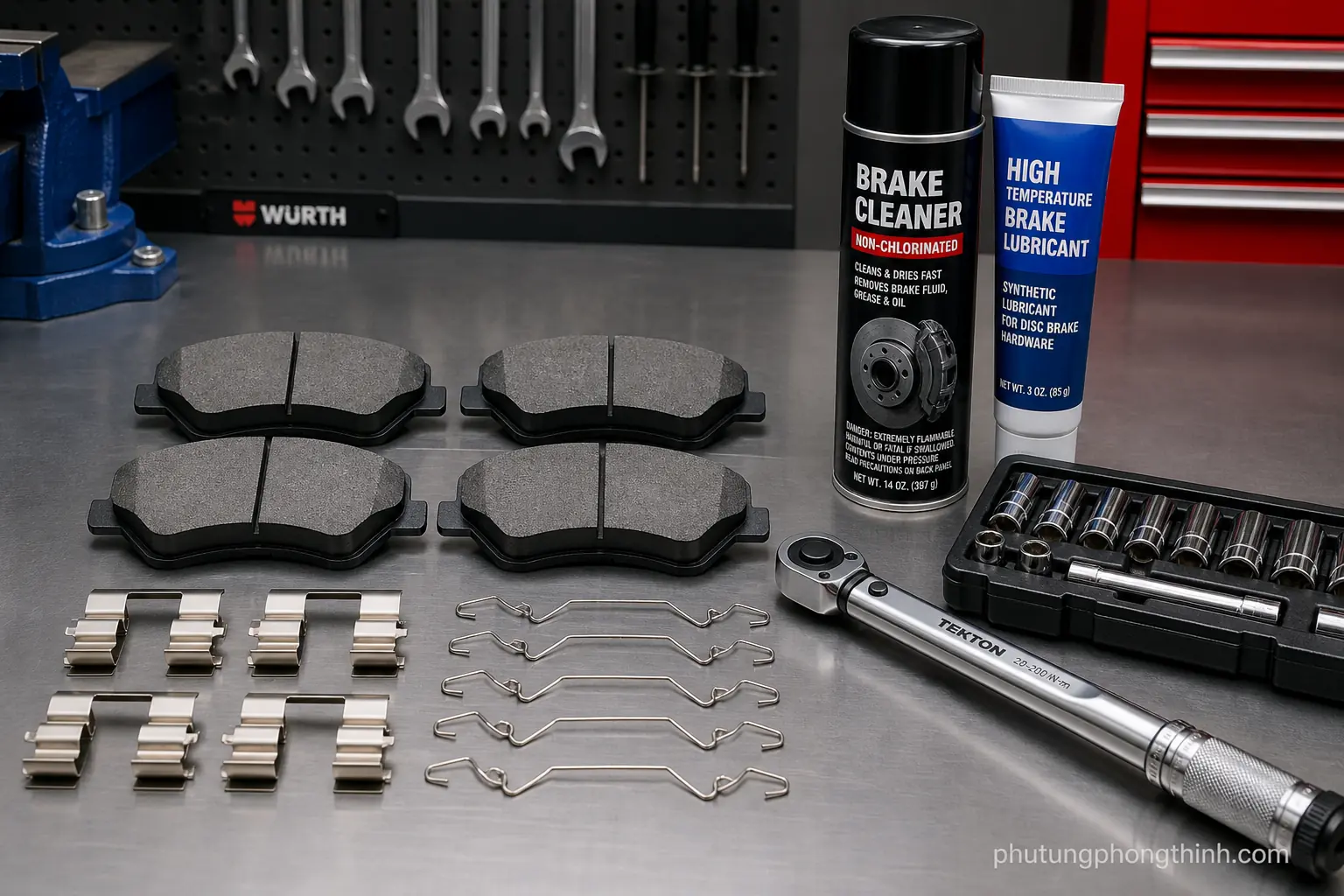
What you need for a proper ABS diagnosis
- An OBD-II scanner with live wheel-speed data or an ABS code scanner
- A jack, stands, wheel chocks, and basic hand tools
- A flashlight, multimeter, and cleaning supplies such as electrical contact cleaner
- Access to the hub assembly and the wiring connector on some vehicles
Check 1: scan for ABS codes and live wheel-speed data
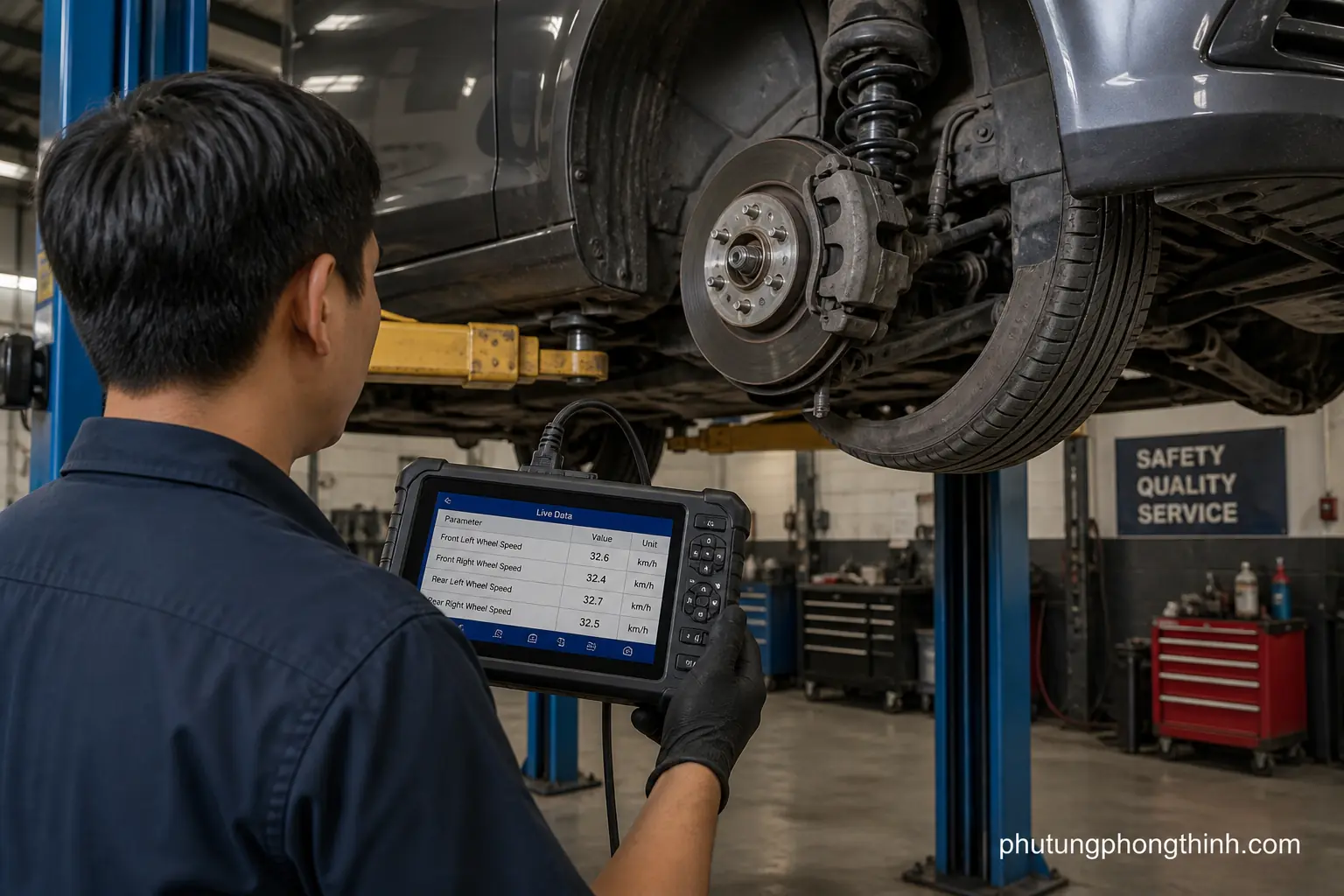
Begin with the scan tool, because ABS codes usually point you toward the affected wheel or circuit. Then review live wheel-speed data during a short road test or with the vehicle safely lifted and rotating one wheel at a time. A sensor that drops out, reads zero, or drifts far from the others often gives away the fault quickly. This step is one of the best ways to separate a bad wheel speed sensor from other ABS faults.
- Look for codes tied to one wheel or one circuit
- Compare all four wheel-speed readings side by side
- Watch for a sensor that falls to zero or spikes oddly
- Use the data to narrow the fault before disconnecting parts
Check 2: inspect the sensor, wiring, and connector
Next, inspect the sensor body and mounting area closely. A cracked sensor, loose fit, or impact damage can create an intermittent signal. Follow the harness along the suspension and knuckle and look for chafing, stretched wire, or melted insulation. At the connector, check for corrosion, bent pins, or moisture. If the terminals are dirty, use electrical contact cleaner before reassembly, and a small amount of dielectric grease can help protect the connection afterward.
- Check the sensor for cracks, looseness, or impact damage
- Inspect the harness near the suspension and knuckle for wear
- Look for corrosion, bent pins, or moisture in the connector
- Clean dirty terminals before reconnecting the harness
Check 3: test wheel speed sensor wiring with a multimeter
A multimeter helps confirm whether the circuit is intact. Depending on the vehicle and sensor design, you may measure resistance, voltage supply, or signal behavior. If the first test is inconclusive, perform a wheel speed sensor wiring test from the connector back to the ABS module to look for opens, shorts to ground, or readings that change when the harness is moved. Keep in mind that some active sensors need power and ground verification rather than a simple resistance check.
- Measure resistance or signal behavior based on the sensor type
- Trace the circuit back to the ABS module if needed
- Check for opens, shorts, and unstable readings while flexing the harness
- Verify power and ground on active sensors
Check 4: inspect the tone ring, hub assembly, and wheel bearing
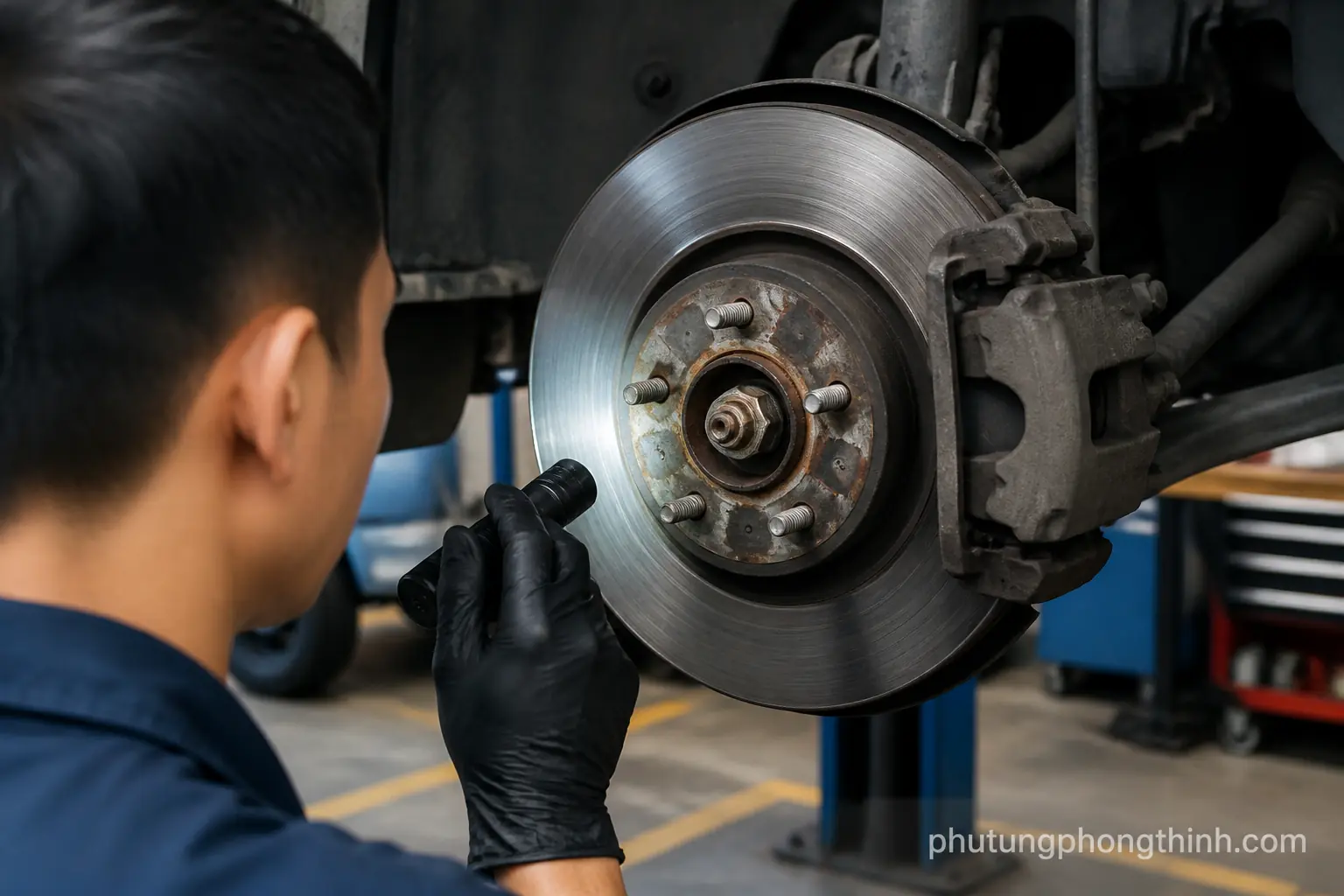
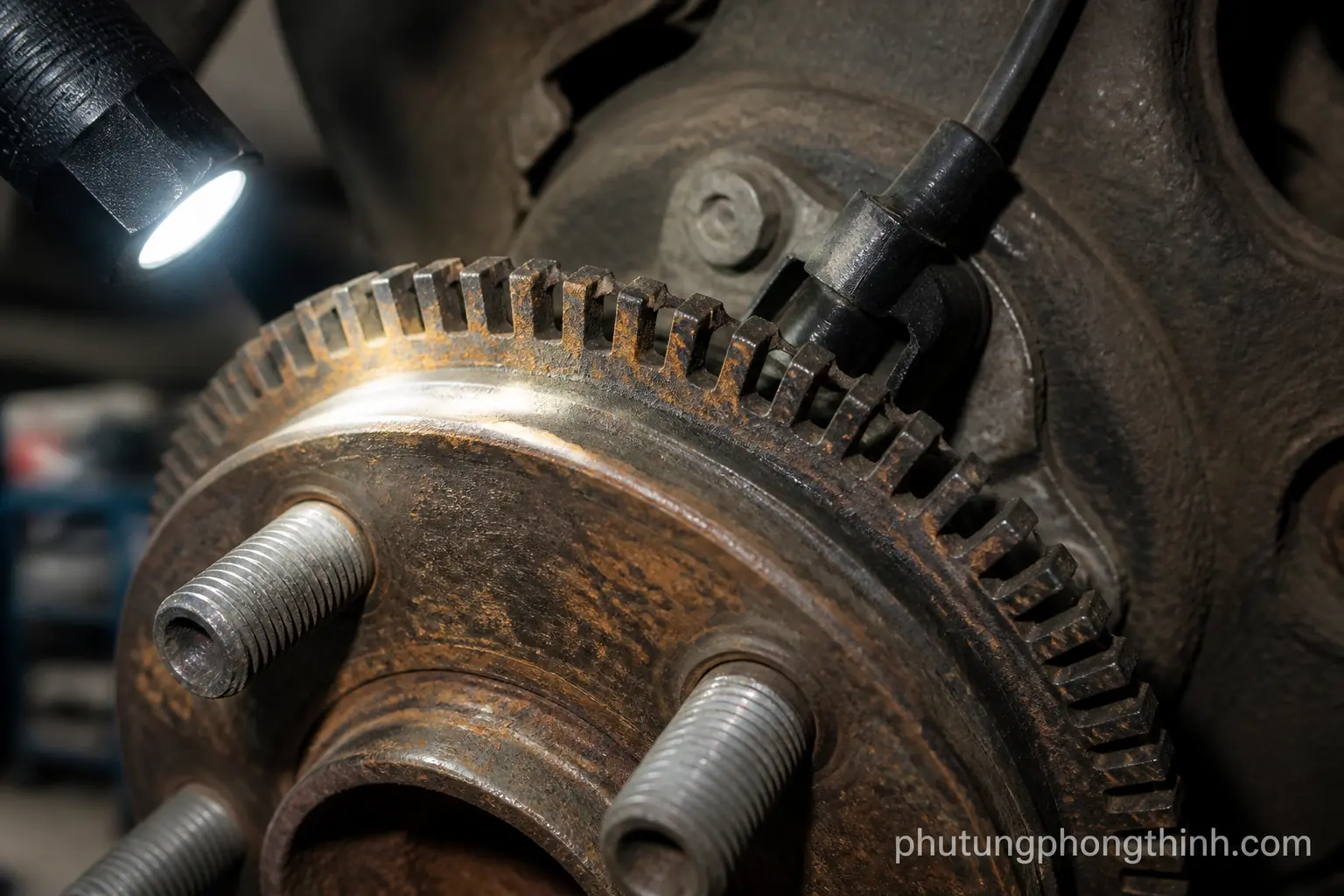
Not every ABS fault comes from the sensor. A cracked, rust-swollen, or missing-tooth tone ring can interrupt the signal and mimic sensor failure. Debris buildup or metal damage around the ring can do the same. Also check wheel bearing play, because a loose bearing changes the sensor air gap as the wheel turns. On many vehicles, hub assembly wear creates tone ring damage symptoms and false sensor readings that look electrical at first glance.
Check 5: compare symptoms to the likely failure point
Once you have the scan data and visual inspection results, match the symptoms to the most likely cause. A noise from the wheel area suggests bearing trouble, while a fault that appears after hitting bumps or driving in rain often points to wiring or connector issues. If the problem shows up only at low speed, that can be useful too. A single-wheel fault usually points to the sensor, wiring, or tone ring, while multiple-wheel problems raise suspicion about the ABS module or a broader electrical issue.
- Separate sensor faults from bearing noise, wiring faults, and module issues
- Note whether the problem is intermittent over bumps or in wet weather
- Watch for low-speed-only failures that point to a weak signal
- Use single-wheel versus system-wide symptoms to narrow the cause
When to replace the sensor, hub, or ABS module
Replace only the part that the tests actually support. If live data, wiring checks, and inspection all point to one sensor, that is the cleanest repair. When the sensor is built into the hub, replacing the hub assembly may be the right fix. If codes keep returning on multiple wheels or communication problems continue after basic checks, the ABS control unit may be the real issue. In every case, use the correct OEM fitment for the vehicle so the repair matches the diagnosis.
| Test result | Most likely fix | Why |
|---|---|---|
| One wheel drops out in live data | Sensor or wiring repair | The fault is isolated to one circuit |
| Integrated sensor with bearing play | Hub assembly | The sensor and bearing are part of the same unit |
| Multiple-wheel or communication faults | ABS module | The problem is broader than a single wheel sensor |
If the diagnosis points to a rear sensor on a compatible truck or SUV, an OEM rear ABS sensor may be the right replacement. When the fault keeps returning after sensor and wiring checks, a replacement ABS module can be the next logical step.
FAQ: wheel speed sensor testing questions
Here are a few common questions people ask after learning how to test a wheel speed sensor.
Frequently Asked Questions
Can you test a wheel speed sensor without a scanner?
Yes, but your diagnosis is more limited. You can inspect the sensor, wiring, connector, tone ring, and wheel bearing, and you can use a multimeter to check the circuit. A scanner with live wheel-speed data is still the fastest way to spot a sensor that drops out under real driving conditions.
What resistance reading should a wheel speed sensor have?
It depends on the sensor type and the vehicle. Some passive sensors can be checked with resistance, while many active sensors need power, ground, and signal testing instead. Always follow the service information for the exact vehicle before deciding a reading is good or bad.
Why does the ABS light come on and go off intermittently?
An intermittent ABS light usually means the fault appears only under certain conditions, such as bumps, rain, steering input, or low speed. That often points to a damaged wire, dirty connector, weak sensor signal, or a tone ring problem rather than a completely dead sensor.
Can a bad wheel bearing cause ABS codes?
Yes. Excessive wheel bearing play can change the sensor air gap and disturb the wheel-speed signal. A worn bearing may also create noise and vibration that make the ABS system misread wheel speed.
Should you clear codes before or after the repair?
Clear codes after the repair, then road test the vehicle and recheck live data. If the fault returns, that tells you the underlying problem is still present and needs further diagnosis.