How to Test a Bad Brake Hose: 7 DIY Checks That Work
How to test a bad brake hose: the signs to look for first
If you are trying to figure out how to test a bad brake hose, start by watching for the symptoms that most often point to a restriction in the hydraulics. A collapsed brake hose or swollen brake hose can act like a one-way valve, holding pressure in the line even after you release the pedal.
The usual clues are a dragging brake, a soft brake pedal, uneven pad wear, or one wheel that runs hotter than the others after a short drive. Those signs can also look like caliper trouble, so the goal here is to isolate trapped hydraulic pressure before you start replacing parts.
Check for wheel drag and heat differences
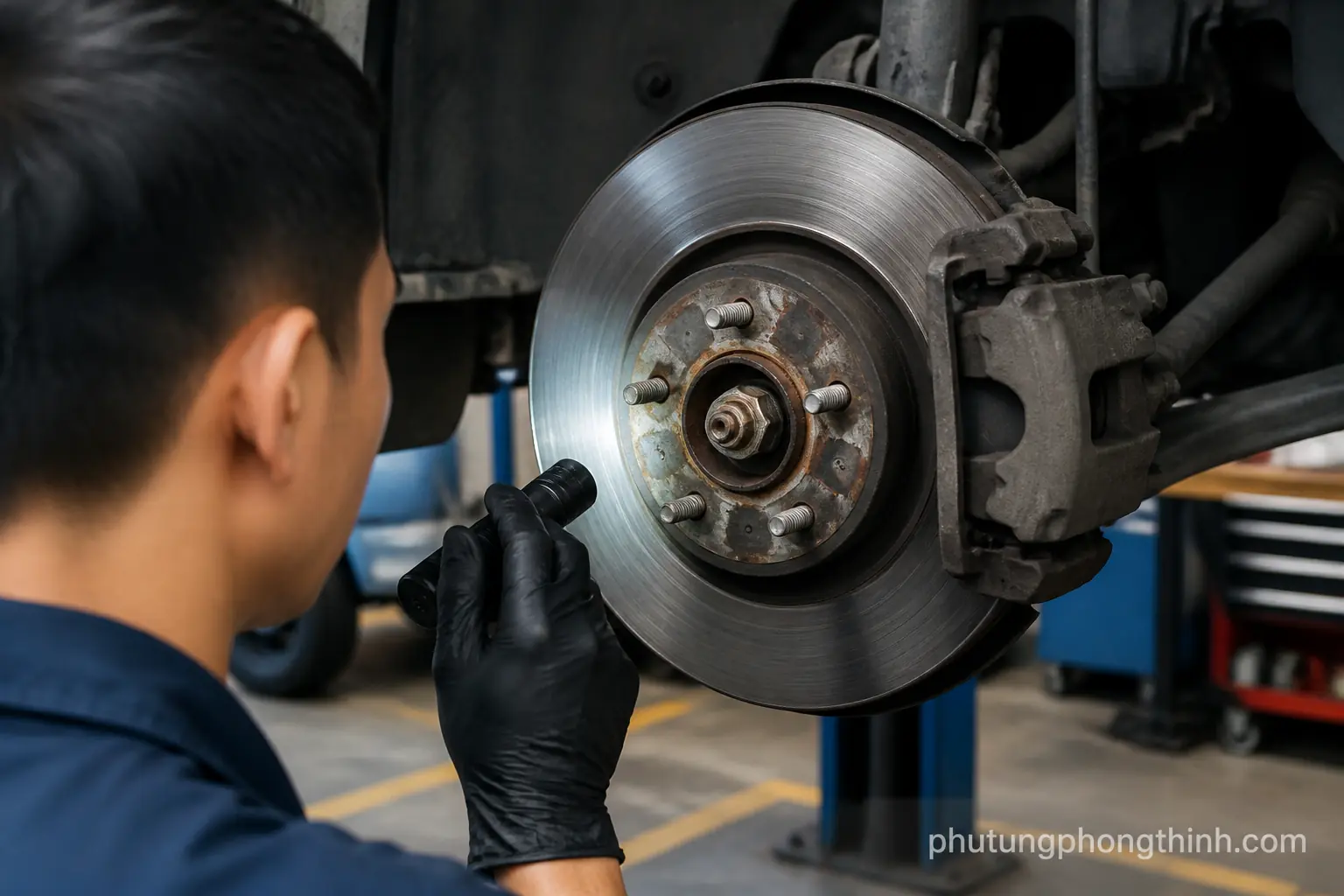
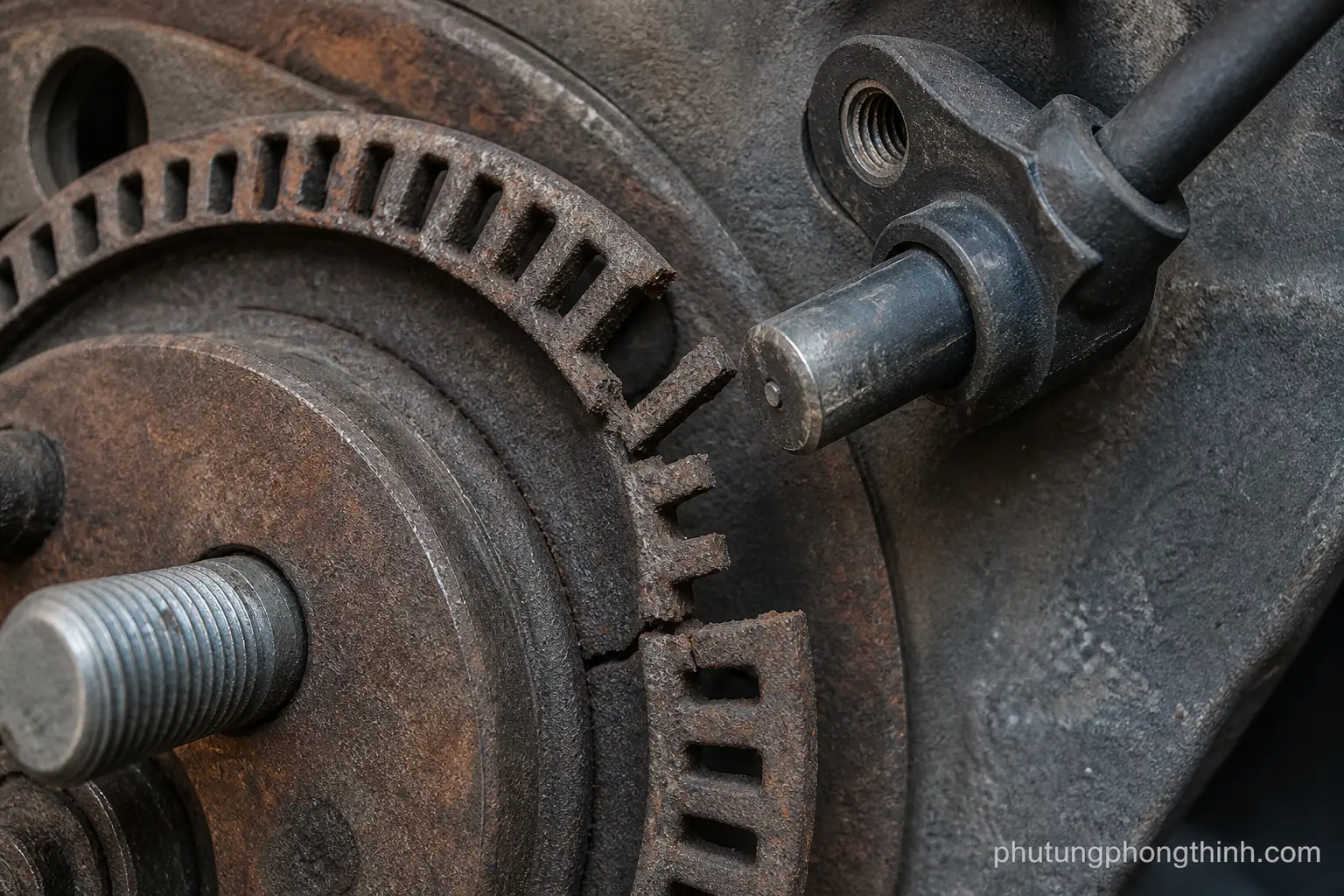
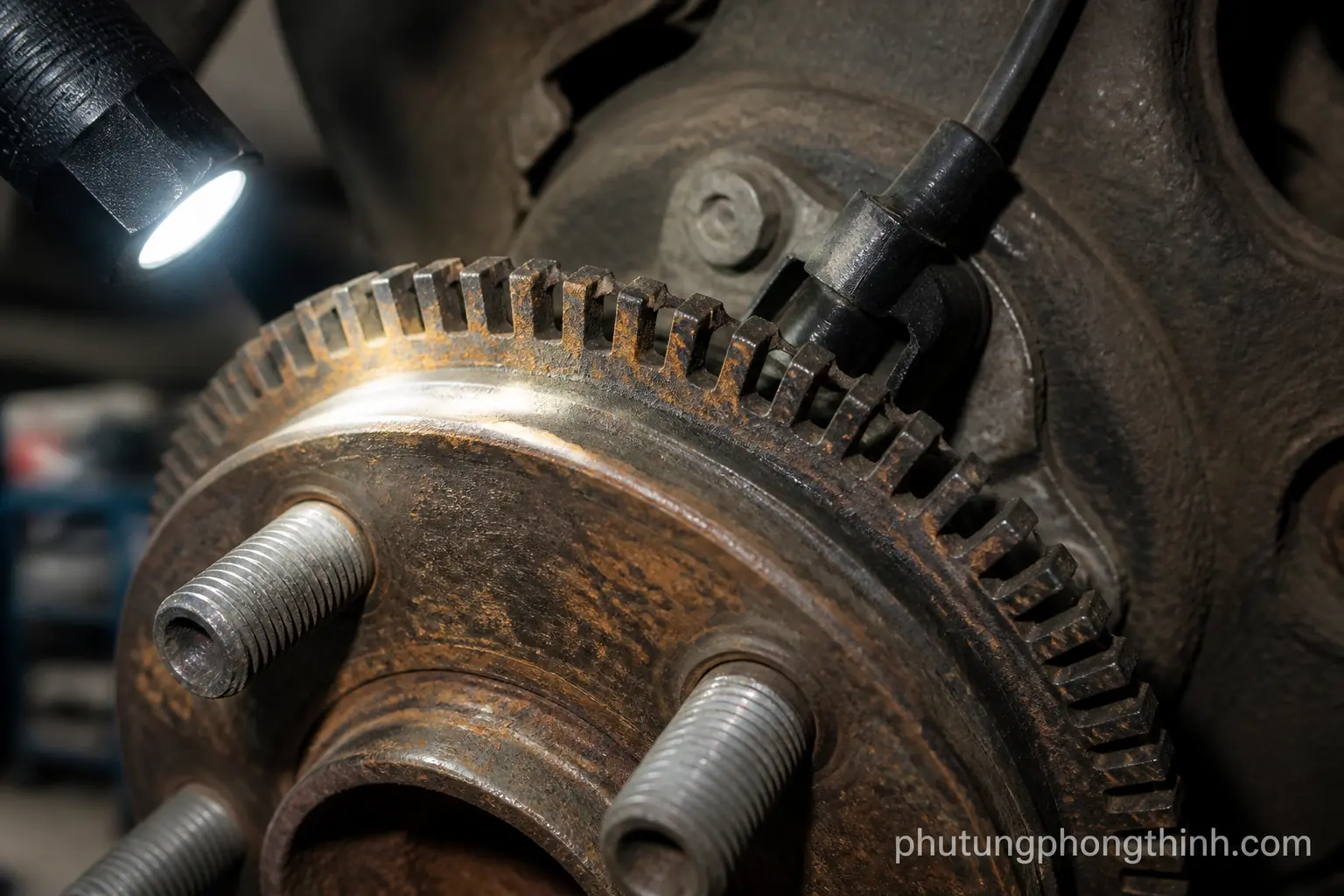
The quickest driveway check is to safely lift the vehicle and compare how each wheel turns by hand. One wheel that does not spin as freely as the others can point to brake drag, but it can also hint at a related issue in the hub or bearing. After a short drive, use a wheel temperature comparison to see whether one brake wheel is hotter than the others; that mismatch often shows up before the problem gets severe. If you are already checking the corner closely, it can also make sense to inspect the front hub assembly for anything that could add drag or mask the real cause.
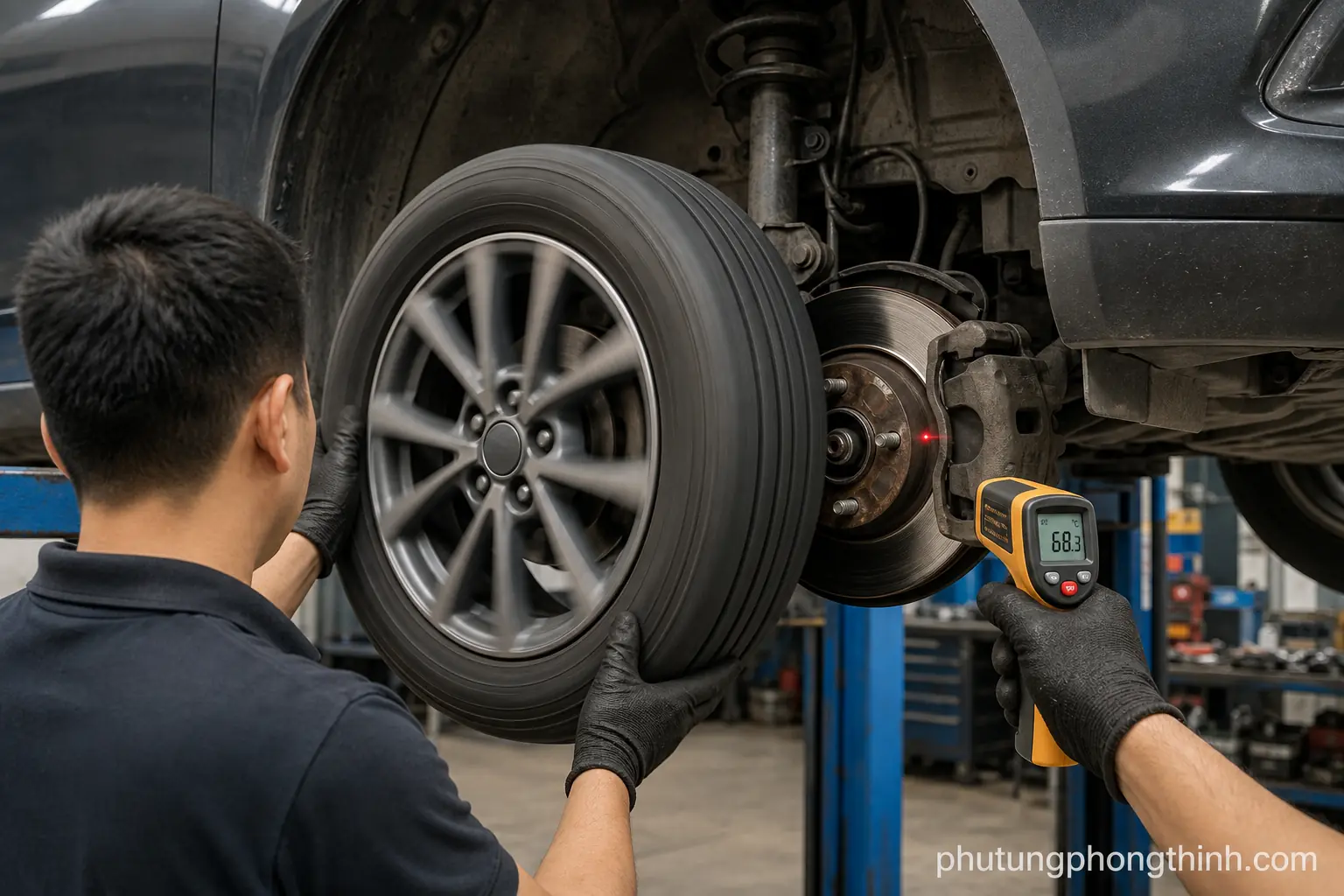
A dragging brake that stays on after a release event is a strong clue that pressure is not getting out of the circuit normally. That does not automatically prove the hose is bad, but it does tell you where to keep testing.
Inspect the hose for swelling, cracking, and external damage
Visible damage does not always mean the hose has failed internally, but it gives you important context. Look closely for bulges, soft spots, cracks, abrasion, or brake fluid seepage around the fittings, since these can all signal a hose that is weakening from the outside in.

A swollen brake hose can look normal at rest and still expand under pedal pressure, which is why hose diagnosis is not just about appearance. Age, heat, and road debris can weaken the rubber even when the hose still passes fluid.
- Check for bulges or soft spots along the hose length.
- Inspect for cracks, rubbing, and abrasion near clips and steering points.
- Look for dampness or seepage at the banjo bolt or flare fitting.
Do a trapped pressure test at the caliper bleeder screw
The most decisive DIY check is the brake bleeder screw test. With the wheel dragging, crack open the caliper bleeder screw briefly and watch what happens. If the wheel frees up right away and you get a strong fluid squirt, that points to trapped hydraulic pressure upstream of the caliper.
That result is useful because it helps separate a blocked hose from a seized caliper piston. If pressure releases at the bleeder and the wheel spins again, the hose is a much stronger suspect than the caliper itself.
Separate hose problems from caliper or brake line faults
A bad hose can look a lot like other brake faults, so comparison matters. When you are asking how to tell if a brake caliper is bad or whether you are dealing with symptoms of a stuck brake caliper, the key difference is how the pressure behaves when you open the bleeder and whether the drag returns immediately afterward.
If the symptoms keep coming back even after a hose check, you may need to move farther upstream and learn how to test a brake line for blockage. The brake bleeder screw test is a strong clue, but it does not prove every possible fault in the hydraulic path.
- If the wheel frees up at the bleeder, trapped pressure is likely.
- If the wheel stays stuck, the caliper piston or pads may be the issue.
- If drag returns after a short drive, keep tracing the full brake circuit.
| Test result | What it suggests | What it does not prove |
|---|---|---|
| Wheel frees up after opening the bleeder | Trapped pressure in the hose or line | Exactly which hose section has failed |
| Wheel remains tight | Possible caliper, pads, or mechanical drag | That the hose is healthy |
| Pressure returns after driving | Intermittent restriction or caliper issue | A single failed part without further testing |
When to replace brake hoses and what to do next
Replacement is the right answer when you have confirmed trapped pressure, visible hose damage, or repeated dragging brake symptoms that keep coming back. If the hoses on one axle are the same age and wear pattern, it is usually smart to replace them in pairs.
After the repair, bleed the brakes, recheck pedal feel, verify wheel spin by hand, and look for leaks before driving normally. If everything feels right and the wheel temperatures stay even, the diagnosis was on target. If you still notice brake problems, keep testing before you assume the issue is solved. If you are sorting parts after the repair, it is also worth remembering that a headlight control module has nothing to do with the brake hydraulics, so keep the diagnosis focused on the system that caused the drag.
Frequently Asked Questions
Can a bad brake hose cause a soft brake pedal?
Yes. An internally damaged hose can restrict fluid flow and create odd pedal behavior, including a soft or inconsistent pedal feel. That said, a soft pedal can also come from air in the system, a master cylinder issue, or a leak, so the hose should be tested along with the rest of the hydraulic system.
What is the fastest way to confirm a collapsed brake hose?
The fastest check is usually the trapped pressure test at the caliper bleeder screw. If the wheel is dragging and it frees up as soon as the bleeder is opened, pressure is being held in the line or hose. That is one of the strongest signs of an internal restriction.
How do I know if the problem is the hose or the caliper?
If opening the bleeder releases the drag, the hose or upstream line is more likely. If the wheel stays tight even with the bleeder open, the caliper piston, pads, or another mechanical issue is more likely. You need to compare the result with the rest of the brake diagnosis, not one symptom alone.
Should brake hoses be replaced in pairs?
Usually yes, especially when the hoses on the same axle have similar age and wear. Replacing them in pairs helps keep braking behavior even from side to side and reduces the chance that the other hose fails soon after the first one.
What symptoms mean I should stop driving and inspect the brakes?
A wheel that gets much hotter than the others, strong brake drag, a sudden change in pedal feel, or visible fluid seepage are all reasons to inspect the brakes right away. If the wheel is locking or the drag is severe, avoid driving until the cause is found.