How to Tell if Water Pump Is Bad: 7 Signs & Tests
How to Tell if Water Pump Is Bad: Start With the Most Common Signs
If you are trying to figure out how to tell if water pump is bad, start by looking for a pattern instead of relying on one symptom alone. A failing water pump usually shows up as engine overheating, a coolant leak, a growling noise, or poor coolant circulation, and those clues often appear together. The challenge is that similar symptoms can also come from a thermostat stuck closed, a radiator cap problem, or a radiator fan issue, so the goal is to narrow it down before replacing parts.
7 Signs of a Bad Water Pump
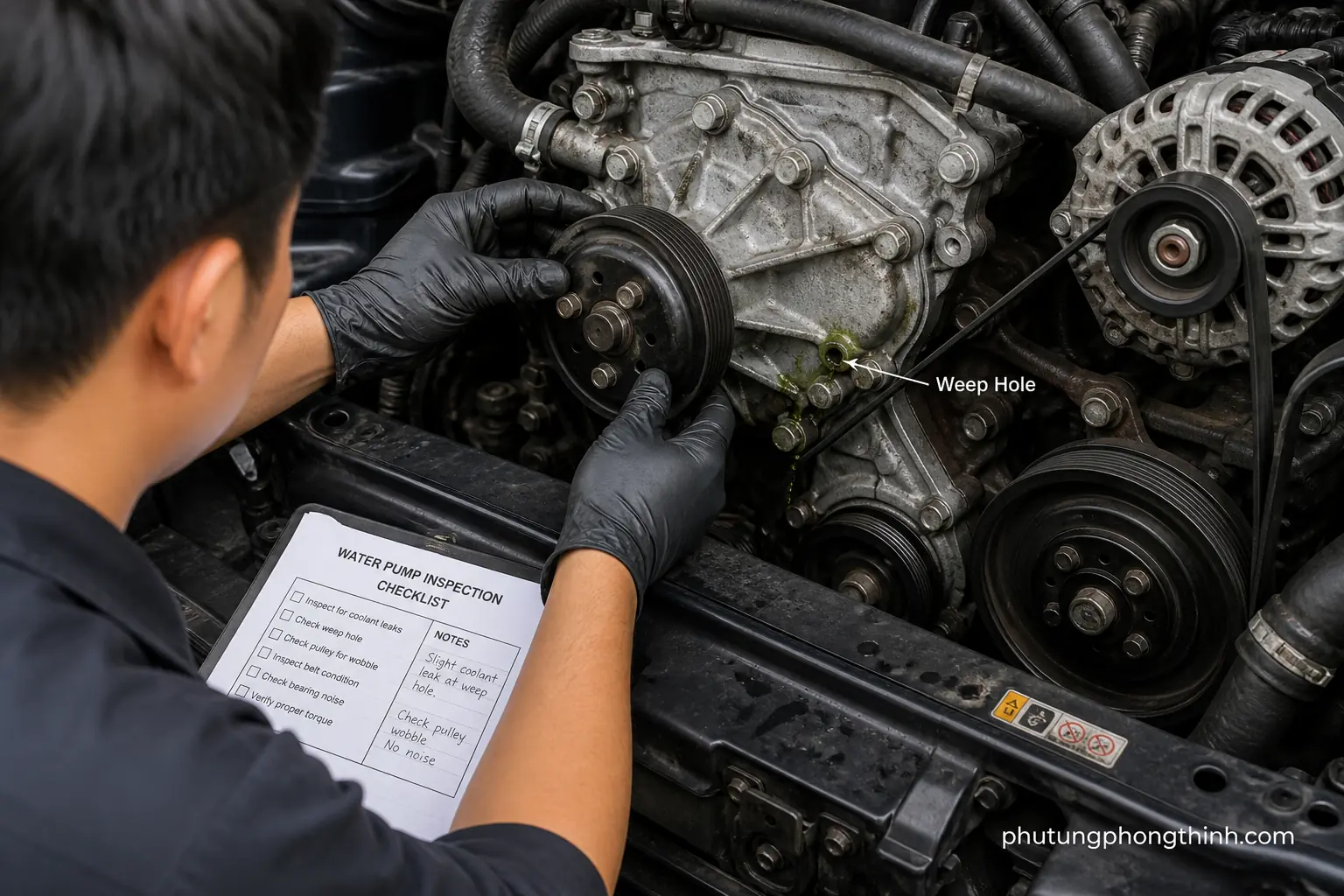
- Coolant leaking from the weep hole or pump housing
- Pulley wobble or bearing play at the pump shaft
- Growling or grinding noise from worn bearings
- Engine overheating, especially at idle or under load
- Steam, sweet smell, or visible coolant loss near the front of the engine
- Loose or damaged serpentine belt affecting pump drive
- Poor coolant circulation signs such as weak heater output or temperature swings
How to Check the Water Pump for Failure
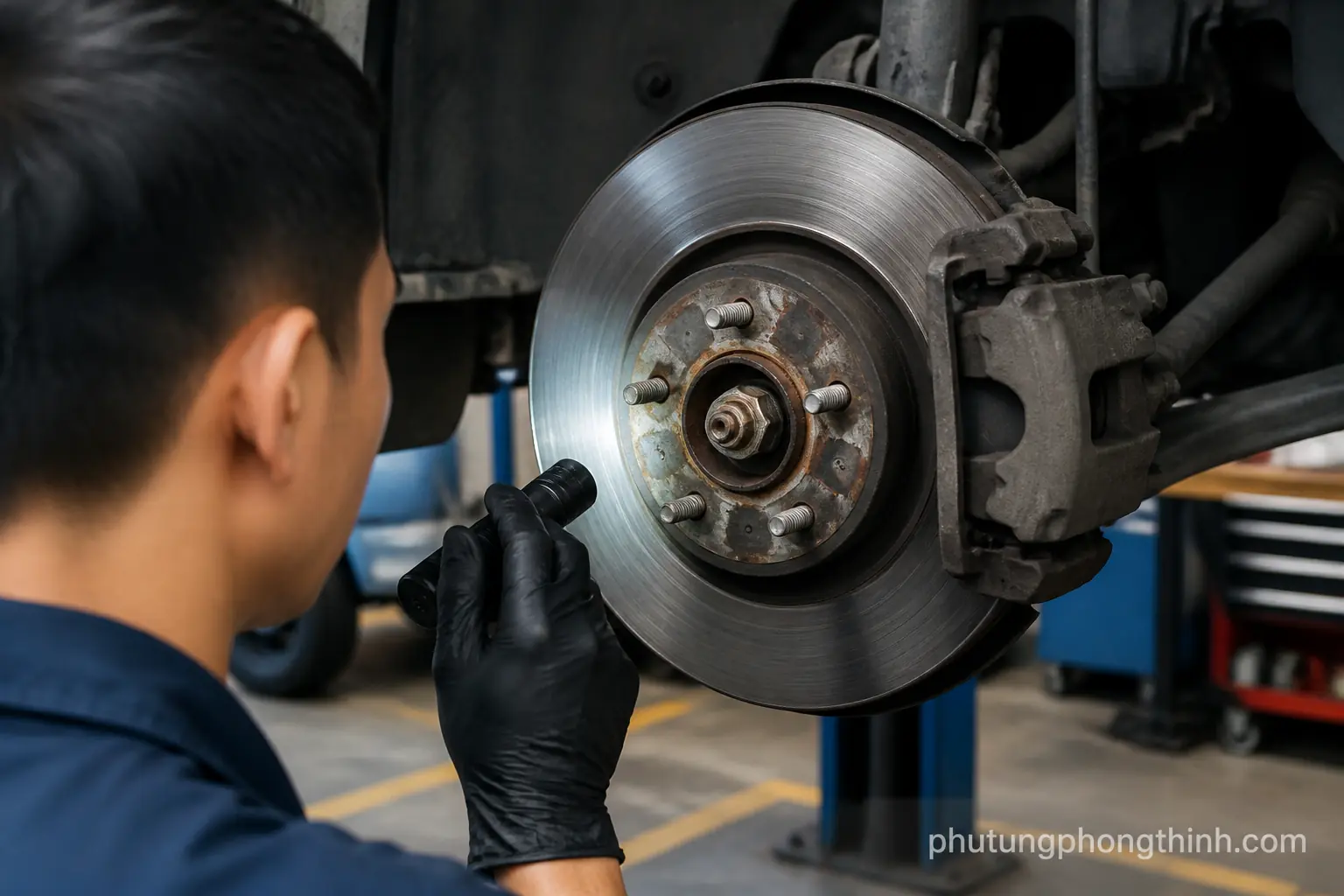
Begin with a visual inspection around the pump housing, looking for crusty coolant residue, fresh drips, or staining at the weep hole. Then, with the engine off, check for pulley wobble and bearing play by gently moving the pump pulley by hand. If the engine is running, listen for a growling noise or grinding sound and note whether it changes with RPM. On belt-driven pumps, confirm that the serpentine belt is in good condition and properly tensioned. If the vehicle uses an electric water pump, mechanical wobble may not tell you much, so leak checks and scan-data confirmation matter more.
For a deeper diagnosis, compare what you find with a full cooling system check. That can help separate pump failure from other common car cooling system problems before you commit to a repair.
Pressure Test and Cooling System Checks to Confirm the Problem
A pressure tester is one of the best ways to confirm whether the water pump is the source of the leak or whether another component is causing pressure loss. If the system drops pressure and coolant appears around the pump, hoses, or nearby fittings, you may have found the issue. A weak radiator cap can also cause pressure loss that looks like a water pump leak test result, so it is worth checking as part of the diagnosis. If the engine shows thermostat stuck closed symptoms, such as rapid overheating and weak coolant circulation, that problem can closely resemble a bad pump. And if overheating happens mostly at idle, look for radiator fan not working symptoms as well.

Once you have pressure and leak information, it is easier to separate a pump fault from broader engine overheating causes. In some cases, the real clue is a weak cap rather than the pump itself, which is why a proper system check saves time and money.
At that point, a replacement reservoir cap may be worth considering if the pressure test points to cap-related pressure loss, and a cooling fan resistor can matter when idle overheating suggests a fan-speed control issue instead of a pump failure.
When to Replace the Water Pump and Related Parts
- Replace the pump if leakage, bearing noise, or shaft play is confirmed
- Inspect the serpentine belt, tensioner, and pulleys at the same time
- Follow timing belt water pump service if the pump sits behind the timing cover
- Move quickly if overheating keeps returning or coolant loss is rapid
If the pump is clearly failing, do not wait long. Repeated overheating can damage the engine, and rapid coolant loss can turn a manageable auto repair into a much larger one.
Water Pump Replacement Cost and Repair Tips
Water pump replacement cost depends on the vehicle, the type of pump, and how easy it is to reach. Timing-belt-driven jobs usually cost more than external belt-driven pumps because the labor is more involved. Before buying parts, confirm whether your vehicle uses a conventional or electric water pump so you do not order the wrong component. After installation, refill with the correct coolant and bleed the system carefully to remove trapped air and restore normal coolant circulation.
FAQ: Bad Water Pump Symptoms and Tests
Can a bad water pump leak without overheating?
Yes. A pump can leak through the weep hole or housing before it loses enough flow to cause overheating, especially on shorter trips or in cooler weather.
How long can you drive with a failing water pump?
Not long. If the engine is overheating, the safe answer is to stop driving as soon as possible and get the cooling system checked before more damage occurs.
Will a pressure test always reveal a bad pump?
No. A pressure test is very useful for finding external leaks, but some pump failures are intermittent or only show up when the engine is running.
How do electric water pump symptoms differ from belt-driven pump symptoms?
Electric pumps may not show pulley wobble or bearing noise, so diagnosis relies more on leak checks, scan data, and temperature behavior than on mechanical inspection.
Frequently Asked Questions
Can a bad water pump leak without overheating?
Yes. A pump can leak through the weep hole or housing before it loses enough flow to cause overheating, especially on shorter trips or in cooler weather.
How long can you drive with a failing water pump?
Not long. If the engine is overheating, the safe answer is to stop driving as soon as possible and get the cooling system checked before more damage occurs.
Will a pressure test always reveal a bad pump?
No. A pressure test is very useful for finding external leaks, but some pump failures are intermittent or only show up when the engine is running.
How do electric water pump symptoms differ from belt-driven pump symptoms?
Electric pumps may not show pulley wobble or bearing noise, so diagnosis relies more on leak checks, scan data, and temperature behavior than on mechanical inspection.