How to Tell If Radiator Is Clogged: 7 Clear Tests
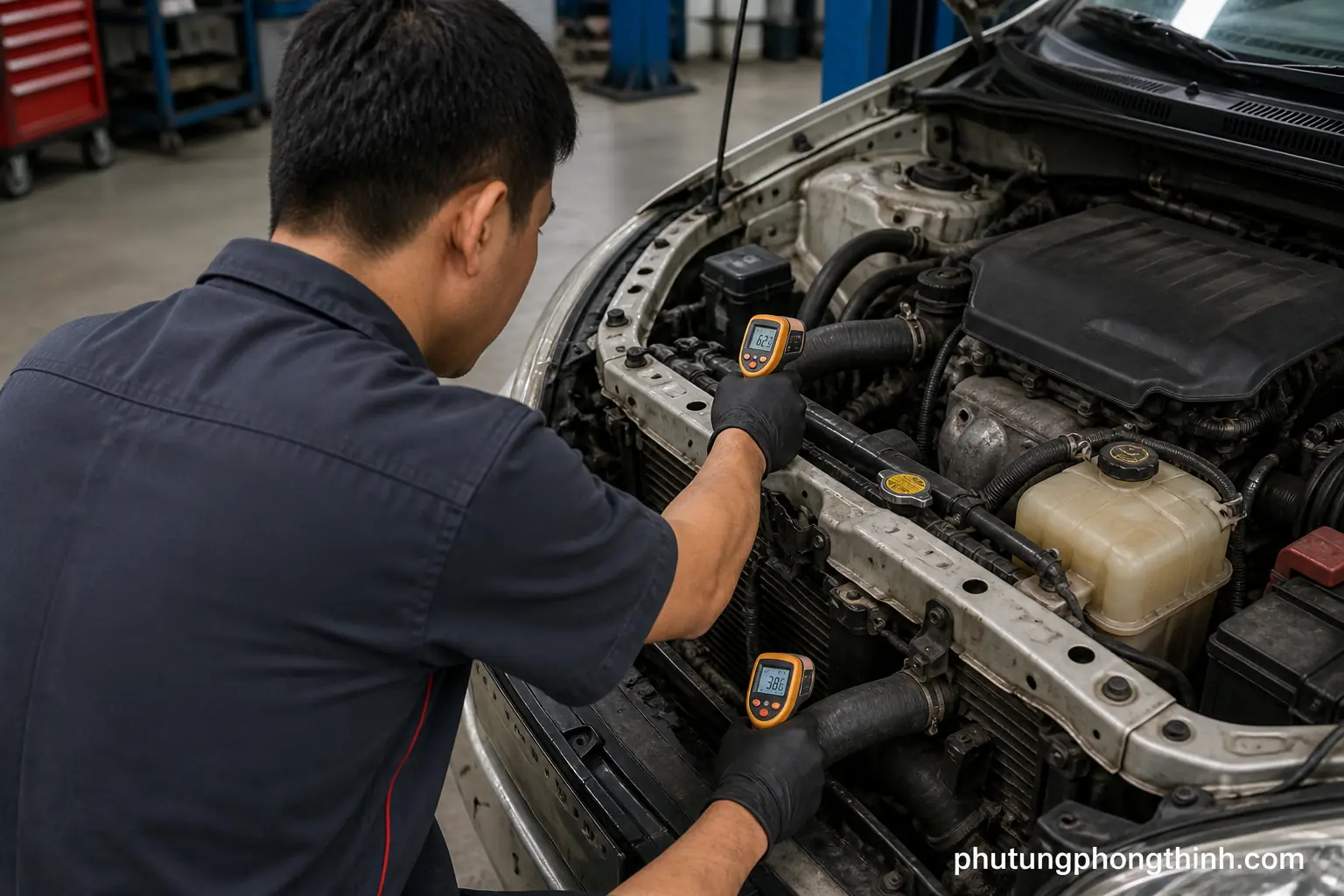
How to Tell If Radiator Is Clogged: the first warning signs
If you are trying to learn how to tell if radiator is clogged, the earliest clues usually show up as changes in engine temperature and heater performance before any tools come out. A restricted coolant flow problem often starts with overheating at idle or in traffic, then moves into temperature swings, weak cabin heat, and coolant level changes that do not make sense from a simple leak alone.
Those symptoms matter because a clogged radiator does not usually fail in one clean break. Instead, the cooling system loses efficiency in stages as heat transfer gets worse, so the engine may run hot one minute and seem almost normal the next. That pattern points more toward restricted coolant flow than a single isolated issue.
7 clear tests for a clogged radiator
The best way to confirm a clogged radiator is to combine several checks in order, starting with the easiest and moving toward more diagnostic tests. A radiator with blockage often shows cold spots, uneven hose temperatures, and poor heat transfer, and an infrared thermometer can make those differences much easier to see.
Keep in mind that some of these checks can also reveal external blockage, thermostat trouble, or another cooling system issue. Use the whole pattern, not one symptom by itself, to decide whether the radiator is the real problem.
- Start with the simplest visual and temperature checks.
- Look for cold spots, uneven hose temperatures, and weak heat output.
- Use an infrared thermometer if you want a clearer picture of coolant flow.
- Rule out external blockage and related cooling system faults before replacing parts.
1) Check for cold spots across the radiator core
Once the engine is cool, you can carefully check the radiator surface by touch, though an infrared thermometer is usually the safer and more accurate choice. What you want to find are sections of the core that stay much cooler than the surrounding metal after the engine has warmed up.
Clusters of cold spots often point to blocked tubes inside the radiator, which means coolant is not flowing evenly through the core. That is different from a radiator that is warm across the whole surface but still cooling poorly because airflow is restricted. In other words, cold spots suggest an internal clog, while a uniformly warm radiator with overheating may point elsewhere.
2) Compare upper and lower radiator hose temperatures
The upper radiator hose is usually hotter than the lower hose because hot coolant enters the top of the radiator and gives up heat as it passes through. If the temperature drop is unusually small, the radiator may not be transferring heat well enough.
A lower hose that stays too cool can mean restricted flow, but it can also happen with thermostat problems, so this check should be treated as one clue rather than a final answer. The goal is to see whether coolant is moving through the radiator and losing heat the way it should.
3) Look for uneven heating with an infrared thermometer

An infrared thermometer gives you a better view of temperature differences than touch alone. Scan the radiator from top to bottom in a simple grid pattern and watch for sharp breaks between neighboring areas instead of a smooth temperature change.
A healthy radiator usually shows a gradual drop in temperature as coolant moves through the core. If you see sudden hot and cold patches, that pattern can indicate radiator flow restriction inside the core. It also helps separate internal clogging from external blockage on the fins, since airflow problems tend to affect the whole face more evenly.
4) Inspect the radiator fins for external blockage

Not every overheating radiator is clogged inside; sometimes the problem is external blockage at the fins. Leaves, dirt, bugs, bent fins, and packed road grime can all limit airflow and mimic the same symptoms you would expect from restricted coolant flow.
If the core itself is fine, cleaning the radiator fins may restore cooling right away. Use gentle methods, avoid high pressure that can flatten the fins, and work carefully so you do not make the airflow problem worse. In a crowded underhood area, it also helps to protect nearby brake hardware and other parts that need to stay clean and reliable.
5) Watch the overflow tank and coolant condition
The overflow tank can tell you a lot about coolant condition. Rusty, sludgy, oily, or muddy coolant may point to contamination that can plug narrow radiator passages and reduce flow through the system.
Also watch what happens as the engine warms up. Coolant should move and return normally, without repeated bubbling or constant pushing out of the tank. If it does not, the problem may be part of a broader cooling system issue rather than the radiator alone.
6) Rule out thermostat, radiator cap, and water pump problems
Before you decide the radiator is clogged, make sure another part is not creating the same symptoms. A stuck thermostat can cause overheating that looks very similar to radiator blockage, and a weak radiator cap can change system pressure enough to affect temperature behavior.
A failing water pump can also reduce circulation and create hot and cold patterns that seem like a clogged radiator. If you are still unsure, related checks such as how to test a radiator cap and signs of a failing water pump can help separate the fault before you spend money on the wrong repair.
7) Decide between a radiator flush and replacement
If the blockage looks mild and the radiator structure is still sound, a flush is often the first practical step. It can clear sediment, improve coolant flow, and restore normal heat transfer when the core is not badly damaged.
Replacement makes more sense when flow is still poor after flushing or when the core is heavily corroded inside. A persistent clogged radiator usually means the restriction is deeper than simple buildup, so the long-term fix is about reliability, not just getting the car through the next drive.
- Choose a flush when buildup seems light and the radiator is otherwise in good condition.
- Replace the radiator when corrosion, damaged tubes, or repeated blockage keeps coming back.
- Do not keep flushing a unit that cannot move coolant evenly anymore.
| Finding | Best next step |
|---|---|
| Mild debris or sediment | Radiator flush |
| Cold spots remain after flushing | Inspect for deeper blockage or replace |
| Heavy internal corrosion | Replace the radiator |
| External fin blockage only | Clean the fins and retest |
When to stop driving and get the cooling system checked
Stop driving and get the cooling system checked right away if the car keeps overheating, coolant keeps disappearing, or you see steam, boiling coolant, or a strong sweet smell. A temperature gauge that rises rapidly after only a short drive is another serious warning sign.
Continuing to drive can quickly turn a cooling problem into engine damage, so it is better to park it and diagnose the issue than to risk a much bigger repair. If the system is unstable, cooling-system stress can also expose related electrical weak points, so it is worth making sure components are dependable enough to keep charging system stable while the vehicle is being repaired.
- Repeated overheating or coolant loss
- Steam, boiling coolant, or a strong sweet smell
- Temperature gauge rising quickly after a short drive
- Visible leaks or pressure-related coolant pushing out
FAQ about clogged radiators
A clogged radiator often looks like a thermostat problem because both can cause overheating, but the difference is usually in the temperature pattern. A bad thermostat tends to affect when coolant starts moving, while a clogged radiator more often creates cold spots, poor heat transfer, and uneven temperatures across the core.
A radiator flush can fix many mild blockages, but not every one. If the core is badly corroded, the passages are damaged, or the restriction keeps returning, a flush will not be enough. Once symptoms appear, how long the radiator lasts depends on the underlying cause and how quickly the problem is addressed.
If the car overheats at idle but not at speed, the radiator may still be part of the issue, but airflow is also a likely factor. At speed, more air passes through the fins, so a weak fan, external blockage, or marginal radiator can show up most clearly when the car is sitting still.
Frequently Asked Questions
How is a clogged radiator different from a bad thermostat?
A bad thermostat usually affects when coolant begins circulating, while a clogged radiator more often causes uneven temperatures, cold spots, and poor heat transfer across the core. Both can lead to overheating, so the best clue is the temperature pattern and whether the radiator is actually moving heat evenly.
Can a radiator flush fix every blockage?
No. A flush can help with light sediment or mild contamination, but it will not fix heavy corrosion, damaged tubes, or a radiator that still has restricted flow after cleaning. If blockage returns quickly, replacement is usually the better long-term fix.
How long can you drive with symptoms of a clogged radiator?
Not long. Once the engine starts overheating or coolant behavior becomes unstable, continued driving can cause serious engine damage. It is safest to stop driving, let the engine cool, and diagnose the cooling system before using the car again.
Why does my car overheat at idle but not at speed?
That pattern often points to an airflow problem. At speed, air passes through the radiator more effectively, so a weak cooling fan, dirty radiator fins, or a marginal radiator may only show symptoms when the car is sitting still.
Can external dirt on the radiator cause the same symptoms as a clog?
Yes. Leaves, bugs, road grime, and bent fins can block airflow and mimic a clogged radiator even if the coolant passages are fine. That is why checking the fins is an important step before replacing parts.