How to Tell If Oil Cooler Is Bad: Symptoms & Tests
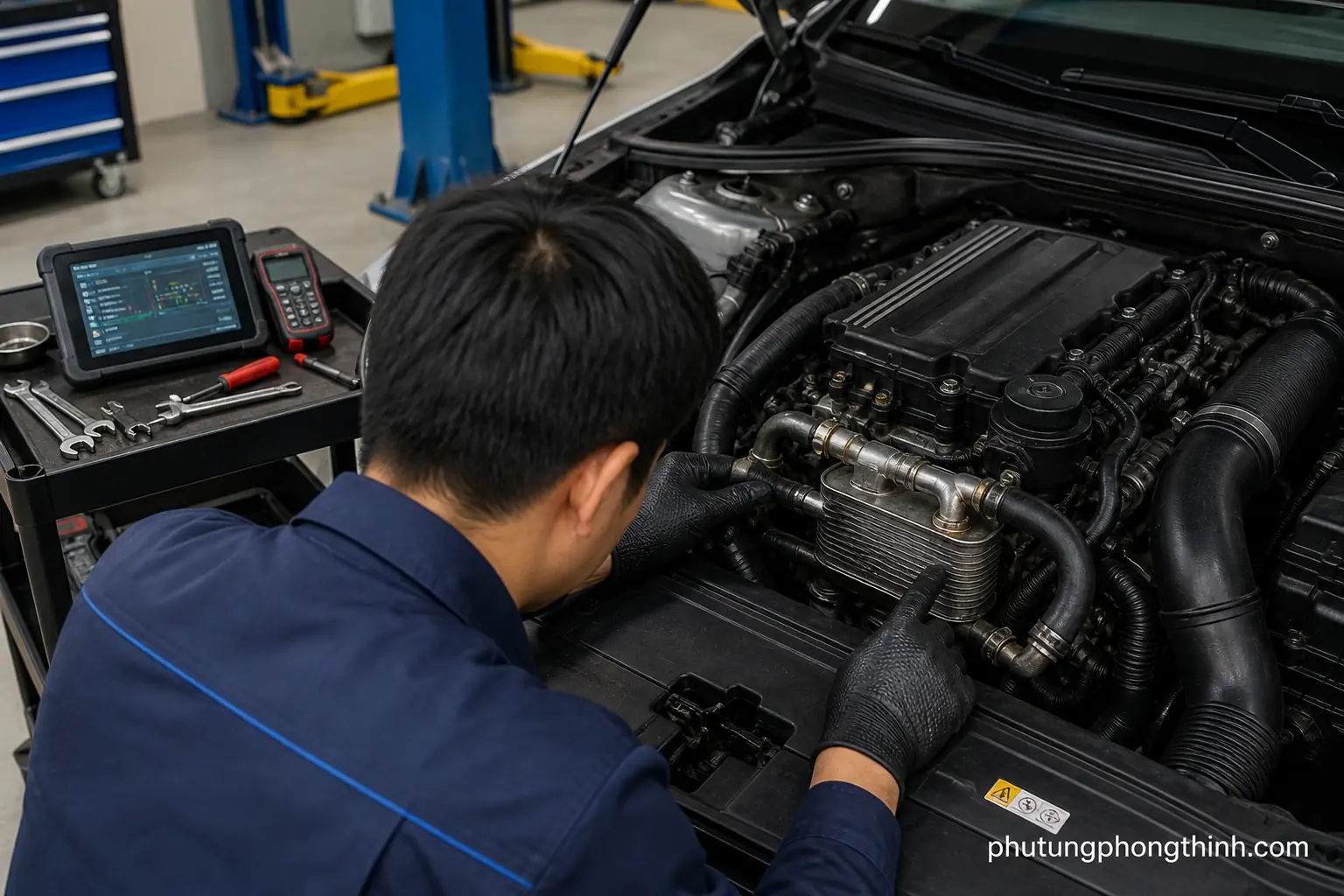
How to Tell If Oil Cooler Is Bad: the most common signs
If you are trying to figure out how to tell if oil cooler is bad, the first clues usually show up in oil condition, coolant condition, or engine temperature. An oil cooler is a heat exchanger that helps control engine oil temperature, so when it fails you may see oil leaks, coolant contamination, overheating, or even low oil pressure. The tricky part is that these symptoms can overlap with other cooling and sealing problems.
Common warning signs include oil spots or wetness around the oil cooler or oil cooler lines, milky oil or oil in the coolant reservoir, rising engine temperature or intermittent overheating, low oil pressure warnings or unusual engine noise, and in some cases a sweet smell, smoke, or visible coolant loss.

- Oil spots or wetness around the oil cooler or oil cooler lines
- Milky oil or oil in the coolant reservoir
- Rising engine temperature or intermittent overheating
- Low oil pressure warnings or unusual engine noise
- Sweet smell, smoke, or visible coolant loss in some cases
What causes oil cooler failure
Most failures start with aging seals and connections. Internal seals, O-rings, and sealing washers can harden and crack over time, which lets oil or coolant escape. Corrosion or contamination can also damage the heat exchanger core itself, while vibration or impact may split oil cooler lines or fittings. Poor coolant maintenance shortens oil cooler life too, because old coolant can promote corrosion and deposits.
Some nearby components can look very similar at first glance. Oil filter housing leaks may leave a mess that seems like a cooler problem, head gasket problems can also create coolant contamination, and oil cooler line failure can cause external oil leaks without any internal mixing.
- Aging internal seals, O-rings, or sealing washers harden and crack
- Corrosion or contamination damages the heat exchanger core
- Vibration or impact can split oil cooler lines or fittings
- Poor coolant maintenance can shorten oil cooler life
- Oil filter housing leaks may look similar to cooler leaks
- Head gasket problems can also cause coolant contamination
- Oil cooler line failure can create external oil leaks without internal mixing
How to test an oil cooler for leaks and contamination
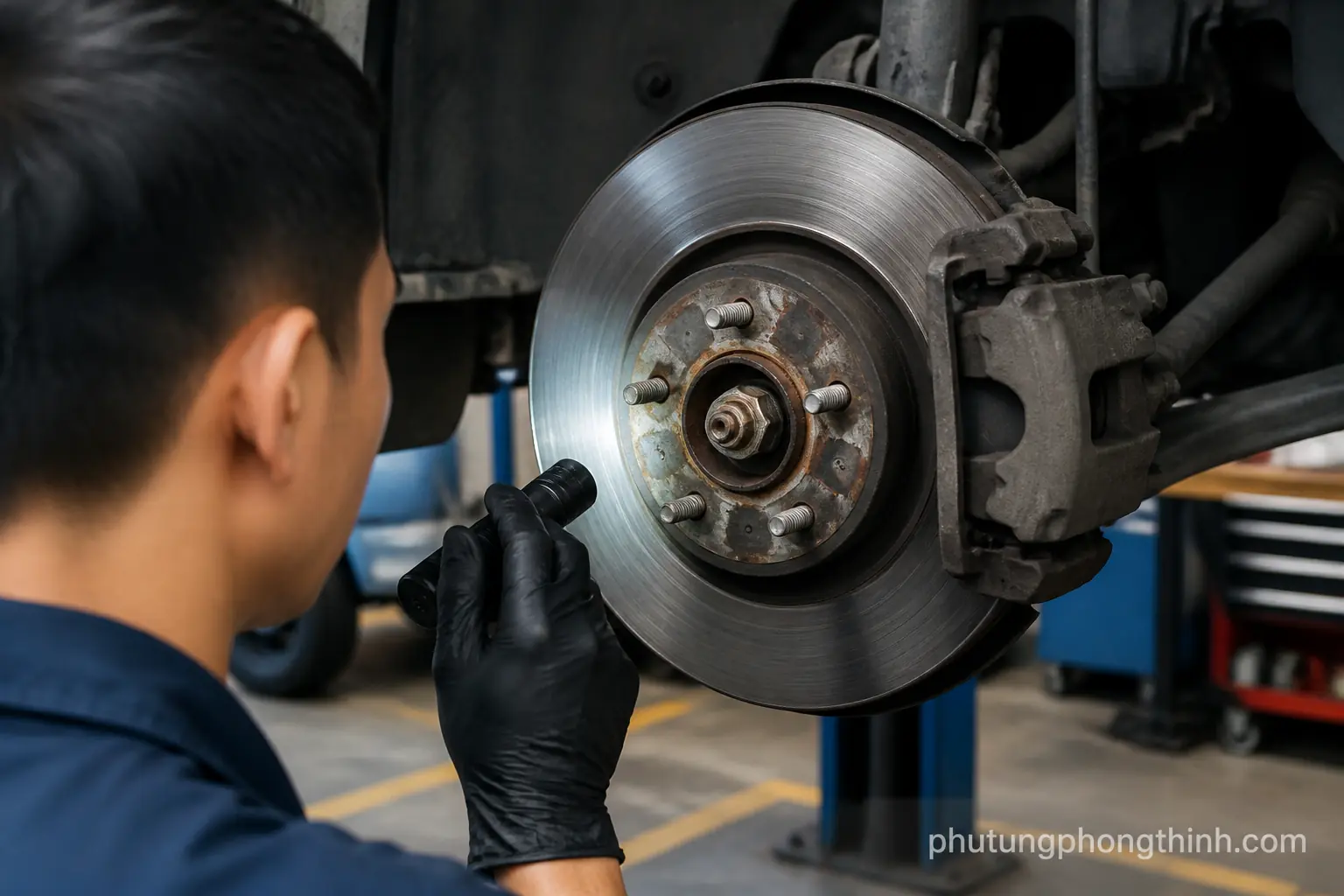
Start with a visual inspection of the oil cooler, the oil cooler lines, and the fittings. Wetness, grime, or crusted residue often points to the leak path. Then check engine oil condition for milkiness or a coolant odor, and look in the coolant reservoir for an oil film or sludge. Those clues help tell whether the fault is external or internal.
For a more accurate diagnosis, a cooling system pressure tester can help reveal coolant-side leaks. Pressure testing may expose seepage at O-rings, the housing, or fittings even when the engine is cold. If flow restriction is suspected, an infrared thermometer can help compare temperature patterns across the cooler and surrounding parts. Together, these checks make it easier to separate an oil cooler fault from other engine issues.

- Inspect the oil cooler, oil cooler lines, and fittings for wetness or crusted residue
- Check engine oil condition for milkiness or coolant odor
- Look in the coolant reservoir for oil film or sludge
- Confirm whether the leak appears external or internal
- Use a cooling system pressure tester to find coolant-side leaks
- Explain how pressure testing can reveal seepage at O-rings, housing, or fittings
- Use an infrared thermometer to compare temperature patterns if flow restriction is suspected
- Mention that test results help separate oil cooler faults from other engine issues
Oil cooler leak vs head gasket or oil filter housing leak
To narrow the problem, first note where the fluids show up: outside the engine, in the coolant, or in the oil. A head gasket issue usually brings broader overheating and combustion symptoms, not just a small seepage point. By contrast, an oil filter housing leak often leaves oil around the housing instead of coolant contamination.
| Symptom pattern | More likely cause | What to check next |
|---|---|---|
| Oil and coolant mixing | Oil cooler or head gasket | Inspect the cooler before assuming a head gasket |
| External oil only | Oil cooler lines, gaskets, or housing seals | Check fittings, seals, and the oil filter housing |
| Persistent overheating after a leak repair | Cooling system issue or deeper engine fault | Continue engine overheating diagnosis |
If coolant and oil are mixing, inspect the cooler before assuming a head gasket. If only external oil is present, inspect the cooler lines, gaskets, and housing seals. If overheating persists after leak repair, continue engine overheating diagnosis. For a related brake replacement part, some owners may also be looking at a related brake replacement part while handling broader maintenance.
When to replace the oil cooler and related parts
Once a bad cooler is confirmed, replace the worn O-rings, sealing washers, and any damaged oil cooler lines so the repair lasts. If internal mixing occurred, flush both the contaminated oil and coolant. It also helps to inspect the heat exchanger mounting points and adjacent seals for repeat leaks.
After the repair, confirm that no coolant contamination remains, then road test the vehicle to verify stable oil pressure and normal operating temperature. If symptoms return, the system needs further inspection. During that same maintenance window, an OEM suspension bushing may be another part worth checking as part of overall vehicle upkeep.
- Replace worn O-rings, sealing washers, and damaged oil cooler lines
- Flush contaminated oil and coolant after internal mixing
- Inspect the heat exchanger mounting points and adjacent seals for repeat leaks
- Confirm no remaining coolant contamination after repair
- Check for stable oil pressure and normal operating temperature on a road test
- Recommend further inspection if symptoms return
Frequently Asked Questions
Can you drive with a bad oil cooler?
It is risky. A failing oil cooler can lead to oil leaks, coolant contamination, overheating, or low oil pressure, and those problems can escalate quickly. If you suspect a failure, limit driving and inspect it as soon as possible.
What does oil in the coolant reservoir mean?
Oil in the coolant reservoir usually means there is an internal leak somewhere in the system. The oil cooler is one possible cause, but a head gasket or other engine sealing problem can also do it. The cooler is often a good first place to check.
Does a bad oil cooler always cause overheating?
No. Some oil cooler failures mainly cause external oil leaks or fluid mixing without obvious overheating right away. Overheating is common, but not guaranteed, especially early in the failure.
How do I tell oil cooler failure from a head gasket problem?
Look at the symptom pattern. An oil cooler issue often starts with oil in coolant, coolant in oil, or a visible leak at the cooler or its lines. A head gasket problem usually brings broader overheating, possible combustion issues, and other engine symptoms beyond the cooler area.
Can an oil filter housing leak look like an oil cooler problem?
Yes. Oil filter housing leaks can leave oil around the same general area and seem like a cooler leak. The difference is that a housing leak usually does not cause coolant contamination the way a failed oil cooler can.