How to Tell if Brake Pads Are Worn: 7 Clear Signs
How to tell if brake pads are worn
If you’re wondering how to tell if brake pads are worn, the answer usually shows up in a mix of sound, pedal feel, warning lights, and a quick visual check. Worn brake pads do not always fail all at once, and the inner and outer pads can wear differently, so it helps to look for more than one symptom before assuming the brakes are fine.
This guide covers 7 clear signs of brake wear and a few simple home checks that can help you judge pad thickness before rotor damage starts.
7 clear signs your brake pads are worn
- Squealing brakes from the wear indicator
- Grinding noise that suggests metal contact
- Longer stopping distance or reduced braking confidence
- Brake pedal feel changes such as softness or pulsation
- Vibration or pulling that can point to uneven pad wear or a sticking caliper
- Visible thin friction material or backing plate exposure
- Brake warning light or inspection reminder if equipped
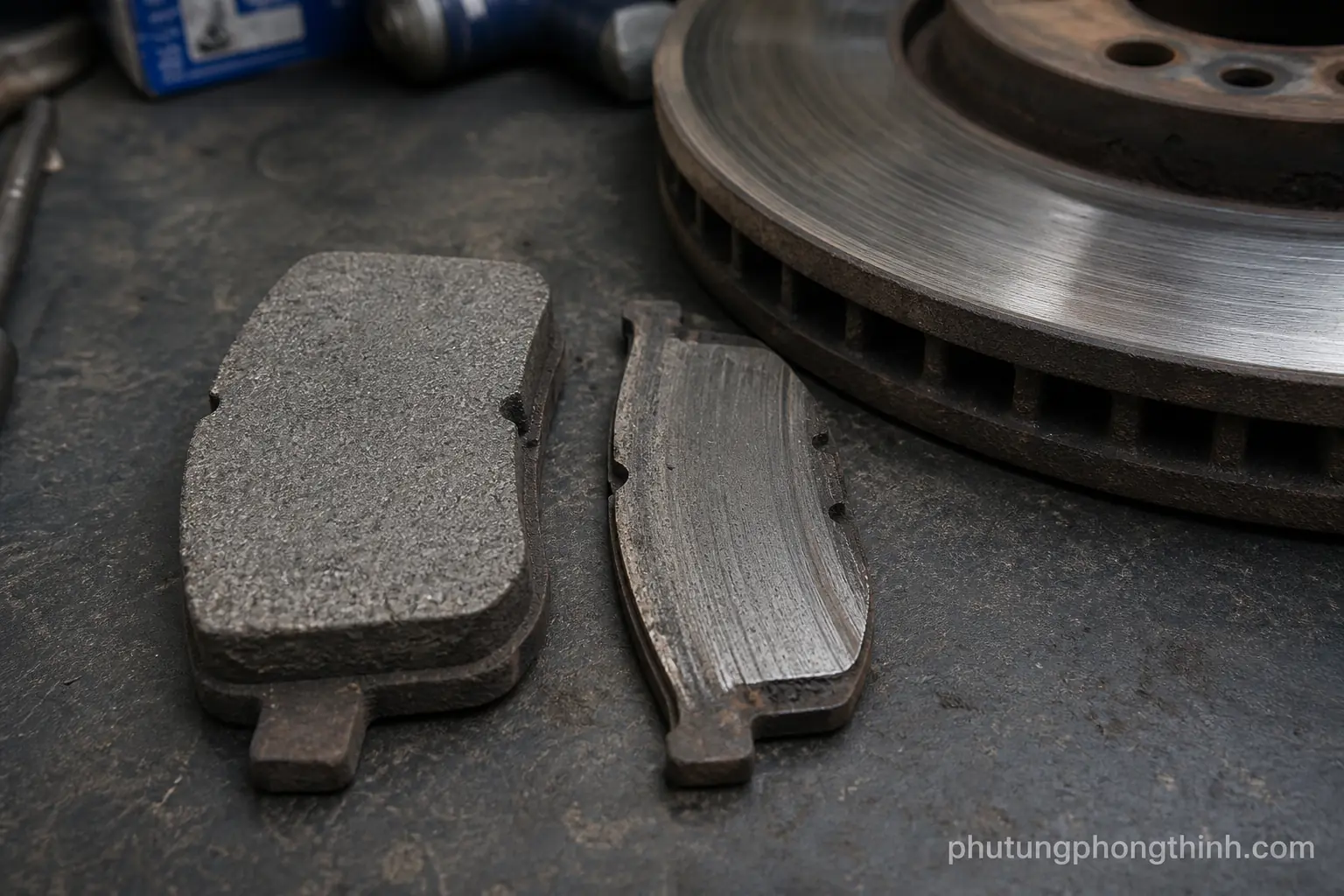
How to inspect brake pads at home
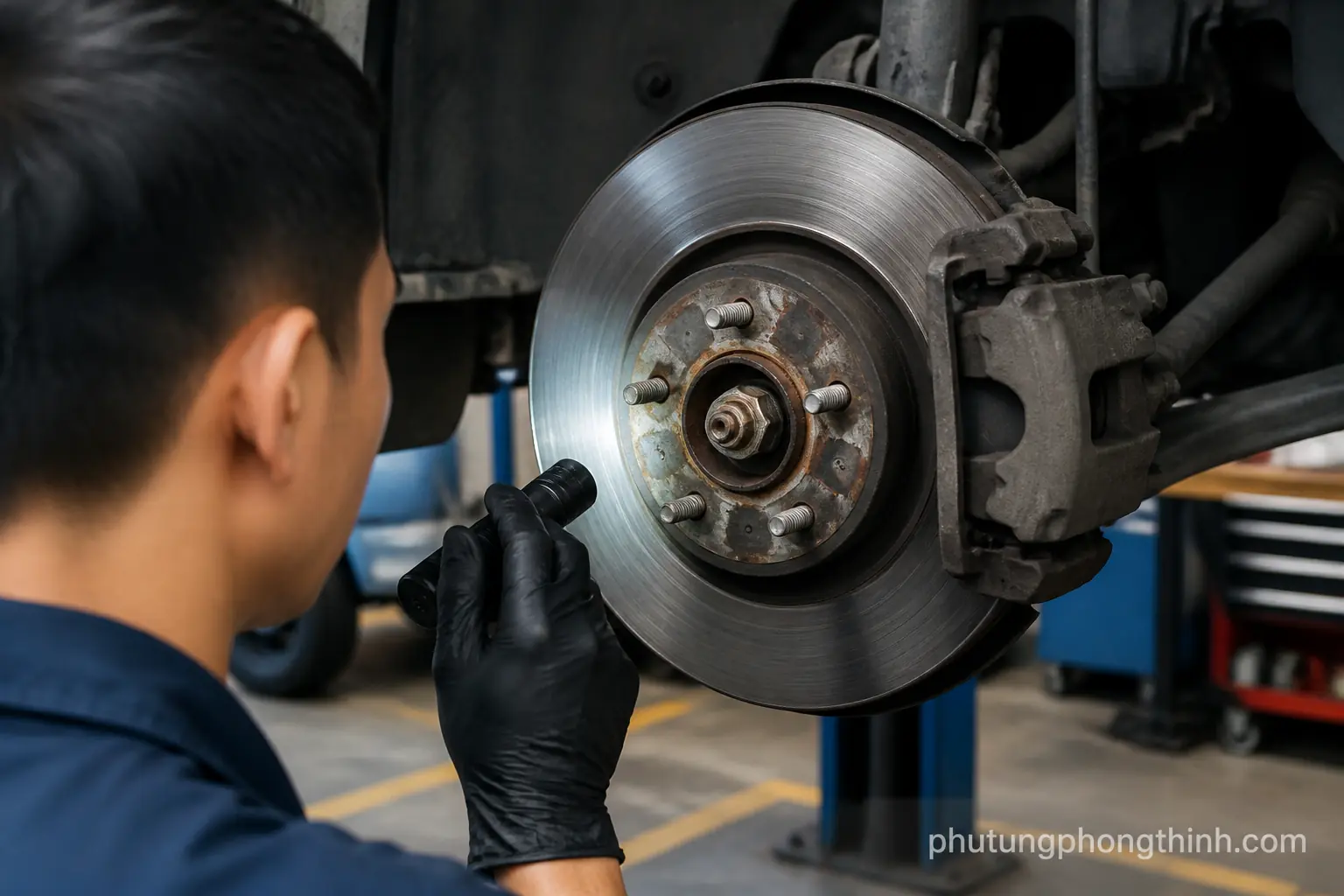
- Park safely, let the brakes cool, and look through the wheel opening or remove the wheel if you need a better view.
- Check pad thickness and compare the inner and outer pads, since one side may wear faster.
- Look for uneven wear, cracked friction material, and rotor grooves that may signal brake rotor damage.
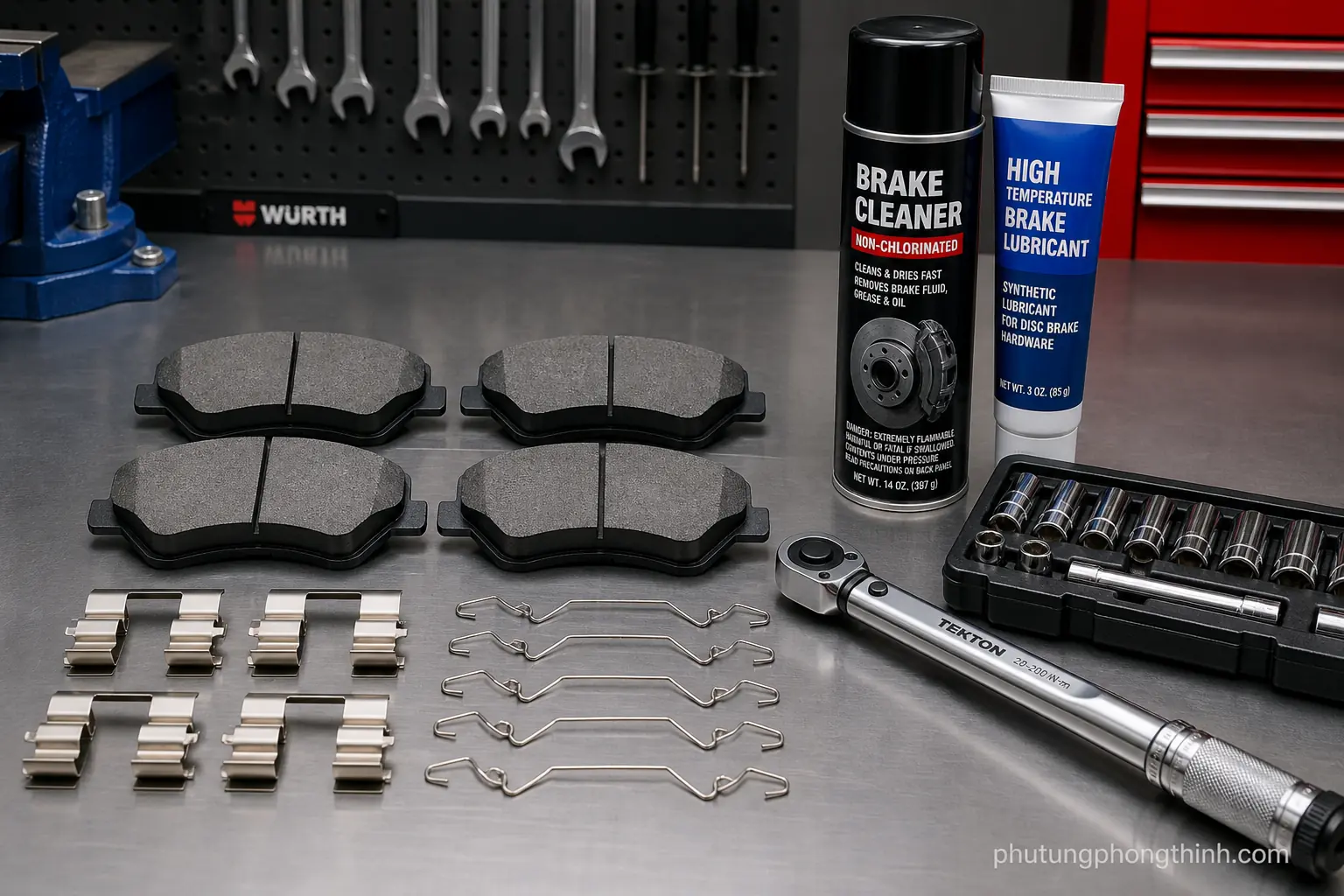
- Use a brake lining gauge or a simple measurement reference when you can to judge remaining pad thickness.

Brake pad thickness chart and replacement guide
| Pad thickness | What it usually means |
|---|---|
| 10 mm or more | Usually healthy pad thickness |
| 6–8 mm | Monitor brake wear and plan a future inspection |
| 3–5 mm | Replacement is often getting close |
| Under 3 mm | Replace brake pads soon |
| Backing plate showing or metal contact | Replace immediately |
A rough brake pad thickness chart is helpful, but it is still only a guide. Many mechanics recommend replacing pads before they get extremely thin, because driving style, stop-and-go traffic, towing, and rotor condition can all change how long brake pads last. If the rotors are already grooved or heat-spotted, service timing may need to move up.
What worn brake pads can do to rotors and calipers
When friction material gets too thin, the backing plate can start to contact the rotor, which often leaves rotor grooves and heat spots. That extra heat can also reduce stopping distance consistency and put more strain on the rest of the brake system. In some cases, a sticking caliper or seized slide pins causes one pad to wear much faster than the other, so the problem is not just the pads themselves.
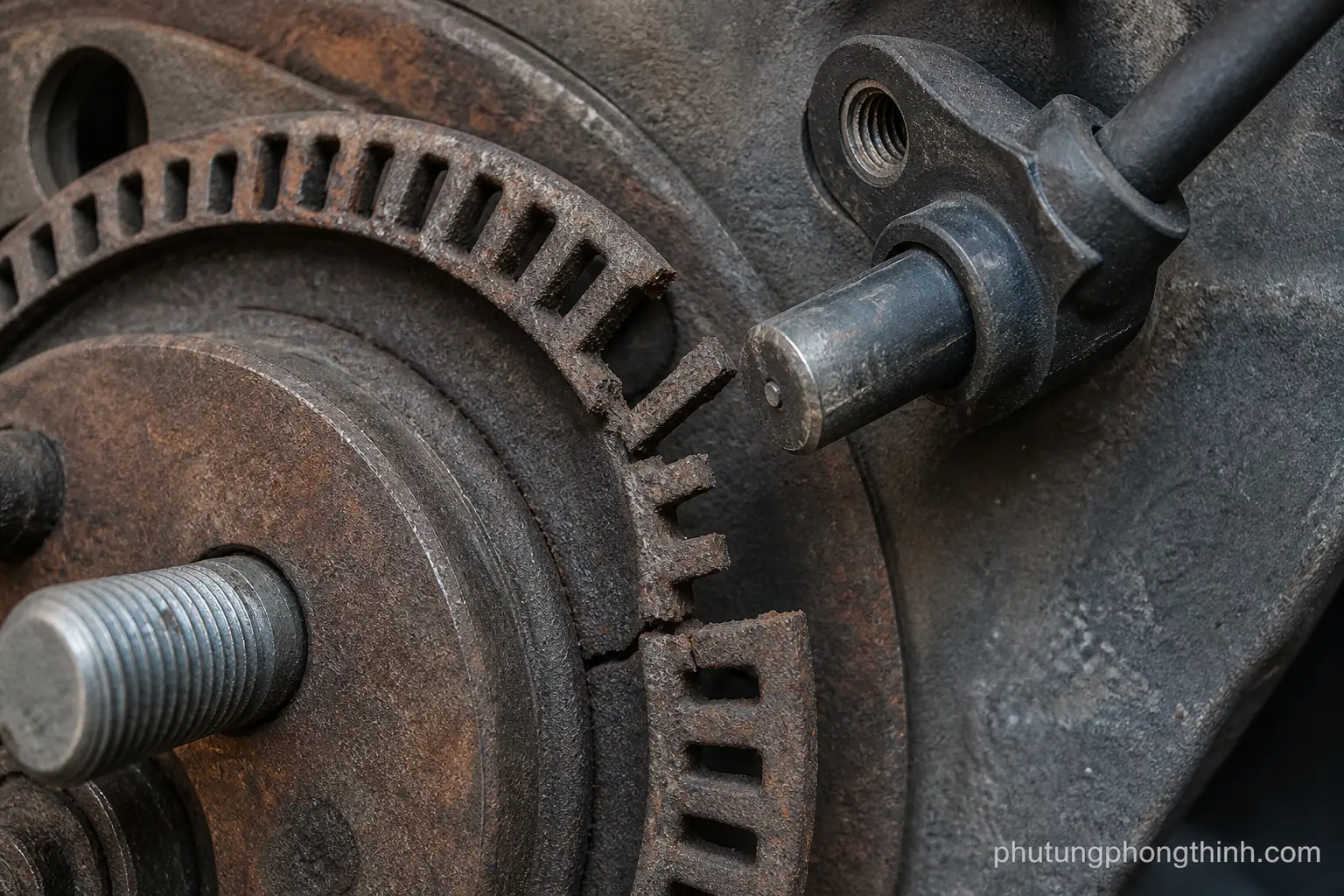
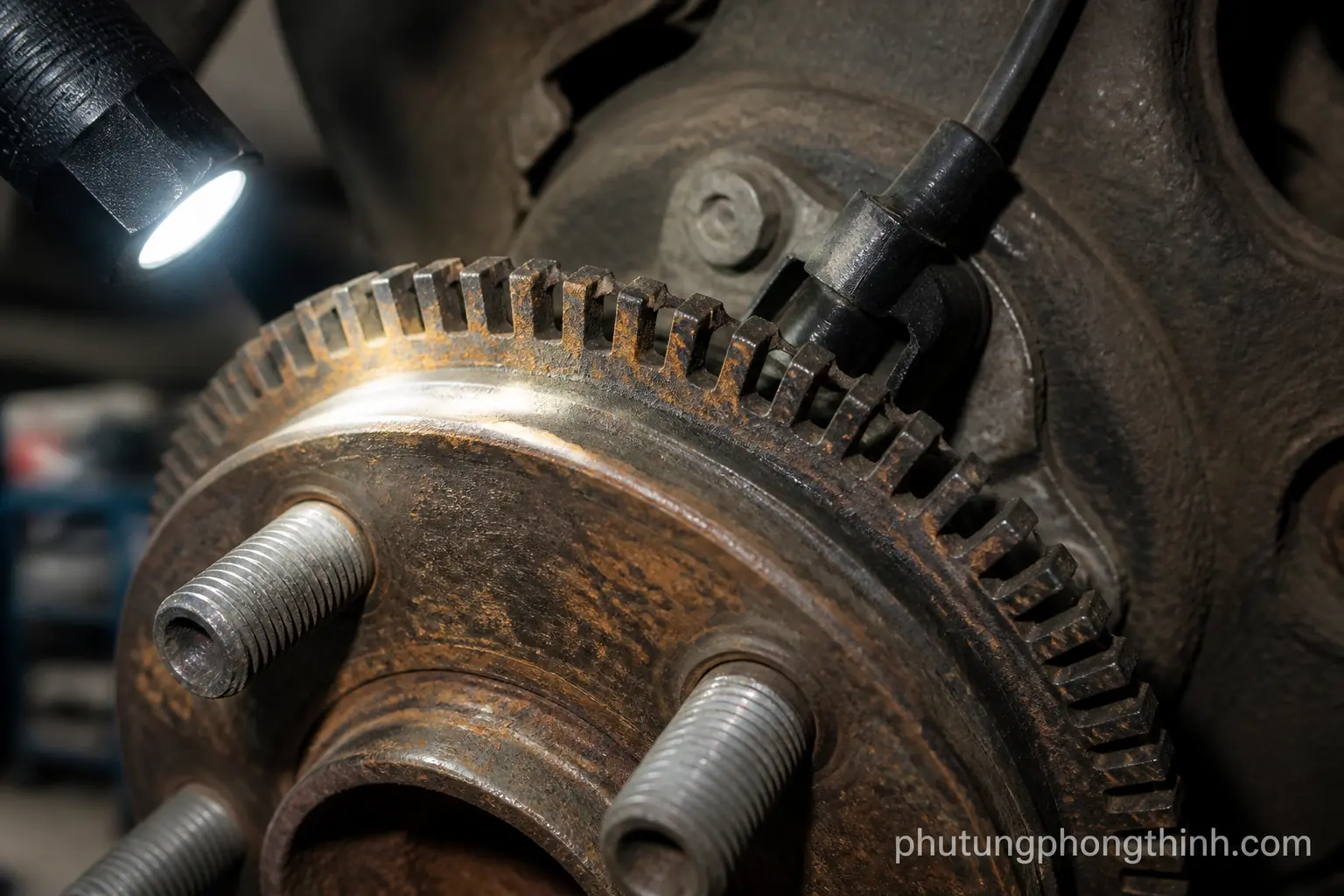
That is why a proper brake pad inspection should include the related hardware as well, not only the pad surface. If you are maintaining a Mazda and checking other reliability items at the same time, a related engine ventilation part like related engine ventilation part may also be part of that broader maintenance plan.

When to replace brake pads right away
- Grinding noise or visible metal contact
- Very thin pads or backing plate showing
- Severe vibration, pulling, or inconsistent braking
- Any brake warning light combined with symptoms
- After checking brakes, if wear is uneven between inner and outer pads
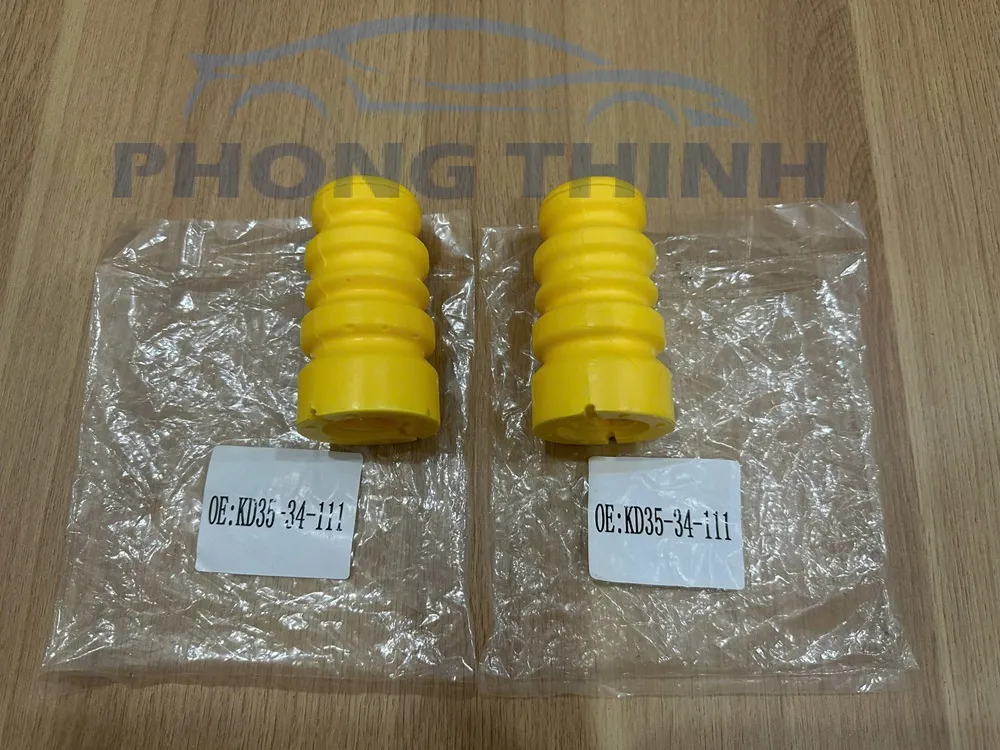
If you are also noticing vibration or front-end noise on a Hyundai Santa Fe, a front suspension spring seat such as front suspension spring seat may be worth checking alongside the brakes, since chassis issues can add to the symptoms you feel at the wheel.
FAQ about worn brake pads
How long brake pads last depends on driving conditions, vehicle weight, traffic, and how often you brake hard. In normal driving, some pads last many tens of thousands of miles, but city use and towing can shorten that a lot.
You should not ignore worn brake pads. If you hear grinding, feel major changes in pedal feel, or see very little pad thickness left, it is safer to stop driving and schedule service as soon as possible.
A brake warning light can mean several things depending on the vehicle. It may point to low brake fluid, wear sensors, electronic parking brake issues, or another brake system fault, so it should always be checked promptly.
For home checks, inspect brake pads whenever you rotate tires, hear squealing brakes, or notice a change in stopping performance. A quick look every few months is a good habit if you drive in heavy traffic or harsh conditions.
Frequently Asked Questions
How long do brake pads usually last?
Brake pads can last anywhere from around 20,000 to 70,000+ miles depending on the vehicle, driving style, terrain, and load. Highway driving usually wears pads more slowly than stop-and-go city driving.
Can I keep driving with worn brake pads?
Only for a very short time, if at all. Once pads are near the backing plate, braking performance can drop quickly and rotor damage can follow, so service should be scheduled right away.
What does a brake warning light mean?
It may indicate worn pads, low brake fluid, a sensor issue, or another brake system problem. Because the meaning varies by vehicle, it should be checked as soon as possible.
How often should I inspect brake pads at home?
A good rule is to inspect them during tire rotations, after hearing squealing or grinding, and at least a few times a year if you want to catch brake wear early.
What is the difference between inner and outer pad wear?
The inner and outer pads can wear at different rates if a caliper or slide pins are sticking. Uneven wear is a clue that the brake hardware may need attention, not just the pads.