How to Tell if Brake Lines Have Air: 7 Checks That Work
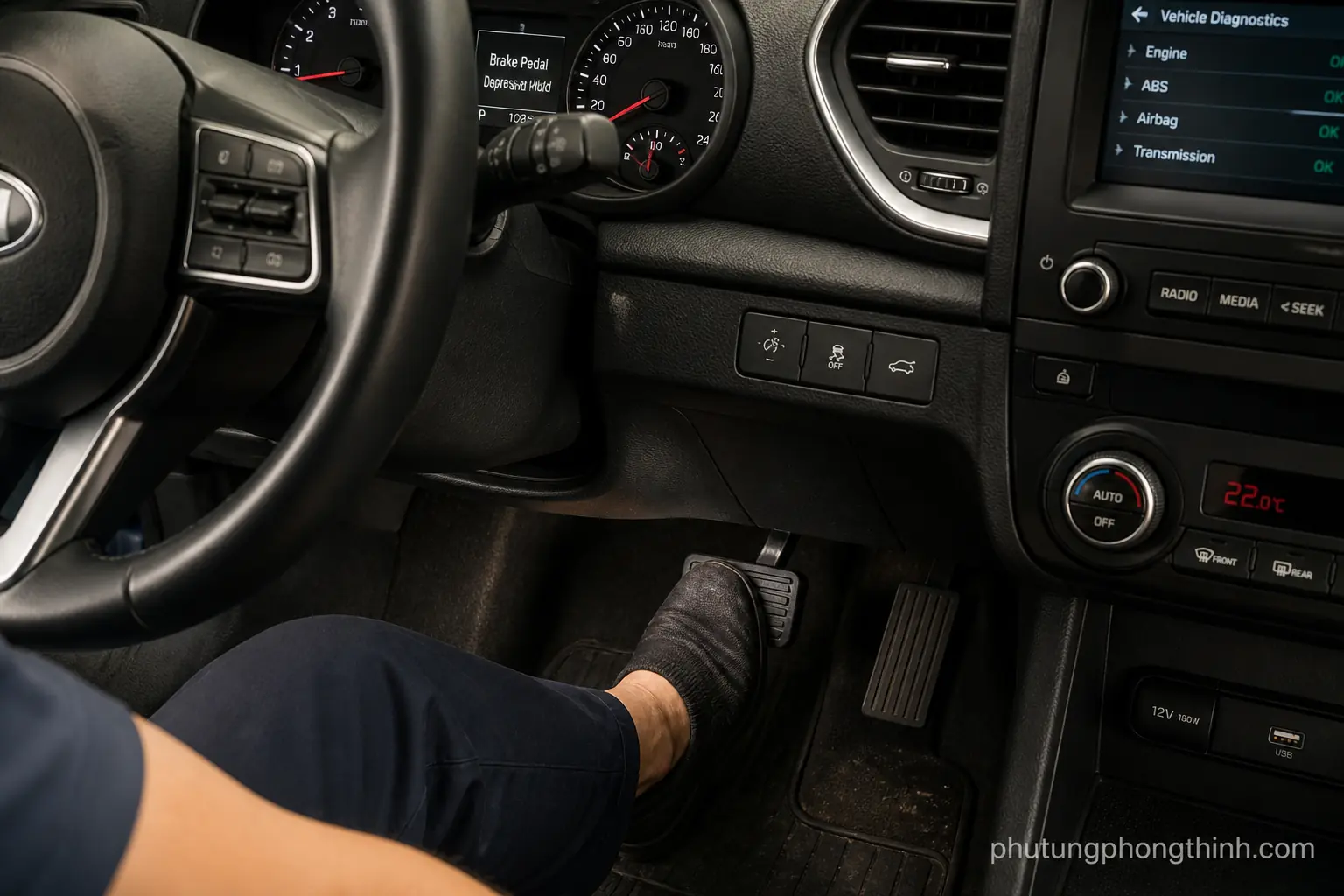
How to Tell if Brake Lines Have Air: the most common warning signs
If you are trying to figure out how to tell if brake lines have air, start with the symptoms that air in the hydraulic system usually creates. Because air compresses, it often shows up as a soft brake pedal, a spongy pedal feel, or inconsistent braking response that makes the car take longer to stop. Low brake fluid or a hydraulic system leak can produce similar clues, so the goal is to connect the symptom to the most likely cause before you start bleeding.
- Soft or spongy brake pedal feel
- Longer stopping distance than normal
- Inconsistent braking response from one press to the next
- Low brake fluid in the reservoir
- Evidence of a hydraulic system leak
Check pedal feel and travel before you inspect anything else
The quickest brake bleeding test begins with your foot on the pedal. A pedal that sinks farther than normal or feels mushy under steady pressure often points to air in the lines, especially if the feel changes after a few pumps. A temporary low pedal can happen after repairs or after the car sits, but a consistently spongy pedal usually means the hydraulics are not holding pressure the way they should.
If the pedal slowly drops with steady pressure and there is no obvious external leak, that can also point toward a master cylinder issue rather than trapped air alone. In other words, pedal feel gives you the first clue, but not the whole answer.
Look for fluid loss, leaks, and other causes of air in the brake system
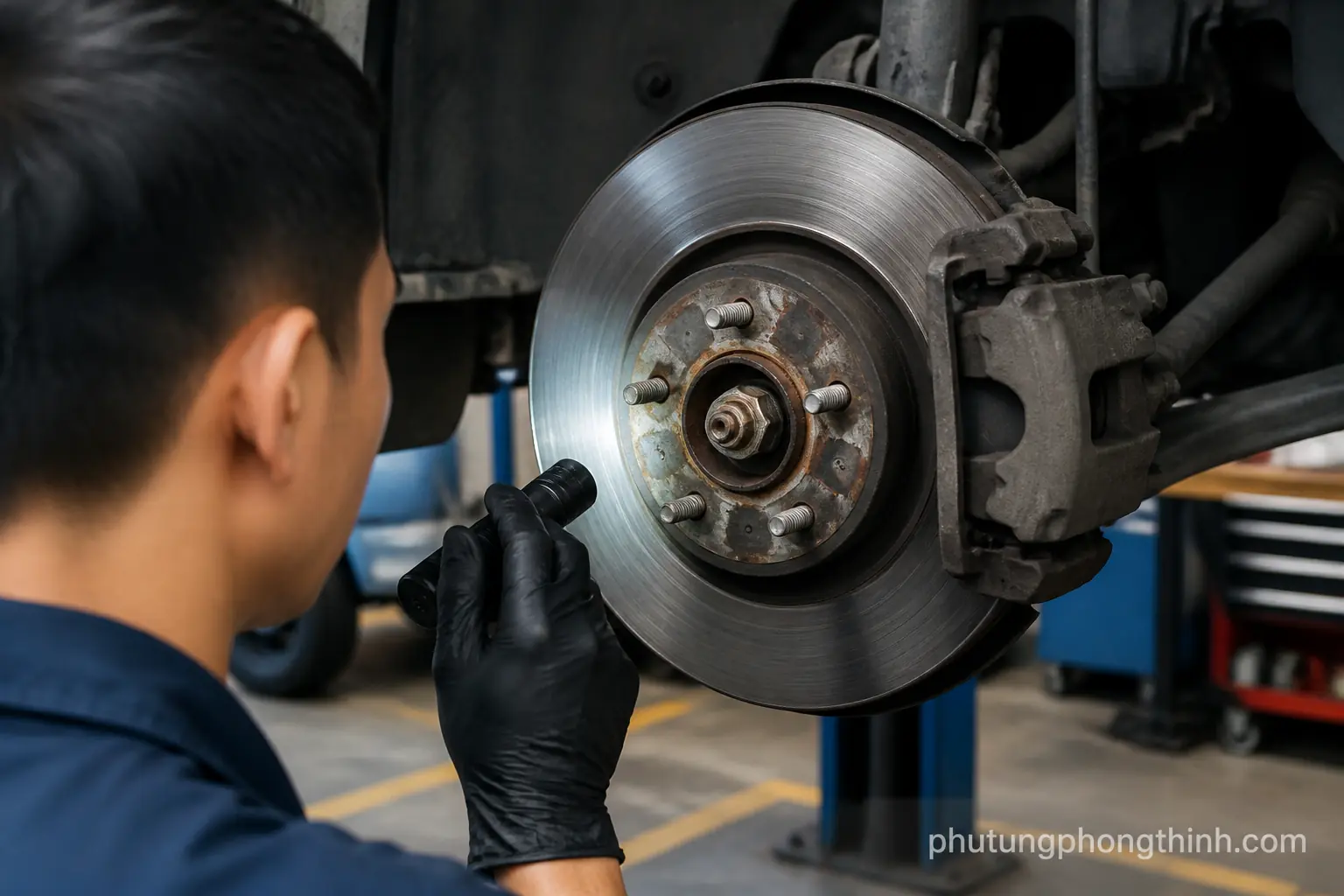
Before assuming the problem is only air, inspect the brake lines, fittings, calipers, wheel cylinders, and the master cylinder for wet spots. Any fresh fluid around a connection is a sign that the system may have let air in while brake fluid escaped. Low brake fluid in the reservoir matters for the same reason: if the level drops enough, the hydraulic system can draw in air and create a soft pedal.
- Check every visible brake line and fitting for seepage
- Inspect calipers and wheel cylinders for damp areas
- Look under the master cylinder for leaks
- Verify the reservoir level before and after a short test
- Consider recent brake work as a possible entry point for air
Perform a bleed test to confirm trapped air

The most direct way to confirm air is to open a bleeder screw and watch the fluid stream. If bubbles appear, that is a strong sign that air is still trapped in the brake lines. A catch bottle makes the test easier to read because you can see whether the stream is still aerated instead of guessing from a drip on the floor.
- Crack the bleeder screw and observe the fluid closely
- Look for bubbles moving through the stream
- Use a catch bottle to track clean fluid versus aerated fluid
- Repeat the bleed if the pedal improves and then goes soft again
- Keep topping off the reservoir so more air does not enter
Use the right bleeding method for the brake layout

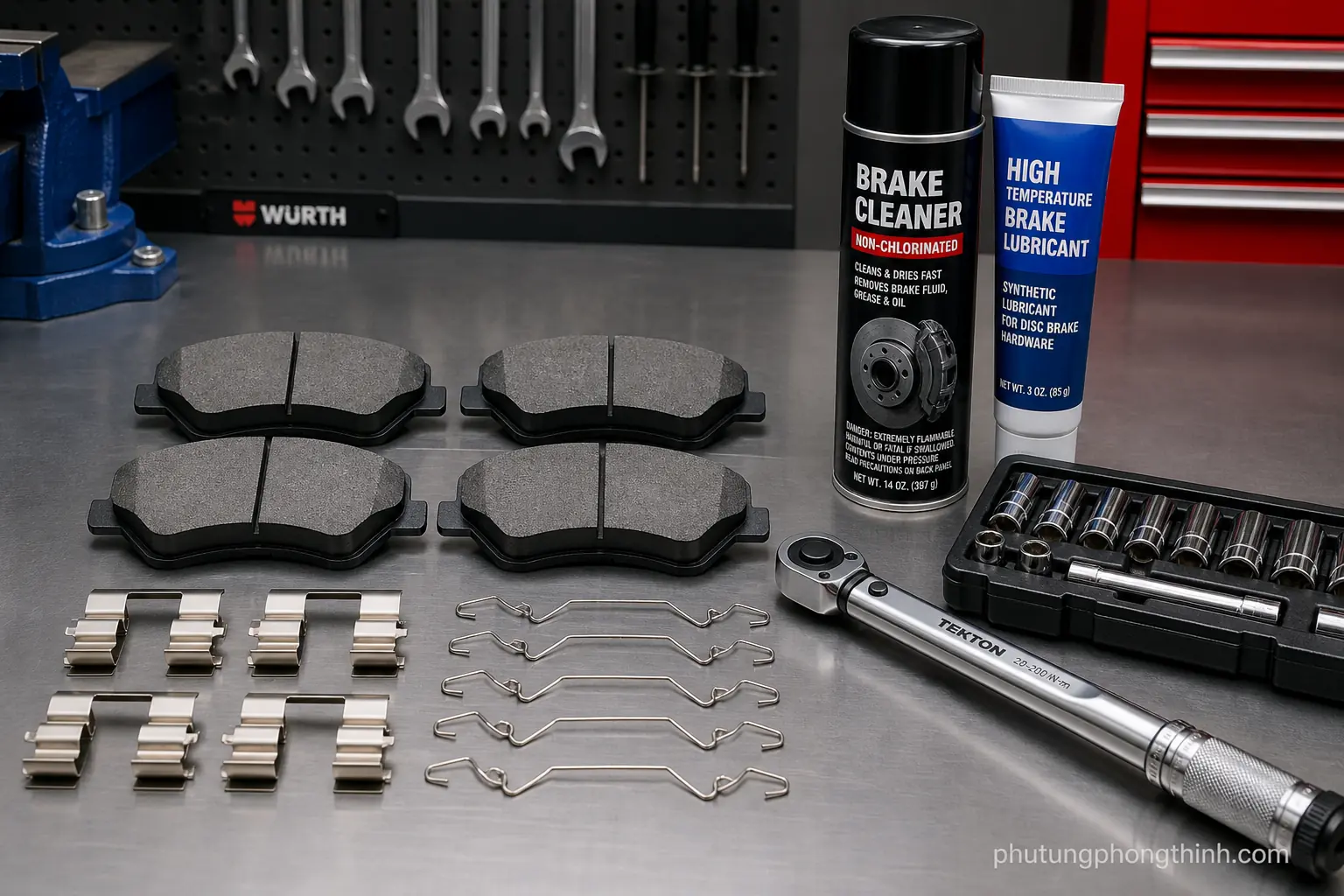
Different brake layouts respond better to different bleeding methods. Manual bleeding can work well when done carefully, while a vacuum or pressure bleeder can speed up the process and help pull out stubborn air. Some vehicles with ABS also need a specific ABS bleeding procedure so trapped air does not remain inside the ABS hydraulic unit.
After a component replacement, a bench-bled master cylinder may be necessary before the system will pedal correctly. That is especially true if the symptoms started right after new parts were installed.
| Method | Best use | What it tells you |
|---|---|---|
| Manual bleeding | Basic line bleeding after routine service | Shows whether the pedal firms up and bubbles stop |
| Vacuum or pressure bleeder | Faster bleeding on stubborn systems | Helps confirm whether air is still trapped |
| ABS bleeding procedure | Systems with an ABS hydraulic unit | Clears air that may stay inside the ABS unit |
| Bench-bled master cylinder | After master cylinder replacement | Removes air before installation |
When the symptoms point to something other than air
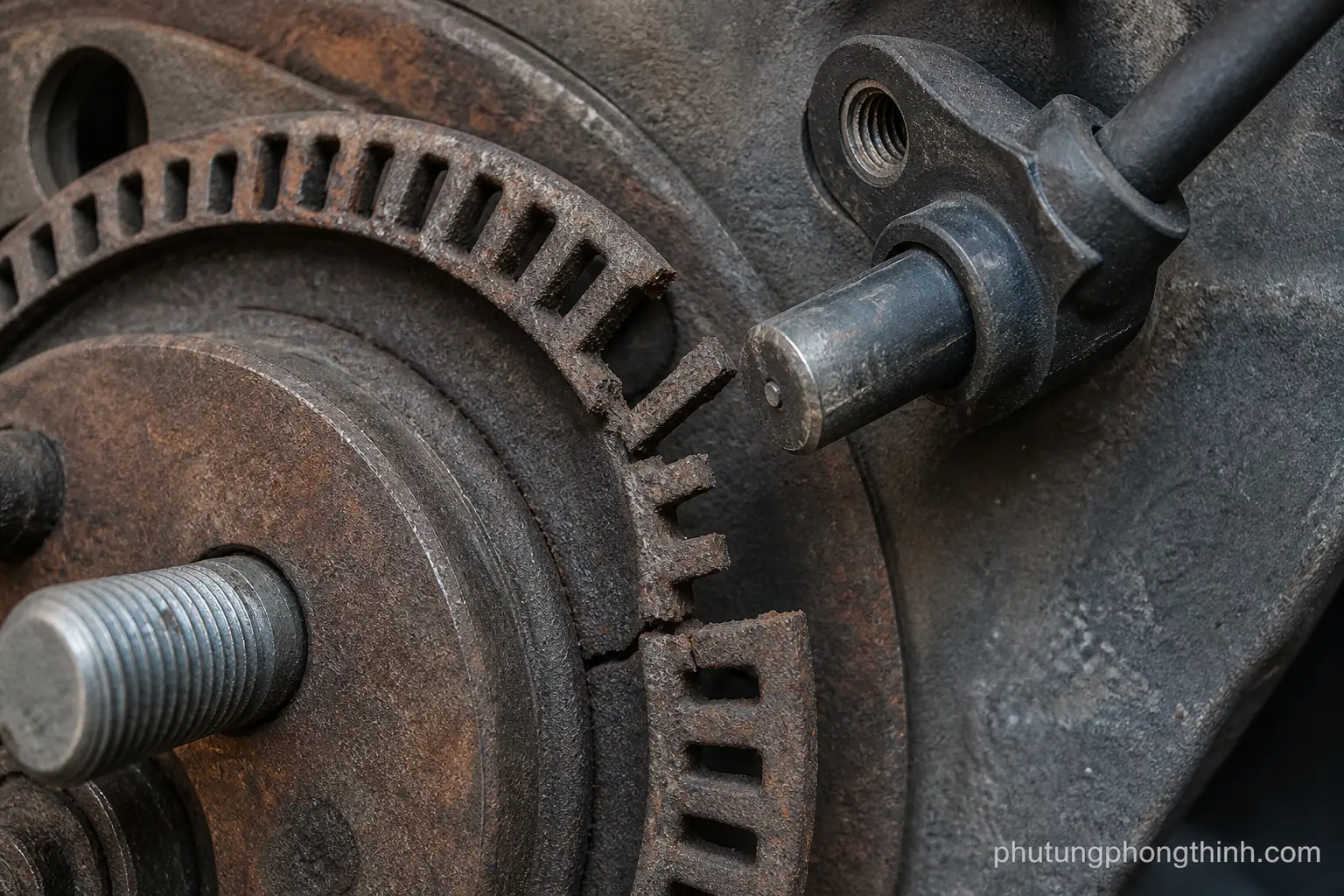
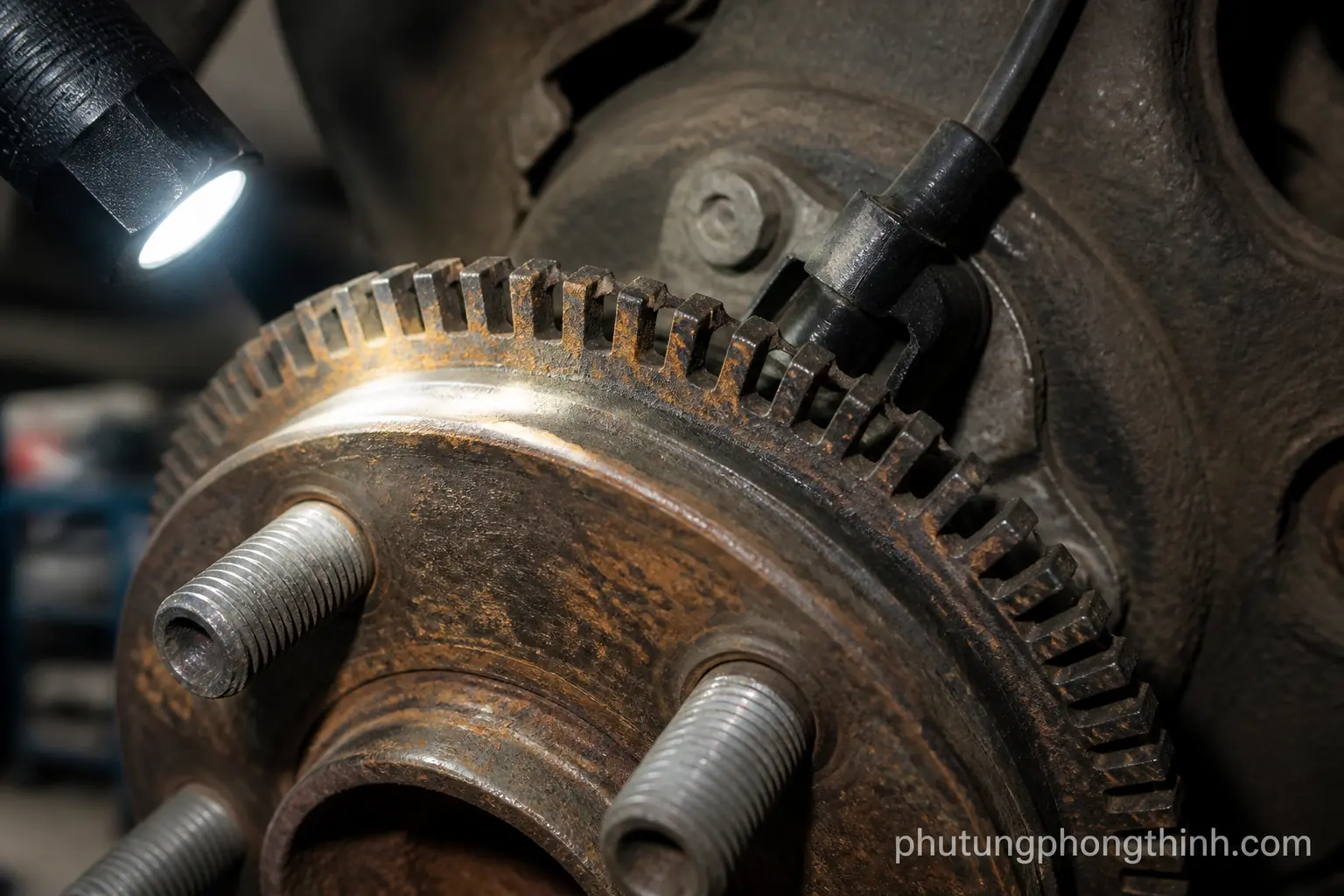
Not every soft pedal means trapped air. A bad master cylinder can let the pedal sink with no visible leaks, which can feel a lot like air in the brakes. Rear drum brake adjustment symptoms can also create a low or inefficient pedal that makes the hydraulic system seem worse than it is. And on vehicles with ABS, an ABS hydraulic unit fault can imitate trapped-air behavior even after a normal bleed.
- Pedal sink with no visible leaks can point to a bad master cylinder
- Poor rear drum adjustment can mimic hydraulic problems
- ABS hydraulic unit faults can cause repeat spongy pedal complaints
For related front-end checks on a Fiesta, a worn steering tie rod end can also make the car feel less precise, which is why it is worth separating steering feedback from brake hydraulics during diagnosis.
Final checks before you drive again
After bleeding or inspection, recheck pedal firmness with the engine on and off so you can tell whether the brake pedal feels consistent under real operating conditions. Confirm the fluid level again and look for seepage at each fitting, because a small leak can quickly bring the air problem back. Then test braking at low speed in a safe area and make sure the response stays steady from one stop to the next.
- Check pedal firmness with the engine off and then running
- Verify the reservoir is full to the correct mark
- Inspect all fittings for fresh seepage
- Test at low speed before normal driving
- Make sure braking feels consistent on repeated stops
Once the brakes feel normal, it is a good time to inspect other nearby wear items such as a front strut dust cover if you are already checking the front end for maintenance.
Frequently Asked Questions
What does air in brake lines feel like when driving?
Air in brake lines usually feels like a soft or spongy brake pedal and less immediate stopping response. The pedal may travel farther than normal before the brakes engage, and the feel can change from one press to the next.
Can low brake fluid cause the same symptoms as air in the brakes?
Yes. Low brake fluid can let air enter the hydraulic system, which creates the same soft pedal symptoms. Low fluid can also point to a leak that needs to be found before bleeding will help for long.
How do I know if it is air or a bad master cylinder?
If the pedal improves after bleeding and the problem was recent brake service, trapped air is more likely. If the pedal slowly sinks under steady pressure with no visible leaks, the master cylinder is a stronger suspect.
Do ABS brakes need a special bleeding procedure?
Some ABS systems do. If air is trapped inside the ABS hydraulic unit, normal bleeding may not fully remove it, so the correct ABS bleeding procedure may be needed.
Why does my brake pedal get better after pumping it?
Pumping the pedal can temporarily move fluid and reduce the effect of trapped air, which is why the pedal may feel firmer for a moment. That usually points to air in the system or another hydraulic issue that still needs attention.