How to Replace ABS Hydraulic Control Unit: DIY Guide
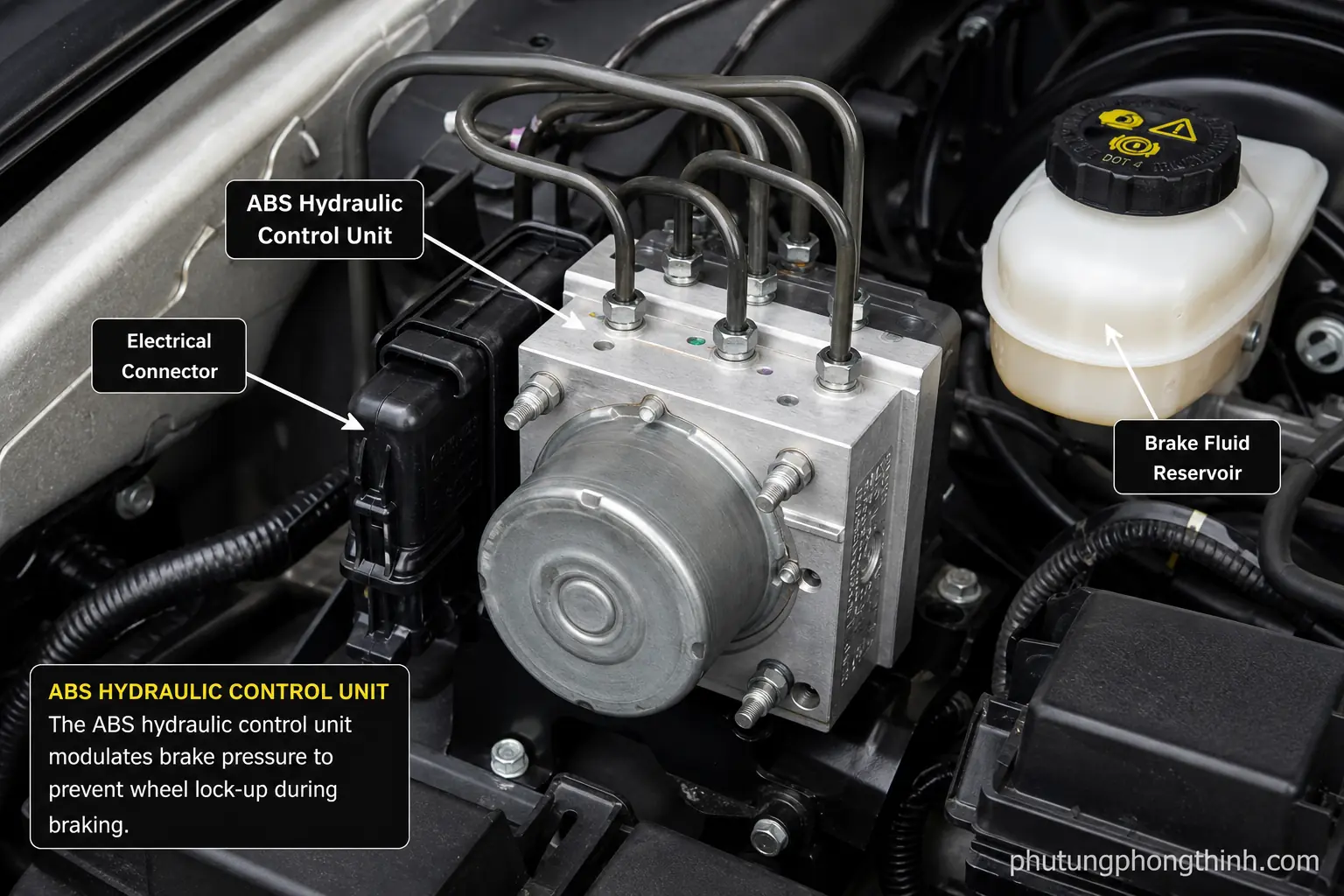
How to Replace ABS Hydraulic Control Unit: What the Job Involves
If you are learning how to replace ABS hydraulic control unit components, the first thing to know is that this repair reaches deep into the anti-lock brake system and affects brake pressure control. The hydraulic block meters fluid to the wheels during braking, so a fault here can create leaks, internal valve problems, or ABS trouble codes that keep the system from working correctly.
That also means this is not a casual parts swap. You will be handling brake fluid, brake lines, and electrical connectors in a system that directly affects safety, so every step needs to be clean, labeled, and deliberate.
Symptoms of a Bad ABS Control Module vs. Hydraulic Unit Failure
Before replacing anything, it helps to separate a control-module problem from a hydraulic-unit failure. An ABS warning light, traction control light, or brake warning light may all point to the anti-lock brake system, but they do not always mean the hydraulic block is the bad part. A scan tool can help read the stored codes and narrow the diagnosis.
Common clues include a pump that runs too often, a soft pedal after a fluid leak, or repeated ABS trouble codes that come back after clearing. If the issue traces to wiring, wheel-speed sensors, or the module electronics instead of the hydraulic block itself, replacing the unit alone will not fix the problem.
Tools, Parts, and Safety Steps Before You Start
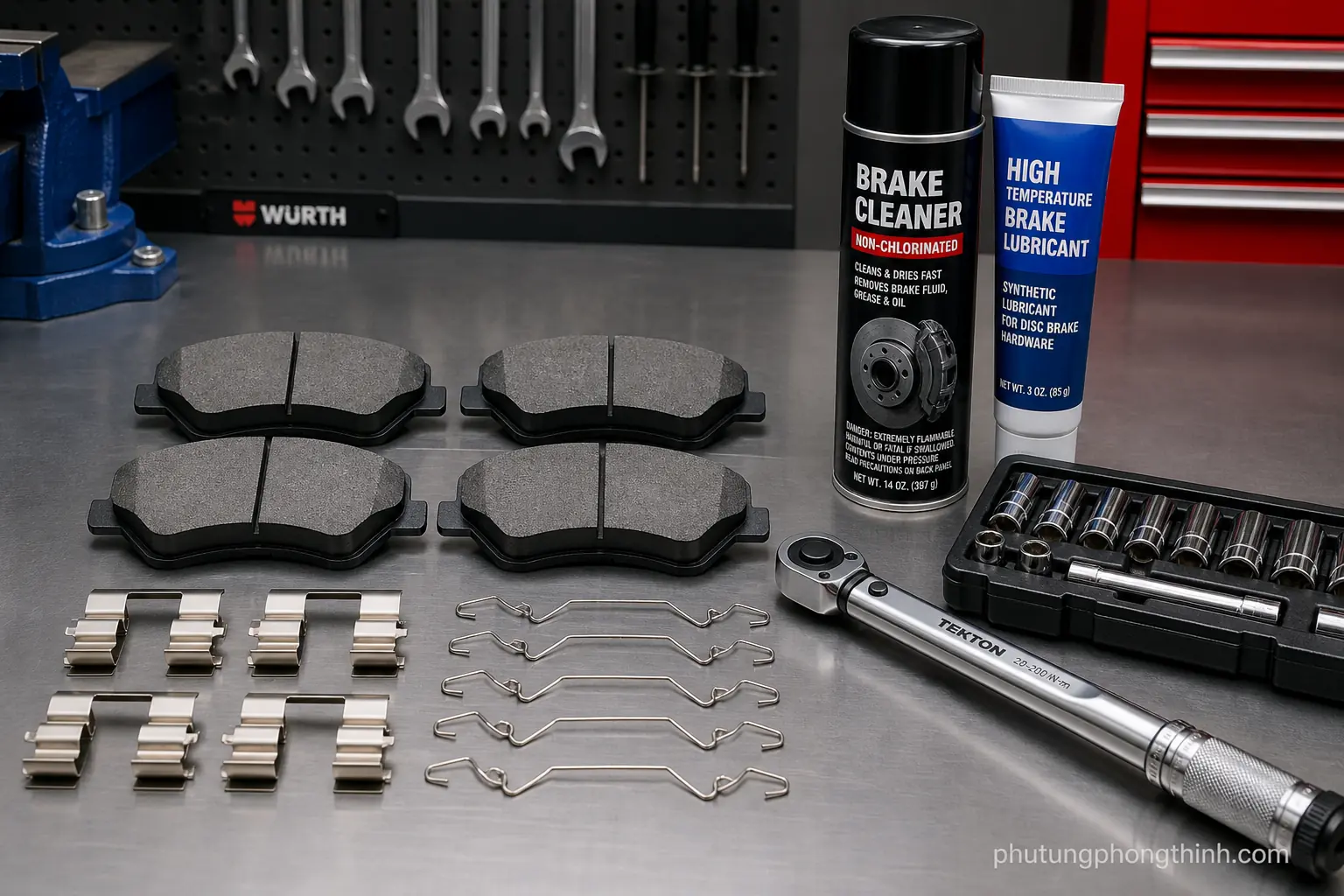
Have everything ready before you open the brake system. At minimum, you will want line wrenches, fresh brake fluid, caps or plugs for open lines, jack stands, and a pressure bleeder. A scan tool that can read ABS trouble codes and, if supported, start an automated ABS bleed is also a big help.
- Line wrenches for brake fittings
- Fresh brake fluid matched to the vehicle specification
- Caps or plugs for brake lines and ports
- Jack stands and basic hand tools
- Pressure bleeder
- Scan tool with ABS functions
For safety, disconnect the battery, keep the work area clean, protect paint from brake fluid, and note each line location before removal. Small mistakes here can turn a manageable repair into a long brake line replacement job.
Remove the ABS Hydraulic Control Unit Without Damaging Brake Lines
Start by making room to access the unit, then document every brake line and electrical connector before anything comes apart. A photo or labeled diagram saves a lot of confusion later, especially when the hydraulic block has several similar fittings.
Use line wrenches to loosen the fittings so you do not round them off, and cap each open line immediately to keep dirt and moisture out. Once the lines are free, unbolt the module and hydraulic block assembly carefully so you do not bend the lines or stress the mounting brackets.

Install the Replacement Unit and Torque Connections Correctly
Before installation, transfer any brackets or sensors only if the service procedure allows it. The replacement ABS hydraulic control unit should mount securely without forcing the lines or misaligning the ports.
- Check the replacement unit against the original part
- Transfer only parts the service manual allows
- Mount the assembly without bending brake lines
- Reconnect each line in the correct location
- Tighten fasteners to vehicle-spec torque
Once everything is in place, tighten the fittings and mounting hardware to specification. Correct torque matters because under-tightening can cause leaks, while over-tightening can crack ports or damage sealing surfaces.
Bleed ABS Brakes After Replacement
Bleeding the brakes is the step that restores pedal feel after the swap. Standard brake bleeding removes air from the lines, but an automated ABS bleed may be needed to cycle the valves inside the hydraulic block and purge trapped air that normal bleeding cannot reach.

Depending on the vehicle, you may need a pressure bleeder and scan tool cycling to complete the ABS bleed procedure. Follow the service-manual wheel sequence, because the correct order can vary, then verify that the pedal feels firm before moving on.
- Use the correct brake fluid type
- Keep the reservoir from running low
- Run the automated ABS bleed if supported
- Bleed wheels in the specified order
- Recheck pedal firmness after bleeding
ABS Module Programming, Coding, and Final Checks
Some vehicles require scan tool coding or ABS module programming after replacement, while others do not. The best way to know is to check the service information for the exact vehicle before you finish the job.
- Clear all stored codes
- Confirm the ABS warning light stays off
- Road-test for normal braking and traction control operation
- Reinspect for leaks
- Recheck brake fluid level
- Verify no faults return after the test drive
If the system passes these checks, the repair is usually complete. If the same faults return, the issue may be in another part of the anti-lock brake system.
When to Stop and Call a Brake Professional
Some jobs are best left to a pro. If you run into heavy brake line corrosion, seized fittings, or multiple ABS faults at once, the repair can become more involved than a simple part replacement.
Likewise, if the pedal stays spongy after bleeding, the vehicle may need master cylinder bleeding or deeper hydraulic diagnostics. And if your scan tool cannot access the needed functions, or the replacement still triggers ABS faults, professional help is the safest next step.
- Seized or rusted brake fittings
- Multiple stored ABS faults
- Spongy pedal after bleeding
- Missing scan tool functions
- New faults after installation
For unrelated maintenance, some owners also look at a matching cooling-system part like a matching cooling-system part, though that has nothing to do with the brake repair itself. Another separate item you might browse is a front wheel-well liner.
Common ABS Hydraulic Control Unit Questions
If the ABS warning light is on, can you still drive the vehicle? In some cases the brakes will still work, but the anti-lock brake system may be disabled, so the car should be driven cautiously and repaired as soon as possible rather than treated as normal.
- Can I drive with the ABS light on?
- How do I know if the pump motor failed?
- Does every replacement need programming?
- Can a bad wheel sensor mimic a hydraulic unit fault?
A failed pump motor often sounds different from a leaking hydraulic block and may set related codes or keep running longer than normal. Programming is required on some vehicles, but not all, so the exact answer depends on the ABS design and the scan tool procedures supported by that vehicle.
Frequently Asked Questions
Can I drive with the ABS warning light on?
Usually the vehicle can still stop, but the anti-lock brake system may be disabled. That means normal braking may remain, while traction control or stability functions may also be limited. It is safest to drive only as needed and repair the issue soon.
How can I tell if the ABS pump motor failed?
A pump motor problem often shows up as unusual running noise, a pump that keeps cycling, or pump-related fault codes. A hydraulic block failure more often involves leaks, internal valve problems, or pressure-control faults. A scan tool and service diagnostics are the best way to confirm the difference.
Does replacing the ABS hydraulic control unit always require programming?
No. Some vehicles need ABS module coding or programming after replacement, while others do not. The requirement depends on the vehicle’s brake system design and the replacement part, so the service information should be checked before finishing the job.
Why is an ABS bleed different from normal brake bleeding?
A standard bleed removes air from the brake lines, but an ABS bleed may cycle the valves inside the hydraulic block so trapped air can escape. On many vehicles, a scan tool or pressure bleeder is needed to complete the job properly.
What should I check if the brake pedal still feels soft after replacement?
Recheck for air in the system, confirm the reservoir level, and make sure the correct bleed procedure was used. If the pedal remains spongy, the master cylinder or another hydraulic fault may need diagnosis.