How to Replace a Wheel Speed Sensor: DIY Guide
What a wheel speed sensor does and why it fails
If you are learning how to replace a wheel speed sensor, it helps to know what the part actually does first. The sensor sends wheel rotation data to the anti-lock braking system (ABS) module, and that information also supports traction control and stability control.
When the sensor fails, the cause is often not just the sensor itself. Common problems include connector corrosion, damaged harness routing, debris in the sensor bore, tone ring damage, and wheel bearing play. Drivers usually notice an ABS light, a traction control warning, or erratic live wheel speed data on a scan tool.
- ABS module needs wheel speed data to manage braking behavior.
- Traction control and stability control can be affected too.
- Corrosion, wiring damage, and tone ring wear are frequent failure points.
- Warning lights and inconsistent wheel speed readings are common symptoms.
Tools, parts, and safety checks before you start
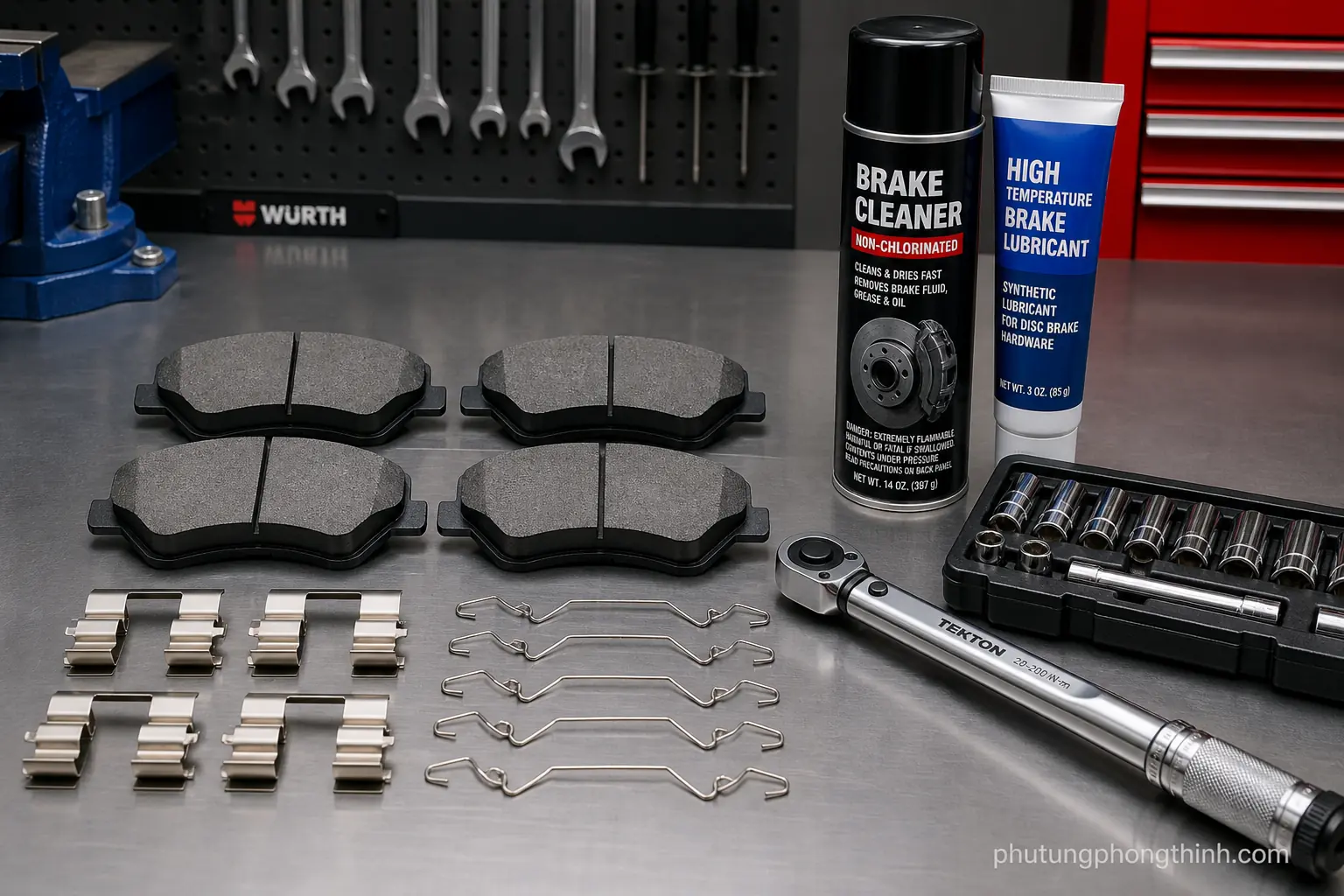
Before you begin the wheel speed sensor replacement, gather the right tools so the job goes smoothly. A jack, stands, hand tools, a scan tool, penetrating oil, dielectric grease, and cleaning supplies cover most DIY needs. Depending on the vehicle, you may also need new hardware or anti-seize compound.
It is important to verify the correct sensor by year, make, model, and axle position before buying parts. Some vehicles use a hub bearing sensor arrangement, so matching the exact fit matters. For safety, chock the wheels, disconnect the battery if needed, and support the vehicle securely before removing anything.
- Jack and jack stands for safe access.
- Scan tool for codes and live wheel speed data.
- Penetrating oil, dielectric grease, and cleaning supplies.
- Correct replacement sensor and any required hardware.
- Wheel chocks and secure vehicle support before work begins.
How to replace a wheel speed sensor step by step
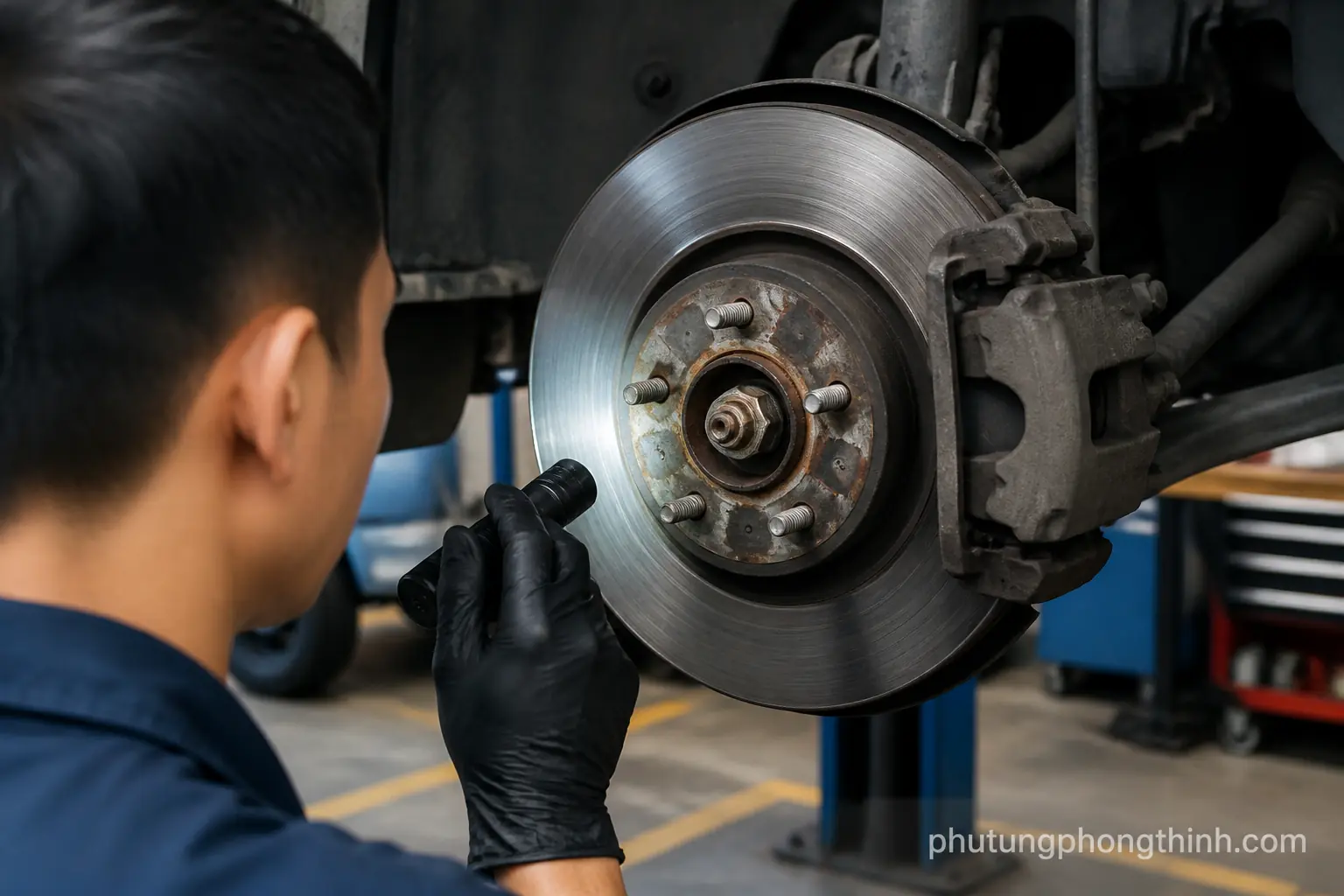
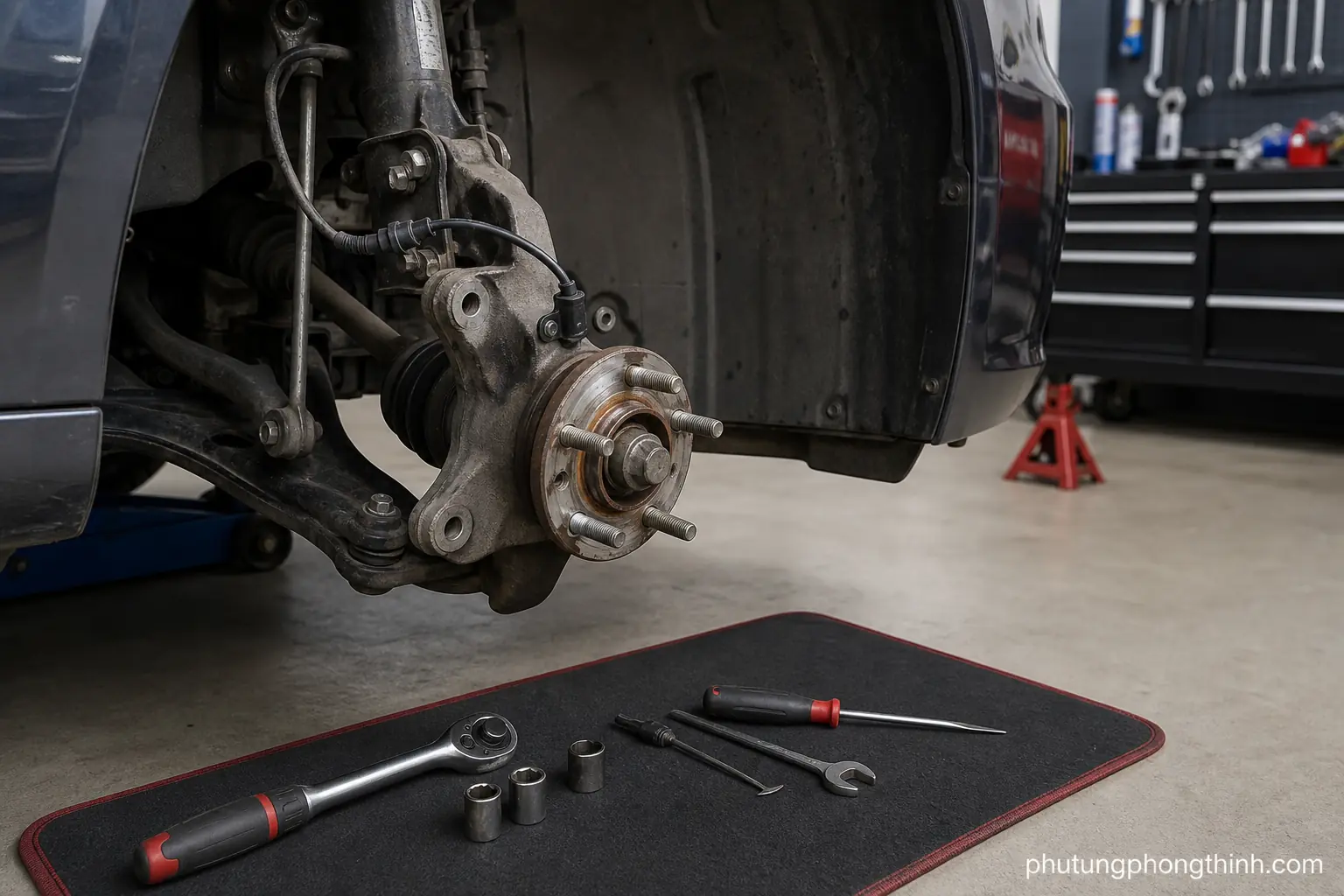
Start by locating the sensor at the hub or knuckle and tracing the harness to the connector. On many cars, the sensor is easy to see but harder to remove because of corrosion or tight harness routing. Carefully disconnect the plug and inspect it for connector corrosion or broken clips.
Next, remove the retaining bolt and twist the sensor out of the sensor bore. If it is seized, use penetrating oil and gentle working motion rather than forcing it. Once the old unit is out, install the new sensor, route the harness correctly, and reconnect the plug. Reinstall any brackets or clips so the wire cannot rub the tire or suspension.

- Locate the sensor at the hub or knuckle.
- Disconnect the connector and check for damage.
- Remove the retaining bolt and extract the sensor carefully.
- Install the new sensor and route the harness correctly.
- Secure clips and brackets so the wire stays clear of moving parts.
Inspect the hub, tone ring, and wiring while the sensor is out
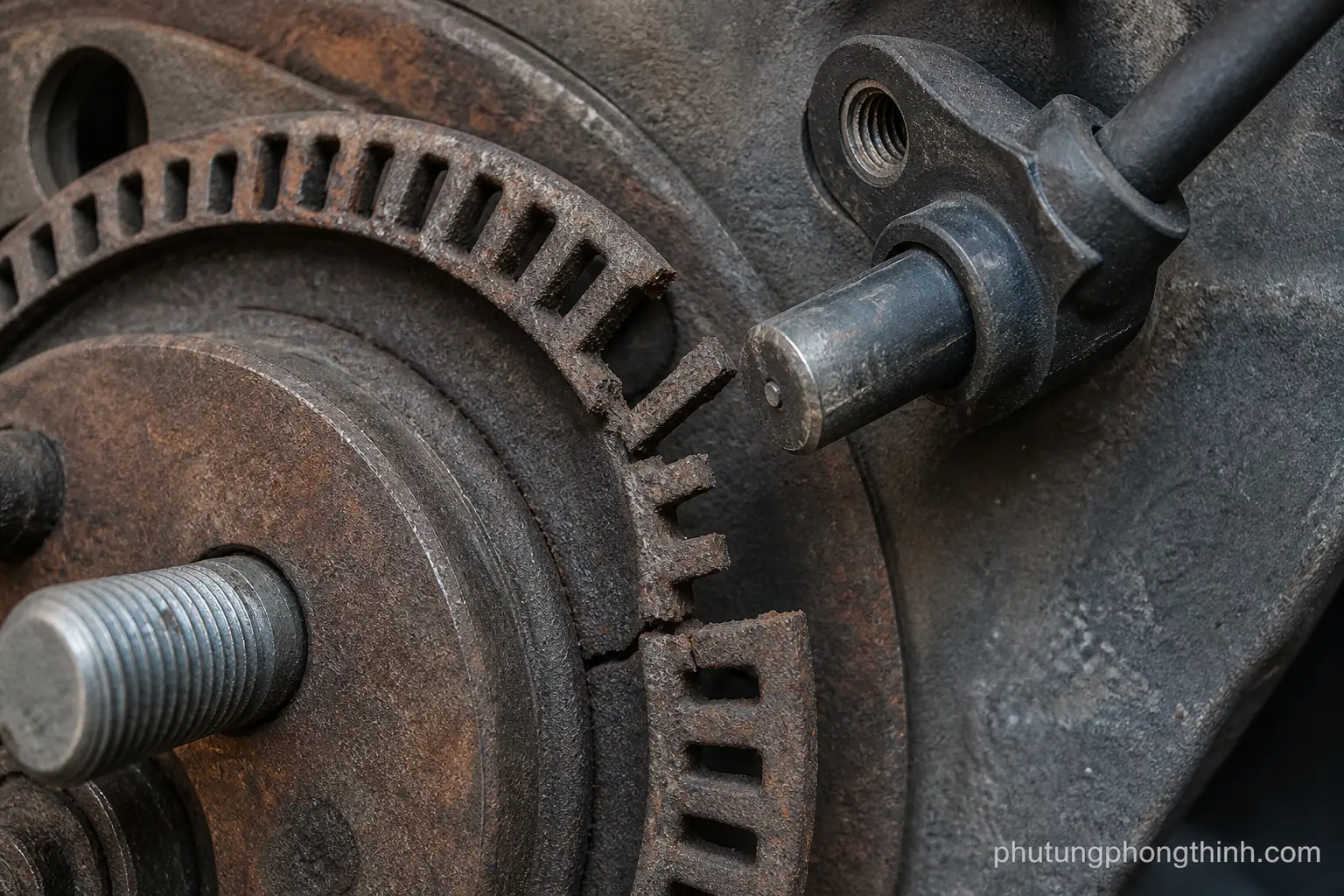
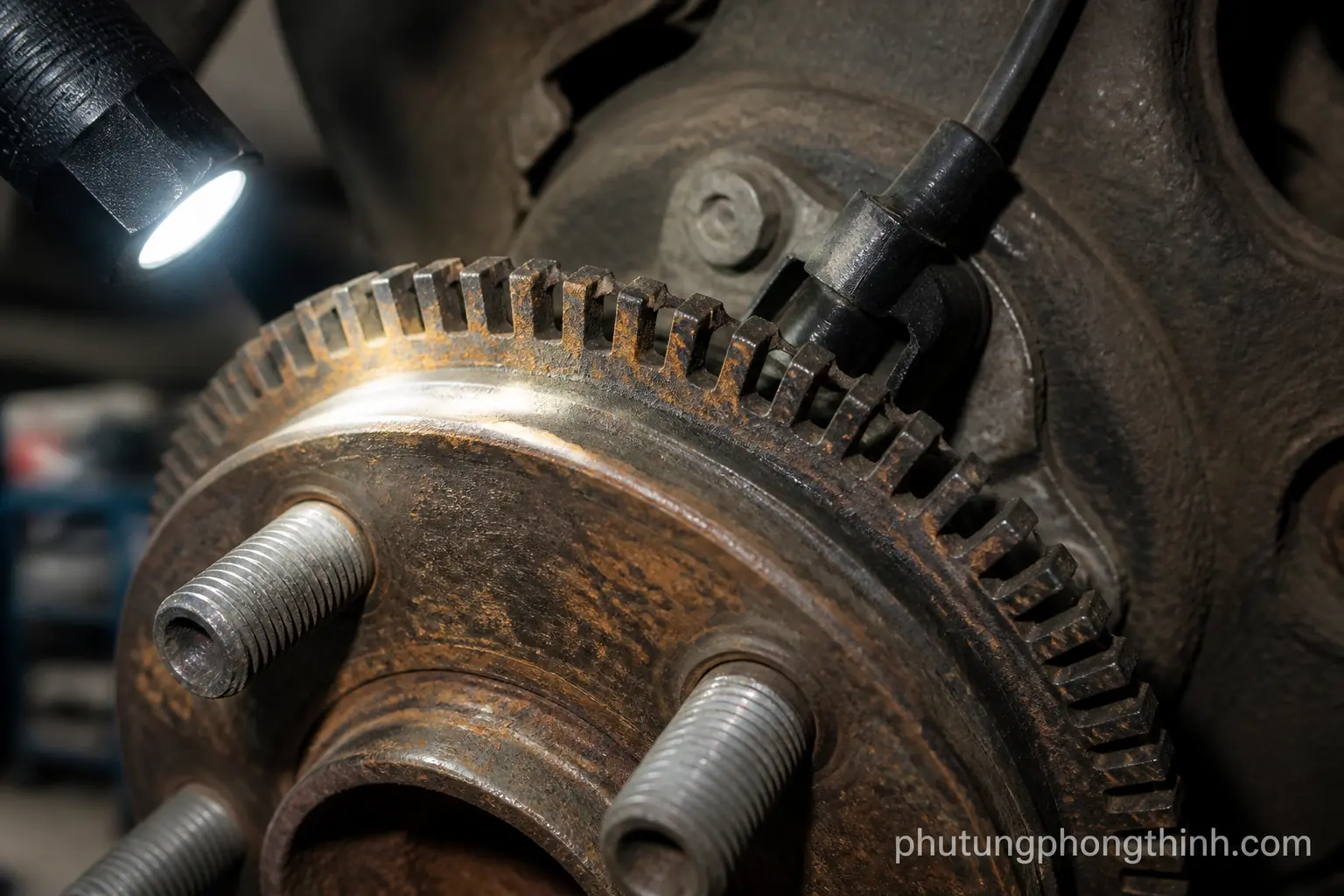
With the sensor removed, inspect the tone ring for cracks, missing teeth, rust swelling, or debris buildup. These issues can create false ABS faults even when the sensor is new. Also check the wheel bearing for excess play, since a loose bearing can distort readings and mimic a bad sensor.
Look closely at the harness near the strut, control arm, and connector area for cuts, chafing, or hidden damage. A dirty or corroded sensor bore can also keep the sensor from seating correctly. If the problem clearly points to wiring repair or a worn hub assembly, replacing only the sensor may not solve it. In some cases, a factory Ford sensor option such as a factory Ford sensor option is the next practical step after confirming the rest of the hardware is sound.

- Check the tone ring for cracks, missing teeth, and rust.
- Inspect wheel bearing play for signs of hub wear.
- Look for harness damage near suspension components.
- Clean the sensor bore if corrosion or debris is present.
- Consider wiring repair or hub replacement when needed.
Clear ABS codes and verify the repair with a test drive
After installation, use a scan tool to clear ABS codes. Then check live wheel speed data to confirm that all wheels report consistently. Some vehicles will not turn the warning lights off immediately, so a short drive cycle may be required before everything resets fully.
Finish with a careful test drive and confirm that ABS, traction control, and stability control behave normally. If the ABS light stays on after sensor replacement, recheck the connector, wiring, tone ring, and code history before assuming the new sensor failed.
- Clear codes with a scan tool.
- Verify live wheel speed data.
- Complete a short drive cycle if needed.
- Confirm ABS and traction control operation on the road.
- Recheck diagnosis if the light remains on.
When replacing the sensor is not enough
Sometimes the deeper fault is elsewhere. Wheel bearing wear, damaged tone rings, and wiring faults can all mimic a bad wheel speed sensor. Intermittent connector corrosion or internal harness damage may only show up when the vehicle is moving or when the suspension flexes.
If live data still shows an incorrect wheel speed after the swap, further diagnosis may point to the ABS module or the full hub assembly instead of the sensor alone. Check the related code history before swapping more parts. In that situation, an OEM-fit replacement part like an OEM-fit replacement part makes sense only after the true failure point has been confirmed.
- Wheel bearing wear can distort sensor readings.
- Tone ring damage can look like a failed sensor.
- Connector corrosion may cause intermittent faults.
- Persistent bad data can point to the ABS module or hub assembly.
- Review code history before replacing more parts.
FAQ: wheel speed sensor replacement questions
- How long does wheel speed sensor replacement usually take? On many vehicles it can take about one to two hours, but rust, tight access, and corroded hardware can make it take longer.
- Is it safe to drive with the ABS light on? The car may still stop, but ABS, traction control, and stability control may not work correctly, so it is best to repair the fault as soon as possible.
- How do you clean a corroded sensor bore? Remove loose rust and debris carefully, then clean the bore so the new sensor seats fully without forcing it into place.
- How do you diagnose a bad wheel speed sensor before replacing it? Check trouble codes, compare live wheel speed data, inspect the harness and connector, and look at the tone ring and hub condition.
- Why is the ABS light still on after repair? The system may still have stored codes, or the real problem may be wiring, hub play, tone ring damage, or another fault that was not fixed.
Frequently Asked Questions
How long does wheel speed sensor replacement usually take?
On many vehicles it takes about one to two hours, but rust, tight access, and corroded hardware can make it take longer.
Is it safe to drive with the ABS light on?
The car may still stop, but ABS, traction control, and stability control may not work correctly, so it is best to repair the fault as soon as possible.
How do you clean a corroded sensor bore?
Remove loose rust and debris carefully, then clean the bore so the new sensor seats fully without forcing it into place.
How do you diagnose a bad wheel speed sensor before replacing it?
Check trouble codes, compare live wheel speed data, inspect the harness and connector, and look at the tone ring and hub condition.
Why is the ABS light still on after repair?
The system may still have stored codes, or the real problem may be wiring, hub play, tone ring damage, or another fault that was not fixed.