How to Replace a Leaking Brake Caliper: 2026 DIY Guide
How to Replace a Leaking Brake Caliper Safely
If you’re trying to figure out how to replace a leaking brake caliper, the first step is confirming that the brake fluid leak is actually coming from the caliper area and not from a brake hose or wheel cylinder. A leaking caliper should not be temporarily sealed; once the piston seal, bleeder screw, or banjo bolt connection is compromised, replacement is the safe fix. Brake work is safety-critical, so use the right tools, proper jack stands, and careful support throughout the job.
The repair follows a clear path: remove the wheel, inspect the brake assembly, replace the caliper, torque the hardware correctly, bleed the brakes, and test pedal feel before driving. Bleeding and inspection are part of the repair, not optional extras, because air and contamination can leave the system unsafe even after the new part is installed.
This guide breaks down the practical DIY procedure for a fluid leak so you can work methodically and avoid common mistakes.
Signs the Caliper Is the Real Source of the Brake Fluid Leak
Before ordering parts, look closely at the caliper body, the piston seal area, the bleeder screw, and the banjo bolt connection for wetness. A true caliper leak often leaves fluid on the inner wheel, a low reservoir level, and a soft pedal. If the wet area is centered on the hose fitting instead, the problem may be the brake hose or a loose connection rather than the caliper itself.
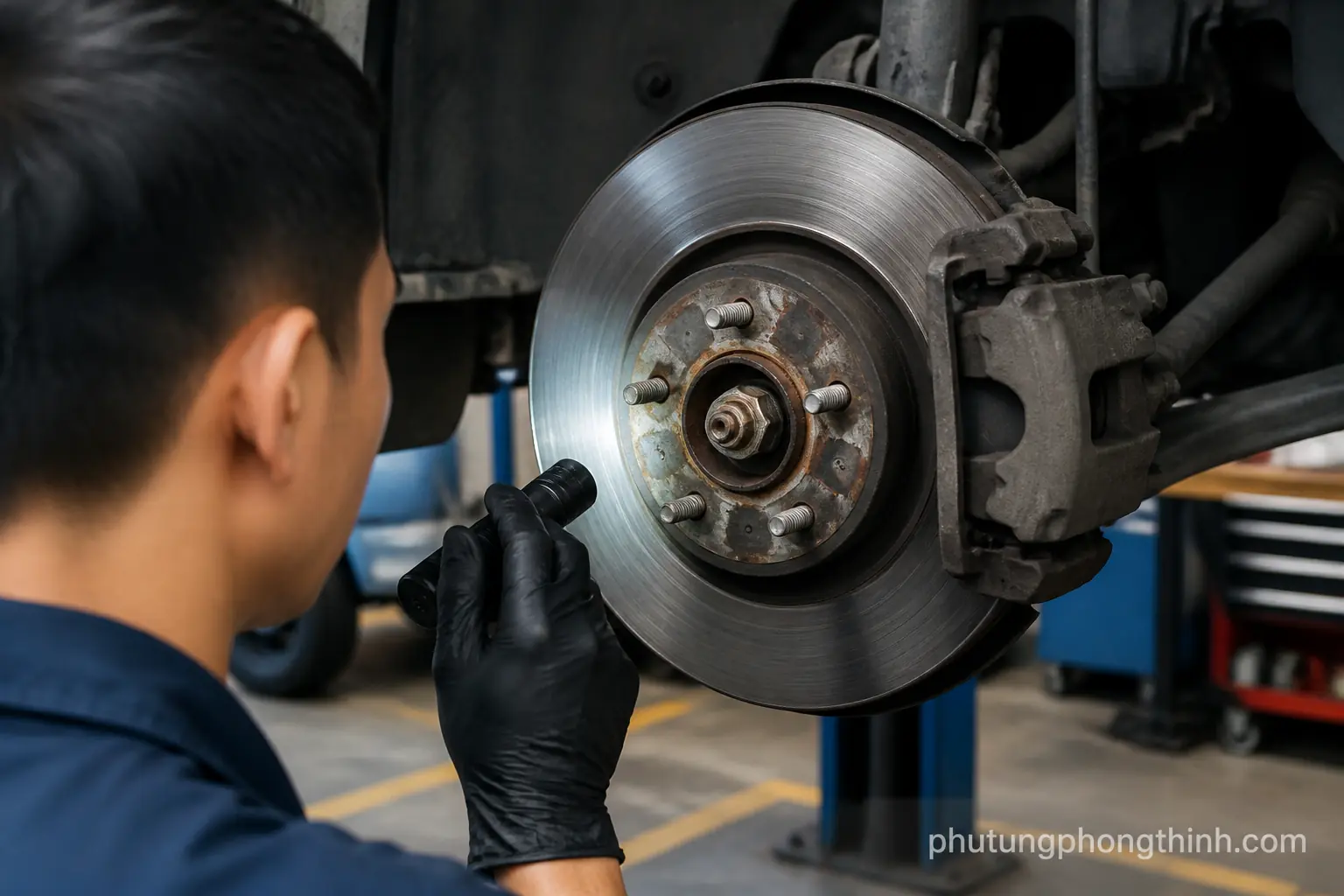
It also helps to check the copper crush washers, the brake hose, caliper slide pins, and nearby dust boots for damage or seepage. While you’re there, inspect the brake rotor and pad surfaces for brake fluid contamination, since soaked friction material usually can’t be safely reused.
Frequently Asked Questions
Can a leaking brake caliper be repaired instead of replaced?
Usually, no. If the leak is coming from the piston seal, bleeder screw, or banjo bolt area, replacement is the reliable repair. Temporary sealers or patching methods are not appropriate for a brake fluid leak.
How do I fix a soft brake pedal after replacing a caliper?
Recheck the bleeding process, make sure the master cylinder stayed full, and look for trapped air at the caliper or ABS unit. If the pedal is still soft, there may be another leak or an ABS bleed procedure may be required.
How can I tell if the brake hose is leaking instead of the caliper?
Brake hose leaks usually show wetness along the hose itself or at the crimped fitting, while a caliper leak is usually centered on the piston seal, bleeder screw, or hose connection at the caliper. Clean the area and inspect again under pressure if needed.
How long does a DIY brake caliper replacement take?
For a straightforward job, it may take a few hours, especially if you also need to bleed the brakes and inspect pads or rotors. Rust, stuck hardware, or extra repairs can make it take longer.
Should brake calipers be replaced in pairs?
Sometimes. If the vehicle has high mileage, uneven wear, or one side is failing from age, replacing both sides can help keep brake feel and wear more consistent. If the opposite side is in good condition and the issue is isolated, one caliper can be replaced.
Related Articles
Featured Products
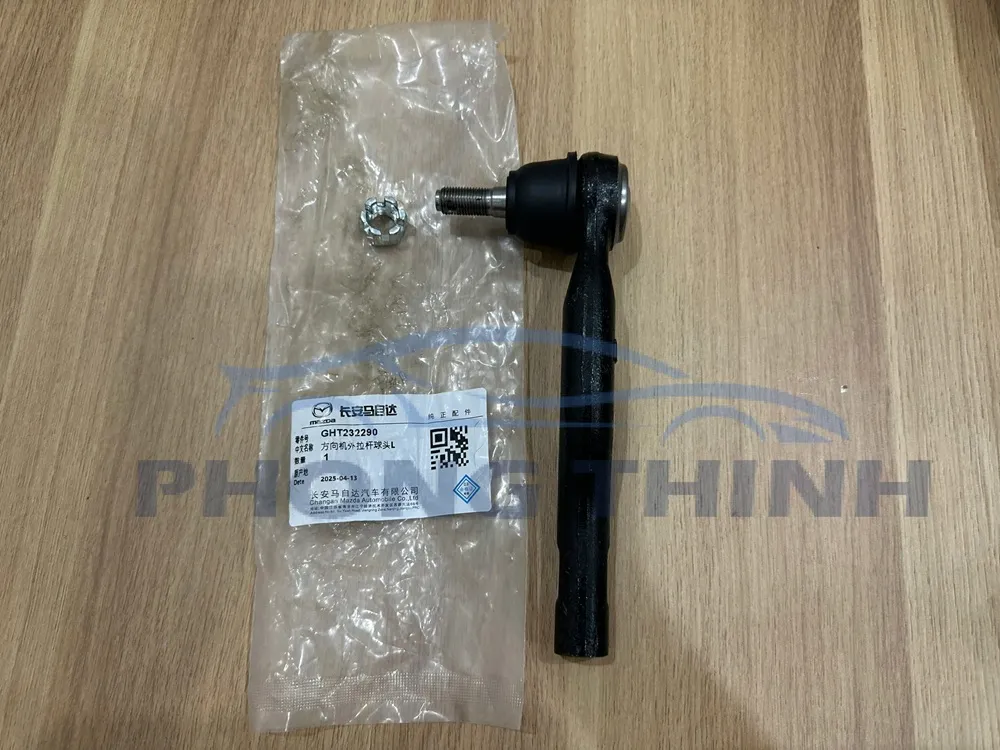
Outer Tie Rod End for Mazda 3 Mazda 6 2015-2018 LH OEM GHT232290
Contact us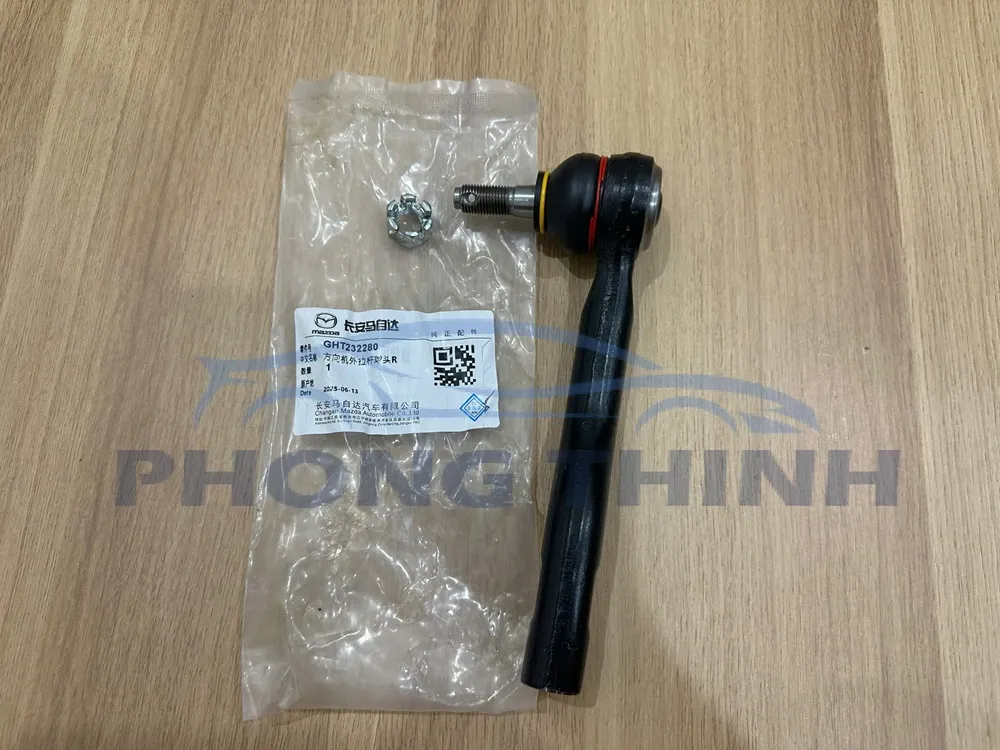
Outer Tie Rod End Mazda 3 Mazda 6 2015-2018 RH OEM GHT232280
Contact us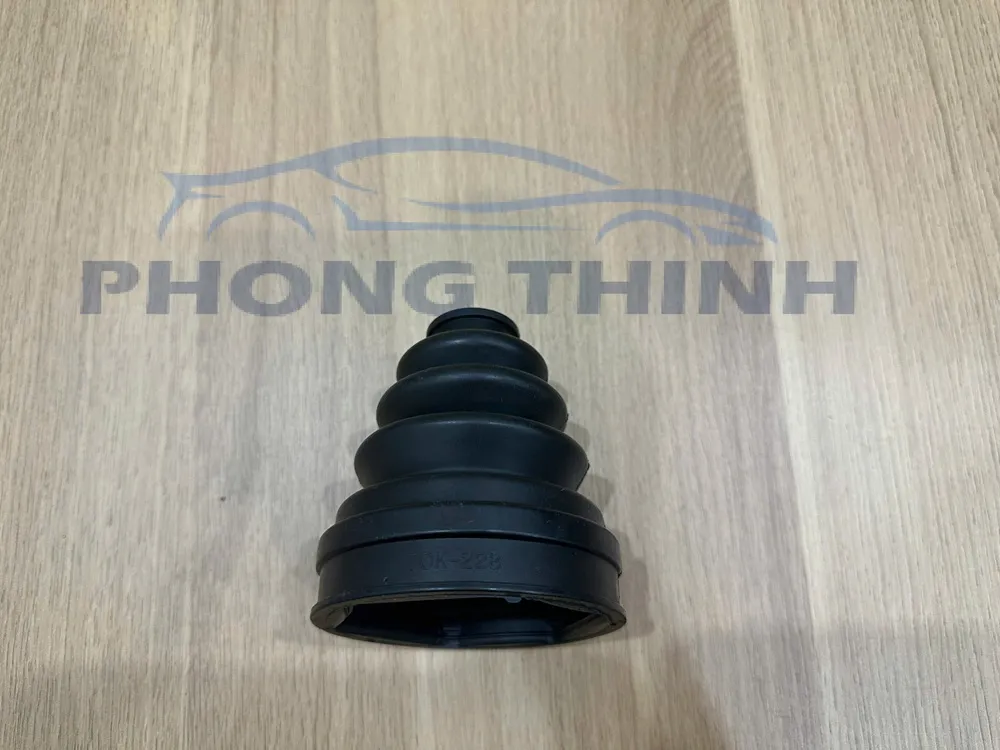
Inner CV Boot for Mazda 3 2014-2018 TOK TOK228
Contact us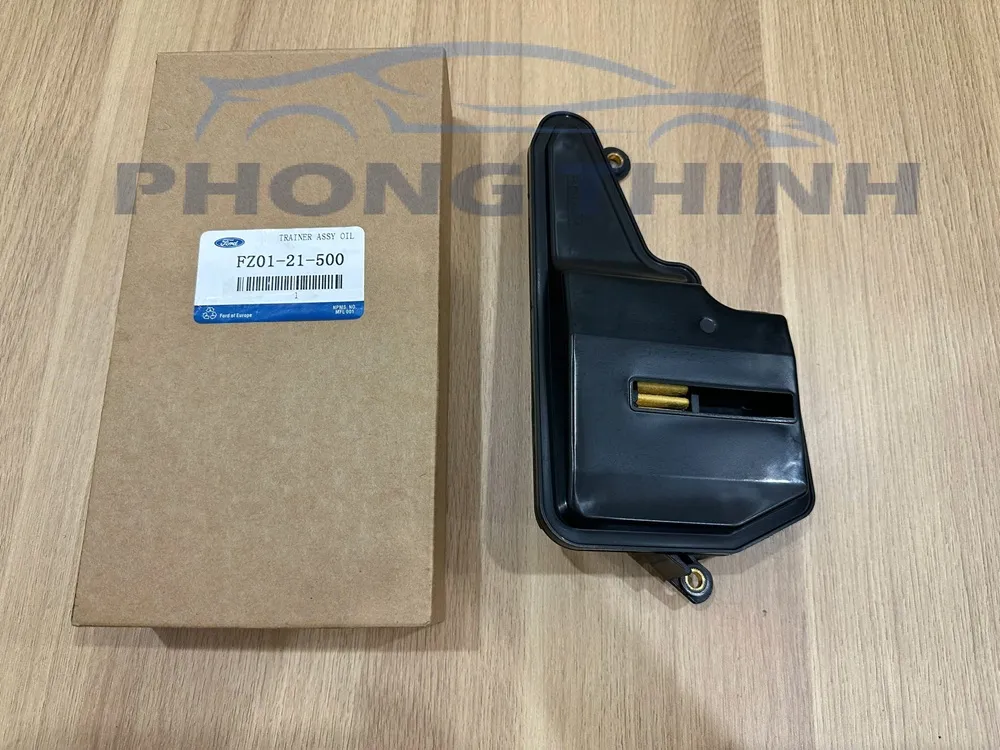
Mazda 3 Mazda CX-5 Automatic Transmission Oil Filter 2015-2018 OEM FZ…
Contact us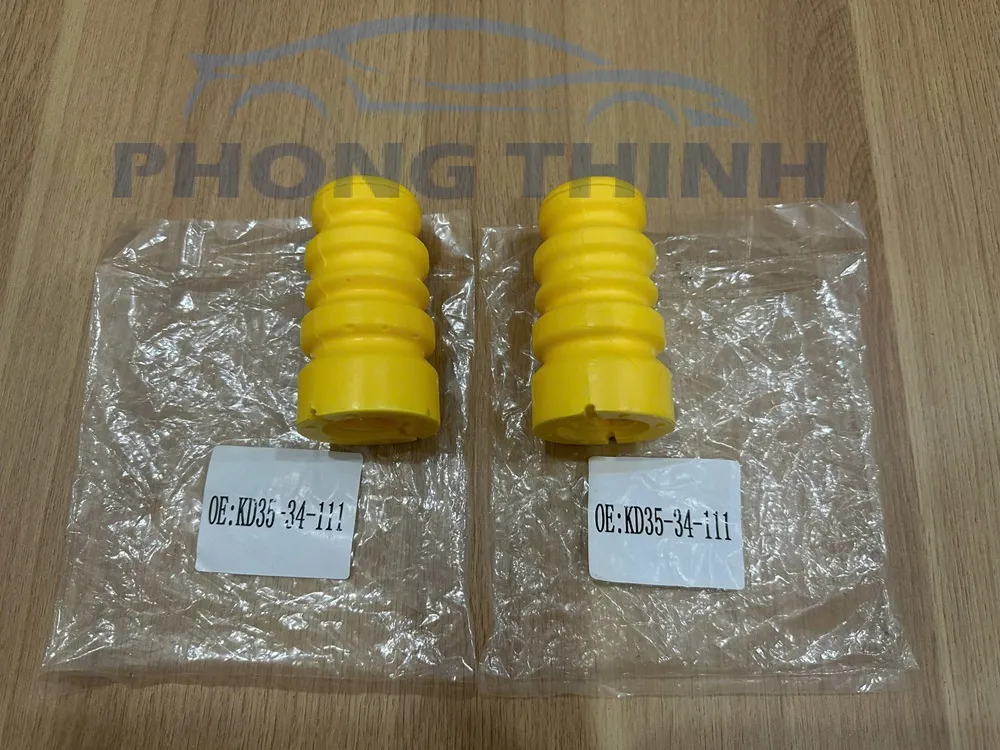
Front Shock Absorber Bump Stop for Mazda CX5 2013-2016 OEM KD3534111
Contact us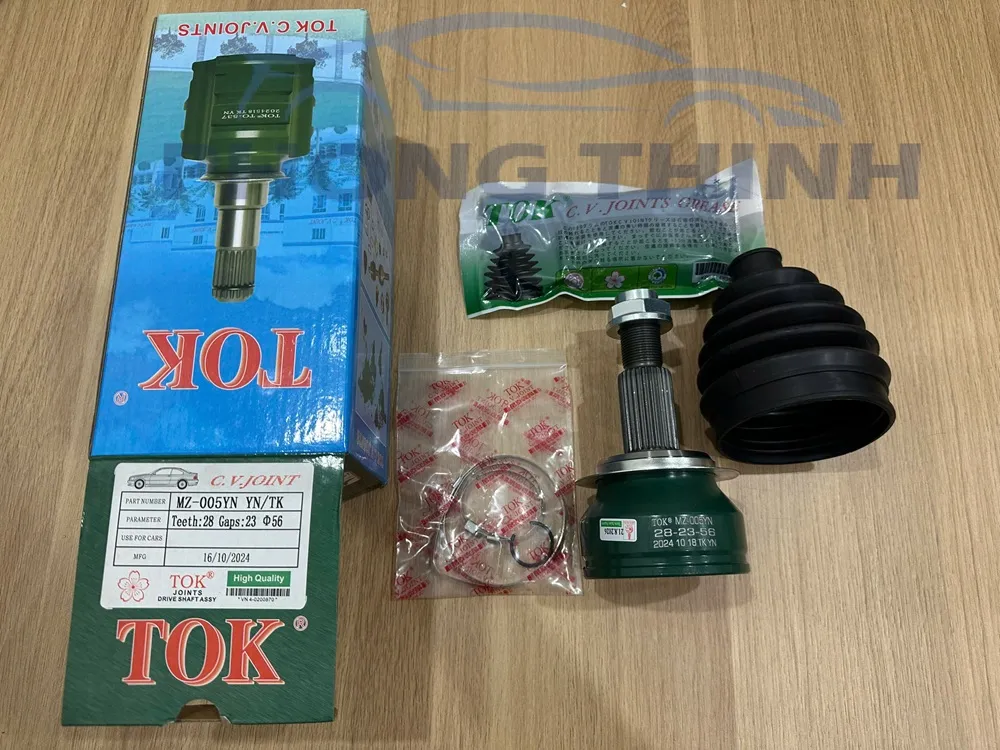
Outer CV Joint for Mazda 3 2014-2018 TOK MZ005YN
Contact us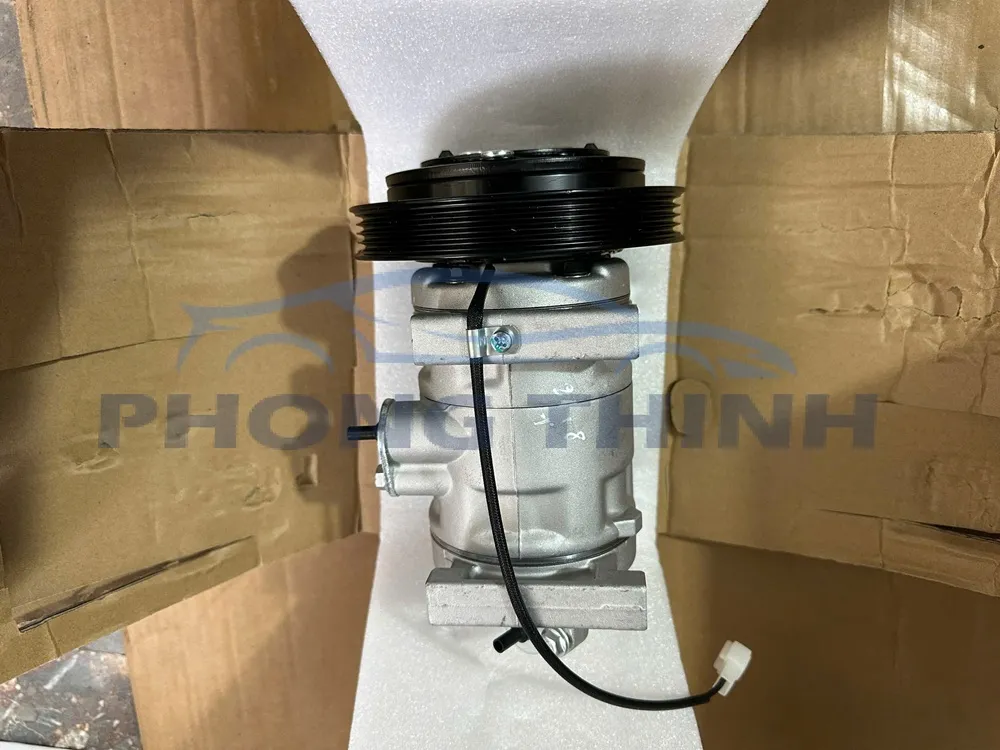
Ford Laser 1.6 AC Compressor 2000-2005 OEM B25F61K00A
Contact us