How to Replace a Brake Booster: Step-by-Step DIY Guide
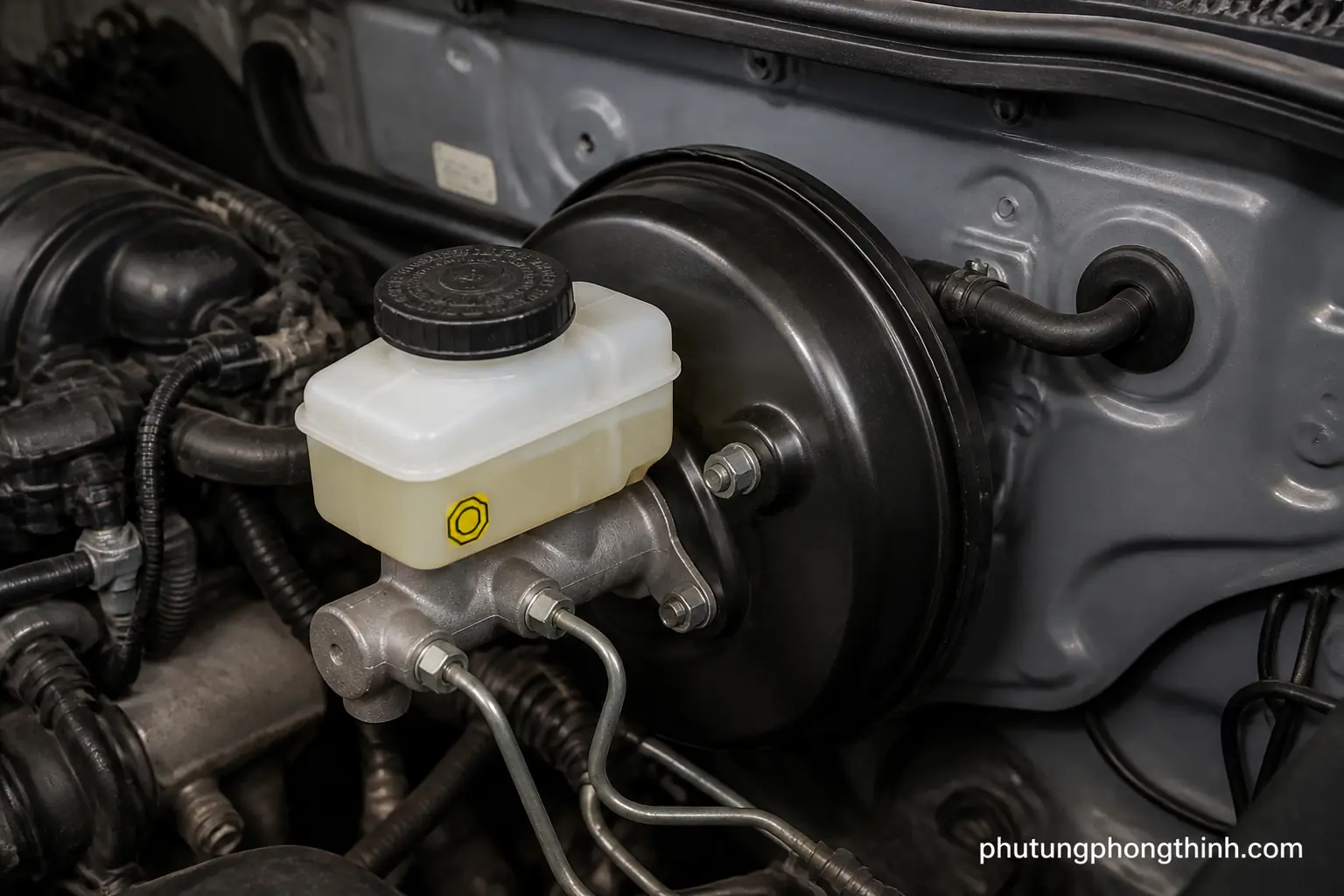
How to Replace a Brake Booster: What the Job Involves
Learning how to replace a brake booster starts with understanding that this repair usually reaches both the engine bay and the area under the dash. On many vehicles, the job begins at the firewall, then moves to the master cylinder, vacuum hose, and brake pedal linkage before the new unit can go in. It is a manageable DIY task for someone with patience and basic tools, but it is not a casual afternoon job.
The most common reason to replace the booster is a hard brake pedal or a clear loss of vacuum assist. You may also notice a hissing noise when you press the brakes, or feel that the pedal no longer responds the way it should. Before tearing everything apart, it is smart to check the vacuum hose and check valve and make sure the problem is not actually in the master cylinder, since those symptoms can overlap.
Tools, Parts, and Safety Prep
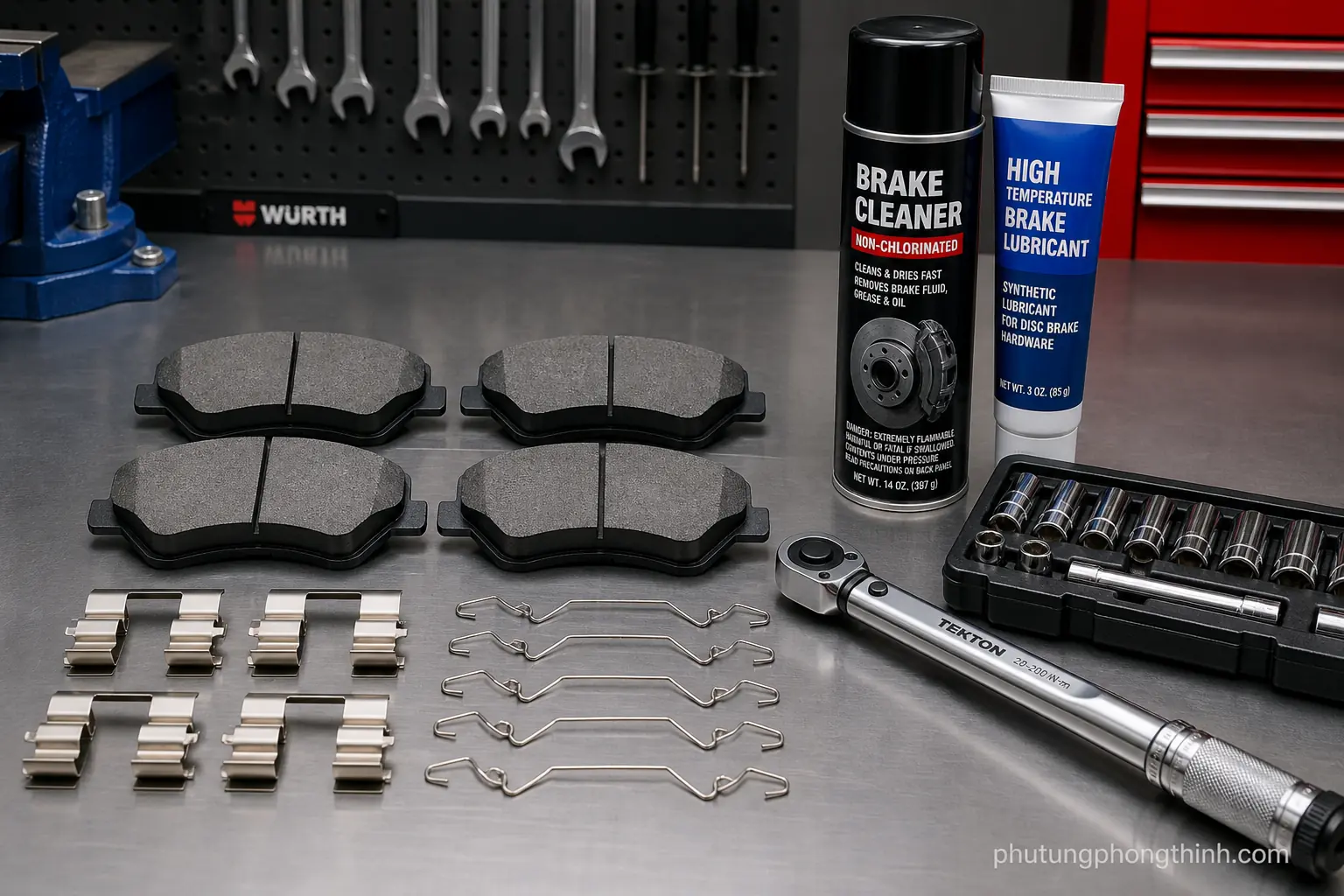
Before you start, gather the tools and parts you will need so you do not get stuck mid-repair. Most brake booster replacement jobs call for common hand tools, ratchets, extensions, pliers, line caps, a replacement booster, and sometimes new hardware. If the master cylinder has to come off, have fresh brake fluid ready as well.
Preparation matters because brake work is messy and mistakes can be expensive. Disconnect the battery if needed, relieve vacuum assist safely, and protect painted surfaces from brake fluid. Keep every clip, fastener, and pushrod part organized so the brake pedal linkage goes back together correctly.
- Hand tools, ratchets, extensions, line caps, and pliers
- Replacement brake booster and any needed hardware
- Fresh brake fluid if the master cylinder is removed
- Safety gear and support stands if you need access underneath
How to Replace a Brake Booster Step by Step
Start by disconnecting the vacuum hose and check valve from the booster. Then unbolt the master cylinder from the booster and move it aside if you can do so without opening the brake lines. After that, remove the booster mounting nuts at the firewall and disconnect the brake pedal linkage from inside the cabin.

With the old unit out, install the new booster against the firewall and reconnect the brake pedal linkage. Reattach the master cylinder and vacuum hose, then tighten all fasteners to the proper specification. Before you close up the dash area, make sure the pedal moves smoothly and nothing binds. If you are also looking for a related drivetrain replacement part, it helps to compare repair needs carefully so you stay focused on the job at hand.
Some vehicles need a pushrod adjustment after installation so the brake pedal has the correct free play and height. If you opened the master cylinder or brake lines, brake bleeding may also be necessary before the system is safe to drive. Finish by verifying vacuum assist before any road test.
- Disconnect the vacuum hose and check valve
- Remove the master cylinder if needed, without opening the lines
- Unbolt the booster from the firewall and detach the linkage
- Install the new booster, then reconnect and torque everything properly
- Check pushrod adjustment and bleed brakes if required
Brake Booster Testing After Installation
Once the repair is complete, test the pedal with the engine off and then again with the engine running. A properly working booster should give you a restored assisted pedal, with no hissing noise and no strange change in pedal height. Also check for vacuum leaks and any warning lights that appear after startup.
If the symptoms remain, go back and recheck the check valve, vacuum hose, and master cylinder connection. In some cases, the issue turns out to be a master cylinder replacement job instead of a booster problem. If the pedal is still hard to press, there may be another brake system fault that needs diagnosis. After that, you may also want to evaluate another OEM replacement component as part of broader maintenance planning.
When to Stop and Get Professional Help
Stop and get professional help if you run into seized fasteners, damaged brake pedal linkage, or stripped firewall studs. You should also pause if you find brake fluid leaks, poor braking, or you are unsure about pushrod adjustment. If you are not comfortable bleeding brakes or diagnosing vacuum assist, a qualified technician should inspect the system.
Frequently Asked Questions
What are the most common signs of a bad brake booster?
The most common brake booster symptoms are a hard brake pedal, a hissing noise when pressing the brakes, and reduced vacuum assist. In some cases, the pedal may sit higher than normal or feel much harder than it should during stops.
Can a bad master cylinder feel like a bad brake booster?
Yes. A master cylinder problem can sometimes mimic booster failure because both can affect pedal feel and braking performance. That is why it is important to check for leaks, pedal behavior, and the vacuum supply before replacing parts.
Do I always need to bleed the brakes after replacing the booster?
Not always. If the master cylinder and brake lines were left sealed during the repair, bleeding may not be necessary. If the master cylinder was removed or any brake lines were opened, bleeding is usually required.
How do I know if the check valve or vacuum hose is the problem?
Inspect the vacuum hose for cracks, loose fittings, or collapse, and check the check valve for proper one-way flow. If those parts are damaged, the booster may not receive enough vacuum assist even if the booster itself is still good.
What should I check if the pedal is still hard after booster replacement?
Recheck the vacuum hose, check valve, master cylinder connection, and pushrod adjustment. If the pedal remains hard, the issue may be elsewhere in the brake system and needs further diagnosis.