How to Remove Rust from Brake Rotors: Easy DIY Guide
How to Remove Rust from Brake Rotors Safely
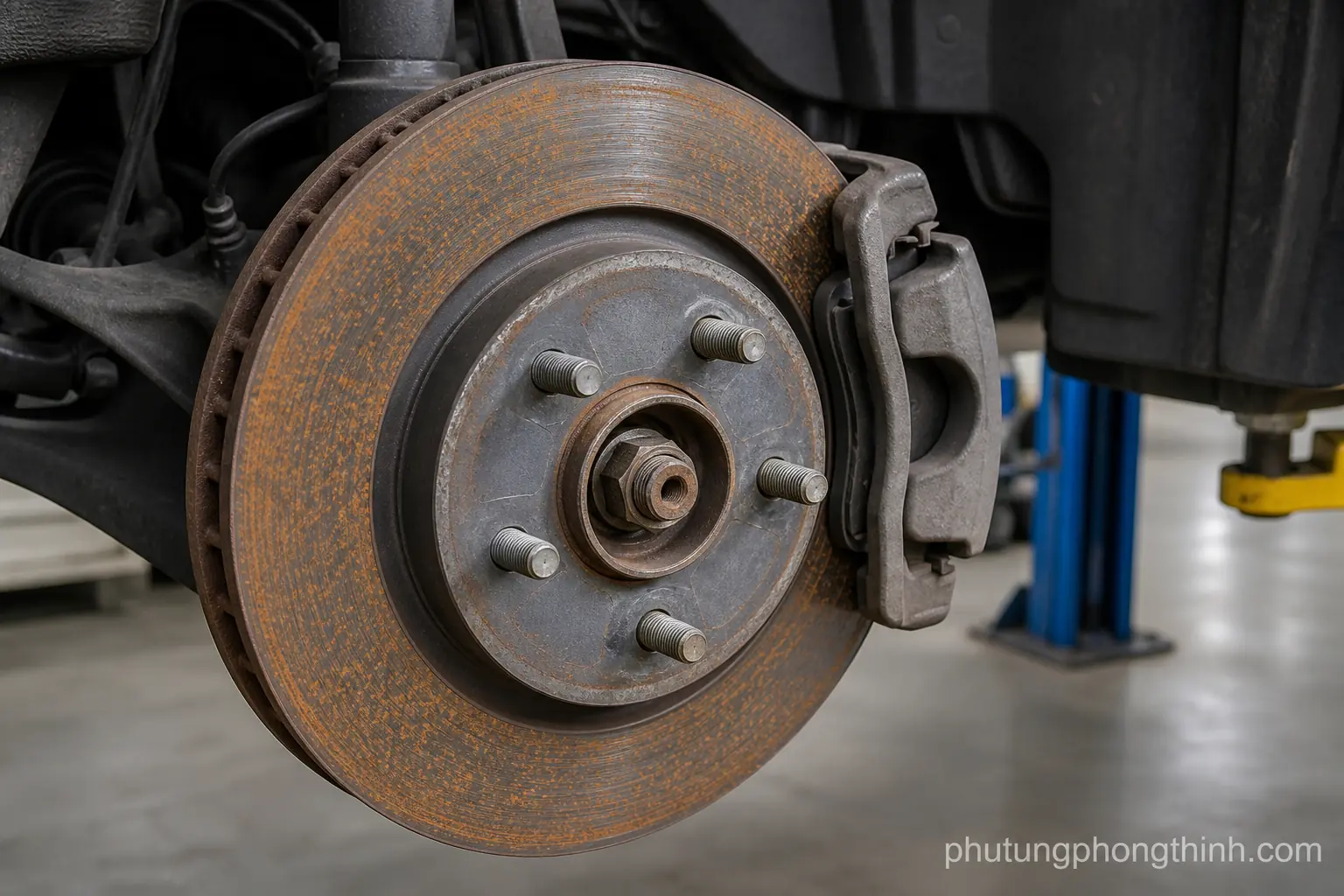
If you’re looking for how to remove rust from brake rotors, the good news is that light surface rust is usually normal. Orange flash rust often shows up after rain, a car wash, or a few days of sitting, and it usually comes off with use or a simple cleanup. This guide is for light rust only; deep pitting, heavy scoring, or badly worn rotors need a different fix. Before you start, work on a level surface, set the parking brake, use wheel chocks, and make sure the brakes are cool.
In most cases, the process is straightforward: inspect the rotor, clean off loose contamination, test the braking surface, and then decide whether the rotor still has good life left. Basic tools like brake cleaner, a wire brush, and an abrasive pad are usually enough for surface rust. For very light buildup, normal driving and a few gentle stops can also clear the rotor face without any extra work.
Why Brake Rotors Rust After Rain or Sitting
Brake rotors are usually cast iron rotors, and bare iron reacts quickly with moisture and oxygen. That’s why surface rust can appear fast, even overnight after rain or after a vehicle has been parked for a while. A wash, humid weather, or simple storage can leave a thin layer of orange flash rust on the rotor surface.
In many cases, the first few brake applications scrub that rust right off. But if the corrosion is deeper, you may see pitting, scoring, or uneven wear instead of a clean surface. Persistent rust can also point to sticking caliper slide pins or worn brake pads, and brake pulsation or new noise are signs that a closer inspection is smart.
Tools and Materials You’ll Need
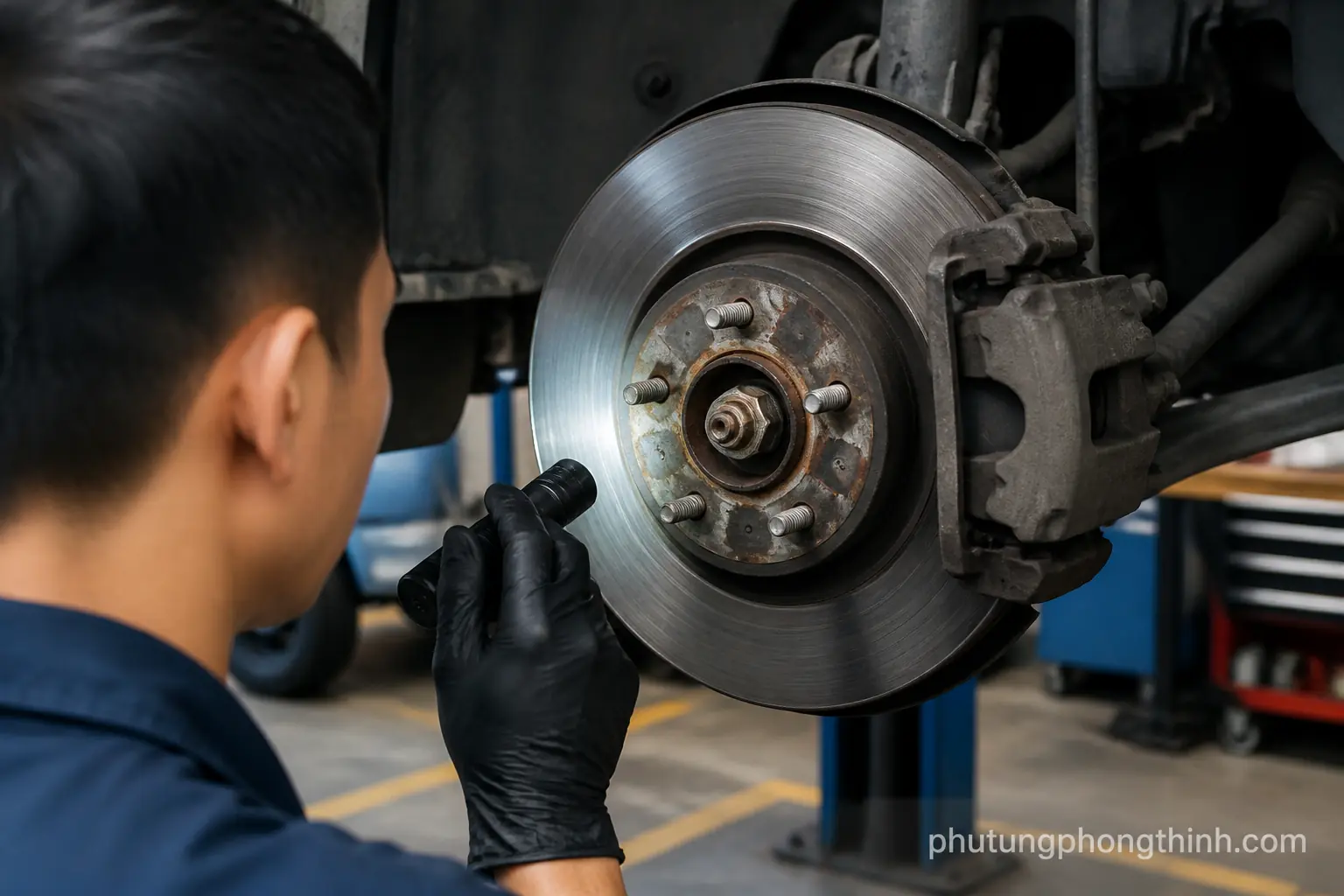
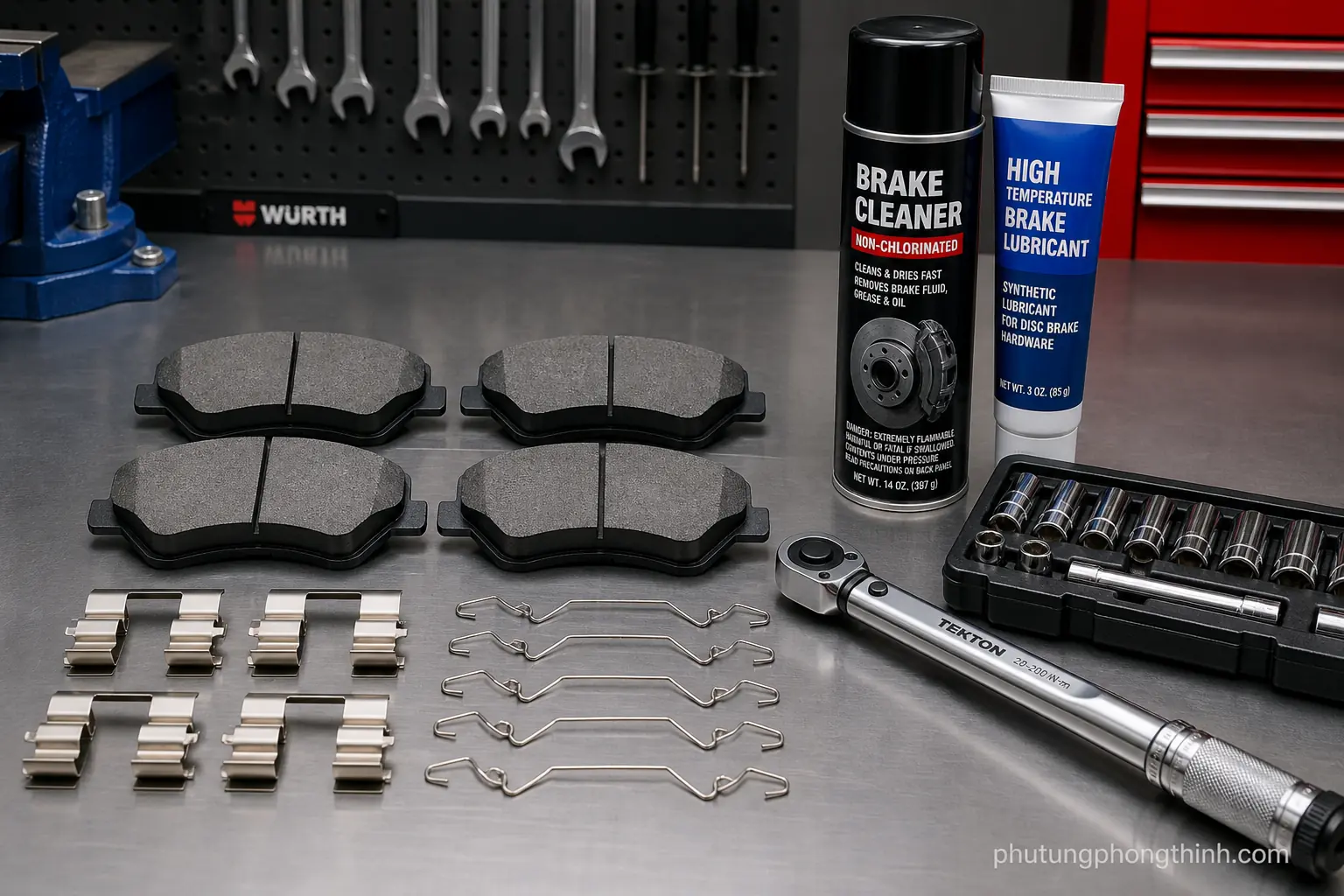
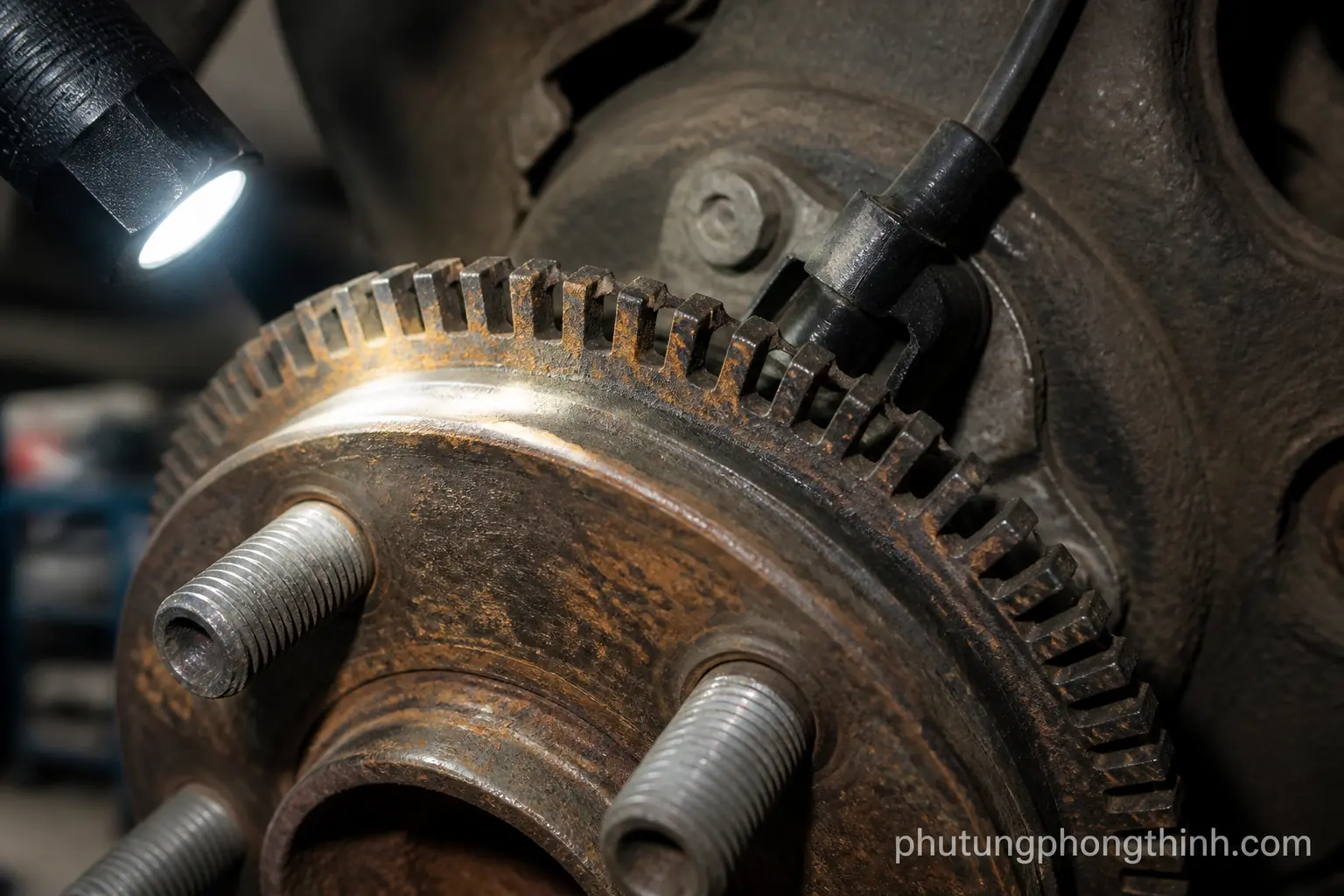
For a simple DIY brake rotor rust cleanup, gather brake cleaner, a wire brush, an abrasive pad, gloves, and eye protection. If you need to remove the wheel, have a jack, jack stands, and wheel chocks ready. A flashlight is helpful too, especially when you want to inspect the rotor edges and braking surface closely.
Brake cleaner is useful for removing dust and loose contamination before you scrub. A wire brush or abrasive pad works well for light surface rust, but only use it gently. Avoid aggressive grinding or harsh abrasives that can damage the braking surface or create uneven wear.

- Brake cleaner, wire brush, abrasive pad, gloves, and eye protection
- Jack, jack stands, and wheel chocks if the wheel must come off
- Flashlight for brake rotor inspection
Step-by-Step: Clean Light Rust Off Brake Rotors
Start by securing the vehicle, removing the wheel if needed, and checking the rotor face for heavy corrosion or damage. Spray brake cleaner to lift dust and loose debris, then gently scrub the surface rust with a wire brush or abrasive pad. Rotate the rotor and look for evenly cleaned metal without deep marks, grooves, or rough spots.
Once the rotor looks clean, reinstall the wheel and torque the lug nuts properly. Before driving, pump the brake pedal so the pads seat correctly. Then take a slow test drive with a few light stops to clear any remaining flash rust; if you still notice noise, vibration, or rough braking, stop and inspect again.
- Secure the vehicle and inspect the rotor face
- Clean with brake cleaner and scrub gently
- Reinstall the wheel, pump the pedal, and test with light stops
When Rust Means the Rotor Should Be Replaced
If the rotor has pitting, heavy scoring, or has worn thin, cleaning is no longer the right answer. Brake pulsation, uneven braking, and rust that keeps coming back can all point to rotor damage or a larger brake repair issue. Severe corrosion on the friction surface is not a safe DIY cleanup case.
At that point, the choice is usually between brake rotor resurfacing vs replacement, and the right answer depends on thickness and condition. If the rotor is below spec or deeply corroded, replacement is often the better long-term fix. The goal is always safe braking and dependable performance, not just making the surface look better for a day.
| Rotor condition | Typical fix | What it means |
|---|---|---|
| Light surface rust | Clean and test | Often normal after rain or sitting |
| Minor unevenness | Inspect and measure | May still be serviceable if within spec |
| Pitting, scoring, or thin rotor | Replace | Not a safe candidate for simple cleanup |
How to Inspect Brake Pads and Caliper Health
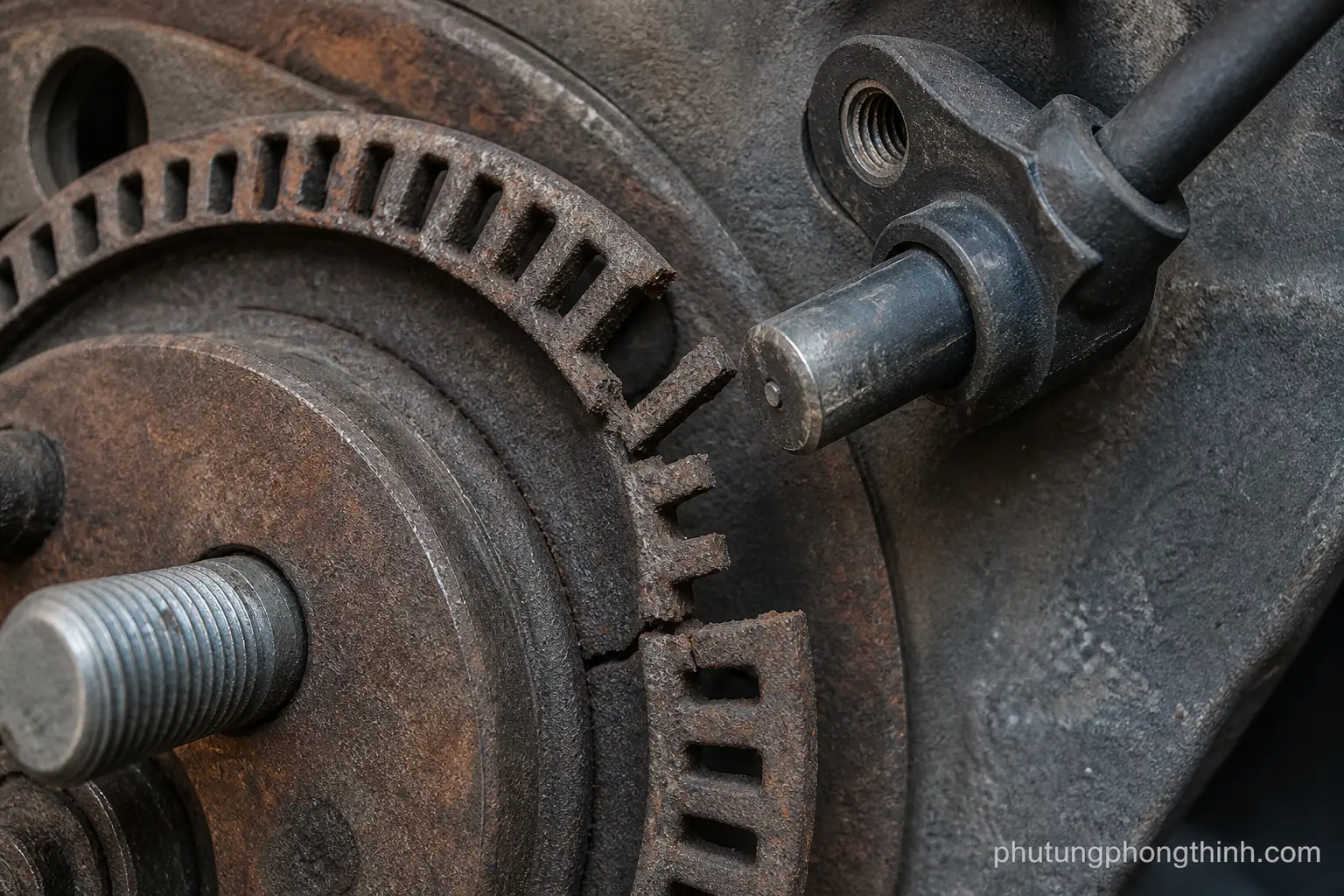
If rust keeps returning, inspect the brake pads for uneven wear or very little remaining material. Sticking caliper slide pins can prevent the pads from moving freely, which may leave one side dragging on the rotor and cause it to rust or wear differently from the others. That kind of issue can look like a rotor problem when the real cause is hardware or caliper movement.
Healthy pads and free-moving calipers help prevent recurring rust and uneven braking. Check both sides of the axle so you do not miss the root cause, and compare the wear side to side. If braking still feels uneven or noisy after cleanup, a professional inspection is the safest next step.

- Inspect brake pads for uneven wear or low material
- Check caliper slide pins and hardware for sticking
- Compare both sides of the axle for consistent wear
When you’re sorting out brake inspection and other maintenance on the same vehicle, it can also help to find the right replacement part for the broader service work.
FAQ: Rusty Brake Rotor Questions
Can you drive with rusty rotors? Light surface rust is usually safe for a short drive, and normal braking often clears it quickly. If the rust is heavy, the brake pedal feels wrong, or you hear grinding, have the brakes inspected before driving far.
How fast does rust come back after rain? On cast iron rotors, flash rust can appear in just a few hours. It often wipes off with the first few stops, so a thin orange layer after wet weather is usually not a concern.
When is brake noise normal? A brief squeak or light scraping after sitting in the rain can be normal while surface rust is being cleaned off. Noise that lasts, gets louder, or comes with vibration may mean deeper corrosion, worn pads, or a rotor issue.
Do I need to replace rotors with surface rust? Not usually. If the rust is only on the surface and the rotor is smooth underneath, cleaning or normal driving is often enough. Replacement is more likely when you see pitting, scoring, or thickness below specification.
For readers maintaining the same Ford platform, a practical next step after brake and wheel-area checks may also be a related Ford part as part of routine upkeep.
Frequently Asked Questions
Can you drive with rusty rotors?
Light surface rust is usually safe for a short drive and often clears with a few gentle stops. If the rust is heavy, the brakes feel abnormal, or you hear grinding, the vehicle should be inspected before regular driving.
How fast does rust come back after rain?
Flash rust can form within hours on cast iron rotors after rain, a wash, or humid storage. It often disappears after the first few brake applications.
When is brake noise normal?
A brief squeak or light scraping can be normal if the rotors have surface rust from sitting. Noise that continues, gets worse, or comes with vibration may indicate worn pads, rotor damage, or caliper issues.
Do I need to replace rotors with surface rust?
Usually not. If the rust is only superficial and the rotor surface is still smooth, cleaning or normal driving is often enough. Replacement is more appropriate for pitting, scoring, or a rotor that is below thickness specification.