How to Lubricate Brake Caliper Slide Pins: Easy Guide
How to Lubricate Brake Caliper Slide Pins: What You Need to Know
If you’re learning how to lubricate brake caliper slide pins, the goal is simple: restore smooth movement in a floating caliper so the pads clamp evenly and release cleanly. These slide pins let the caliper shift side to side; when they dry out or get contaminated, they can cause brake drag, uneven pad wear, and a sticking caliper that feels like a bigger brake problem than it really is. In the steps below, you’ll see how to inspect, clean, grease, and reassemble the pins the right way.
Signs Your Caliper Slide Pins Need Service
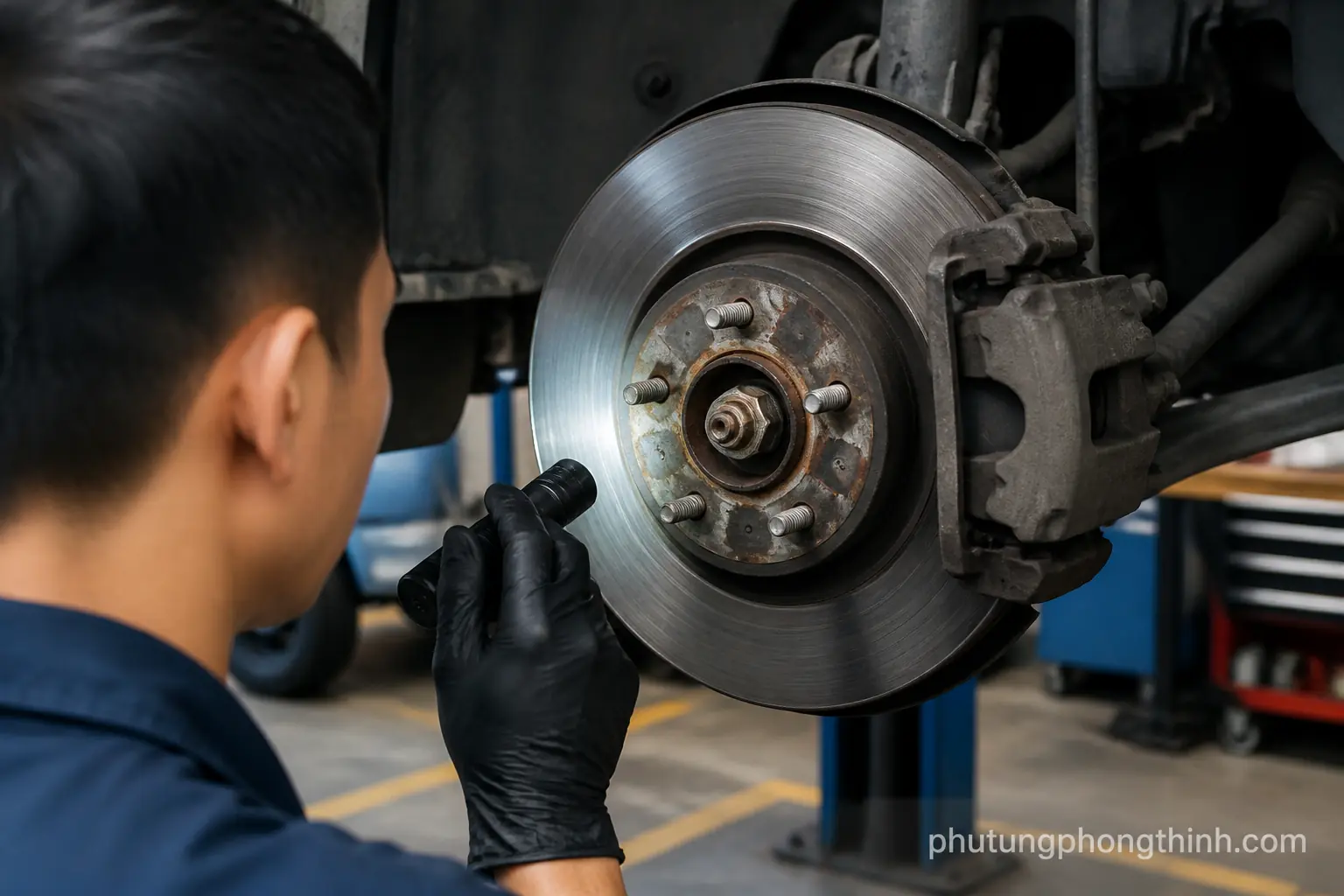
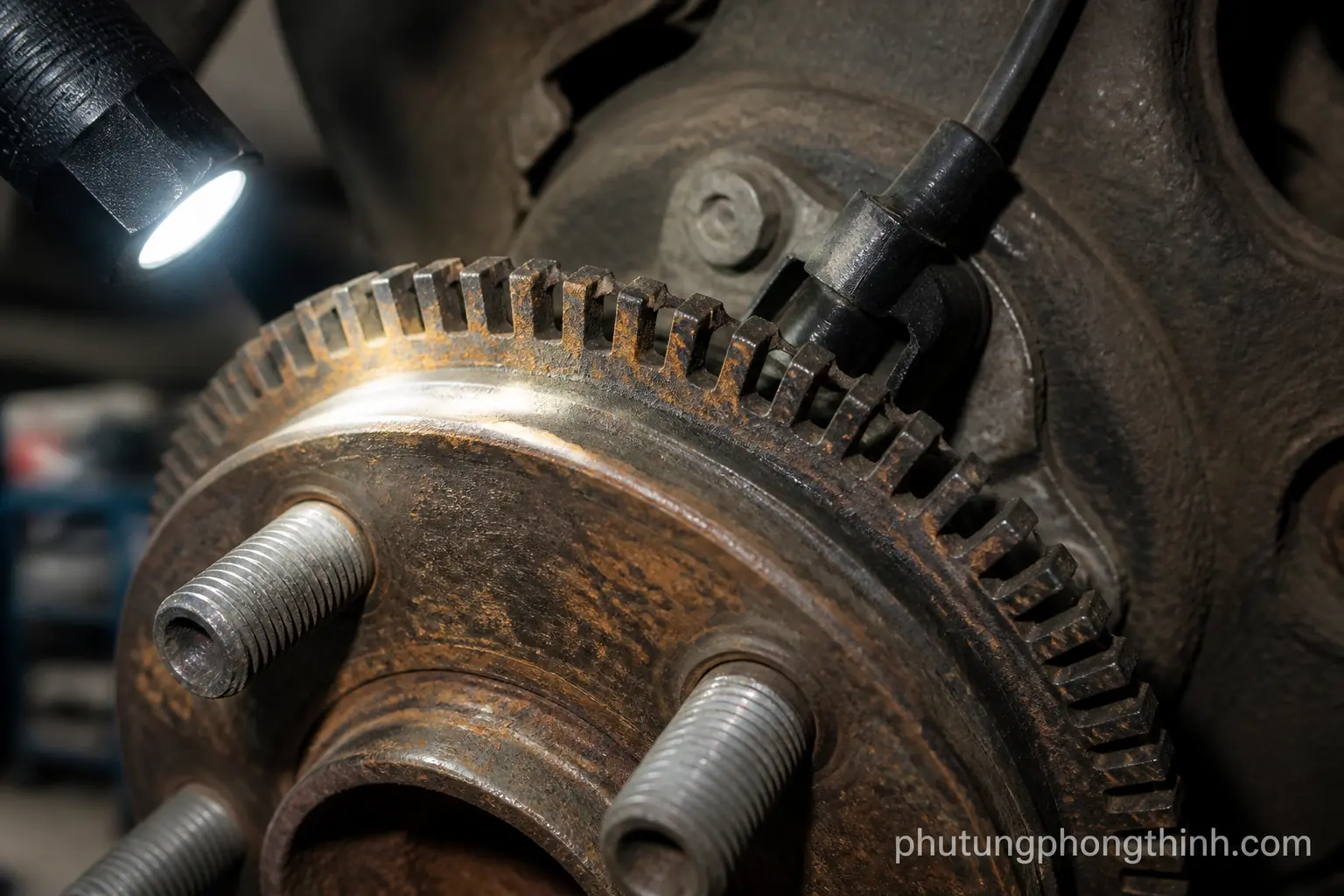
Common warning signs include pulling to one side, a hot wheel smell after driving, squealing, or one brake pad wearing faster than the other. A sticking caliper can also mimic warped rotors or bad pads, so it’s worth checking the slide pin movement before replacing parts. While the wheel is off, inspect the rubber boots and make sure the pins can move smoothly by hand.
- Pulling, squealing, or a burning smell after a drive
- Uneven pad wear on one wheel
- Brakes that feel like they are not fully releasing
- Stiff pin movement or damaged rubber boots
Tools and Brake Grease to Use
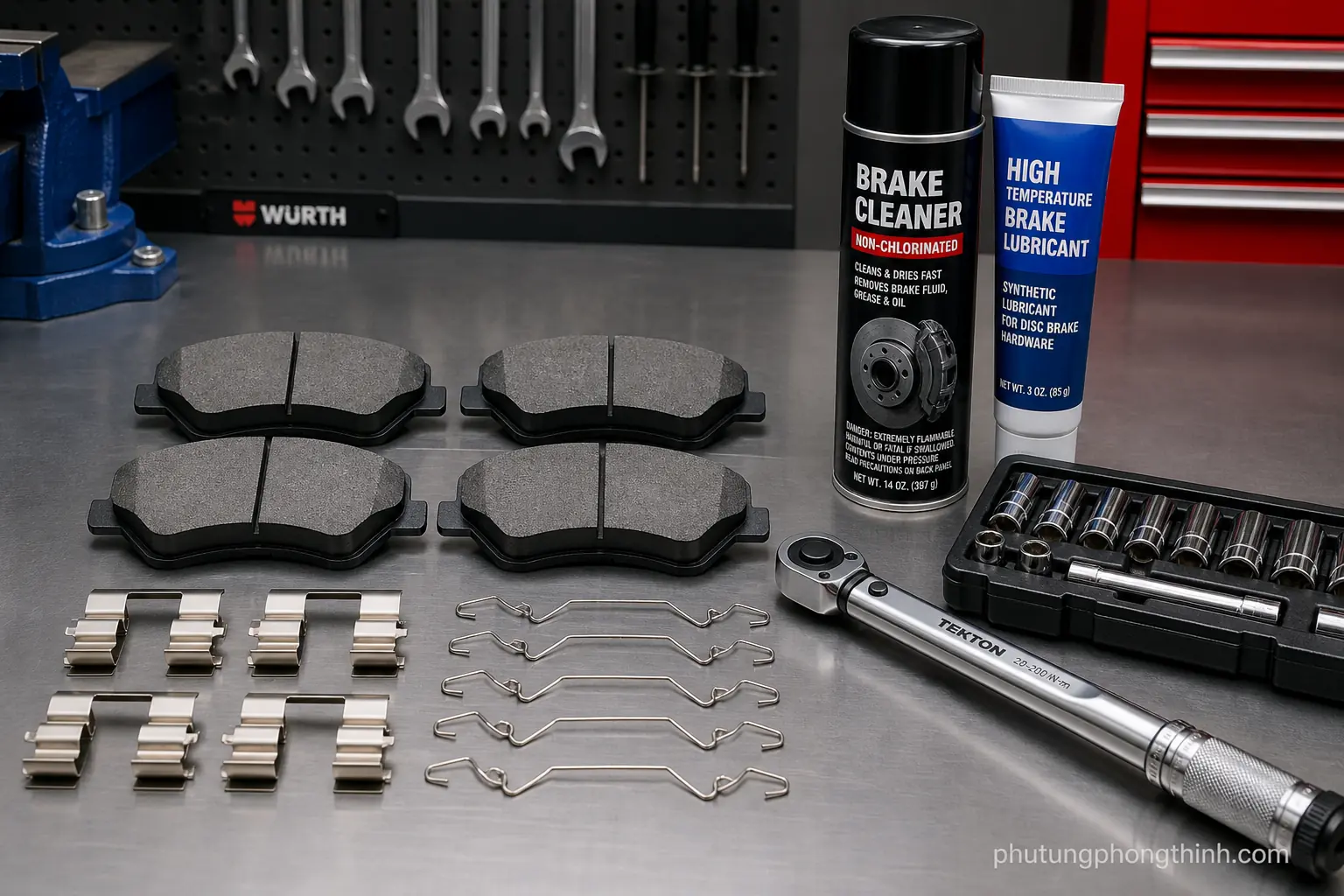
You do not need special equipment for basic brake service, but you do need the right supplies. Gather a jack, jack stands, socket set, brake cleaner, gloves, rags, and a wire brush if corrosion is present. For lubricant, use silicone-based brake caliper grease or another high-temperature brake grease rated for brake components. General-purpose grease is a bad choice because it can break down under heat or damage rubber boots.
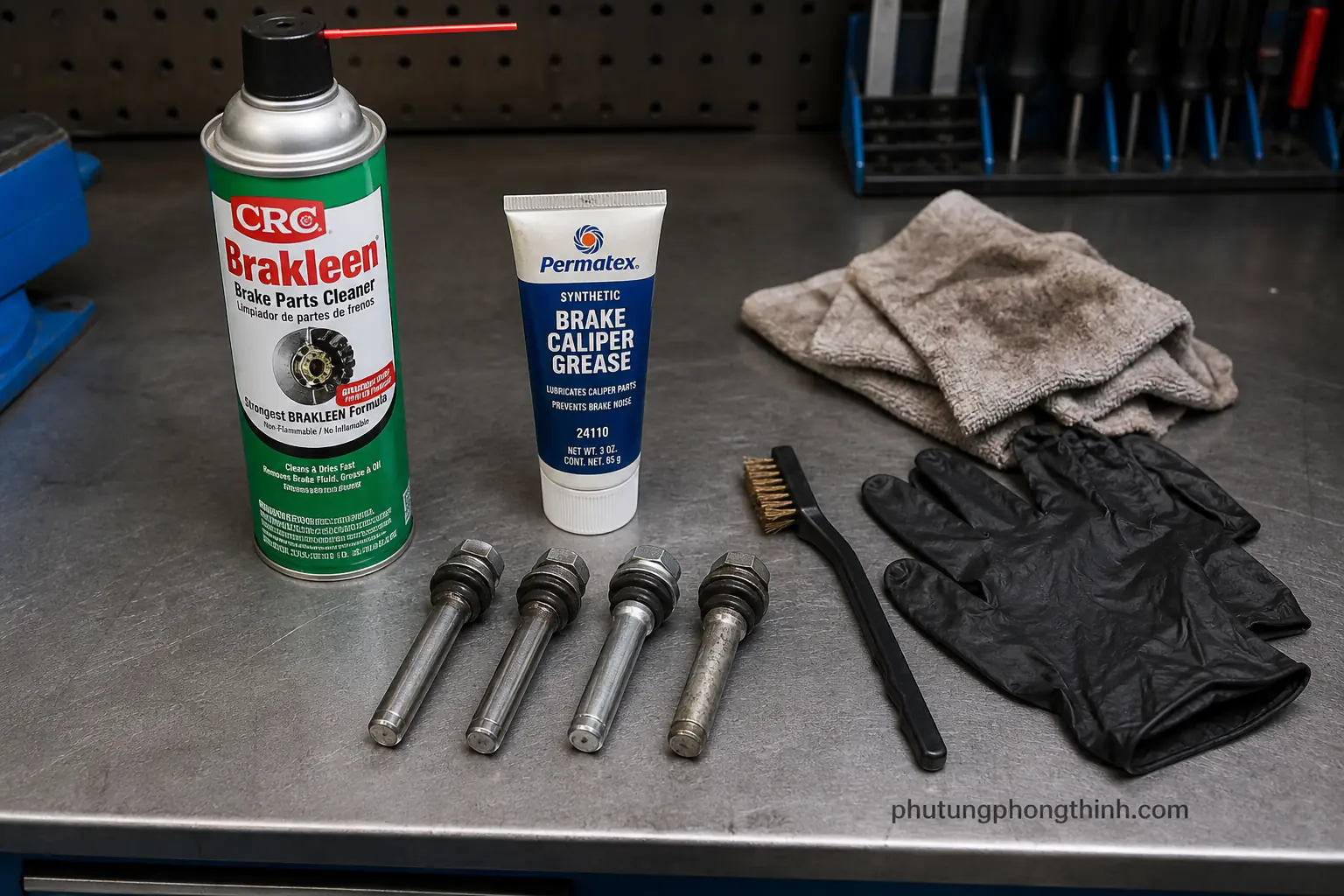
- Jack and jack stands
- Socket set and basic hand tools
- Brake cleaner, gloves, rags, and a wire brush
- Silicone-based brake caliper grease or high-temperature brake grease
Step-by-Step: Clean and Lubricate the Slide Pins
Start by raising the vehicle safely, removing the wheel, and supporting the caliper so the brake hose is not strained. Remove the slide pin bolts, then pull the pins out and inspect them for rust, scoring, or dried grease. Clean the pins and bores with brake cleaner, wipe everything dry, and make sure no residue remains. Apply a thin, even coat of the correct brake grease, then reinstall the pins and caliper in the same order you removed them.

- Raise the vehicle safely and remove the wheel
- Remove the caliper and support it carefully
- Take out the slide pin bolts and inspect the pins
- Clean with brake cleaner and dry fully
- Apply a thin coat of grease and reinstall
Inspect Rubber Boots, Hardware, and Pin Condition
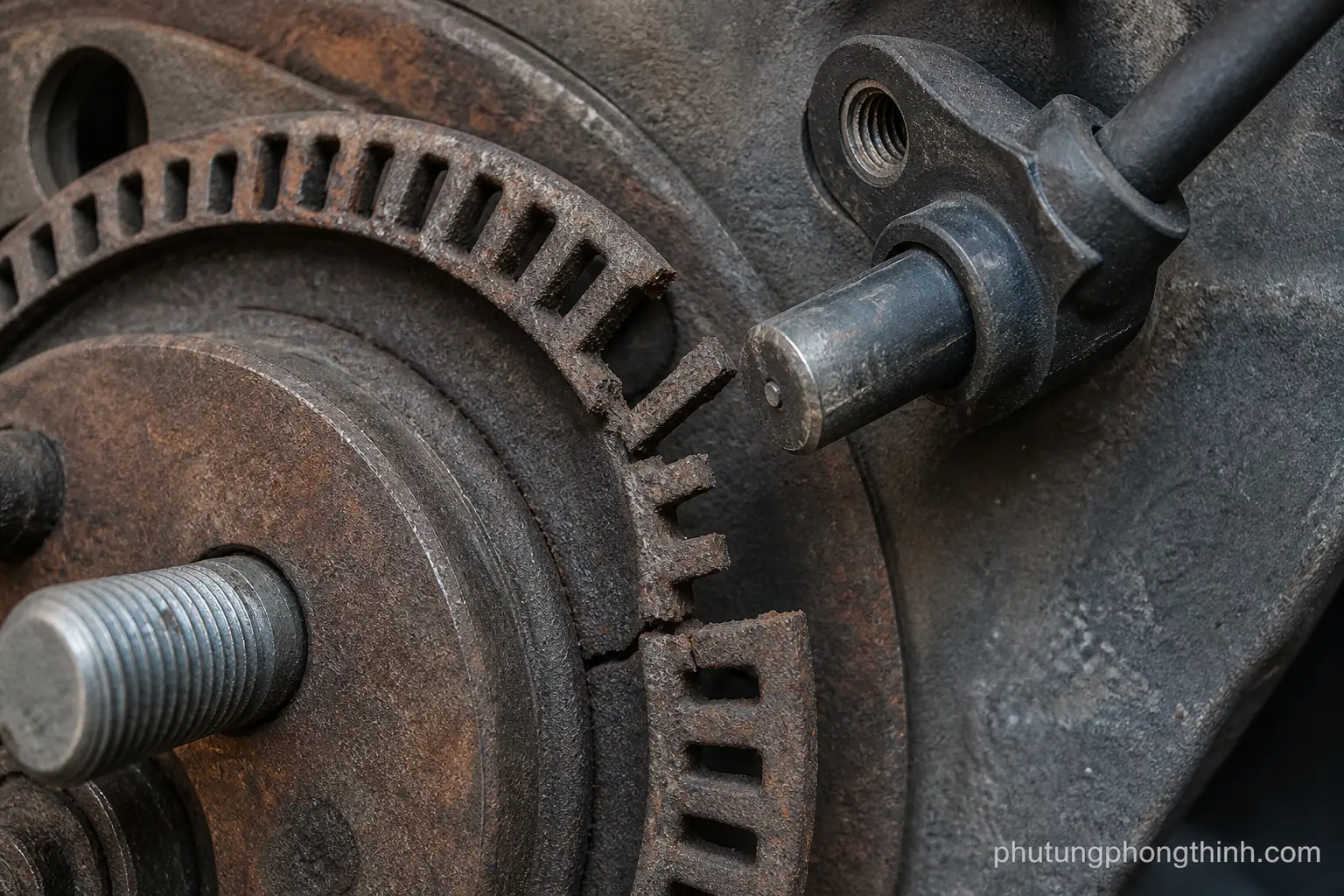
With the caliper apart, check the rubber boots for cracks, tears, or swelling. If the boots are damaged, they may let water and debris back in, which quickly ruins the service. Also confirm the pins move freely after cleaning. If a pin is heavily pitted, bent, or still sticks after cleaning, replacement is usually better than trying to reuse it, especially if the caliper has already shown seizure symptoms.
- Look for cracked, torn, or swollen rubber boots
- Verify smooth pin movement by hand
- Replace worn parts instead of forcing a bad pin back into service
Reassemble, Torque, and Test the Brakes
Reassemble the hardware in the proper order and tighten the slide pin bolts to the correct torque specification for your vehicle. Once everything is back together, pump the brake pedal before moving the car so the pads seat properly. Then take a short road test and listen for unusual noises while confirming the caliper moves smoothly without brake drag.
- Reinstall all hardware in the proper order
- Tighten bolts to the correct torque specification
- Pump the brake pedal before driving
- Road test for smooth, drag-free operation
Common Mistakes to Avoid When Lubricating Slide Pins
The most common error is using the wrong grease type, especially a product not meant for brake components. Another mistake is applying too much lubricant, which can attract dirt and create fresh contamination. Do not skip the boots or pin surfaces, and do not ignore pad wear patterns that suggest a deeper brake repair issue rather than a simple lubrication problem.
- Using the wrong grease type
- Applying too much lubricant
- Skipping boot and pin inspection
- Ignoring uneven wear patterns
When to Replace Caliper Slide Pins or Seek Help
Lubrication helps only when the parts are still in usable shape. Replace slide pins if they are heavily pitted, bent, or seized, and replace boots that no longer seal correctly. If brake drag continues after cleaning and greasing, or the caliper still sticks, it is time to get professional help. In the same way you would choose the right part for a repair, a related Ford Ranger part should only be added where it makes sense in a broader maintenance plan.
- Replace pins that are pitted, bent, or seized
- Replace damaged boots that will not seal
- Seek help if brake drag persists
- Do not keep servicing a caliper that remains stuck
FAQ: Brake Caliper Slide Pin Lubrication
How often should I lubricate brake caliper slide pins?
It depends on driving conditions and vehicle design, but many owners inspect and service them during brake pad replacement or whenever a sticking caliper is suspected.
Should I replace the boots when servicing the pins?
If the rubber boots are cracked, swollen, or torn, yes. Good boots help keep moisture and dirt out, which protects the pins and the grease.
How do I tell bad pads from a sticking caliper?
Bad pads usually show normal caliper movement, while a sticking caliper often causes uneven pad wear, pulling, heat, or a burning smell from one wheel.
What is the best way to clean brake caliper slide pins before greasing?
Remove old grease and debris with brake cleaner, wipe the pins dry, and inspect them closely before applying a thin layer of proper brake grease.
After the brakes are sorted, a genuine Ford Ranger wiper blade may be unrelated to brake repair, but it is the kind of maintenance item that also benefits from timely replacement.
Frequently Asked Questions
How often should brake caliper slide pins be lubricated?
A good time to service slide pins is whenever the brake pads are replaced or if you notice symptoms of sticking, dragging, or uneven pad wear. In normal use, they do not need constant attention, but they should be inspected during routine brake maintenance.
Can I lubricate the pins without replacing the rubber boots?
Yes, if the boots are still intact and seal properly. If a boot is cracked, torn, or swollen, it should be replaced so dirt and moisture do not get back into the pin bore.
What grease should I use on caliper slide pins?
Use silicone-based brake caliper grease or another high-temperature brake grease made for brake components. Avoid general-purpose grease, which may not handle heat well and can damage rubber parts.
How do I know if the caliper is stuck even after lubrication?
If the wheel still runs hot, the car pulls, or one pad keeps wearing much faster than the other after service, the caliper or pins may be damaged beyond cleaning. Persistent brake drag usually means more than simple lubrication is needed.
Should both slide pins be cleaned and greased at the same time?
Yes. On a floating caliper, both pins work together, so servicing only one can leave the caliper movement uneven. Clean and lubricate both sides together for the best result.