How to Fix Brake Drag: Diagnose and Repair It Fast
How to Fix Brake Drag: Start With the Fastest Diagnosis
If you are trying to learn how to fix brake drag, start by narrowing the problem before swapping parts. Brake drag means a wheel or axle is still resisting rotation after you release the pedal, and it often shows up as excess heat, a burning smell, worse fuel economy, pulling, or uneven pad wear. The fastest path is to decide whether the fault is hydraulic, mechanical, or parking-brake related.
Confirm the Dragging Wheel Before Disassembling Anything
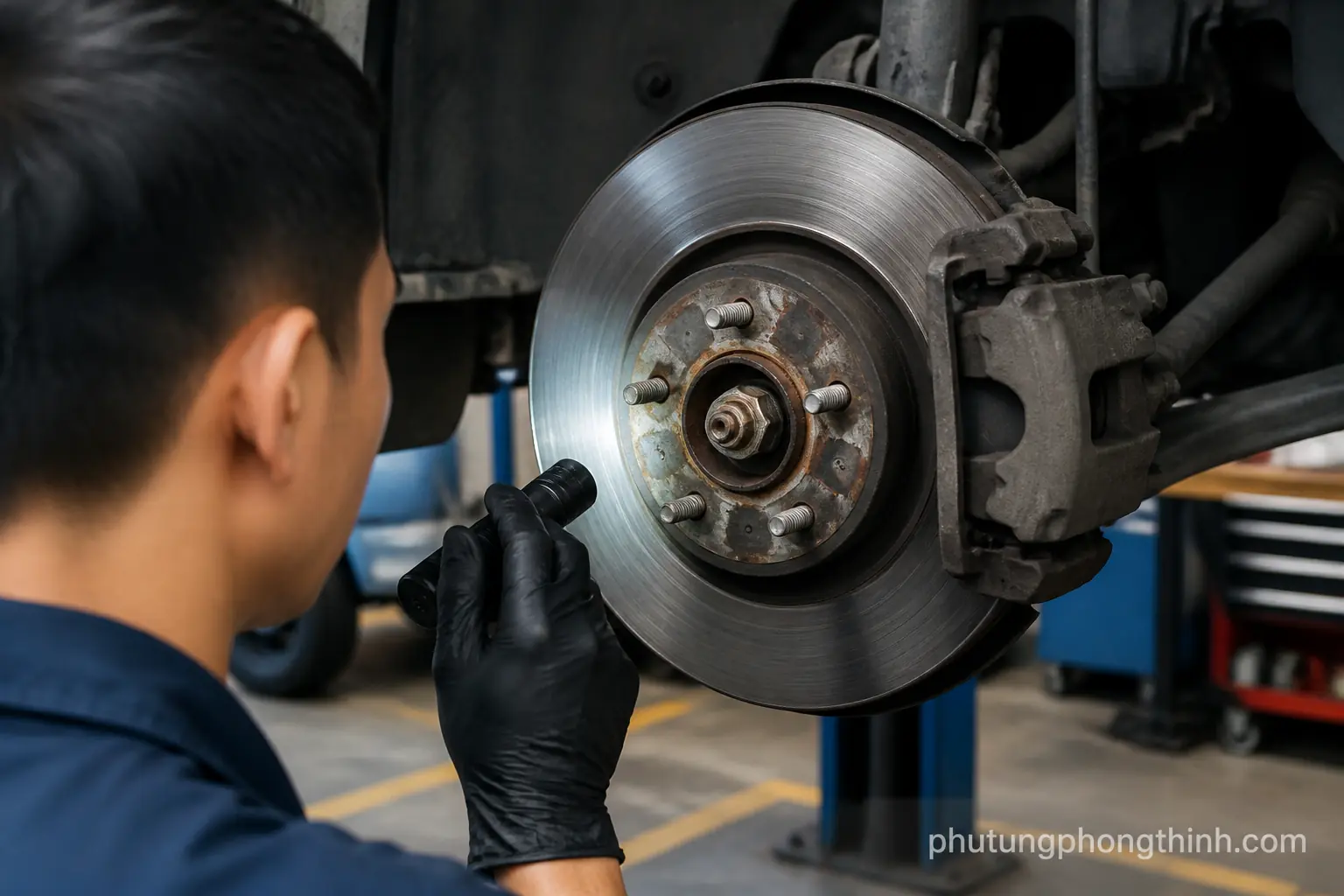
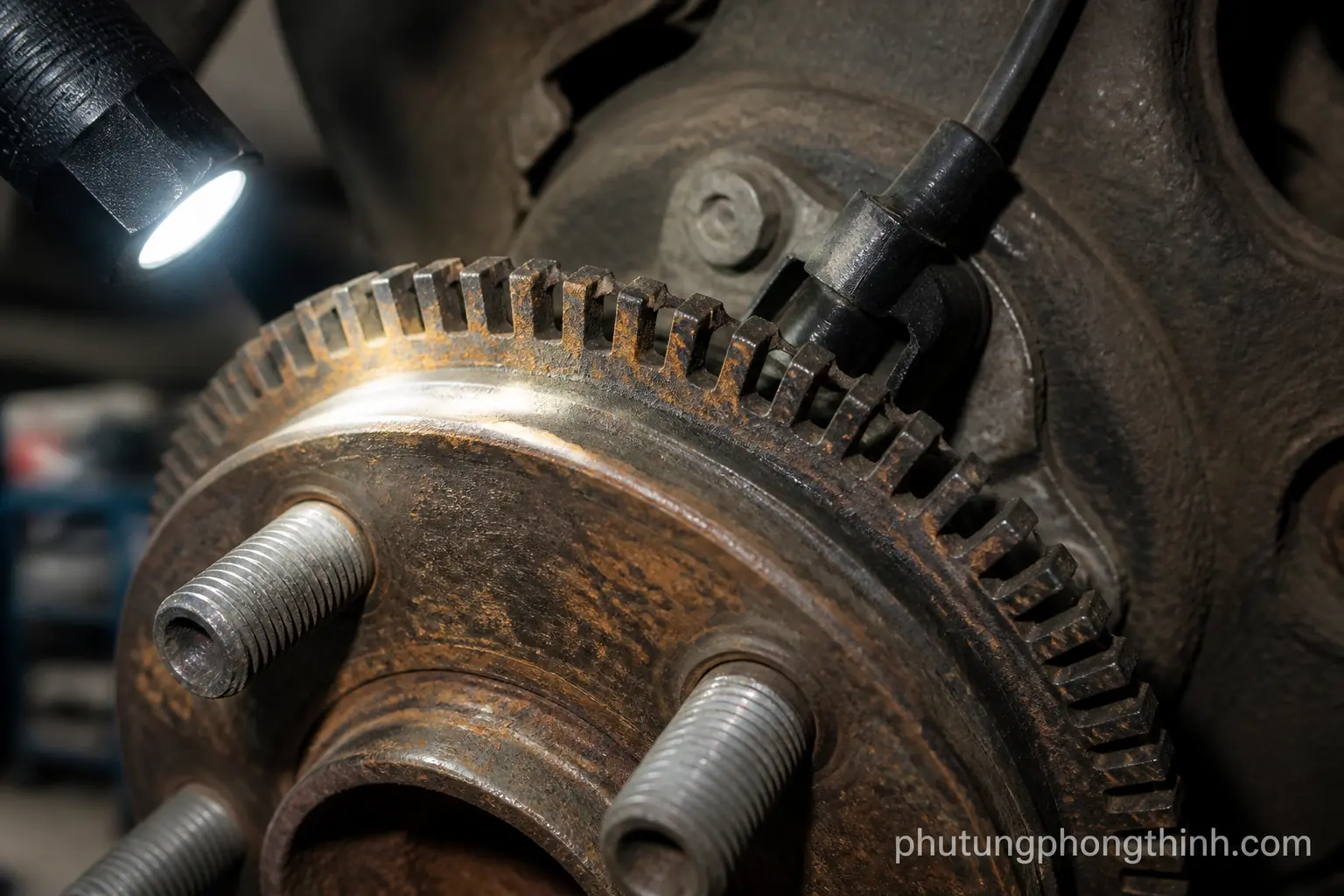
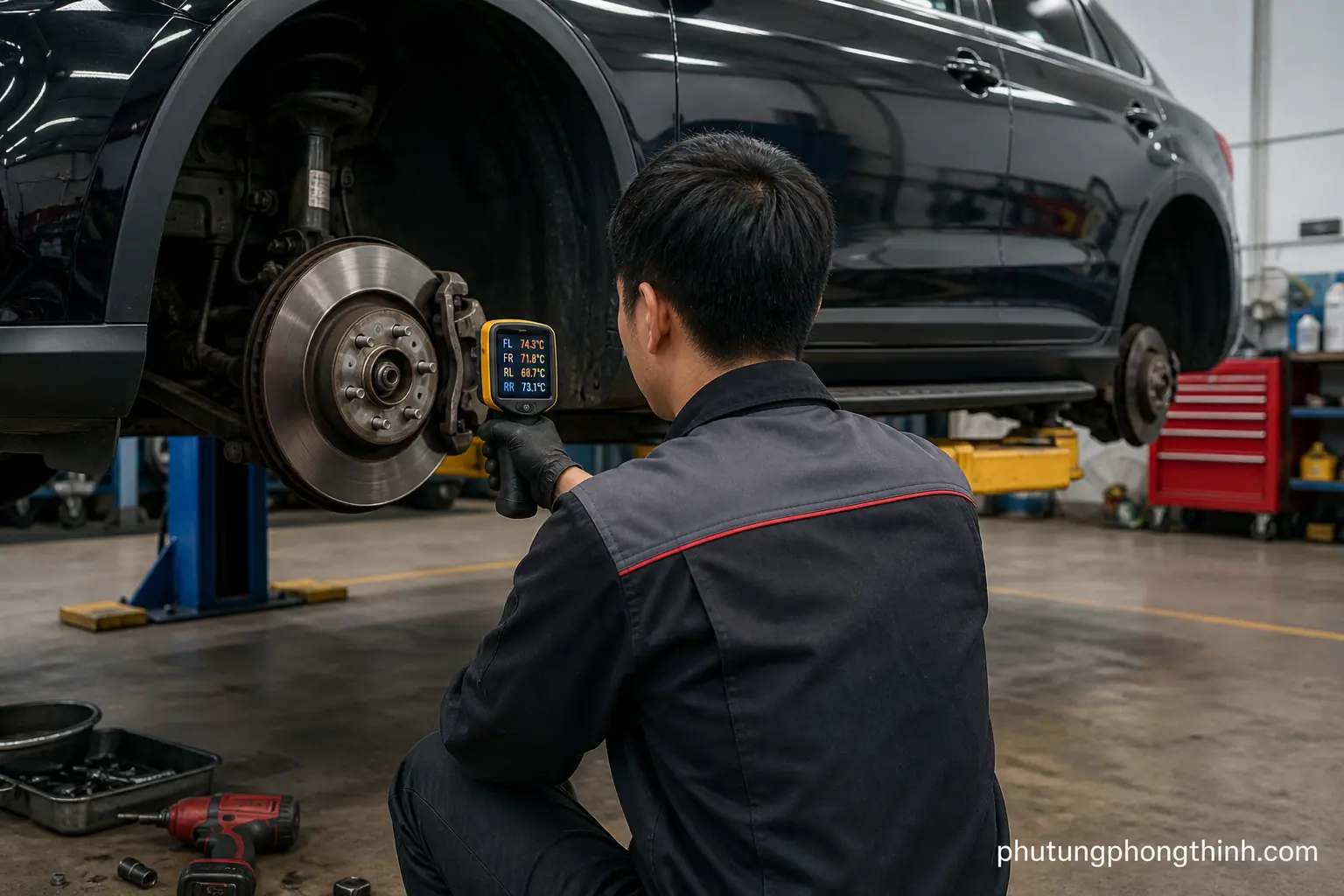
Before you tear anything apart, prove which corner is dragging. A safe road test followed by a lift-and-spin check can show which wheel has more resistance than the others. An infrared thermometer makes the wheel temperature comparison even clearer, but a careful back-of-the-hand heat check can also point you to the hottest rotor or drum.
- Compare left to right so you know whether the drag is isolated to one wheel or is affecting an axle.
- Check both the front and rear, because rear brake drag can come from the parking brake, drum hardware, or a rear caliper issue.
- Use the hottest corner as your starting point for diagnosis instead of guessing at the cause.
Check the Caliper, Slide Pins, and Pads for Binding
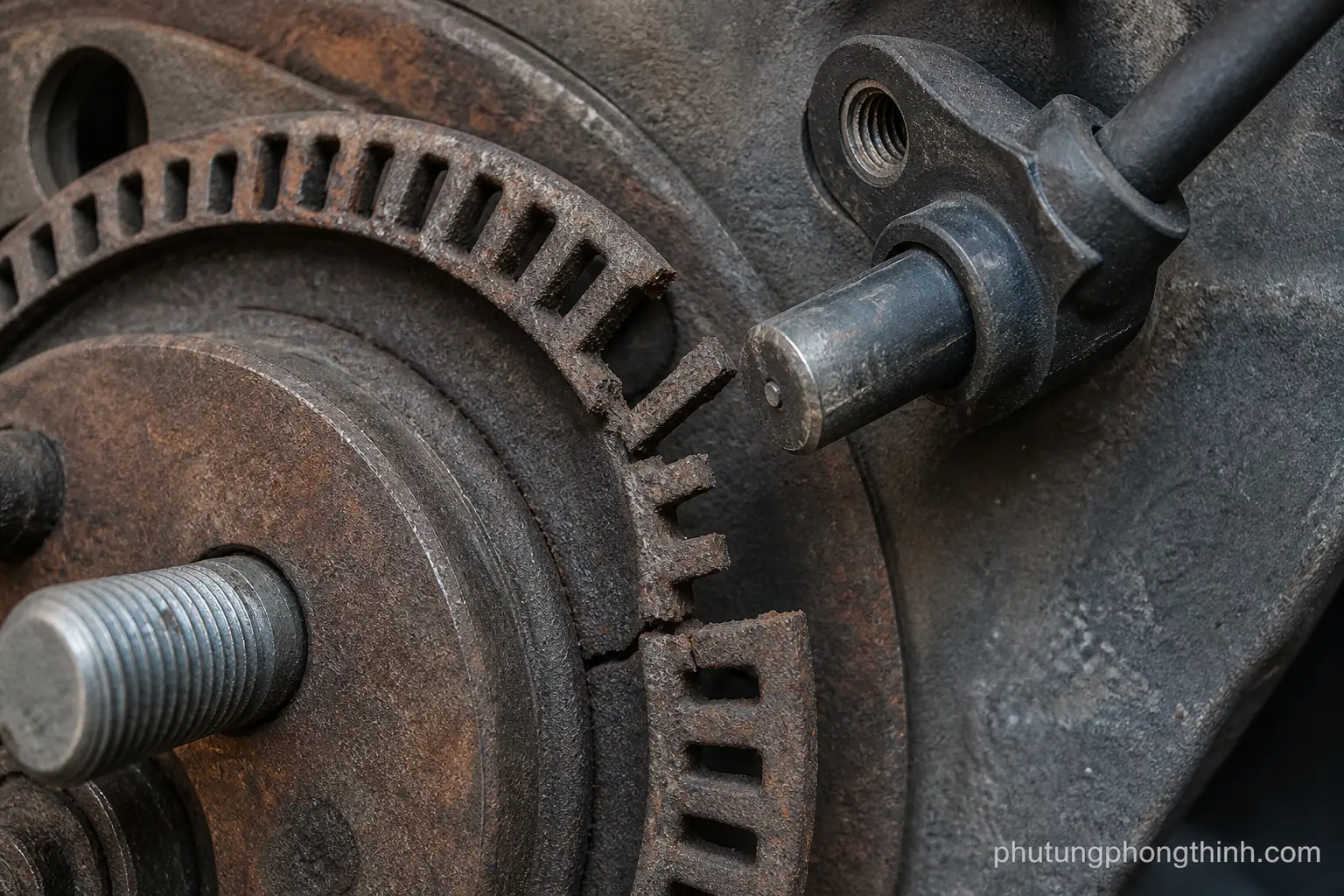
The most common mechanical causes of brake drag are found at the wheel end. If the slide pins are corroded, dry, or protected by torn boots, the caliper cannot float freely. A sticking caliper piston, a damaged dust boot, or pads that only contact one side can also keep the brake applied.
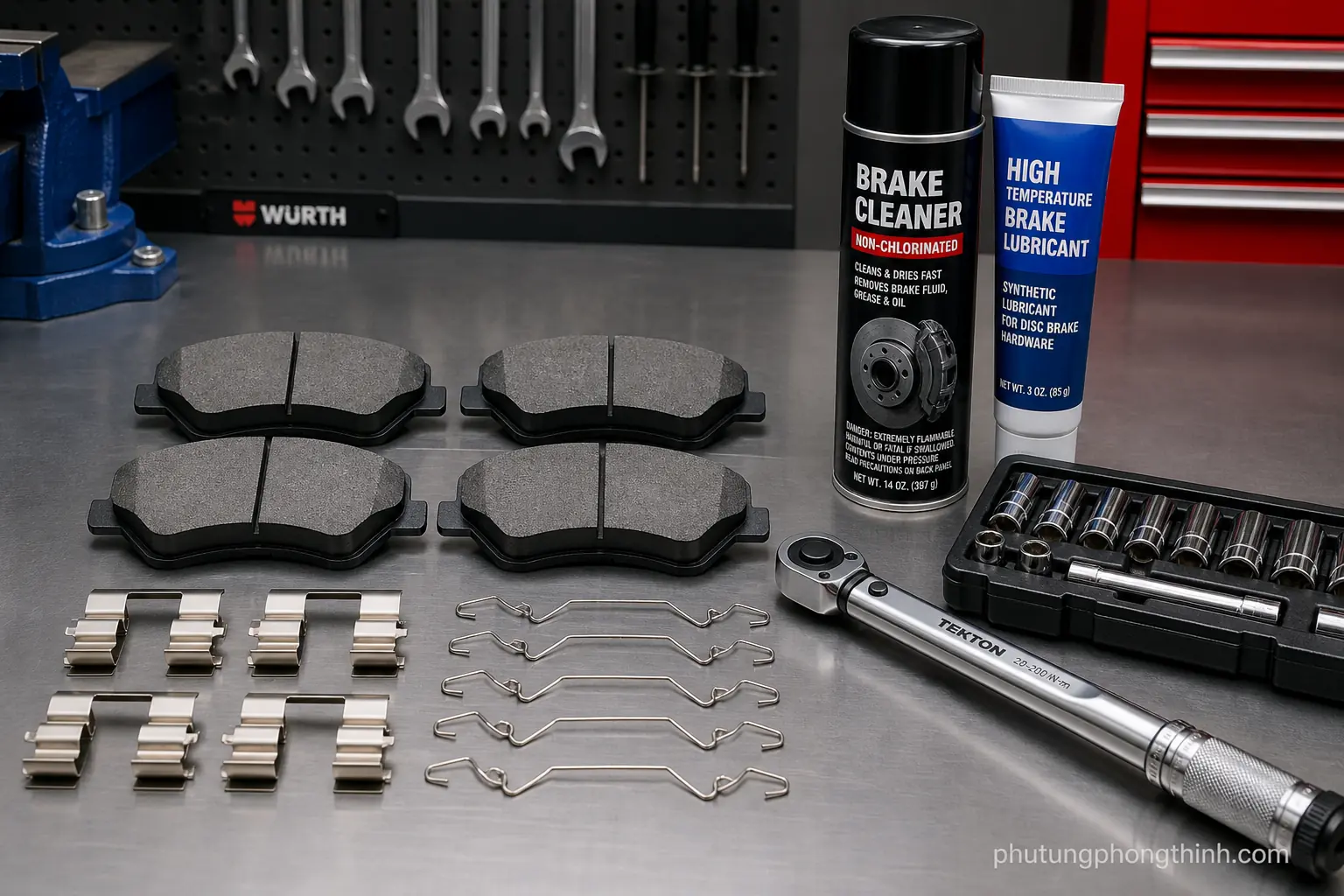
Inspect the hardware clips carefully, because pads can bind in the bracket if the clips are installed wrong or packed with rust. If the pads are worn unevenly and the caliper moves poorly, cleaning the contact points and applying the correct brake grease may solve the problem. If the caliper piston is sticking or the corrosion is severe, replacement is usually the better repair.

Test for Hydraulic Restriction From a Collapsed Brake Hose
If the wheel frees up when you release pressure at the bleeder screw, that is a strong clue the brake line is holding pressure. This bleeder screw test helps separate a hydraulic restriction from a mechanical bind. A collapsed brake hose can work like a one-way valve, letting pressure apply the brake but not letting it return fast enough after pedal release.
Brake fluid condition and hose routing can support your diagnosis, but they should not replace the actual test. If the wheel releases immediately when the bleeder is opened, focus on the hose, line, or upstream hydraulic issue rather than the caliper itself.

Inspect Rear Brake Drag Causes: Parking Brake, Drum Brakes, and Rear Disc Brakes
Rear brake drag often has a different cause than front brake drag, so do not assume the caliper is guilty first. A stuck parking brake cable or a shoe mechanism that does not fully release can keep the rear wheels hot even when the service brake is fine. On drum brakes, look closely at return springs, adjuster hardware, and the shoe contact points for rust or misassembly.
- Check the parking brake cable for binding or incomplete release.
- Inspect drum brake return springs and adjusters for corrosion or incorrect setup.
- On rear disc brakes, verify the caliper slides, piston return, and any parking-brake-in-caliper mechanism.
- Remember that rear-only drag can mimic a bad caliper when the real fault is in the parking brake system.
Repair the Cause and Verify the Brake Is Free Again
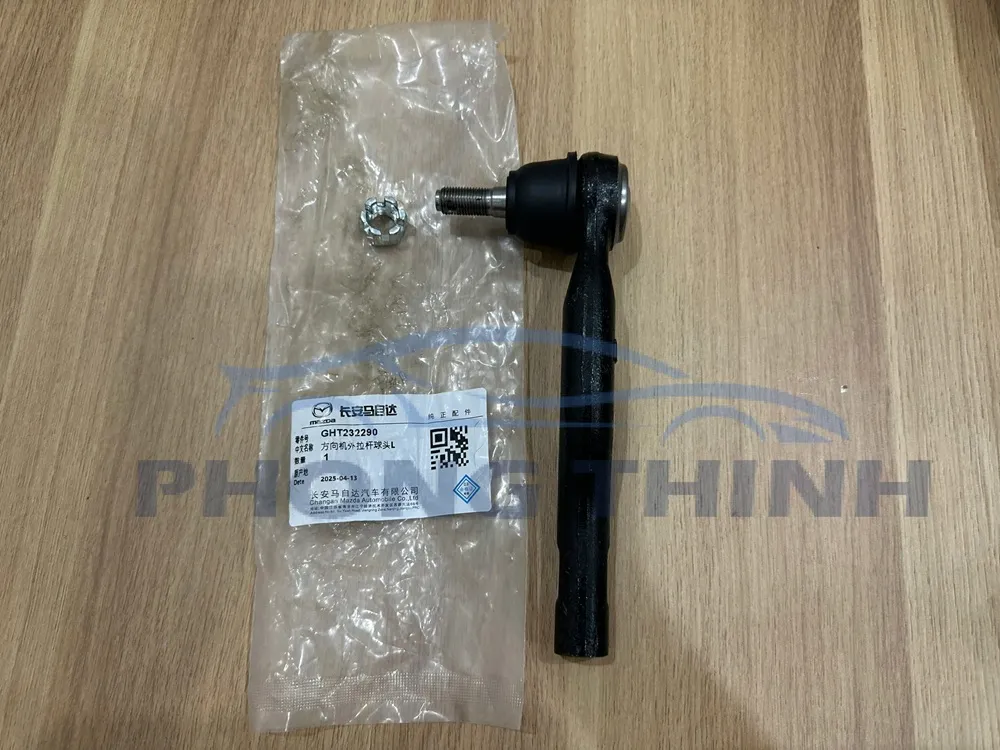
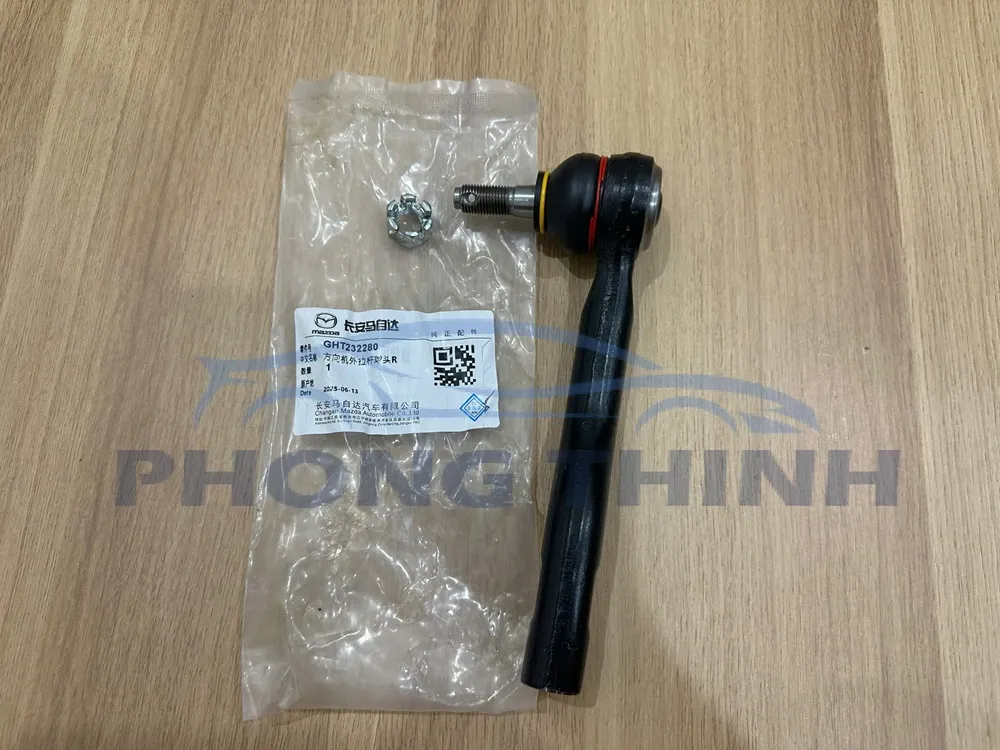
Once you know the cause, replace the worn hose, seized caliper, damaged pads, or corroded hardware that is actually creating the drag. Clean the contact points properly, lubricate where appropriate, and torque everything to spec so the repair lasts. If the problem also showed up as pulling during the road test, inspect the nearby steering linkage component as part of your final check.
After reassembly, pump the pedal, road test gently, and recheck wheel temperature after a short drive. Ignoring brake drag can overheat pads, rotors, bearings, and brake fluid, so confirm the wheel is truly free before putting the vehicle back in service.
When Brake Drag Signals a Bigger Brake Repair
Sometimes brake drag is only part of a larger repair. If the rotor, pads, fluid, or caliper bracket already show heat damage, the safest fix is often to service the whole corner together. Repeated sticking usually means more than one component is worn or damaged.
Strong pulling, smoke, or a wheel that stays hot after a short drive are signs the problem has moved beyond a simple adjustment. If the brake corner has been overheated for a while, you may also need to look at other vibration or mounting issues such as an engine mount replacement when the vehicle feels harsh or unsettled after the repair.
Frequently Asked Questions
What are the most common brake drag symptoms?
The most common brake drag symptoms are a hot wheel, a burning smell, reduced fuel economy, pulling to one side, and uneven pad wear. In more severe cases, the vehicle may feel slower to coast or one wheel may stay noticeably hotter than the others after a short drive.
How can I tell if the caliper is seized?
A seized caliper often shows up as one wheel running much hotter than the opposite side, uneven pad wear, or a wheel that does not spin freely when lifted. If opening the bleeder screw does not change anything, the problem is more likely mechanical, such as slide pins or the caliper piston, rather than trapped hydraulic pressure.
Can a collapsed brake hose cause one wheel to drag?
Yes. A collapsed brake hose can trap pressure in the brake circuit and act like a one-way valve. The wheel may apply normally but release slowly or not at all after the pedal is let off.
Why does rear brake drag happen more often than people expect?
Rear brake drag is often caused by parking brake cables, drum hardware, or rear calipers with integrated parking-brake mechanisms. Because those parts can bind or fail to release fully, the rear brakes may overheat even when the front brakes seem fine.
Is it safe to keep driving with brake drag?
No. Even mild brake drag can overheat pads, rotors, bearings, and brake fluid, and severe drag can create smoke or a strong burning smell. The vehicle should be diagnosed and repaired before normal driving continues.