How to Fix a Brake Fluid Leak: Fast, Safe Repair Guide
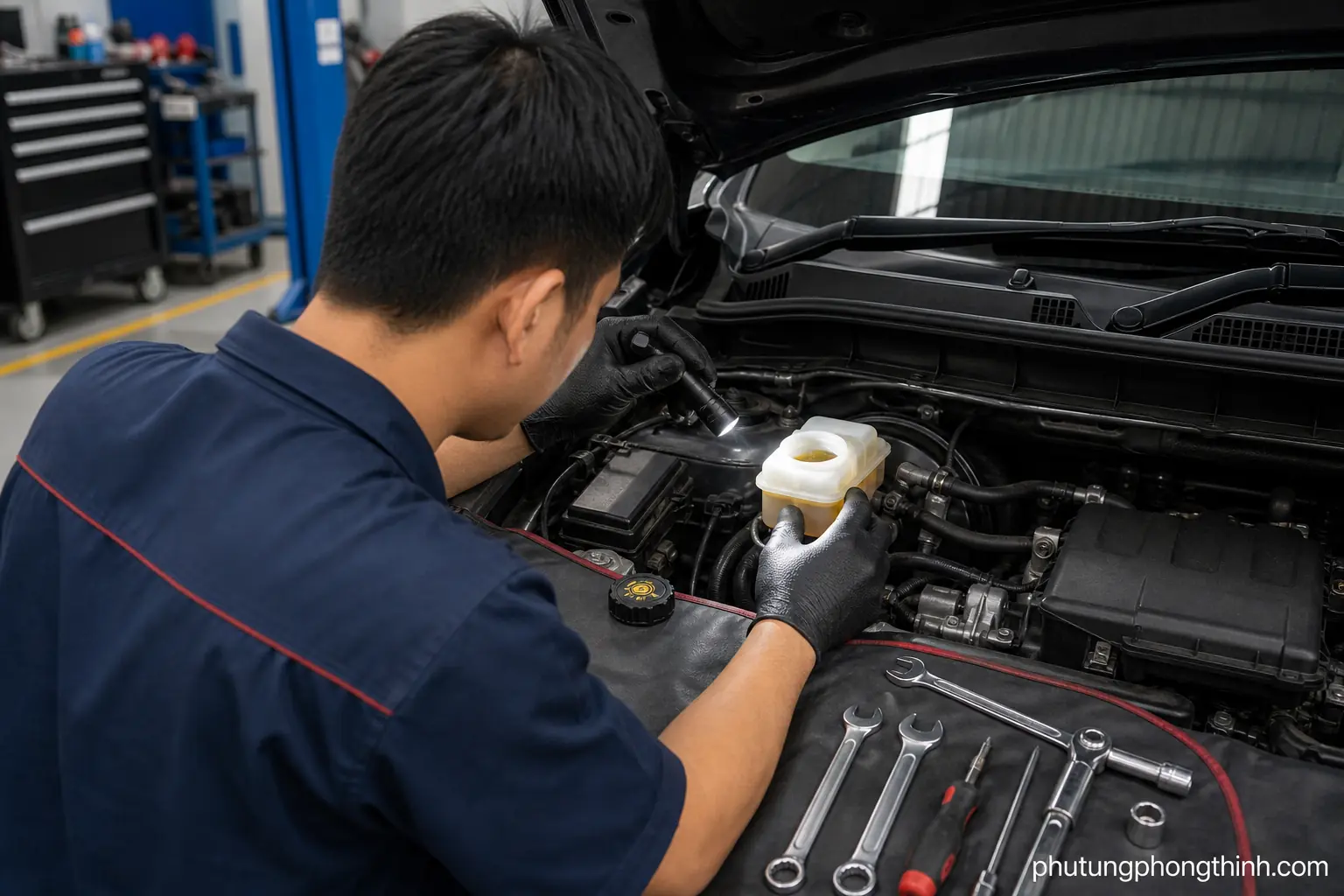
How to Fix a Brake Fluid Leak: Start With Safe Checks
If you are trying to figure out how to fix a brake fluid leak, start by treating it as a safety problem, not a routine maintenance task. A soft brake pedal or brake warning light means you should avoid normal driving and inspect the system right away. Check the brake fluid reservoir level, then look for obvious wet spots around the master cylinder, calipers, wheel cylinders, and underneath the vehicle.
Brake fluid is usually clear to amber and feels slick, and it often shows up near the firewall, at the wheels, or along the brake lines. If the fluid level keeps dropping, or you see drips near a wheel, the leak is active. When the pedal goes low or the leak is large, the safest choice is often a tow instead of trying to nurse the car home.
Find the Leak Source Before Replacing Parts
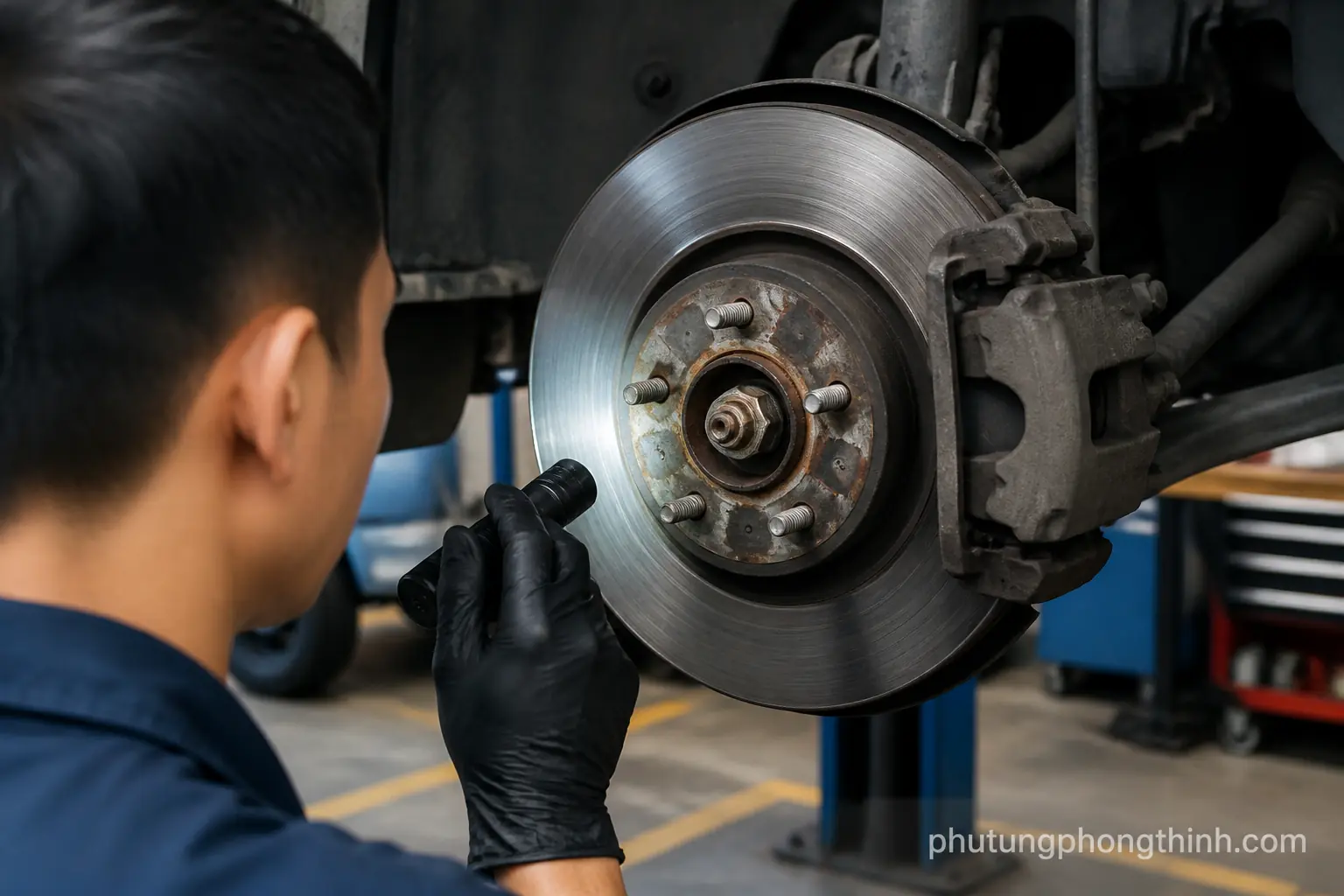
The fastest way to find a brake leak is to inspect the likely failure points in order. Look closely at rubber brake hoses, banjo bolt connections, copper crush washers, hard lines, calipers, wheel cylinders, and the master cylinder. Rusted hard lines and damp fittings are common trouble spots, especially on older vehicles, and a helper can press the pedal briefly while you watch for seepage if it can be done safely.

- A leak at the wheel usually points to a caliper, wheel cylinder, or brake hose.
- A leak near the firewall often points to the master cylinder or reservoir area.
- ABS hydraulic unit leaks are less common, but they can happen.
Replace the Failed Brake Component
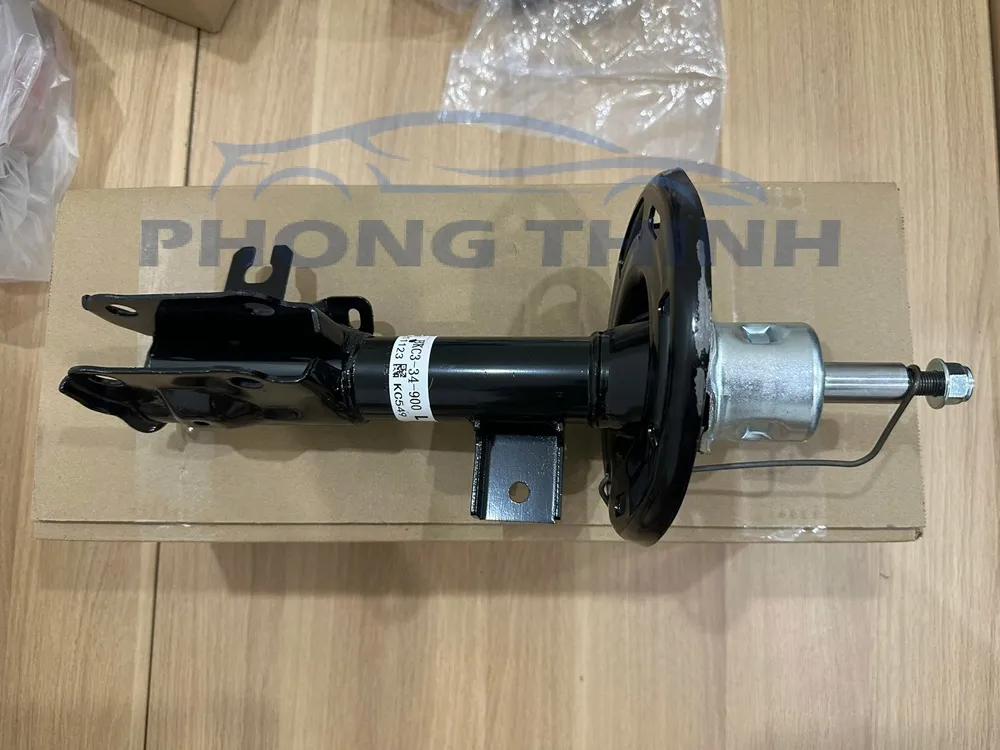
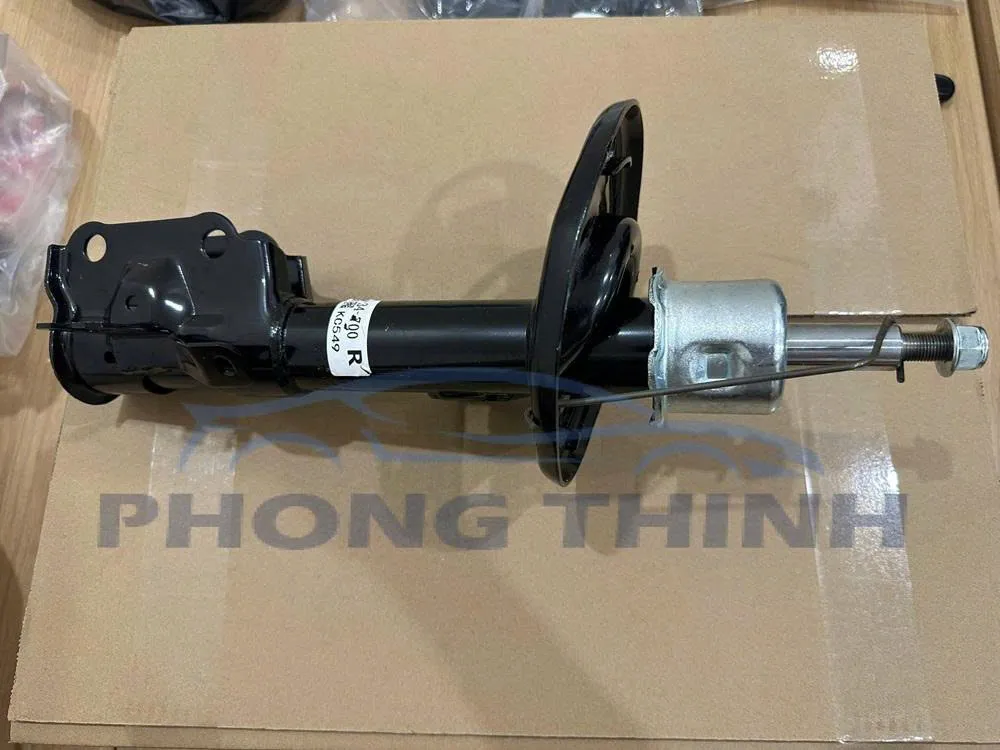
Once you know where the fluid is coming from, match the repair to the failed part. That may mean brake hose replacement, caliper replacement, wheel cylinder replacement, brake line repair, or master cylinder replacement. If the issue is a rusted hard line, section repair or full line replacement is usually the right fix rather than a patch.
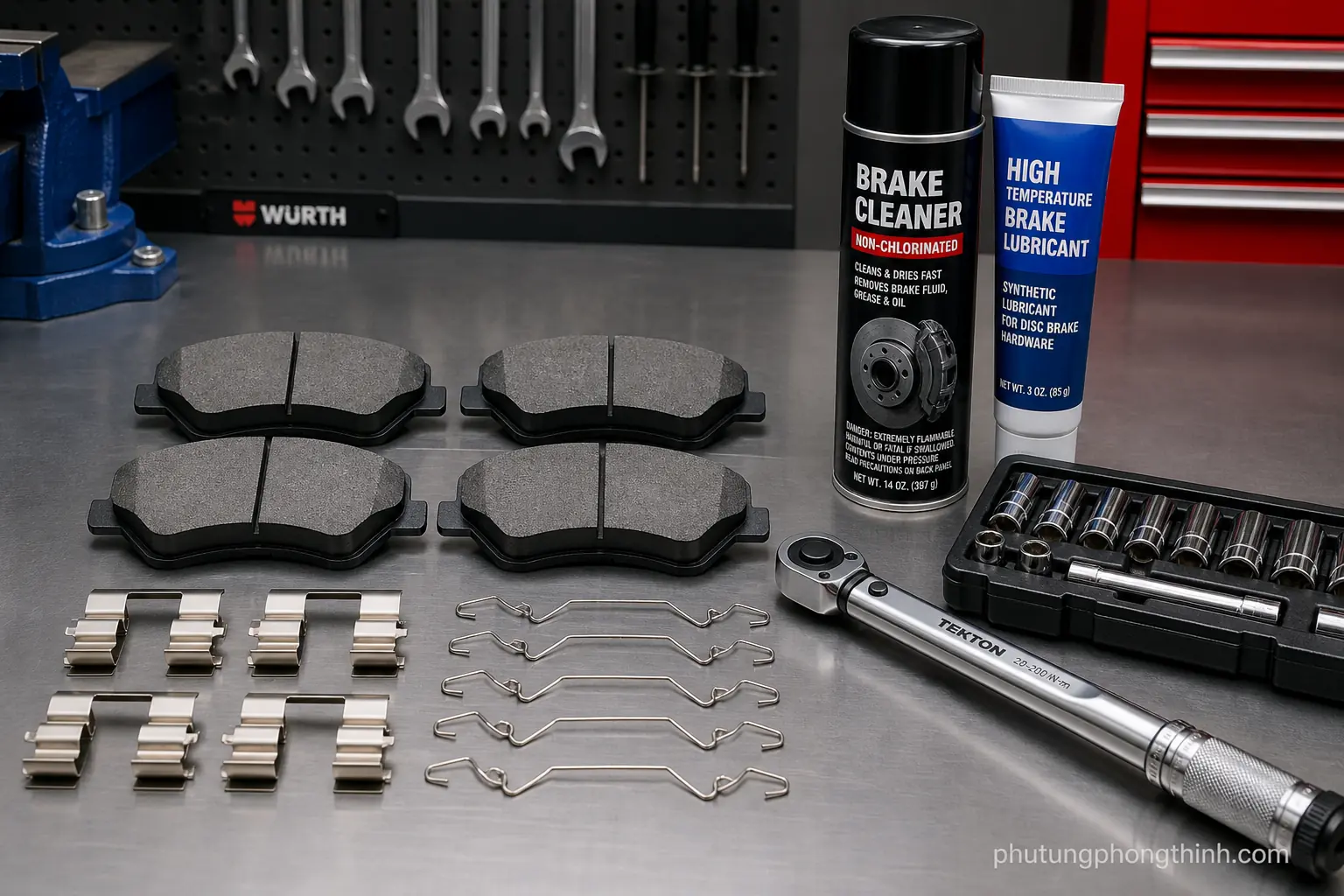
Whenever you open a banjo bolt connection, replace the copper crush washers and any hardware that is no longer sealing well. Keep brake fluid off painted surfaces and rinse spills immediately. Use the correct brake fluid type for the vehicle, then torque fasteners to spec and inspect every connection for clean seating before moving on.
Bleed the Brakes and Restore Pedal Feel
After a leak repair, air has almost always entered the hydraulic system, so you need to bleed the brakes before the car is safe to drive. Bleeding removes air from the lines, which is what restores a firm brake pedal and dependable stopping power. Follow the bleeding method recommended by the manufacturer, whether that is a standard sequence, a pressure bleeder, or another approved process.

Keep the brake fluid reservoir topped off during the bleed, and continue until no air bubbles appear and the pedal firms up. After that, check all repaired connections again before any road test. A quick recheck now can prevent having to reopen the system later.
When a Brake Fluid Leak Means Bigger Trouble
Some brake problems go beyond a simple external leak. If fluid keeps disappearing, or the pedal still sinks after repairs, you may be dealing with an internal master cylinder leak or an ABS hydraulic unit issue that does not leave an obvious drip. In those cases, a shop inspection is the safest next step, especially if you cannot find the source quickly or the pedal still feels unsafe.
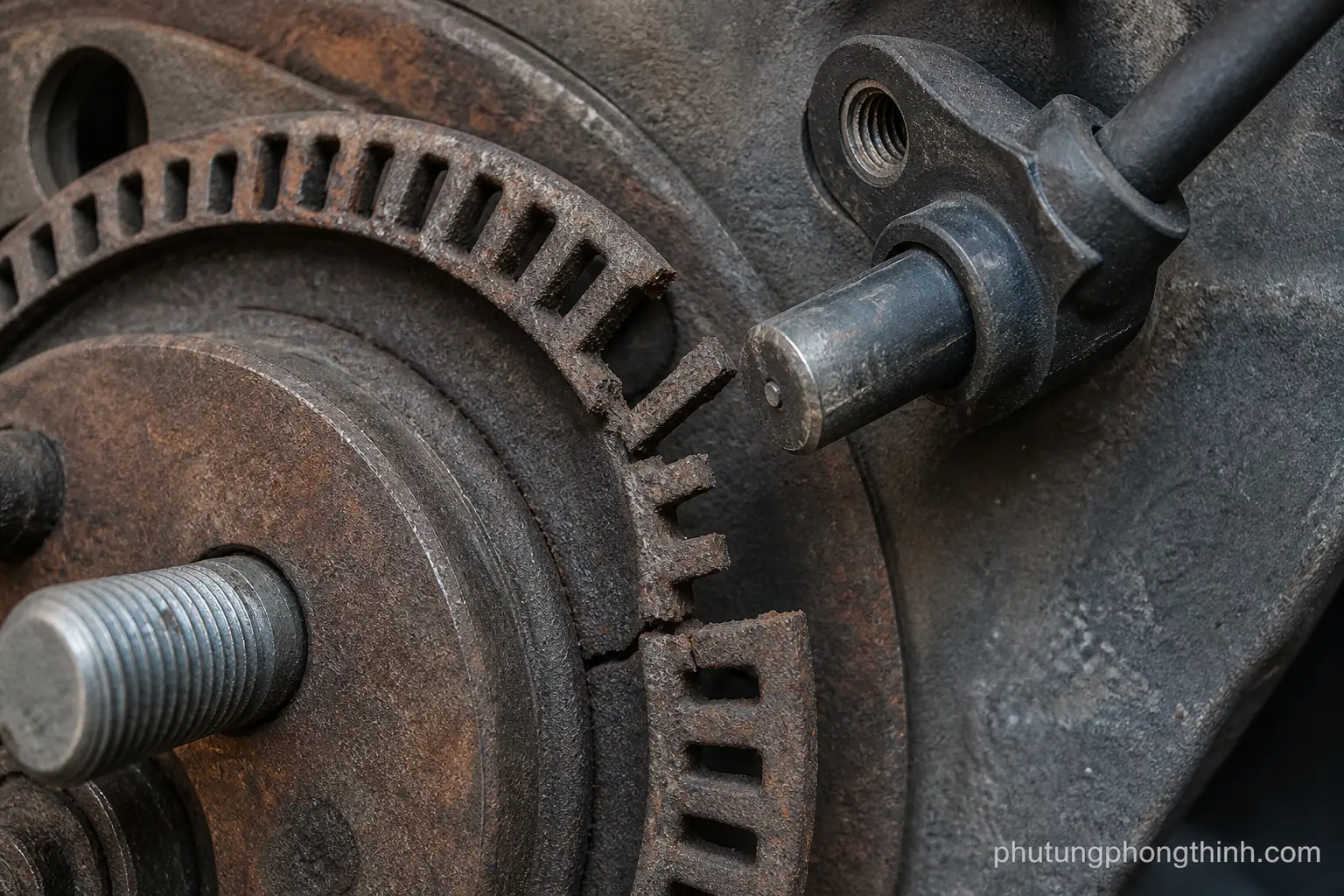
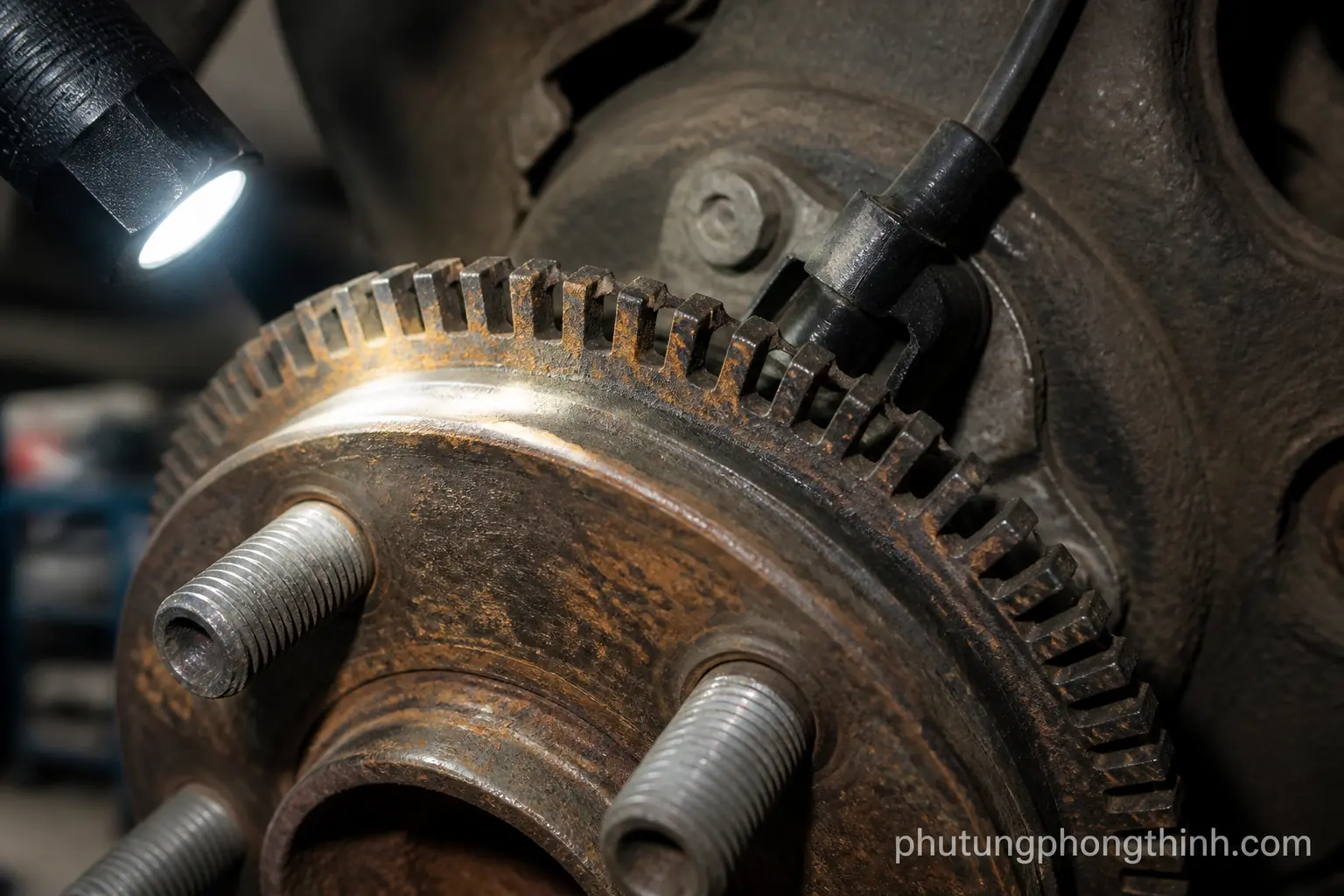
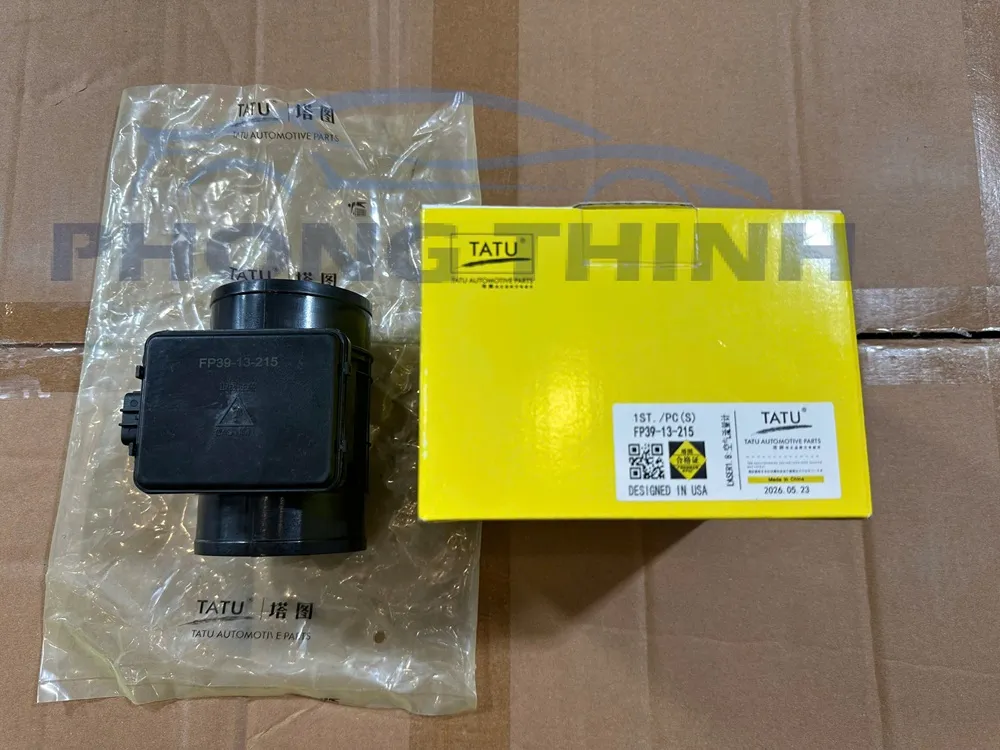
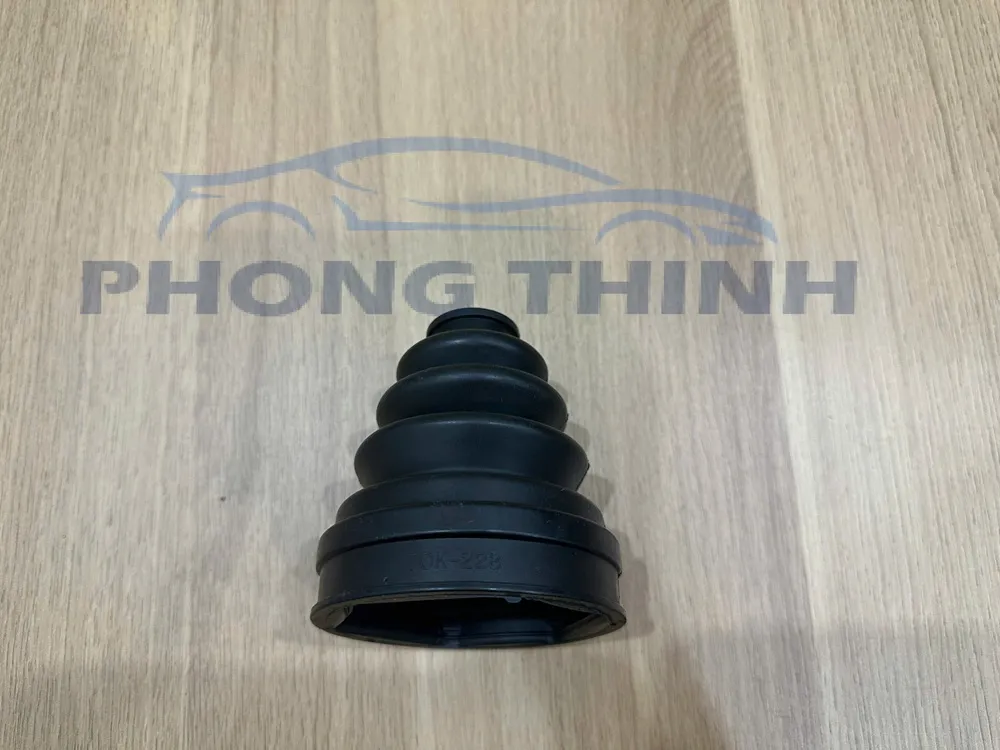
Do not drive with an unresolved brake fluid leak. It is smart to inspect the whole brake system for corrosion and age-related wear, because multiple failed components can show up together on older vehicles. That broader check can also reveal problems elsewhere on the car, such as a worn dust boot protection part or a faulty engine position sensor that may deserve attention during a full diagnosis.
Common Questions About Brake Fluid Leak Repair
Is it safe to drive with a small brake fluid leak? Even a small leak can become a major brake failure, so it is not a good idea to keep driving unless the vehicle is only being moved a very short distance for repair and the pedal still feels normal. How long does bleeding take after a repair? It depends on how much air entered the system, but you should keep going until the pedal is firm and no bubbles remain.
How do you tell a master cylinder leak from a hose or caliper leak? A master cylinder problem often shows up near the firewall or inside the brake booster area, while hose, caliper, and wheel cylinder leaks usually show up at the wheels. When should brake lines be replaced instead of patched? If the lines are heavily corroded, brittle, or leaking in more than one spot, full replacement is usually the safer and longer-lasting answer.
Frequently Asked Questions
Can I drive with a brake fluid leak if the leak is small?
It is not recommended. Even a small leak can worsen quickly, lower the fluid level, and introduce air into the system. If the pedal feels soft, the brake warning light is on, or fluid is visibly dropping, have the vehicle repaired before normal driving.
How do I know whether the leak is from the master cylinder or a wheel component?
Leaks near the firewall or around the brake booster area often point to the master cylinder or reservoir. Leaks at a wheel usually point to a caliper, wheel cylinder, or brake hose. Wet brake lines or fittings can also indicate a line leak.
Do I always need to bleed the brakes after fixing a leak?
Yes, in most cases. Once fluid escapes, air can enter the hydraulic system. Bleeding removes that air so the pedal becomes firm again and braking feels normal.
When should brake lines be replaced instead of repaired?
If the hard lines are rusted, brittle, or leaking in more than one place, replacement is usually safer than a patch. Small section repairs may be acceptable when the rest of the line is in good condition, but severe corrosion calls for full replacement.
What causes a brake pedal to still feel soft after a leak repair?
A soft pedal after repair usually means air is still trapped, the system was not fully bled, or there is another leak. In some cases, a failing master cylinder or ABS hydraulic unit can also cause poor pedal feel.