How to Find a Brake Fluid Leak: 7 Key Inspection Areas
How to Find a Brake Fluid Leak: Start With the Symptoms
If you are trying to figure out how to find a brake fluid leak, start by confirming the symptoms before you open the hood or get under the car. A soft brake pedal, a dropping fluid level, a brake warning light, or wet spots near the wheels or under the master cylinder are all signs that the hydraulic system may be losing pressure.
Brake fluid leaks matter because they can reduce stopping power fast. Park on a safe, level surface, set the parking brake, and then inspect the vehicle methodically. Brake fluid can travel along components before it drips, so the visible wet area is not always the true source. The goal is to trace the leak source, not just top off the reservoir and hope for the best.
Check the Master Cylinder, Brake Booster, and Reservoir
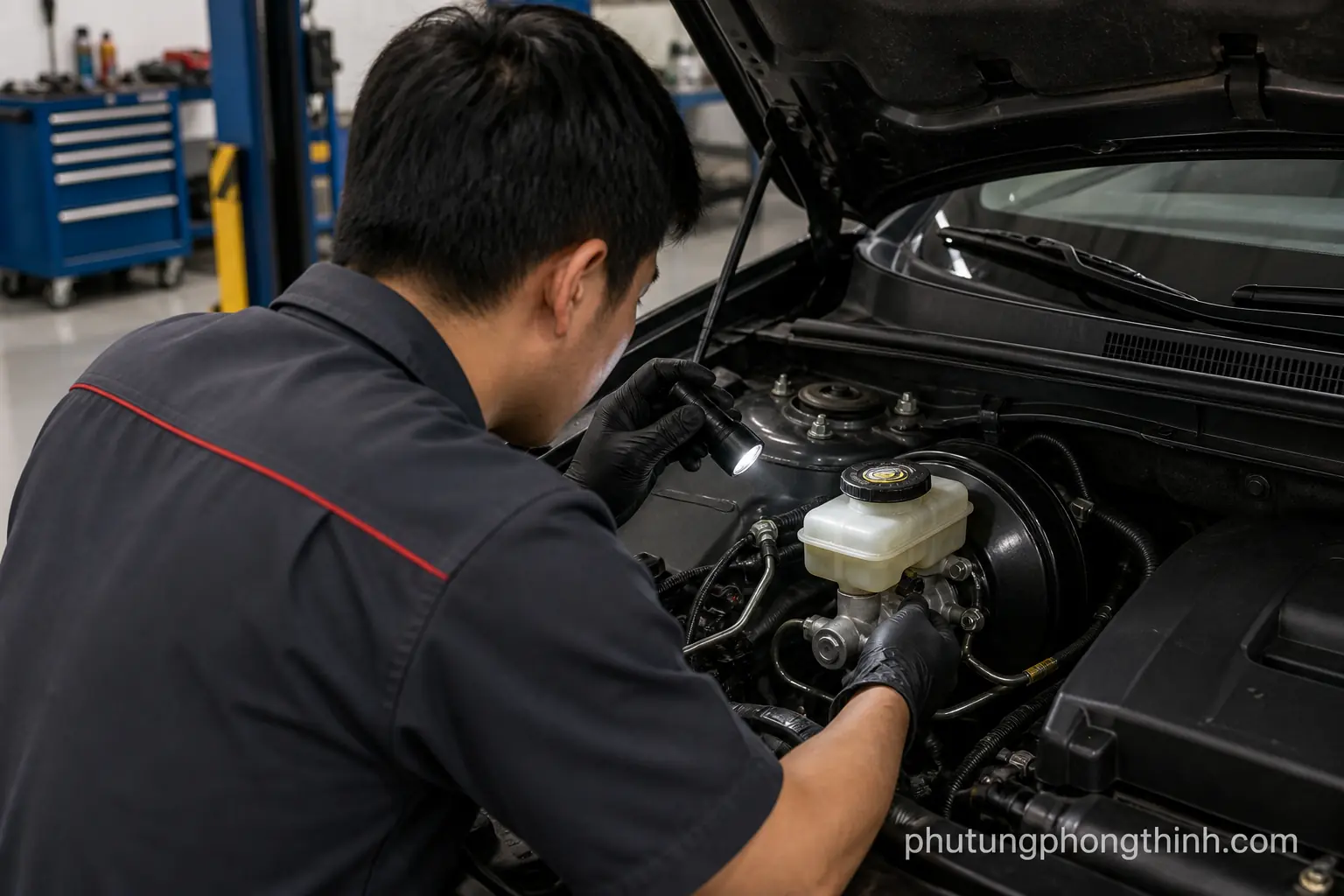
Begin with the upper-level parts near the firewall. Look for dampness around the reservoir seam, the cap, and the master cylinder body, and check the rear of the master cylinder where it meets the brake booster for hidden seepage. Master cylinder leak symptoms often include sinking pedal pressure or fluid collecting in the booster area, even when the outside of the part looks mostly dry.
The booster itself usually does not leak brake fluid, but it can collect fluid from a failed master cylinder, which makes the area look worse than the actual failure point. If the reservoir keeps dropping and the pedal feels inconsistent, the master cylinder deserves a close inspection before you move to the rest of the hydraulics.
Inspect Steel Brake Lines for Rust, Cracks, and Wet Fittings
Follow the steel brake lines from the master cylinder toward the wheels and look closely at every exposed section. Rust blisters, pitting, bends, and wet spots can all point to a line that is starting to fail. Pay special attention to flare nuts and junction blocks, because a tiny seep at a fitting can look like a larger leak once the fluid runs along the line.
This is also how to tell if a brake line is leaking: you may see dripping fluid, crusty corrosion, and a pedal that loses firmness when the system is pressurized. In some cases the line is damp only after the brakes are applied, so a careful visual check is more useful than a quick glance from above.

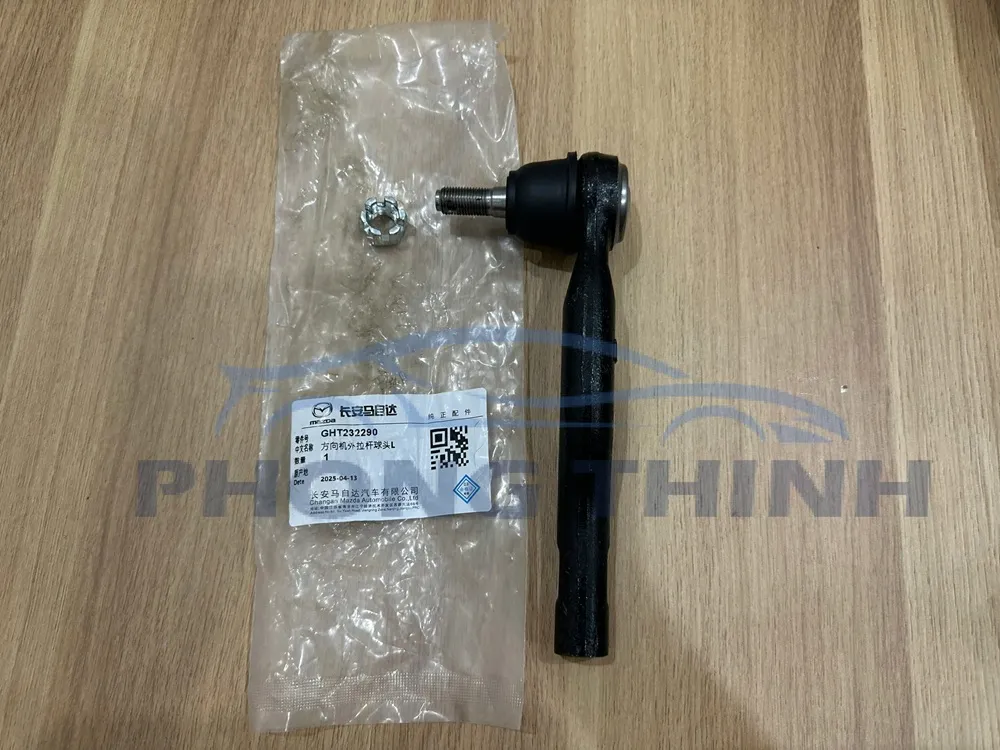
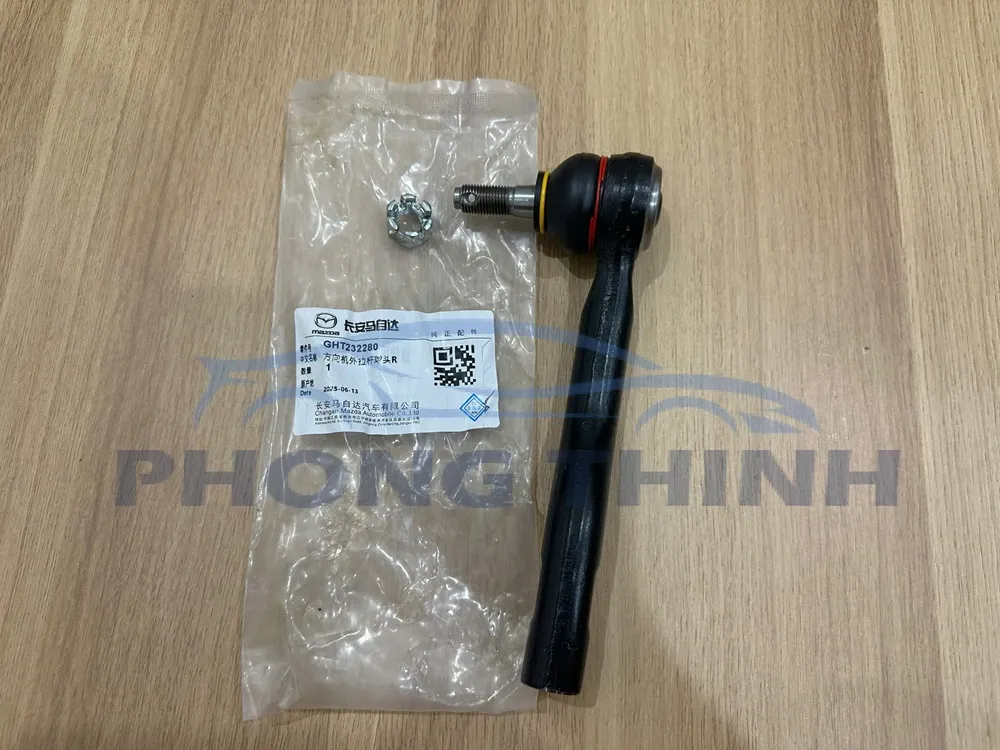
In the middle of a broader undercarriage inspection, it can also make sense to note any front-end wear you find and track a related replacement steering linkage part if other suspension pieces show damage, since repairs are often grouped together during auto repair work.
How to Inspect Brake Hoses, Banjo Bolts, and Crush Washers
Flexible rubber brake hoses can leak or weaken in ways that are easy to miss. Inspect each hose for cracking, swelling, chafing, or a wet outer surface, and then check the hose-to-caliper connection carefully. The banjo bolt and crush washers at the caliper are common leak points because they seal the connection under pressure.
Some leaks only show up when the pedal is pressed during a pedal pressure test, so do not rely on a quick visual pass. A methodical inspection is the best way to understand how to inspect brake hoses safely, especially when the leak is small and only appears under load.
Look for Leaks at Calipers, Wheel Cylinders, and Rear Drum Brakes
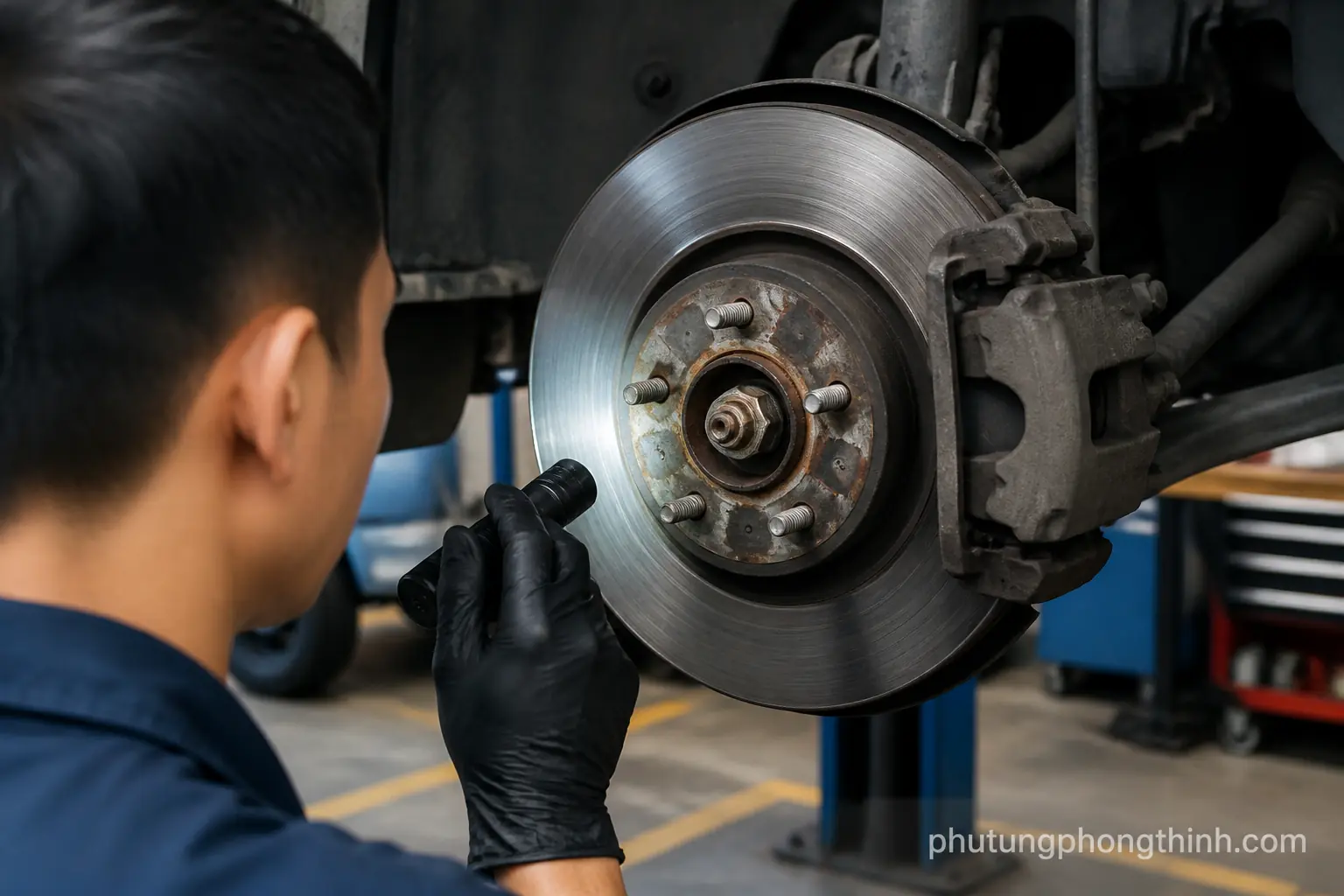
At the wheel end, inspect calipers for wetness around the piston seals and bleeder screws. Fluid around one corner of the car usually points to a localized problem at that wheel rather than a system-wide failure, so focus on the rim, backing plate, and surrounding hardware for signs of seepage.
Wheel cylinder leak symptoms can include damp backing plates, peeling brake shoes, or fluid inside rear drums. Rear drum brakes can hide a leak until the drum is removed, which is why a full inspection often has to go beyond the visible outside surface.

Don’t Overlook the ABS Hydraulic Control Unit
If the visible wheel-end checks come up dry, inspect the ABS hydraulic control unit and the nearby lines for wet fittings or seepage. ABS module leak symptoms often show up as a low fluid level or a warning light that remains on after other obvious leaks have been ruled out. Because these leaks can be subtle, fluid tracing may be needed to confirm the source.
This is a more advanced inspection point, but it is worth checking when the master cylinder, lines, hoses, calipers, and wheel cylinders do not explain the fluid loss. The ABS hydraulic control unit can be the hidden answer when the rest of the system looks normal.
What to Do After You Find the Leak
Do not drive if the pedal is soft, the reservoir is nearly empty, or fluid is actively dripping. In those cases, the safest choice is often to tow the vehicle for brake issues instead of making a short trip and risking further loss of hydraulic pressure.
Once the failed part is repaired, the system should be bled and the fluid level rechecked. A final pedal test confirms the repair before the vehicle returns to service, and that last step is what tells you the brakes are working normally again.
- Repair the leaking component before adding more fluid.
- Bleed the system until the pedal feels firm again.
- Recheck the reservoir after the repair and after the test drive.
- Confirm there are no fresh wet spots at the original leak point.
After the brake system is sorted out, you may still be comparing nearby parts or planning follow-up maintenance, and a matching left-side component can be part of that broader inspection if front-end wear is also on your list.
Frequently Asked Questions
Can I just top off brake fluid after finding a leak?
Top-offs are only a temporary measure. A brake fluid leak means the hydraulic system is losing pressure, so the source has to be repaired, the system bled if needed, and the fluid level rechecked.
What is the most common place for a brake fluid leak?
Common leak points include the master cylinder, steel brake lines, flexible hoses, calipers, wheel cylinders, and fittings such as banjo bolts or bleeder screws. The actual source is not always where the fluid first appears.
How do I know if the leak is from a brake line or a wheel component?
A brake line leak usually shows along the hard line, at a rusted section, or at a fitting. A wheel-end leak is more likely to leave fluid around one caliper, backing plate, drum, or wheel area.
Is it safe to drive with a brake fluid leak?
No, not if the pedal is soft, the reservoir is low, or fluid is dripping. If braking performance is uncertain, the safer choice is to tow the vehicle.
Why does my brake warning light stay on after I add fluid?
If the light stays on, the system may still be low on fluid, or there may be an unresolved leak or another hydraulic issue. The leak source should be found before normal driving resumes.