How to Dry Wet Brake Rotors Safely in 5 Minutes
How to dry wet brake rotors safely
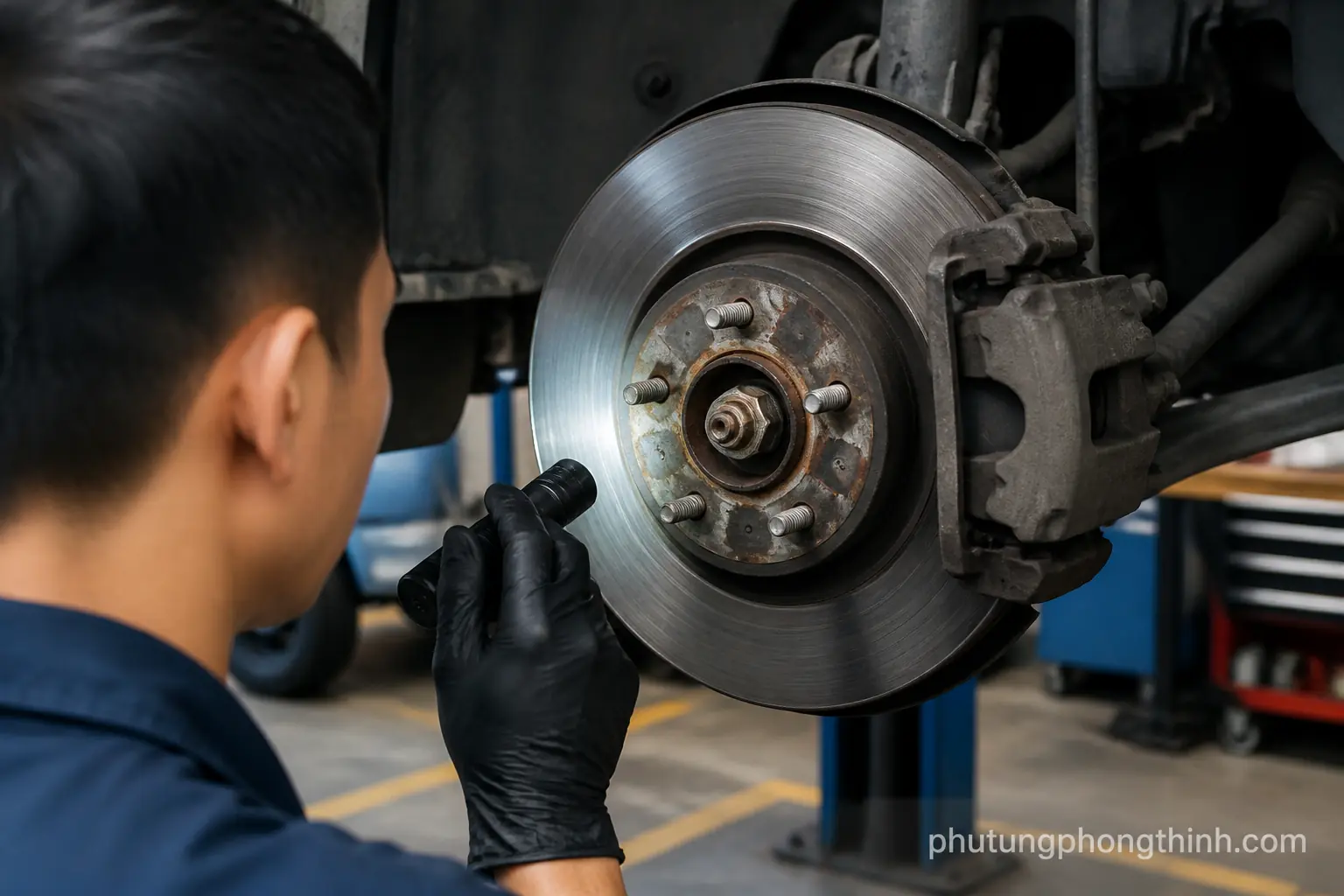
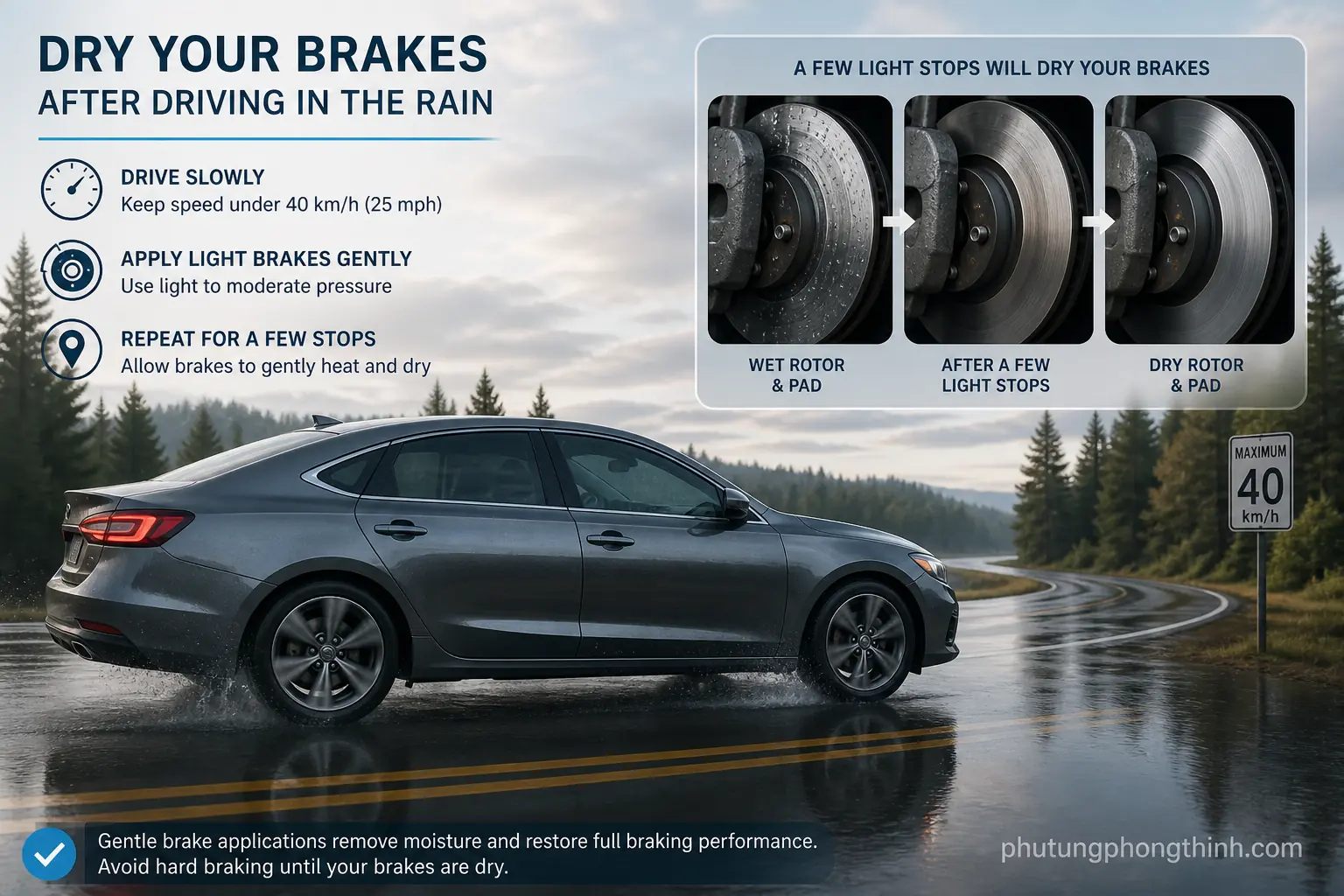
If you need to know how to dry wet brake rotors after rain or a car wash, the safest approach is simple: get to a low-speed driving area, then use gentle brake applications to help the rotors shed moisture. Keep the car under control, avoid traffic if possible, and let the brakes do a little work at a time. The goal is to restore normal braking performance, not to heat everything up as fast as you can.
In most cases, the process only takes a few minutes. As the rotor face dries, the stopping bite comes back and the brakes feel more normal again. A slight squeal or a brief weak feel right after getting wet can happen, especially when the pads first meet a damp rotor surface.
Why brakes feel weak after rain or a car wash
Wet disc brakes can feel softer at first because moisture reduces immediate pad-to-rotor friction. A thin film of water on the rotor face can dull the first few stops until it is cleared away. In humid weather, a light layer of surface rust can also appear quickly after parking, which can add to that temporary rough feel.
The key is to tell normal wet behavior apart from an actual problem. Temporary moisture should fade with a short drive, but contaminated pads or unusual vibration point to something more than water alone. A warning light is not a normal result of wet rotors, so that should be treated as a separate issue.
What not to do while drying rotors
Do not respond with a hard panic stop as soon as the car is wet. That can reduce control, increase wear, and create a harsher feel than necessary. You also should not ride the brakes continuously when the road does not call for it, because that is more heat than this kind of brake care needs.
Restraint matters because the wrong technique can hide a real problem and add stress where it is not needed. Gentle brake applications are enough for drying, and they are a much better tradeoff than aggressive scrubbing or repeated hard stops.
- Avoid aggressive hard braking as the first response after washing the car.
- Do not ride the brakes continuously if traffic or road conditions do not call for it.
- Avoid trying to “scrub off” rust with unnecessary panic stops.
When surface rust or noise is still normal
Light surface rust on rotors is usually temporary, especially after wet weather or a car wash. A brief squeak can also happen for a stop or two and then disappear once the brakes clean up. With normal disc brakes, low-speed driving is often enough to bring everything back to normal quickly.
If the sound or weak feel fades after a short drive, moisture was probably the cause. If braking stays rough, though, the issue may go beyond simple rotor dryness. Persistent grinding, pulling, or pulsation is a sign that deeper inspection is needed. 
Signs the issue needs brake inspection
Sometimes the problem is no longer just wet rotors. If braking performance remains poor after drying attempts, or if a warning light appears, it is time to look closer. A pedal that feels soft or inconsistent, along with vibration, pulling, or repeated noise beyond a brief squeal, also points to a real fault.
Possible causes include contaminated pads, worn rotors, or brake calipers that need attention. Brake pads vs rotors symptoms can overlap, so inspection matters when the feel does not return to normal. If stopping feel is clearly abnormal, do not keep testing the brakes on the road.
- Braking performance remains poor after drying attempts.
- A warning light appears.
- The pedal feels soft or inconsistent.
- The car vibrates, pulls, or makes repeated noise beyond a brief squeal.
If you are already checking the vehicle for broader maintenance, it can make sense to review related parts too, such as an engine performance sensor when warning lights or drivability concerns appear alongside brake symptoms.
How to prevent wet rotor problems next time
After heavy rain or washing, drive a short distance and use gentle brake applications so moisture does not linger on the rotors. Parking where exposure is lower can also help reduce repeated wetting, and routine brake care makes worn parts easier to spot before they turn into a bigger issue.
If you notice noise after every car wash, that can point to an underlying problem rather than normal wet behavior. When wet-brake symptoms become frequent, it is worth checking related systems, especially if low-speed driving no longer restores normal stopping bite. Regular maintenance also helps keep the rest of the vehicle in good shape, including items like the cabin air filter.
- After heavy rain or washing, drive a short distance and use gentle brake applications.
- Park where possible to reduce repeated moisture exposure.
- Keep up with basic brake care so worn components are easier to spot early.
Frequently Asked Questions
How long does it take to dry wet brake rotors?
Most light moisture clears within a few minutes of low-speed driving and gentle brake applications. If the brakes return to normal quickly, the wetness was likely temporary. If the weak feel or noise does not fade, have the brakes inspected.
Is it normal for brakes to squeal after a car wash?
Yes, a brief squeal can happen right after the brakes get wet. It usually goes away after a few stops as the rotor face dries. Ongoing squealing, grinding, or vibration is not typical and should be checked.
Should I brake hard to dry the rotors faster?
No. Hard braking is not the safest way to dry wet rotors, and it is not necessary in most cases. Gentle brake applications at low speed are usually enough and help preserve control and traction.
What is the difference between wet rotors and a brake problem?
Wet rotors usually cause a short-lived weak feel that improves after a short drive. A real brake problem tends to persist and may include a soft pedal, warning light, vibration, pulling, or repeated noise.
Can surface rust on rotors be ignored?
Light surface rust after rain or a car wash is usually temporary and often clears quickly with normal driving. If rust is heavy, braking feels rough, or noise keeps returning, inspection is the safer choice.