How to Diagnose Cooling System Restriction: 7 Key Checks
How to diagnose cooling system restriction: start with the symptoms
If you’re trying to learn how to diagnose cooling system restriction, start by separating a real flow problem from a simple low-coolant condition. A restriction limits coolant circulation, so the engine may overheat, the cabin heat may go weak, and the hoses may not warm up evenly. The goal is to find where flow drops off: the radiator, thermostat, heater core, or engine passages.
The checks below follow a logical order and use basic tools like an infrared thermometer, a scan tool if you have one, and safe shop gloves. Always work with the engine cool enough to avoid burns, especially before touching hoses, caps, or the reservoir.
The fastest first step is temperature comparison. When coolant is moving normally, heat should travel through the system in a predictable pattern. If one section stays much cooler than expected, that is often the first sign of a restriction or air pocket.
In a healthy system, temperature should rise at the thermostat housing, move into the upper hose, shed heat through the radiator, and come back cooler through the lower hose. A sharp temperature break anywhere in that path usually points to restricted flow.
Check hose temperatures for a quick temperature comparison
Begin with the upper radiator hose and lower radiator hose after the engine has warmed up. A large difference between them can mean the radiator is rejecting heat normally, while a nearly equal pair can suggest poor heat transfer or a lack of flow. If the upper hose is hot and the lower hose stays much cooler, the radiator flow may be restricted or the thermostat may not be opening.
Frequently Asked Questions
When is a blocked radiator more likely than a bad thermostat?
A blocked radiator is more likely when the engine overheats but the thermostat appears to open, the upper hose gets hot, and the lower hose stays unusually cool or the radiator shows uneven cold spots. A bad thermostat is more likely when the engine warms up too quickly or the radiator stays cool because flow never starts.
Can air pockets cause the same symptoms as a restriction?
Yes. Air pockets can interrupt coolant circulation, create false temperature readings, and make the heater go weak. They can look very similar to a restriction, especially after coolant service or a leak.
How do you tell heater core restriction from a radiator problem?
Compare the heater hoses at the firewall. If one hose is hot and the other is much cooler, the heater core may be restricted or air may be trapped in that circuit. A radiator problem usually shows up more clearly as an upper-to-lower hose temperature issue and cold spots across the radiator face.
Should you flush or replace a radiator after finding sludge?
If the sludge is light and the radiator still flows reasonably well, a flush may help. If the core has heavy blockage, repeated overheating, or severe contamination, replacement is often the better repair.
Related Articles
Featured Products
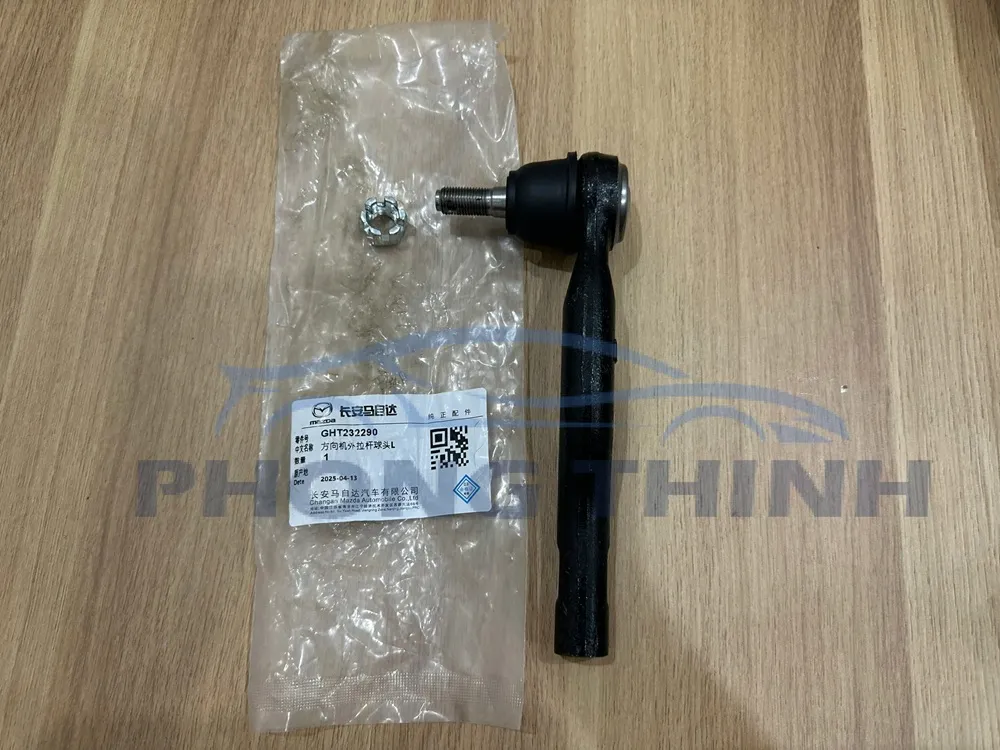
Outer Tie Rod End for Mazda 3 Mazda 6 2015-2018 LH OEM GHT232290
Contact us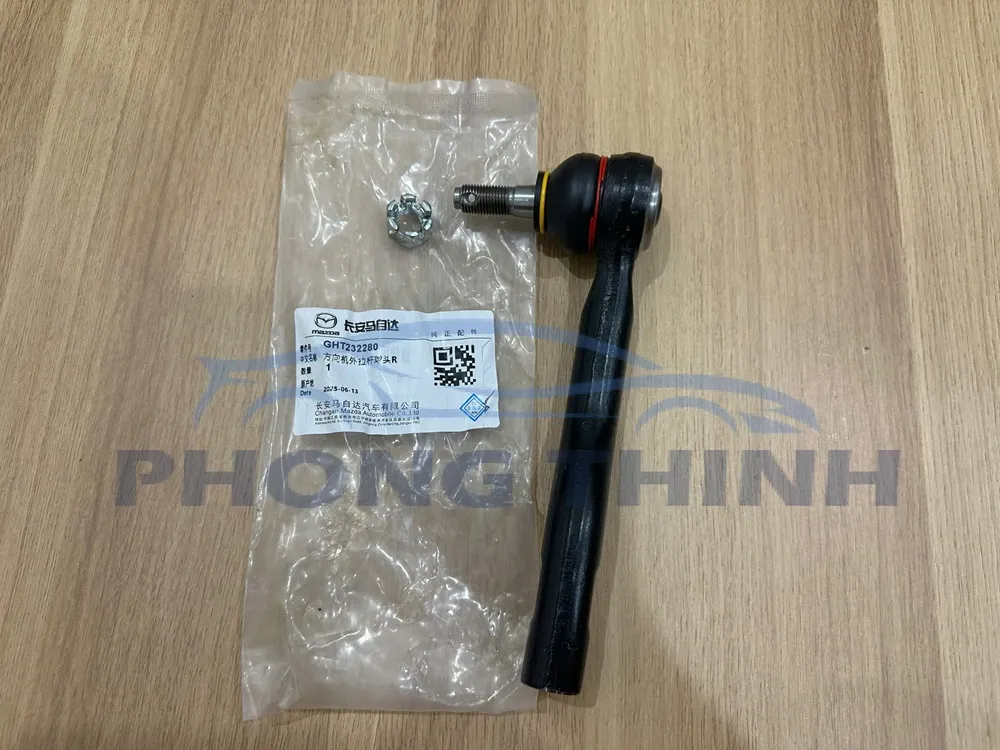
Outer Tie Rod End Mazda 3 Mazda 6 2015-2018 RH OEM GHT232280
Contact us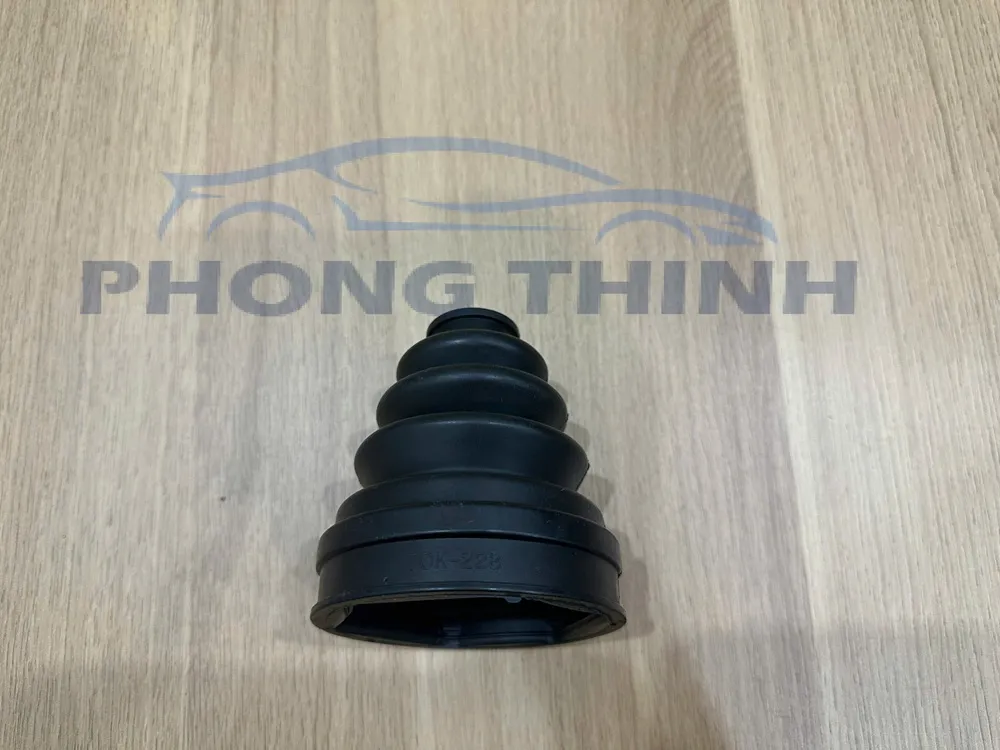
Inner CV Boot for Mazda 3 2014-2018 TOK TOK228
Contact us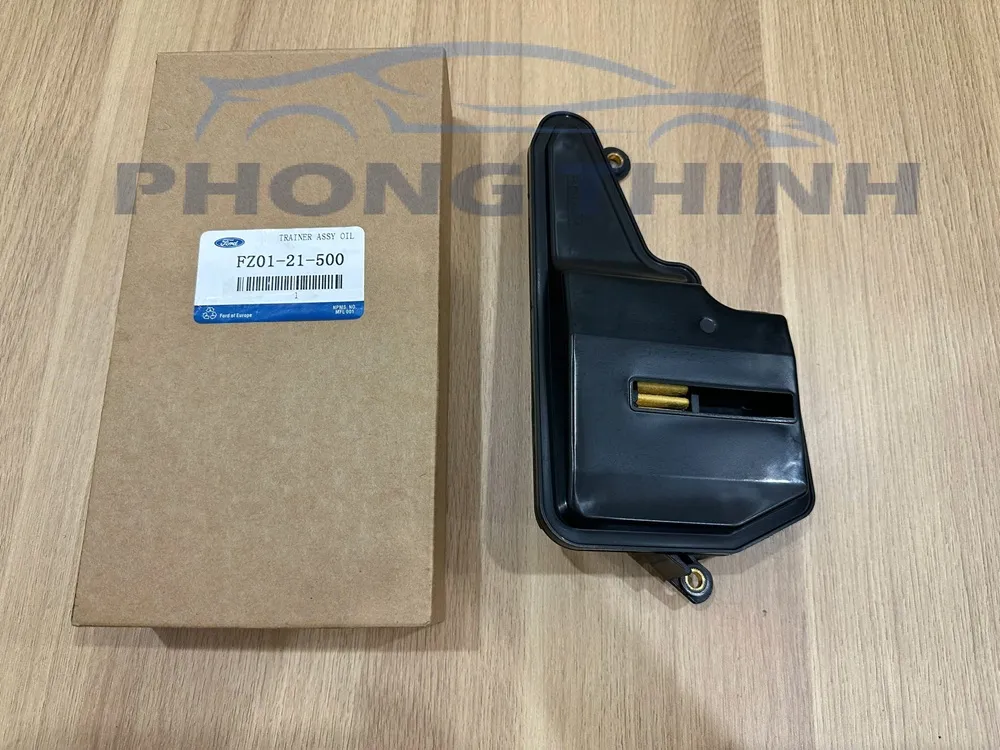
Mazda 3 Mazda CX-5 Automatic Transmission Oil Filter 2015-2018 OEM FZ…
Contact us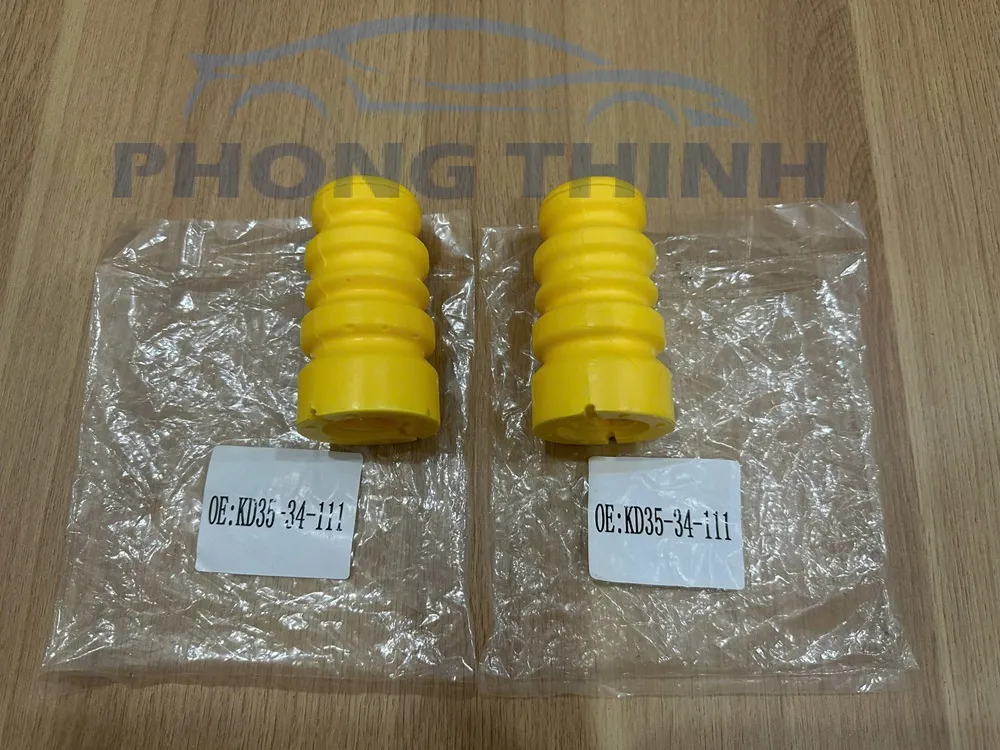
Front Shock Absorber Bump Stop for Mazda CX5 2013-2016 OEM KD3534111
Contact us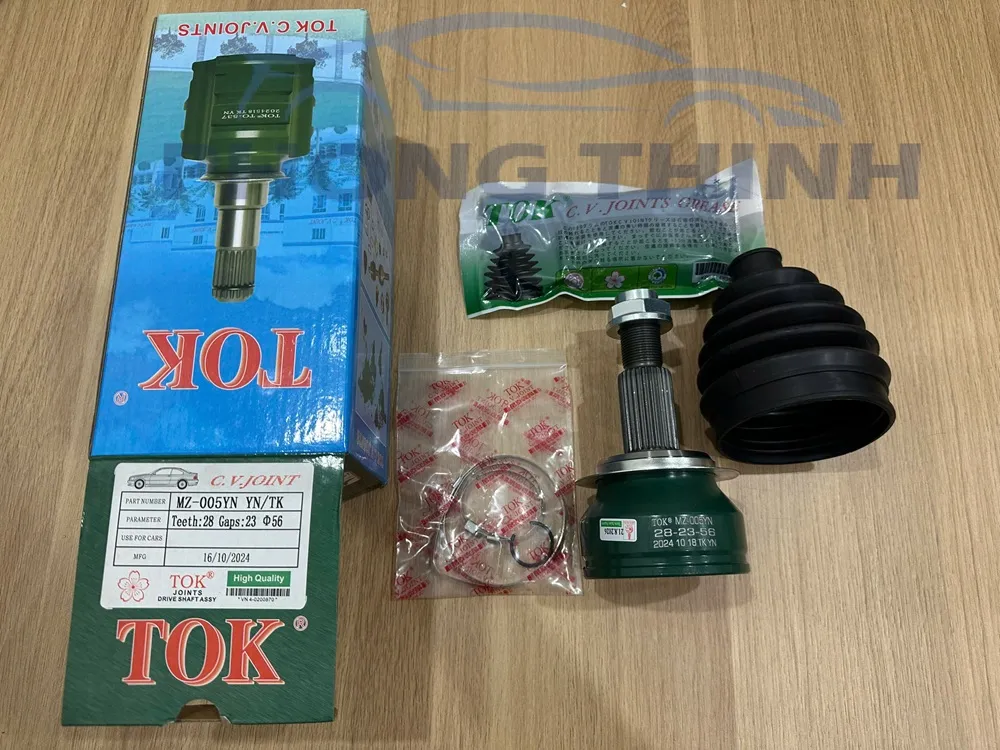
Outer CV Joint for Mazda 3 2014-2018 TOK MZ005YN
Contact us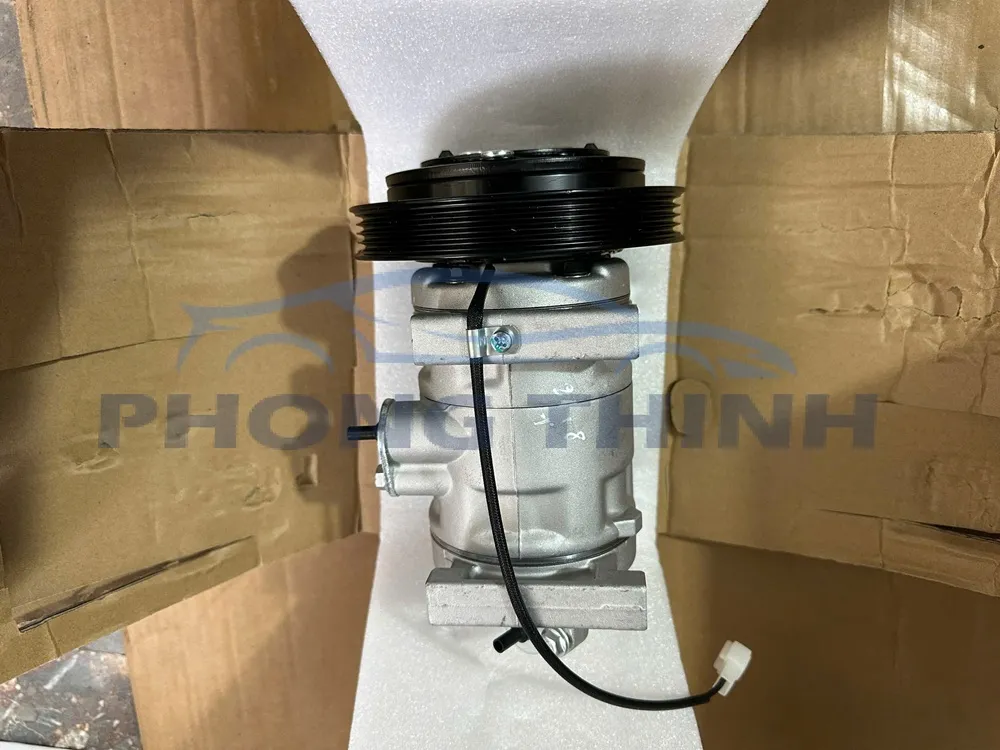
Ford Laser 1.6 AC Compressor 2000-2005 OEM B25F61K00A
Contact us