How to Diagnose Contaminated Brake Rotors: 9 Clear Signs
If you're trying to figure out how to diagnose contaminated brake rotors, the key is to separate true surface contamination from problems that only feel similar. Oil, grease, brake fluid, or uneven transfer material can all change braking behavior, and they can be mistaken for warped rotors or bad brake pads. The good news is that a careful mix of visual checks, road-test symptoms, and measurements can usually point you to the real cause.
How to Diagnose Contaminated Brake Rotors: Start with the warning signs
Contaminated brake rotors are braking surfaces affected by oil, grease, brake fluid, or uneven transfer material that interferes with normal friction. That matters because contaminated surfaces can reduce stopping power, create vibration, and make the brakes feel inconsistent even when the hardware is otherwise intact. In the sections below, you'll see how to identify the symptoms, confirm the source, and decide whether cleaning, repair, or replacement is the safer fix.
What causes brake rotor contamination
The most common cause is a fluid or lubricant getting where it should not. A caliper or hose leak can leave oily residue on the rotor, while wheel bearing grease can migrate outward and coat the braking surface. Contamination can also start from outside the hub area, such as road grime, overspray, or careless handling during brake repair, which often leaves blotchy areas that are easy to miss at first.
- Brake fluid leaks from a caliper or hose can leave oily residue on the rotor
- Wheel bearing grease can migrate onto the braking surface
- Road grime, overspray, or improper handling during repair can create blotchy areas
- Overheated pads can leave smeared patches that look like contamination
9 clear signs your rotors are contaminated
Several symptoms can point to contamination before you ever remove a wheel. You may notice squealing, shuddering, or an uneven braking feel during stops, especially if the problem is worse after the vehicle has been parked. A close look at the rotor may reveal oily residue, blotchy areas, smeared patches, or brake dust that looks wet and clings to one section instead of coating the surface evenly. Glazed pads and transfer marks are also common when heat has played a role, and a vehicle that pulls to one side can be a clue that only one rotor is affected.
- Squealing, shuddering, or uneven braking feel during stops
- Visible oily residue, blotchy areas, or smeared patches on rotor faces
- Brake dust that looks wet or unevenly stuck to one area
- Glazed pads or transfer marks that point to heat-related contamination
- Pulling to one side, which can happen if only one rotor is affected
How to inspect brake rotors safely at home
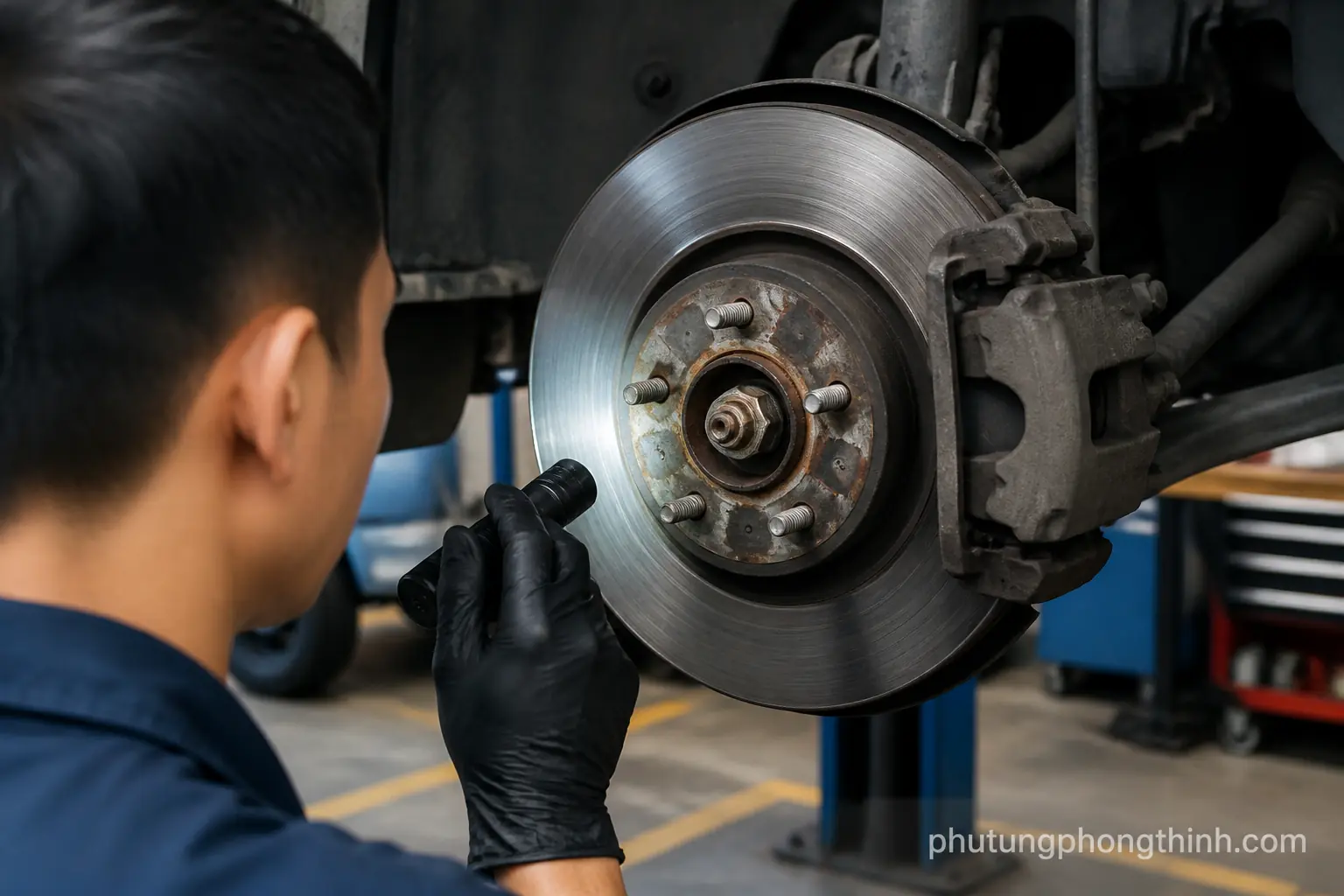
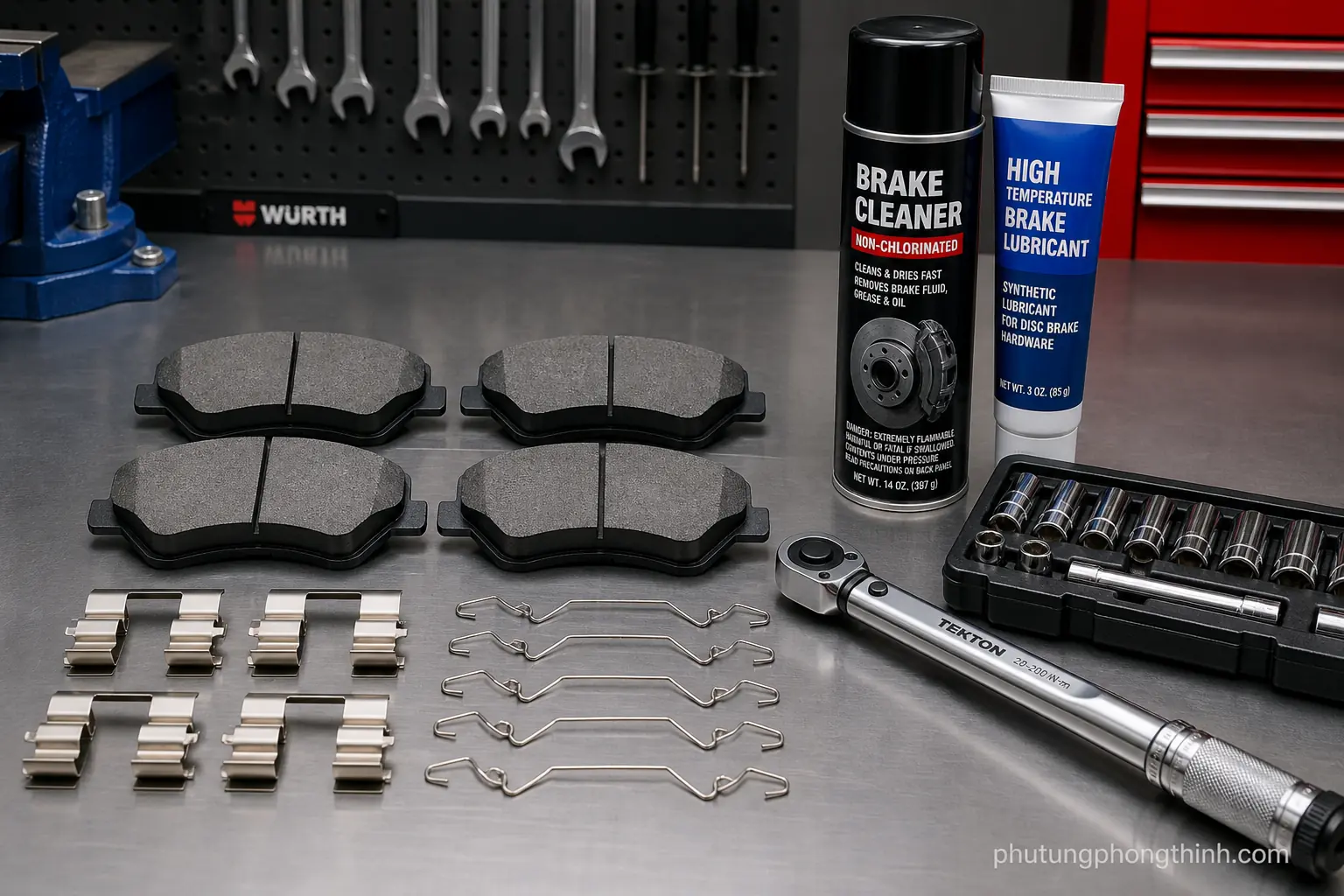
Start with the vehicle securely lifted and the wheel removed so you can inspect both rotor faces under good light. Look for oil sheen, discoloration, scoring, and any uneven pad transfer that stands out from the rest of the disc. A simple wipe test with brake cleaner on a rag or lint-free towel can help show whether the surface film is loose contamination or something more embedded. While you're there, check nearby parts for signs of a leaking caliper or grease fling, since the rotor is often only the first place the problem shows up.
Frequently Asked Questions
How can I tell if a brake rotor is contaminated or just warped?
Contaminated rotors usually show visible residue, blotchy areas, smeared patches, or uneven transfer material on the surface. Warped-rotor complaints more often show up as pulsation or vibration during braking, sometimes without obvious residue. If the symptoms overlap, inspect the surface closely and measure runout before deciding on repair.
How do I check brake rotor runout?
Use a dial indicator mounted steadily while the rotor turns, then measure lateral runout at the rotor face. Compare the reading with the manufacturer’s limit for that vehicle. If runout is out of spec, the rotor may feel like it is warped even when contamination or mounting issues are part of the problem.
What usually causes brake rotor contamination?
The most common causes are brake fluid leaks, wheel bearing grease, road grime, overspray, or improper handling during brake service. Overheated pads can also leave transfer material that looks like contamination. Finding the source matters, because the rotor can be cleaned or replaced, but the leak or grease source must be fixed first.
What are signs of a leaking caliper or glazed brake pads?
A leaking caliper can leave oily residue near the rotor and backing plate, and the braking feel may become inconsistent or weaker. Glazed pads often look shiny and can cause noise, reduced bite, and poor friction even if the rotor surface is relatively clean. If you see both signs together, both the pads and the cause of the leak or overheating should be addressed.