How to Diagnose Bad Brake Hardware: 2026 DIY Guide
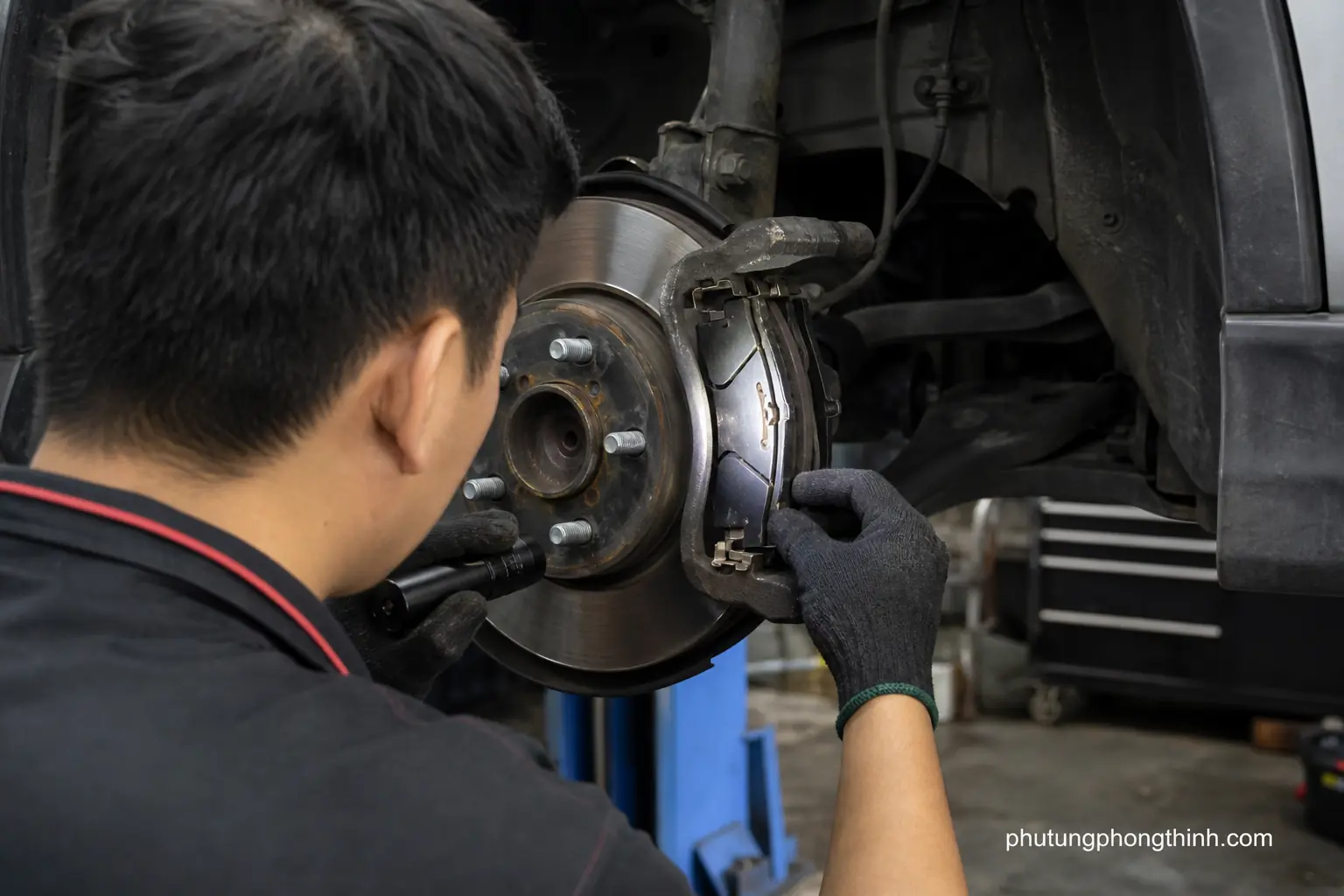
How to diagnose bad brake hardware: the first signs
If you are trying to figure out how to diagnose bad brake hardware, start by separating hardware problems from worn pads or rotor issues. Brake hardware includes the clips, springs, pins, and contact points that guide the pads, not the pads themselves. Early symptoms often include brake noise, rattling over bumps, dragging brakes, and uneven pad wear. The goal is to find the real cause before replacing parts that are still usable.
What brake hardware does and where it fails
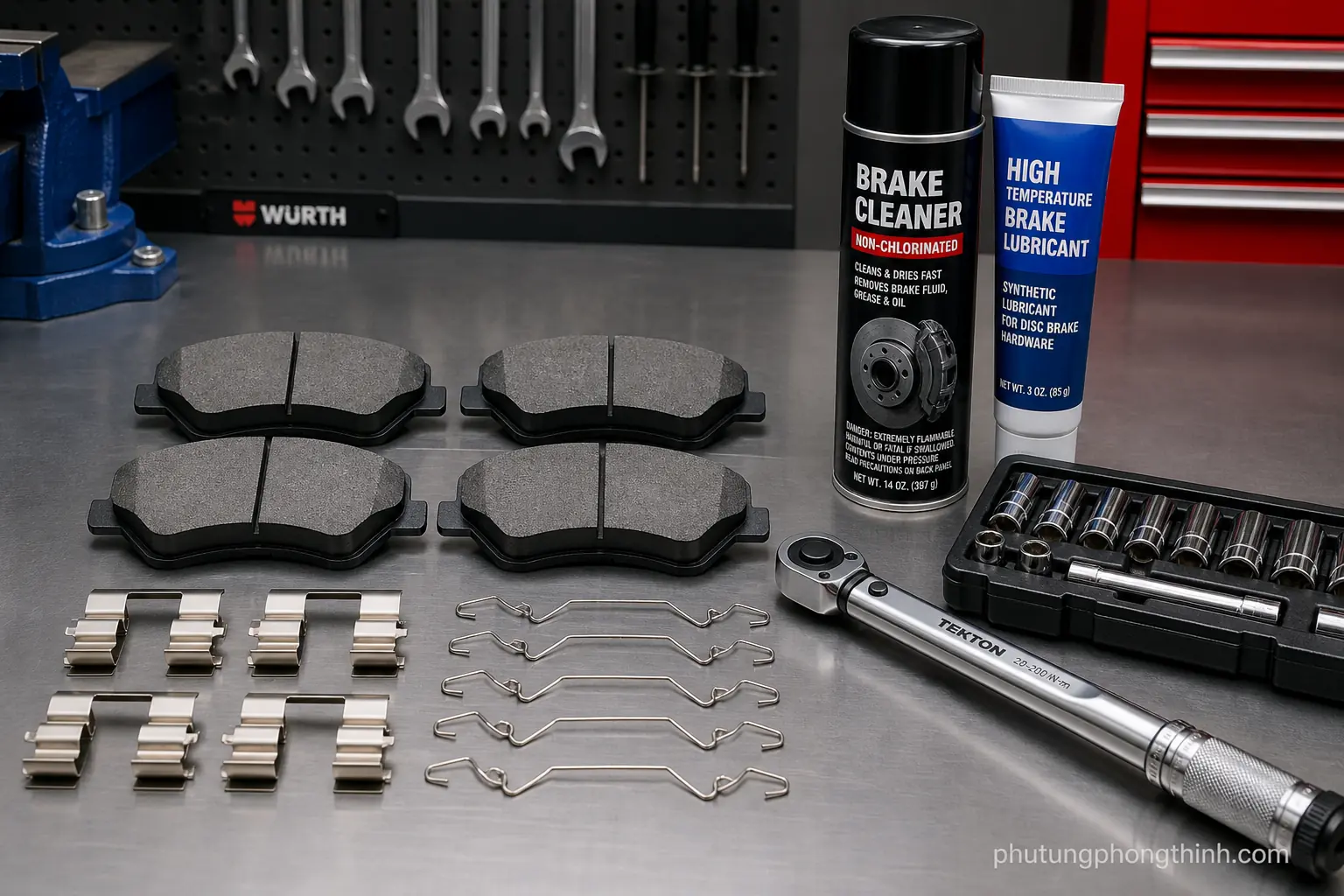
Brake hardware keeps the pads centered, quiet, and able to move the way they should inside the caliper bracket. Anti-rattle clips, abutment clips, pad retaining pins, and brake pad springs all help control pad movement and reduce noise. When these parts wear out, rust, go missing, or bend out of shape, the pads can stick, shift too far, or click against the bracket. Dirt and corrosion at the contact points can also create brake drag and the kind of clicking that shows up on every stop.
- Anti-rattle clips reduce pad movement and help prevent chatter.
- Abutment clips provide the pad lands the pads slide on.
- Pad retaining pins and brake pad springs keep the assembly seated correctly.
- The caliper bracket is where rust and debris most often cause binding.
Step-by-step checks for noise, drag, and pad binding
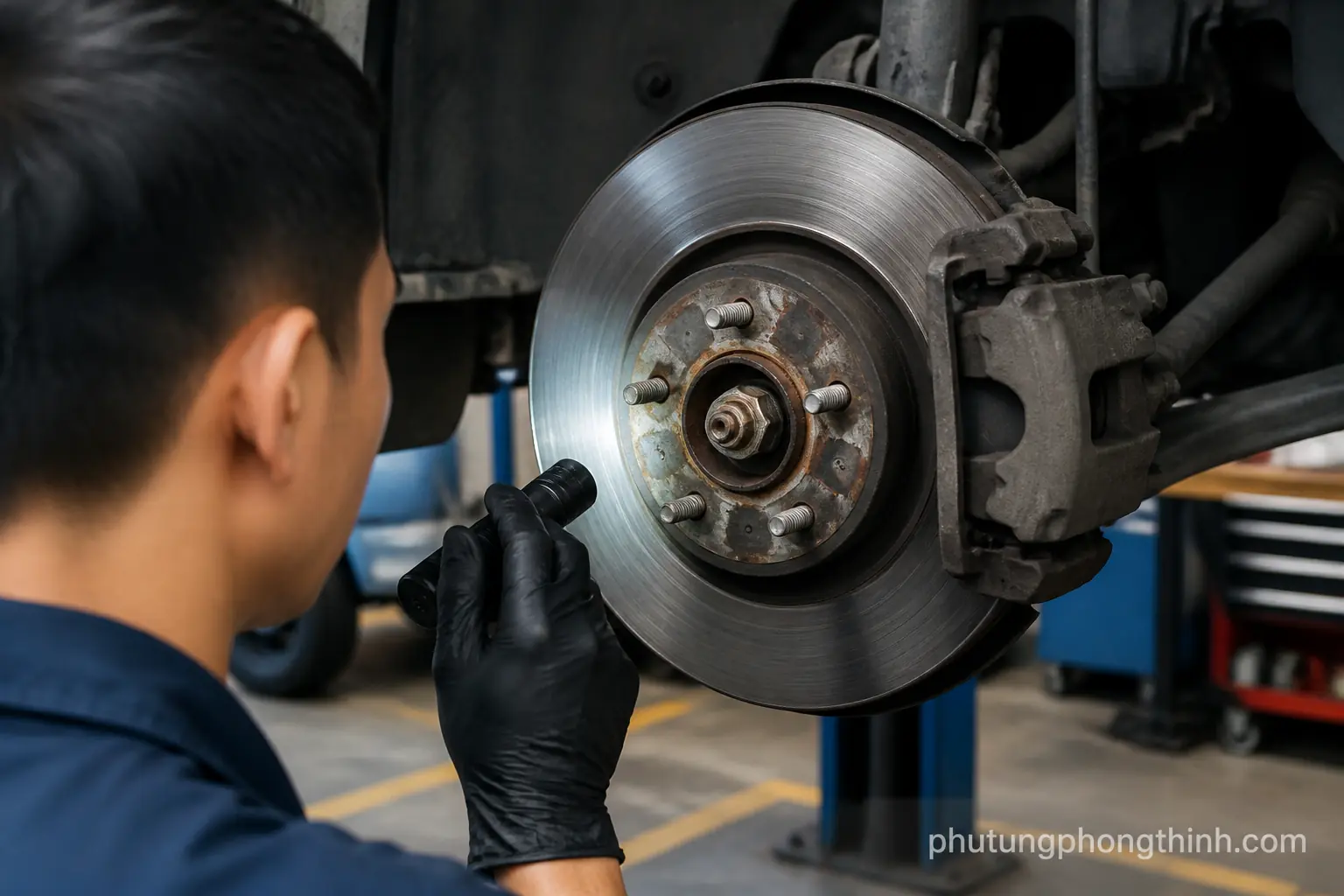
Begin with a road test and pay attention to when the problem happens. Noise over bumps points in a different direction than a sound that appears only when braking, and constant pull or heat buildup can point to brake drag. Once the vehicle is safely lifted, inspect pad fitment in the bracket and see whether the pads are sticking in the abutments. Check the slide pins, clip condition, and both inner and outer pads for uneven pad wear.
If the symptoms look familiar, compare them to caliper slide pin symptoms and signs of a seized caliper. A brake noise after pad replacement can be a clue that the hardware was not serviced correctly or that the pads were installed against dirty bracket surfaces. Rotor damage or pad material transfer can also mimic hardware trouble, so do not assume the clips are the only issue just because the brakes are noisy.
- Note whether the sound happens on bumps, during braking, or all the time.
- Check for pads that do not slide freely in the bracket.
- Look for worn clips, stuck pins, and clear side-to-side pad wear differences.
How to clean and inspect the caliper bracket

Cleaning the caliper bracket is often the best way to see whether the hardware can be reused. Remove rust and debris from the pad contact points with a wire brush, then inspect the clip seats, pin channels, and pad lands closely. Grooves, pitting, and heavy corrosion can prevent the pads from moving smoothly even if the pads themselves are new. If the clips no longer hold tension or the bracket surfaces are too damaged, replacement is the safer fix.
When brake hardware should be replaced instead of reused
Some parts can be cleaned and returned to service, but missing, bent, broken, or rust-weakened hardware should be replaced. That includes anti-rattle clips and pad retaining pins that no longer fit tightly or sit squarely in place. If uneven pad wear, dragging brakes, or persistent clicking comes back after cleaning, the hardware is usually telling you it is finished. Recurring noise after pad replacement often means the hardware was never restored properly in the first place.
- Replace any clip or pin that is missing, bent, or weakened by rust.
- Do not reuse hardware that cannot hold the pads firmly.
- If the noise returns after cleaning, treat replacement as the next step.
Prevent brake hardware problems from coming back
Good brake service starts with clean bracket areas and a full hardware inspection every time the pads are changed. Use proper lubrication only on approved contact points, and keep it away from friction surfaces. It also helps to remember that rattling over bumps is not always a brake problem; suspension and steering parts can make similar noises and lead to the wrong repair if they are ignored. In some cases, a worn front strut dust boot or a tired stabilizer link component may be part of the real complaint, so a full noise check saves time and prevents repeat work.
- Clean and inspect hardware on every brake job.
- Use lubricant only where the manufacturer allows it.
- Check suspension and steering sources when the complaint is a bump rattle.
For a better vehicle noise diagnosis, consider the related suspension parts such as the front strut dust boot and the stabilizer link component when the noise is not clearly coming from the brakes.
FAQ: diagnosing brake hardware problems
Frequently Asked Questions
How can I tell if the brake pads are bad instead of the hardware?
Bad pads usually show worn friction material, cracking, glazing, or contamination on the pad itself. Bad hardware more often causes noise, pad movement problems, or uneven pad wear even when the pad material still looks serviceable. If the pads fit loosely, bind in the bracket, or the clips are damaged, the hardware is the better place to start.
What do clicking noises usually mean when braking?
Clicking often points to pads shifting in the caliper bracket, worn anti-rattle clips, or loose hardware at the contact points. It can also come from corrosion, missing clips, or a pad that is not seated correctly after service. If the clicking started after a brake job, inspect the hardware first.
Does brake drag always mean a seized caliper?
No. Brake drag can come from seized slide pins, rusted bracket contact points, sticking pads, or damaged hardware that does not let the pads retract properly. A seized caliper is one possible cause, but it is not the only one.
Why do new brakes still make noise?
New brakes can still make noise if the hardware was reused when it should have been replaced, if the bracket was not cleaned, or if the pads were installed against corroded contact points. Rotor condition and pad material transfer can also contribute. A proper inspection of the bracket and clips is the fastest way to narrow it down.
Can rattling over bumps come from something other than brake hardware?
Yes. Suspension and steering parts can create similar rattling sounds, especially when the vehicle goes over rough roads or speed bumps. If the brakes pass inspection, look for other loose components in the front end before replacing more brake parts.