How to Diagnose ABS Air in Brake Lines: 7 Checks
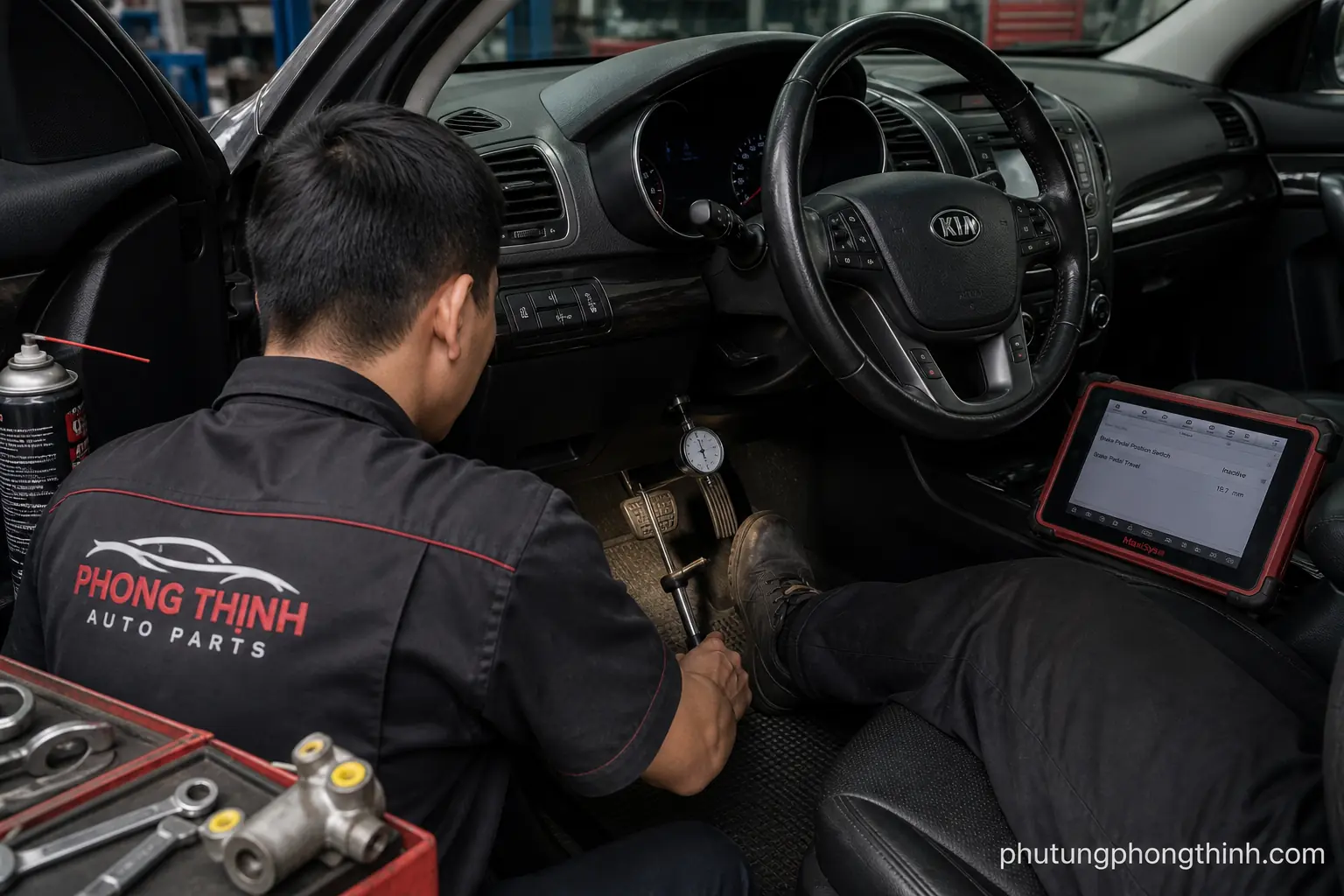
How to Diagnose ABS Air in Brake Lines: what the pedal symptoms mean
If you are trying to figure out how to diagnose ABS air in brake lines, start with the pedal feel itself. A soft pedal, spongy brake pedal, springy pedal, or low brake pedal usually means something in the hydraulic system is letting the pedal travel farther than it should. Sometimes the pedal feels normal at first, then sinks or changes from stop to stop, which is a clue that the problem is inconsistent rather than simply worn pads.
At a high level, air-related symptoms can be different from a fluid leak or basic pad wear, even though they may overlap. The real job is to narrow the fault to the master cylinder, the ABS hydraulic control unit, or the wheel circuits, instead of assuming every soft pedal is trapped air.
Check the brake fluid level, leaks, and master cylinder first
Before blaming ABS air, check the reservoir level and the condition of the fluid. Low fluid, dark fluid, or obvious contamination can all point to a bigger problem in the system. Then inspect for external leaks at calipers, wheel cylinders, lines, hoses, and fittings, because even a small leak can create a soft pedal and pull air into the system.
A master cylinder bypass test matters because an internal seal fault can mimic trapped air. If the pedal sinks with the engine running, the issue may be master cylinder bypass or vacuum assist behavior rather than air in the ABS unit. In other words, do not chase ABS bleeding until the basic hydraulic checks are sound.
- Check the reservoir level against the full mark and look for fresh wetness around all hydraulic connections.
- Inspect the fluid color and odor for signs that the brake system needs service beyond a simple bleed.
- Test whether the pedal holds pressure or slowly drops, which can help separate a leak from master cylinder bypass.
Inspect wheel brakes and mechanical adjustment for false air symptoms
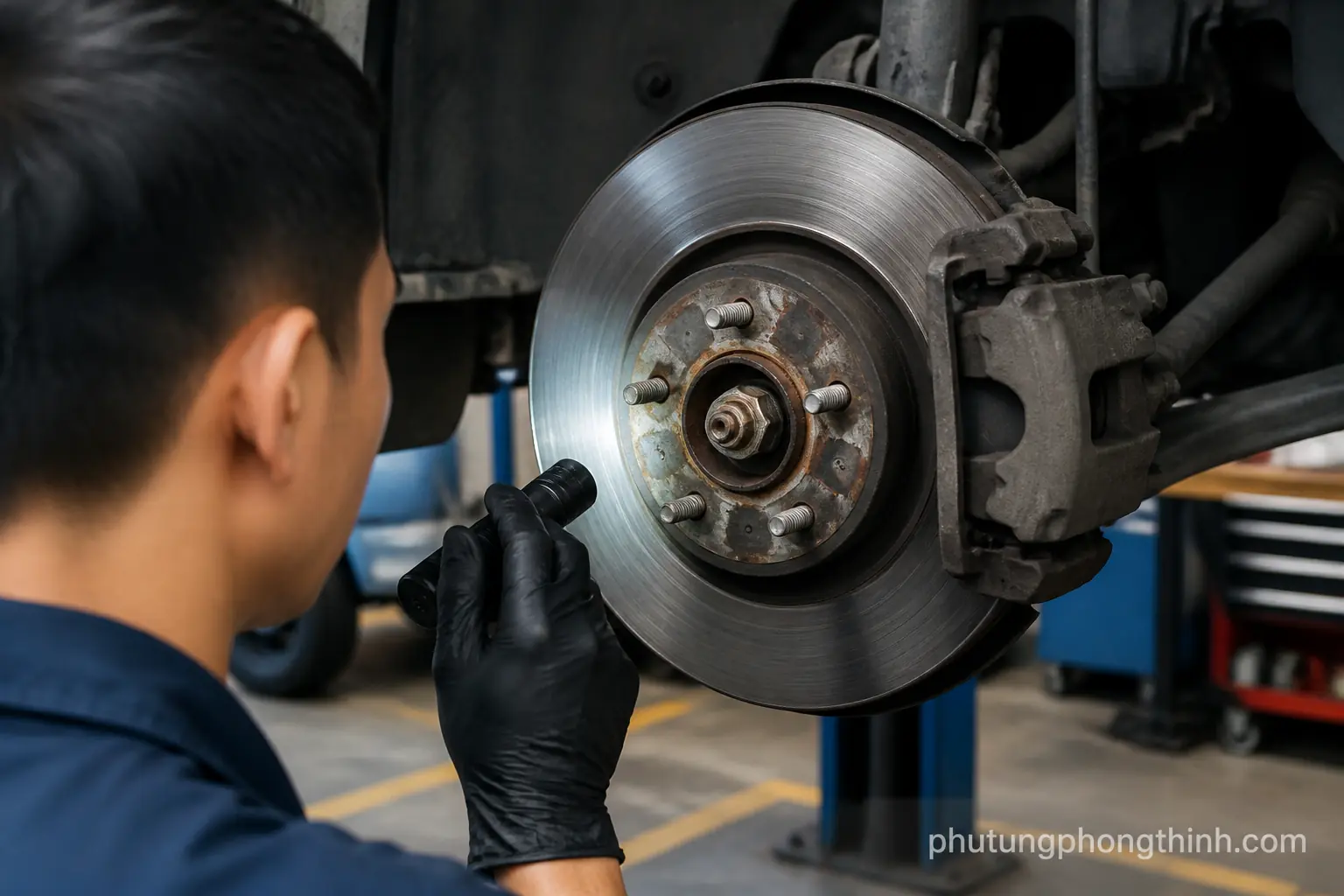
Wheel-end problems can feel a lot like trapped air. Worn pads, uneven rotor surfaces, sticking calipers, or dragging hardware can all change pedal travel and make the brake pedal feel long. Pad knockback is another common issue: if the rotor runout or hub movement pushes the pads back, the next brake application needs extra travel before the pads contact the rotor.
Rear drum brake adjustment also matters more than many drivers expect. If the shoes are out of adjustment, the pedal can feel low even when the hydraulic system is full of fluid. Uneven shoe or pad contact can be mistaken for air in the brake lines, so mechanical inspection should come before a deep ABS diagnosis.
- Check pad thickness, rotor condition, and caliper slide movement for uneven wear or binding.
- Look for signs of pad knockback, especially after wheel service or rotor replacement.
- Confirm rear drum brake adjustment so the shoes are not creating extra pedal travel.
Bleed the system and watch for signs of trapped air in the ABS hydraulic control unit

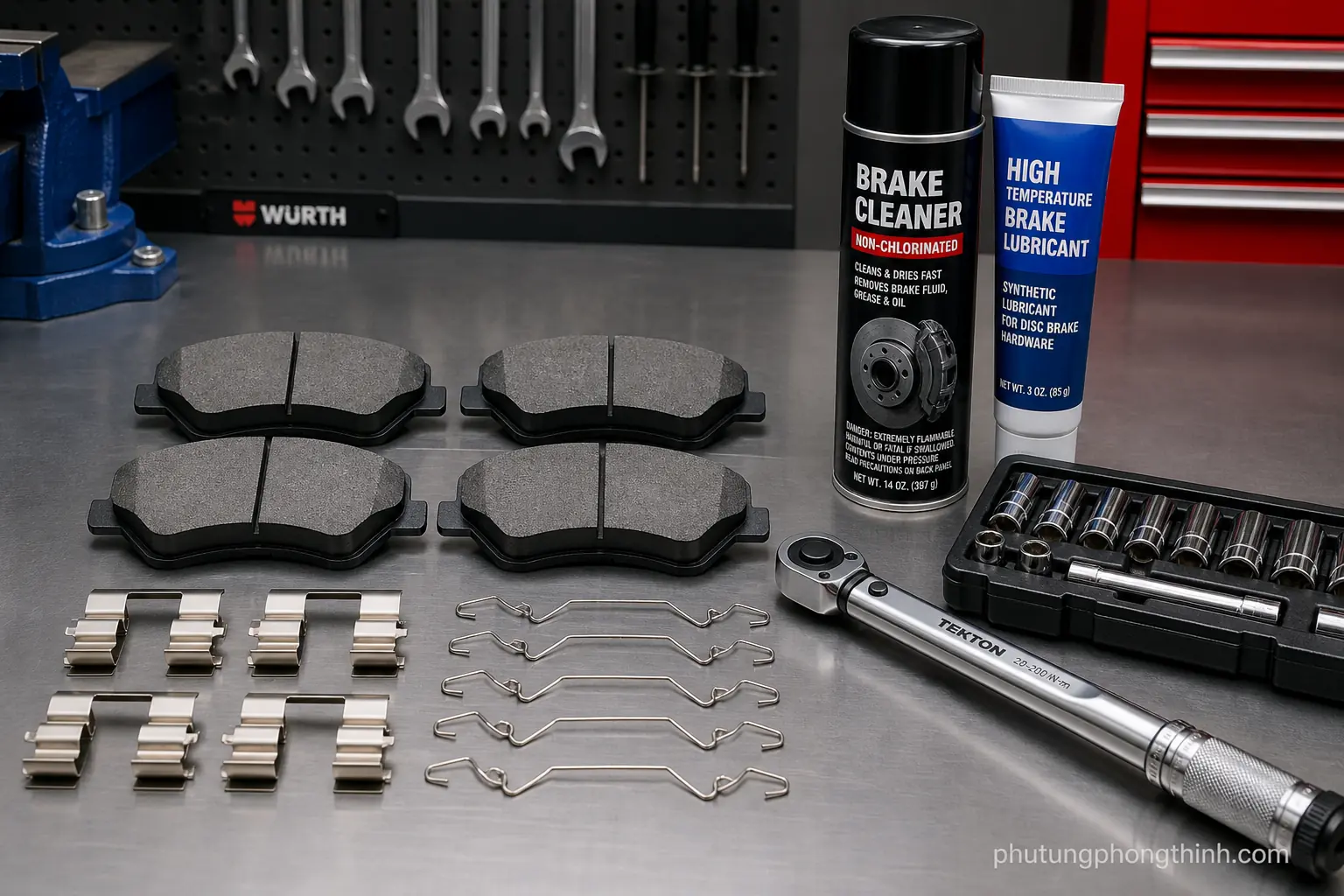
Once the basic checks are done, bleed the system and watch closely for bubbles. A clear bleed hose and catch bottle make it easier to see whether air is still coming out of the wheel circuits. If you keep seeing bubbles after a proper bleed, that can suggest trapped air in the ABS hydraulic control unit or a problem in the modulator itself.
The order of bleeding matters because air tends to move toward the highest points and the longest lines. A normal bleed clears the wheel circuits in the correct sequence, while an ABS automated bleed procedure is used when conventional bleeding does not fully restore pedal firmness. That difference is important because the ABS unit may hold air in places a normal bleed cannot reach.
- Use a clear hose so you can confirm whether the flow is fluid-only or still carrying air bubbles.
- Keep the reservoir filled during the process so new air is not drawn back into the system.
- Repeat the bleed only if the results show ongoing bubbling or an inconsistent pedal.
Use a scan tool to trigger ABS bleed functions

When conventional bleeding does not solve the problem, a scan tool can command bi-directional ABS bleed functions. In many cases, the ABS hydraulic control unit needs to cycle valves and pump operation so trapped air can move out of passages that stay closed during a normal bleed. After that, the pedal may feel firmer and travel less before the brakes apply.
Not every vehicle supports the same scan tool bleed commands, so the exact procedure depends on the platform. On some systems, the ABS automated bleed procedure is essential after module replacement, line repair, or deep fluid loss. On others, it is simply the final step after a careful manual bleed. Systems tied into broader vehicle electronics, including an ABS-related electrical control module, may also require broader scan communication checks if the bleed command will not run.
7 checks that help confirm ABS air versus another brake fault
Use this short checklist to separate trapped air from other brake problems. Start with the simplest items first, because a soft pedal often has more than one possible cause.
- Check reservoir level.
- Check for leaks.
- Test master cylinder bypass.
- Inspect pad knockback.
- Inspect rear drum adjustment.
- Bleed with a clear hose and watch for bubbles.
- Run a scan tool ABS bleed if needed.
These checks help you avoid confusing air in the brake lines with a mechanical or hydraulic fault elsewhere. If the pedal improves after one step, that tells you where the diagnosis should go next. If it does not, keep moving through the list instead of repeating the same bleed over and over.
When the pedal is still soft after bleeding
If the pedal is still soft after bleeding, the most likely causes are still trapped air, a faulty master cylinder, a caliper issue, or an ABS modulator fault. A pedal that sinks when running can be a useful clue because it often points toward master cylinder or assist concerns rather than simple air alone. When the brake pedal remains inconsistent after the correct bleeding process, the root cause has probably not been isolated yet.
At that point, it is sensible to stop and seek professional ABS hydraulic diagnosis, especially if the vehicle keeps losing pedal height after each repair attempt. Broader scan-diagnostic workflows may also involve the engine control module support when the brake and ABS systems need complete communication checks.
Frequently Asked Questions
How do I know if the soft brake pedal is caused by air or by the master cylinder?
A pedal that improves after pumping usually points more toward trapped air or excessive clearance, while a pedal that slowly sinks under steady pressure can point to master cylinder bypass. If the fluid level is correct, there are no leaks, and a proper bleed does not help, the master cylinder becomes a stronger suspect.
Why does my brake pedal feel normal after pumping, then go soft again?
That pattern often means the system is not fully pressurized on the first application. Air, pad knockback, rear drum adjustment, or an internal hydraulic fault can all cause it. Repeated pedal recovery after pumping is a clue that the problem is still in the hydraulic path, not just in the pedal itself.
Do I always need a scan tool to bleed ABS brakes?
No. Some vehicles can be bled manually if the system was only opened for a small repair. But if the ABS hydraulic control unit holds trapped air, or if the vehicle manufacturer calls for an automated bleed procedure, a scan tool is often necessary to cycle the valves and pump.
What if I still see bubbles after bleeding the brakes?
Small bubbles can come from loose bleed connections, low reservoir level, or air still trapped in the system. If bubbles keep appearing after a proper bleed and correct procedure, that suggests deeper trapped air or a modulator issue that may need scan-tool bleed functions.
Can rear drum brakes really make the pedal feel like there is air in the lines?
Yes. If rear drum brakes are out of adjustment, the shoes need extra travel before they contact the drum. That extra travel can make the pedal feel low or soft even when the hydraulic system itself is not full of air.