How to Diagnose a Sticking Brake Caliper: 7 Checks
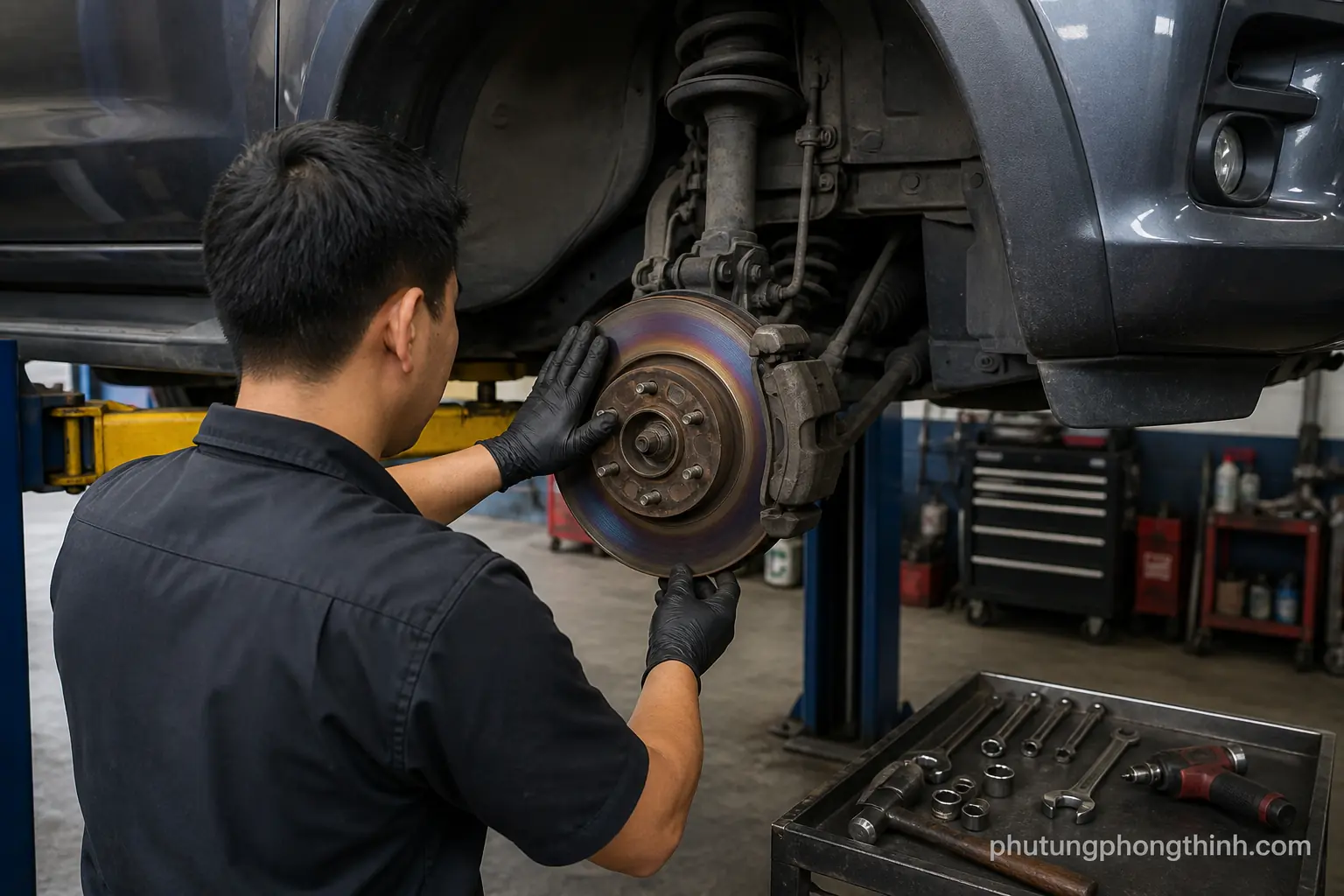
How to Diagnose a Sticking Brake Caliper: the first warning signs
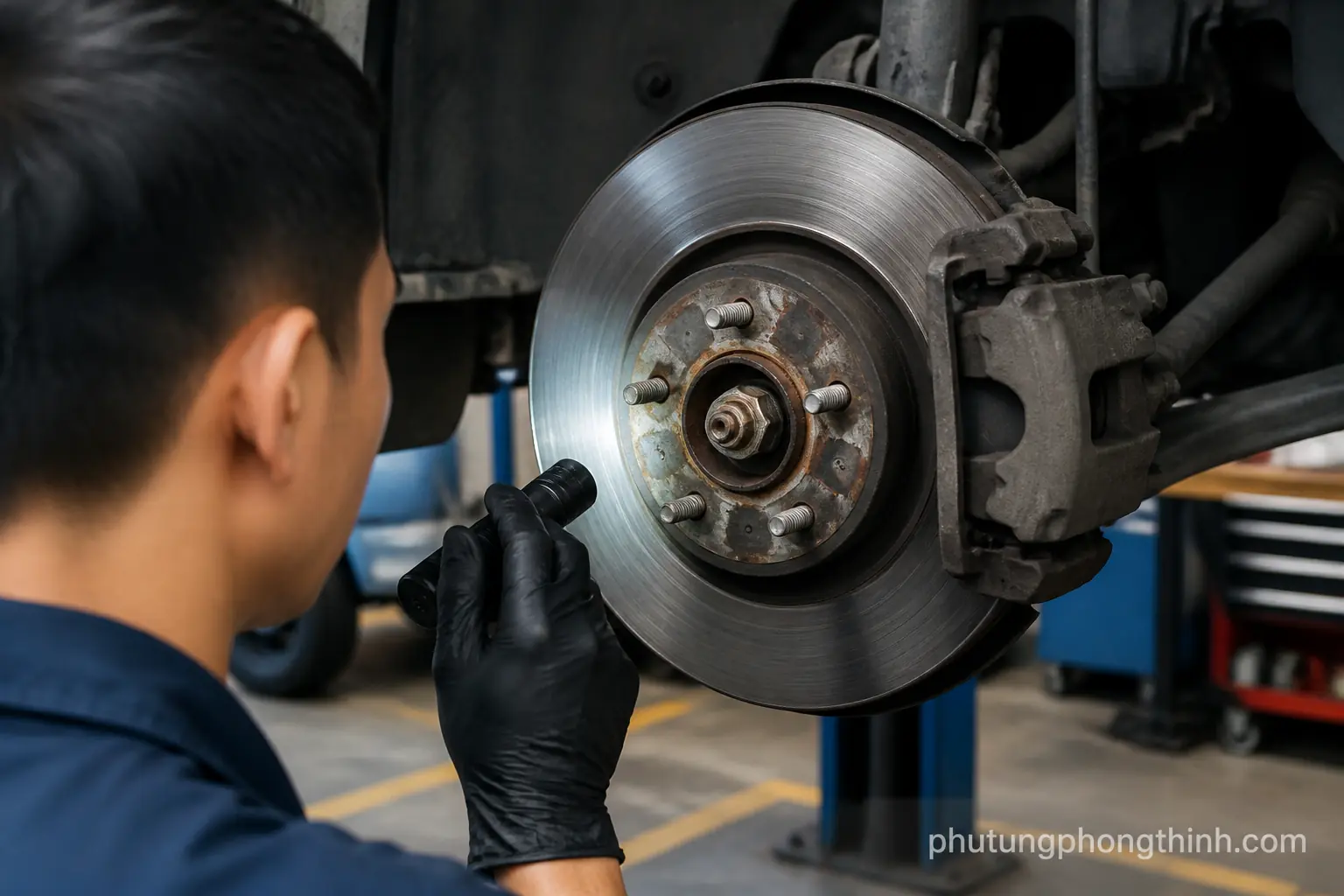
If you are learning how to diagnose a sticking brake caliper, start with the symptoms the car gives you before you ever remove a wheel. A sticking caliper is one that does not release the brake pad fully, so the disc brakes keep dragging instead of rolling freely. Common signs include wheel drag, a pull to one side, uneven brake pad wear, and a hot rotor after a normal drive. The goal is to sort out whether the problem is the caliper itself, the pads and hardware, the hose, or the parking brake mechanism.
Check for wheel drag and heat buildup
The quickest check is to compare how each wheel behaves after a short drive. A corner that is hard to spin by hand, or one that feels much hotter than the others, often points to brake drag at that wheel. A hot rotor does not prove the caliper is bad by itself, but it does tell you where to focus first. An infrared thermometer can make the comparison easier and safer, especially when you want a quick temperature check without touching the brake parts.
- Raise the vehicle safely and try to spin each wheel by hand; one wheel that resists more than the others suggests drag.
- Compare rotor temperature side to side, looking for the corner that runs noticeably hotter.
- Use an infrared thermometer to spot a temperature difference without guessing by touch.
If one wheel is clearly hotter than the others, that is often the first clue that you need a closer brake inspection, and it is also a good time to look at any nearby heat-related parts such as the cooling-system component if the vehicle has been running unusually warm.
Inspect brake pads, abutment clips, and guide pins
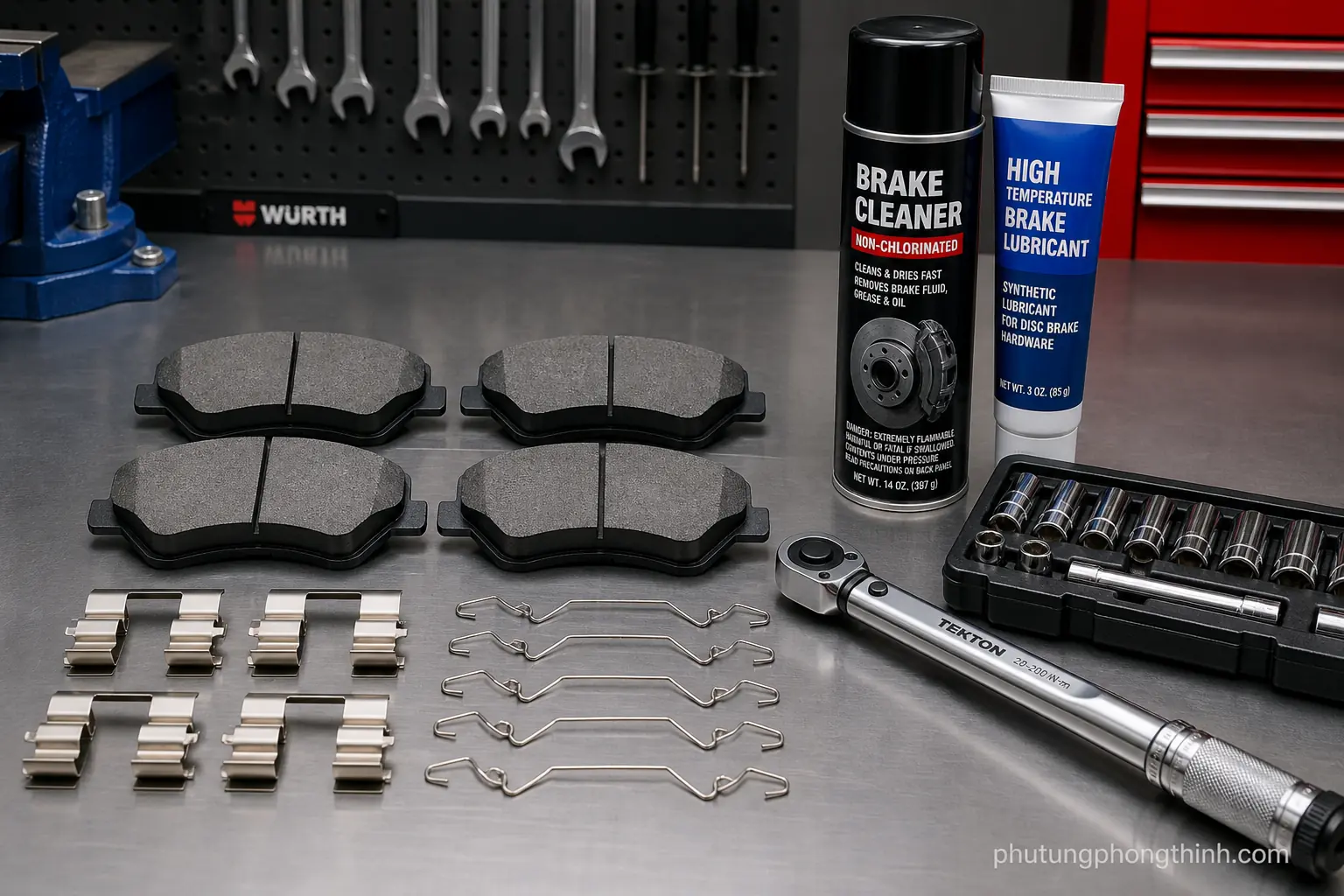
Once you have identified the affected wheel, remove the caliper and look closely at the hardware. Uneven inner and outer pad wear often shows that the caliper is not floating or centering correctly. Rusty abutment clips, corrosion at the bracket contact points, or missing clip surfaces can keep the pad ears from sliding freely. You should also inspect the guide pins and slides for seized movement, dry grease, or torn boots, because those small parts let the caliper move evenly on disc brakes.
Pad hardware issues can mimic a bad caliper. Seized caliper slide pins may hold one pad against the rotor, and pad ears that bind in the bracket can create the same wheel drag you would expect from a stuck piston. That is why it is important to diagnose the affected side carefully instead of replacing both calipers immediately.
- Compare the inner and outer pads for uneven thickness or taper wear.
- Check abutment clips for rust, corrosion, or worn contact points.
- Inspect guide pins and boots for seizure, dryness, or torn rubber.

Test caliper piston movement and compression
If the pads and slides look questionable, check the piston itself. With the caliper off the rotor, the piston should move and retract smoothly when you apply controlled force. A C-clamp or brake piston tool can help you compress the piston evenly without damaging the caliper. If the piston feels rough, takes excessive force, or refuses to retract, that usually points to internal caliper damage rather than a simple pad issue.

Rule out trapped hydraulic pressure in the hose or system
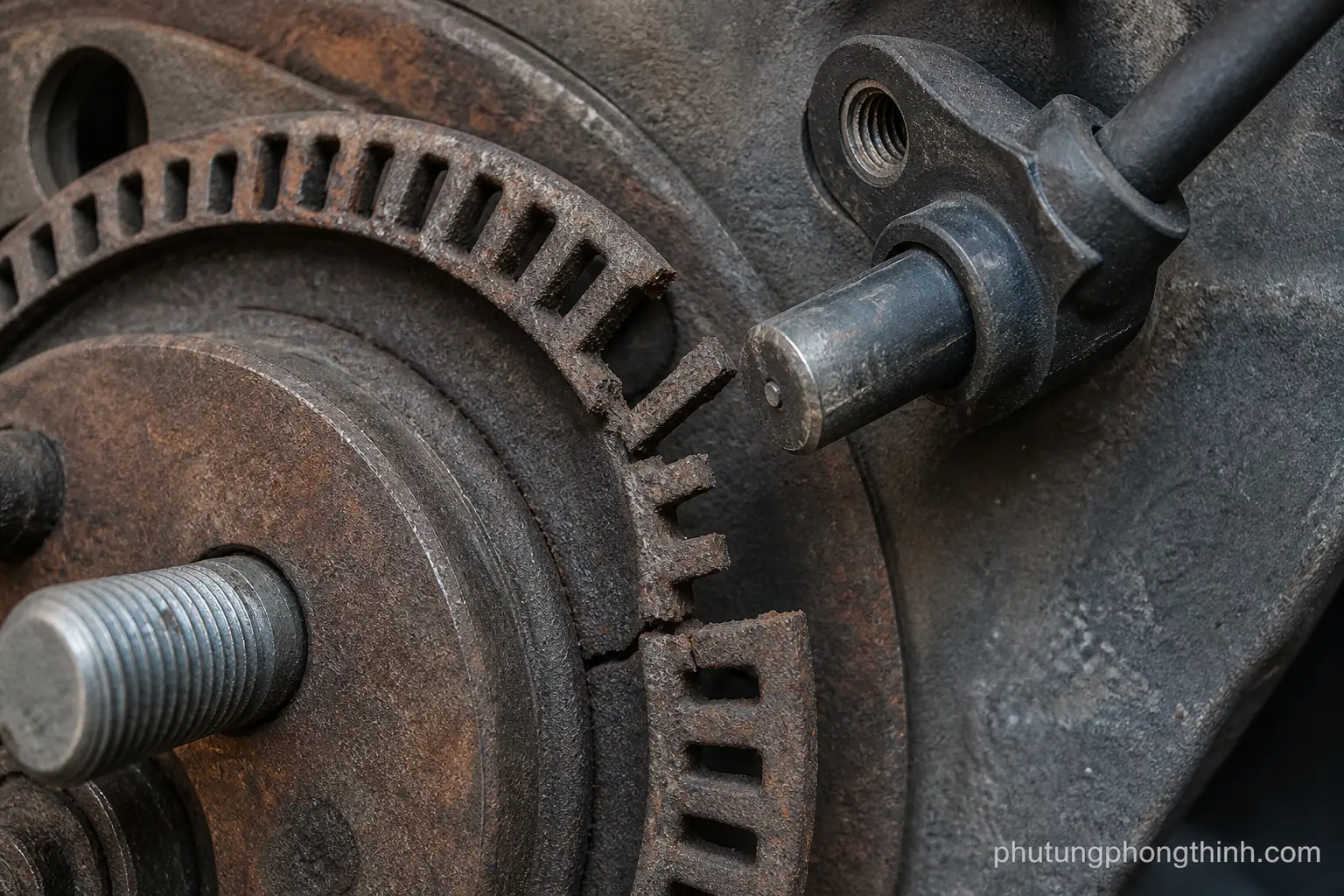
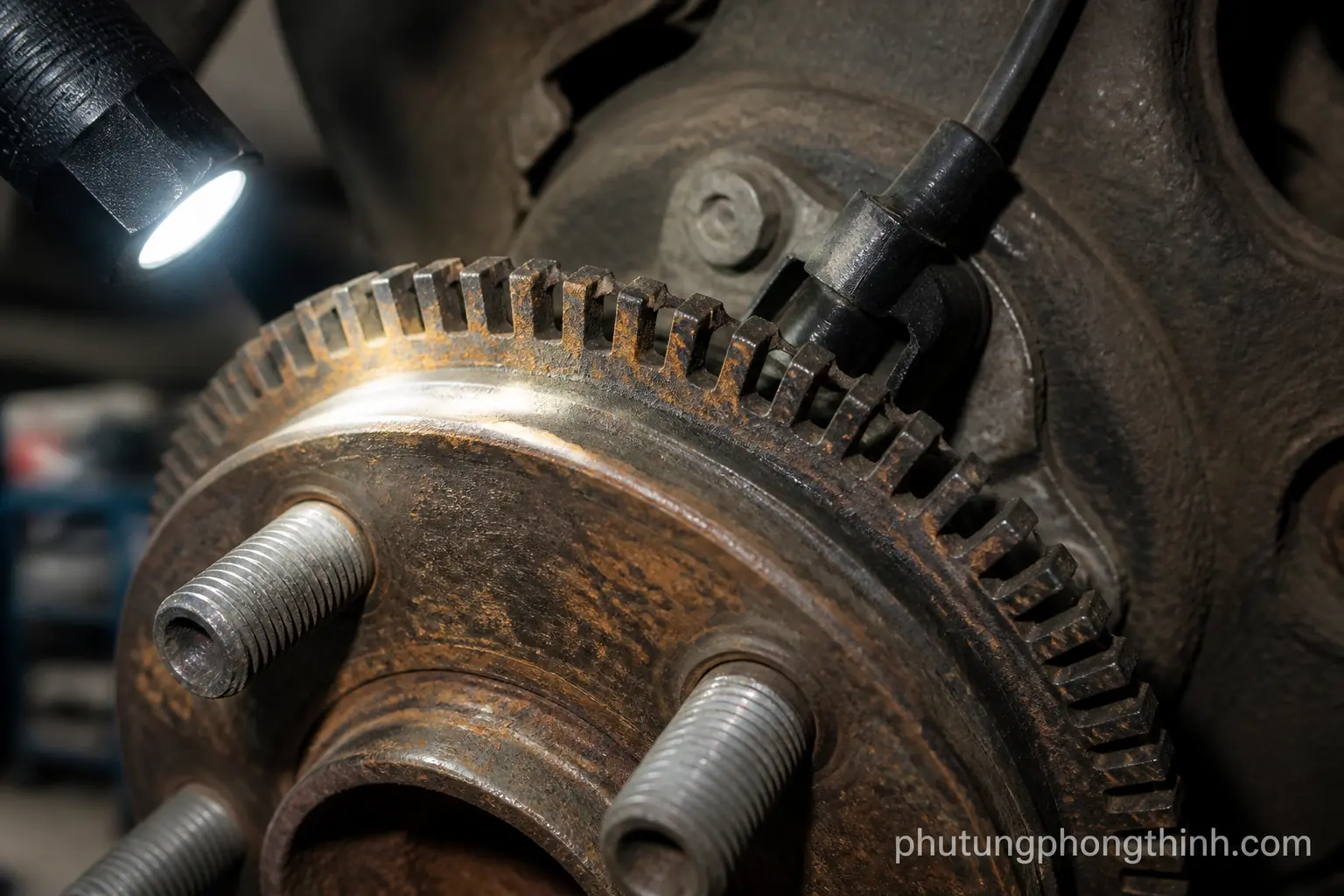
Not every dragging brake is a seized caliper. A simple bleeder screw test can show whether hydraulic pressure is trapped at the wheel. If you crack the bleeder screw and the wheel suddenly frees up, the pressure is coming from upstream, not from the caliper body alone. That often points to collapsed brake hose symptoms, a restriction in the master cylinder, or an ABS-related pressure issue that is holding the brakes on.
Check rear calipers with a parking brake lever
Rear disc brakes add another failure point because the parking brake mechanism is often built into the caliper. A sticky parking brake lever can keep a rear caliper applied even when the pedal is released. The lever should return fully to its stop, and if it does not, the caliper may look seized even when the piston and slide pins are not the main problem. Rear brake caliper parking brake problems are especially easy to confuse with a stuck piston, so always check the lever movement before replacing parts.
When to repair, rebuild, or replace the caliper
After you finish the diagnosis, the fix should match the fault you found. Dirty guide pins, rusty abutment clips, or dry hardware often respond to cleaning and lubrication, while a piston that sticks, leaks, or stays hot after bleeding usually means the caliper should be replaced. If the wheel keeps running hot, the pads wear unevenly again, or the brake still sticks after you have addressed hose and pressure issues, replacement is usually the safer choice. It also makes sense to inspect nearby brake components at the same time so you do not repeat the repair later.
| Diagnosis result | Most likely next step |
|---|---|
| Dirty or seized guide pins, pad hardware rust, but piston moves normally | Clean, lubricate, and replace hardware as needed |
| Piston drags, will not retract, or the caliper keeps heating up | Replace or rebuild the caliper |
| Wheel frees up after opening the bleeder screw | Inspect hose, master cylinder, and ABS pressure path |
| Rear caliper lever does not return fully | Service the parking brake mechanism or replace the caliper |
Good brake repair also means thinking ahead about maintenance, because a well-kept system is less likely to repeat the same fault. If you are planning other service at the same time, a routine maintenance part can be part of the same overall upkeep mindset.
Frequently Asked Questions
What are the most common sticking brake caliper symptoms?
The most common signs are wheel drag, a car that pulls to one side, uneven brake pad wear, and one rotor or wheel that is noticeably hotter than the others after driving.
How can I tell if the caliper is stuck or if the brake hose is the problem?
A quick bleeder screw test helps separate the two. If opening the bleeder frees the wheel, trapped hydraulic pressure is more likely coming from the hose, master cylinder, or ABS circuit than from the caliper itself.
Can seized slide pins feel like a bad caliper piston?
Yes. Seized slide pins can keep the caliper from floating, which can hold one pad against the rotor and create symptoms that look very similar to a bad piston.
Do I need to replace both front calipers if one is sticking?
Not automatically. First confirm whether the issue is the caliper, slide hardware, pads, hose, or parking brake mechanism. Many problems are isolated to one corner.
Why does my rear brake caliper keep sticking after I replace the pads?
On rear disc brakes, the parking brake mechanism can be part of the caliper. If the lever does not return fully or the mechanism binds, the caliper may stay applied even with new pads.