False ABS Activation at Low Speed: Diagnose It Fast
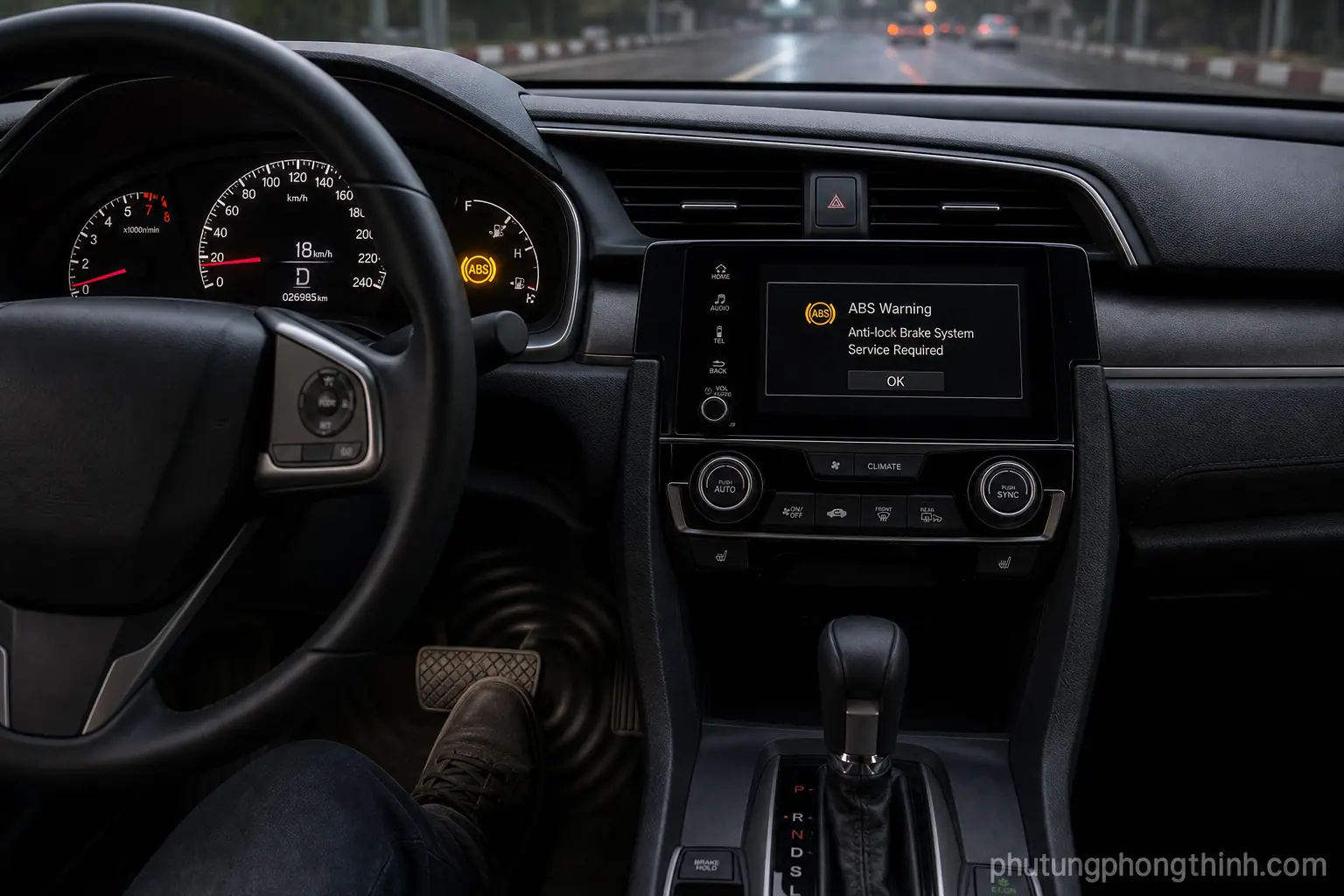
False ABS activation at low speed: what’s really happening
False ABS activation at low speed can feel alarming, especially when the car is creeping into a parking space or easing to a stop and the brakes suddenly pulse. You may feel brake pedal buzzing, hear ABS pump noise, and notice brief brake pulsation, even though the vehicle should be stopping smoothly. In most cases, the problem is not a true hydraulic brake failure; it is usually a bad wheel speed signal confusing the ABS module.
Start with the easiest external checks
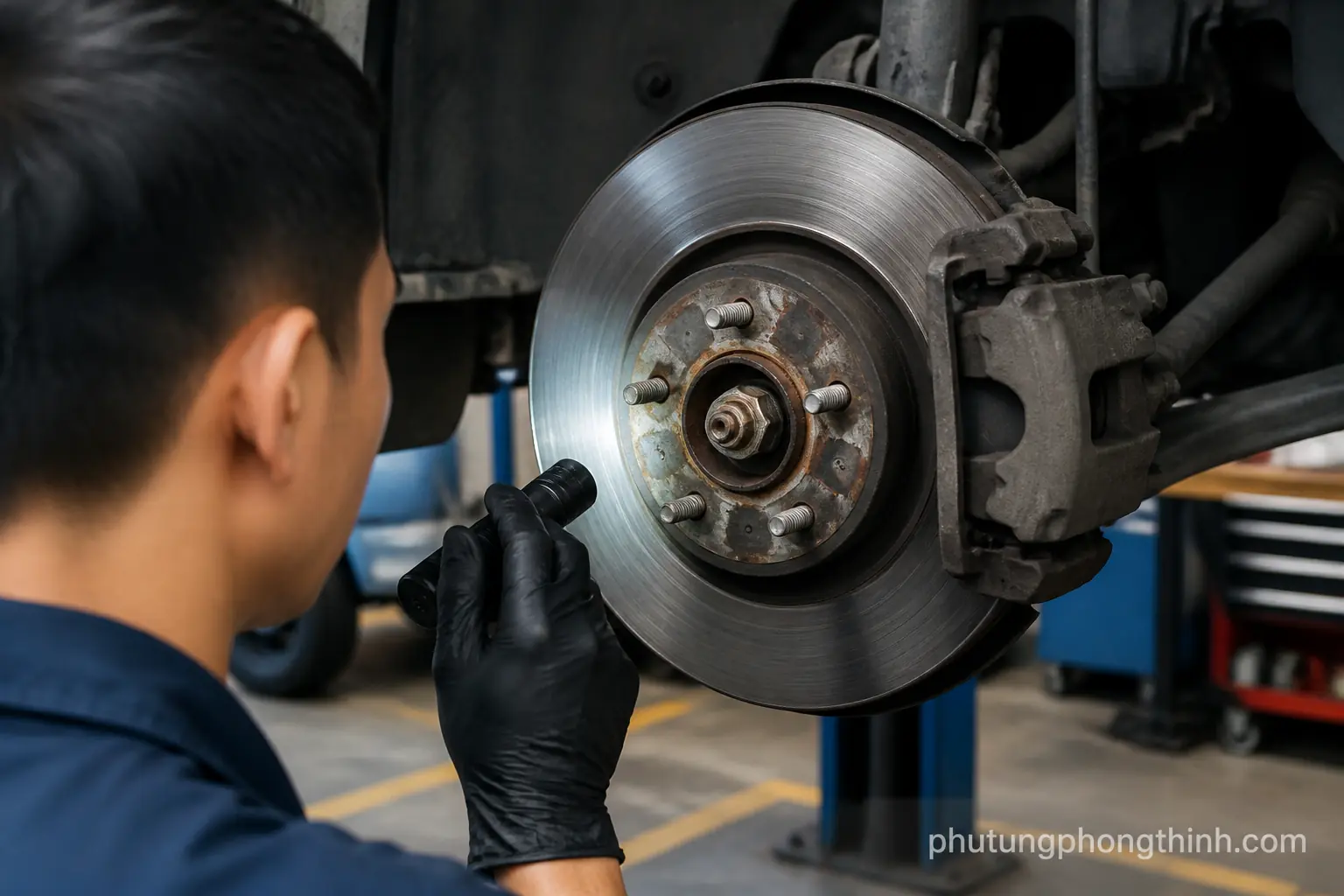
Before chasing scan data, inspect the simple things that can skew wheel speed signals. Check the tires for mismatched sizes, uneven wear, or damaged wheels, because even small differences can throw off what the system expects from each corner. Then look around each wheel speed sensor for dirt, rust, debris, or a damaged harness, and inspect the area for connector corrosion, loose plugs, or rubbed-through wiring near the suspension and knuckle.
- Look for wheel bearing play, since extra movement can change the sensor-to-tone ring relationship.
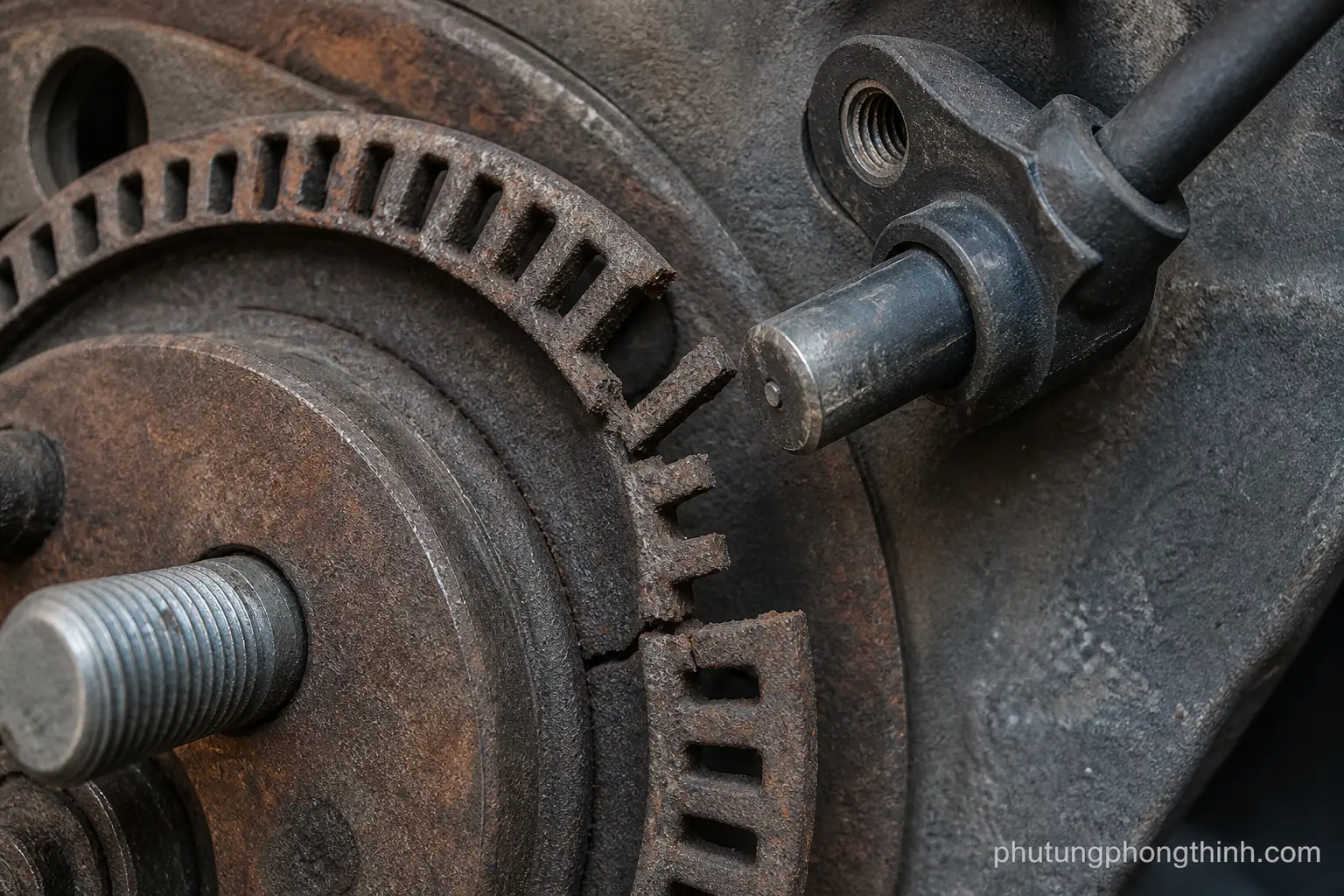
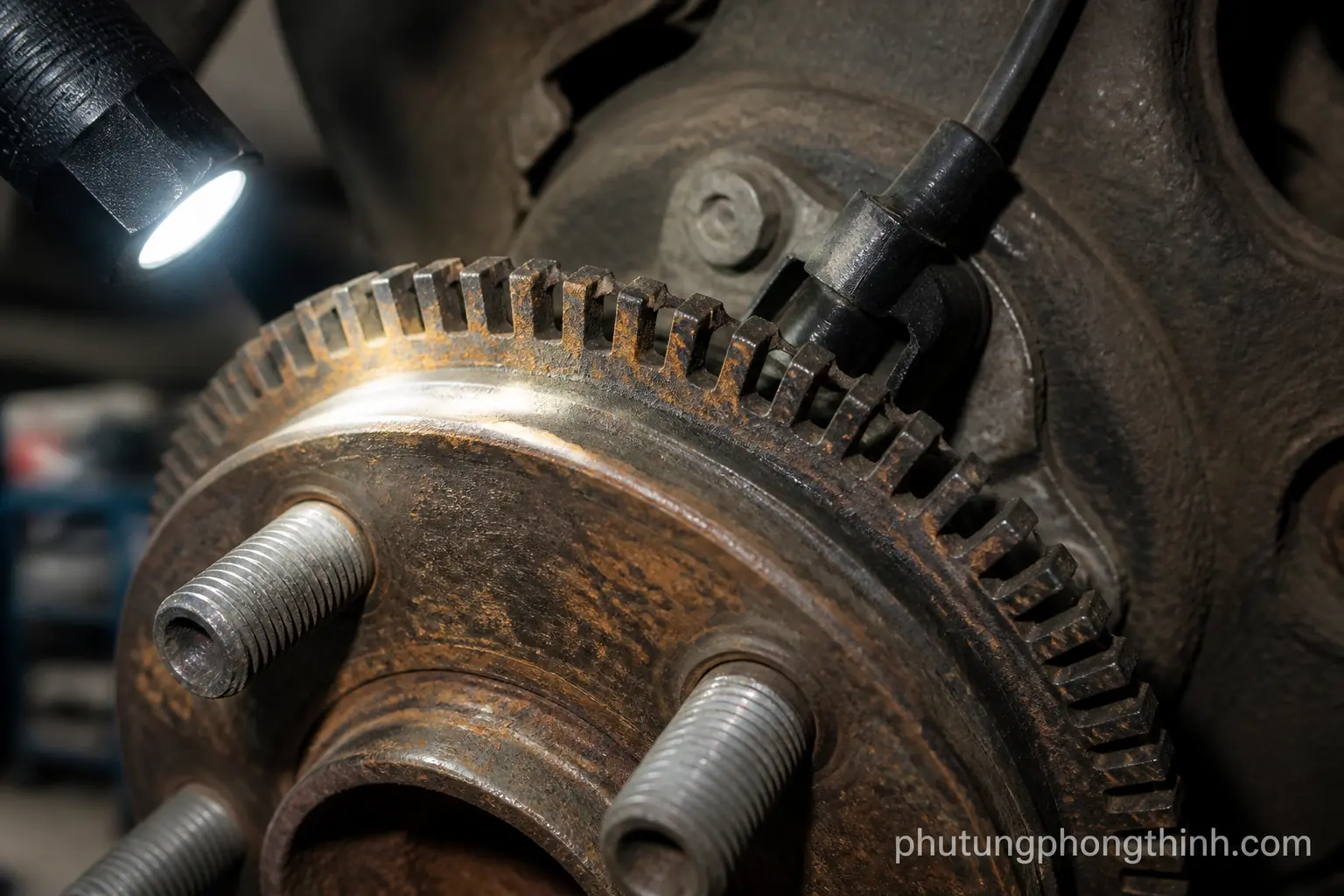
- Watch for a bent tone ring or packed rust, which can create an intermittent signal at very low speed.
- Clean rust under ABS sensor mounting points as part of the first pass.
Simple mechanical issues can mimic a failing ABS component because the module only sees wheel speed inputs. If one corner is disturbed by rust, looseness, or wiring damage, the system may react as if the wheel is slipping when it is not.
Use live wheel speed data to find the bad corner
The fastest way to diagnose this problem is to read live wheel speed data while driving slowly in a safe area. Compare all four wheel speed signals during the exact moment the ABS activates. If one wheel drops to zero, spikes, or lags the others, that corner is the likely source of the fault. Live wheel speed data gives you a clear clue instead of relying on guesswork from the symptoms alone.
Once you spot the odd signal, see whether the problem follows one wheel, one sensor, or one harness movement. An ABS warning light may or may not be present with false activation, so do not wait for a dashboard light before starting diagnosis. ABS live data troubleshooting is simply more reliable than trying to infer the bad part from the pedal feel alone.
Inspect the wheel speed sensor and tone ring closely

With the bad corner identified, inspect the wheel speed sensor and tone ring closely. Check sensor air gap against spec and make sure the sensor is not sitting too far from the tone ring. Inspect the tone ring for cracks, missing teeth, rust swelling, or debris packed into the teeth, and test for wheel bearing noise and ABS issues by checking for excessive play or roughness by hand. If wheel movement is excessive, the signal can become unstable even when the hardware looks intact.
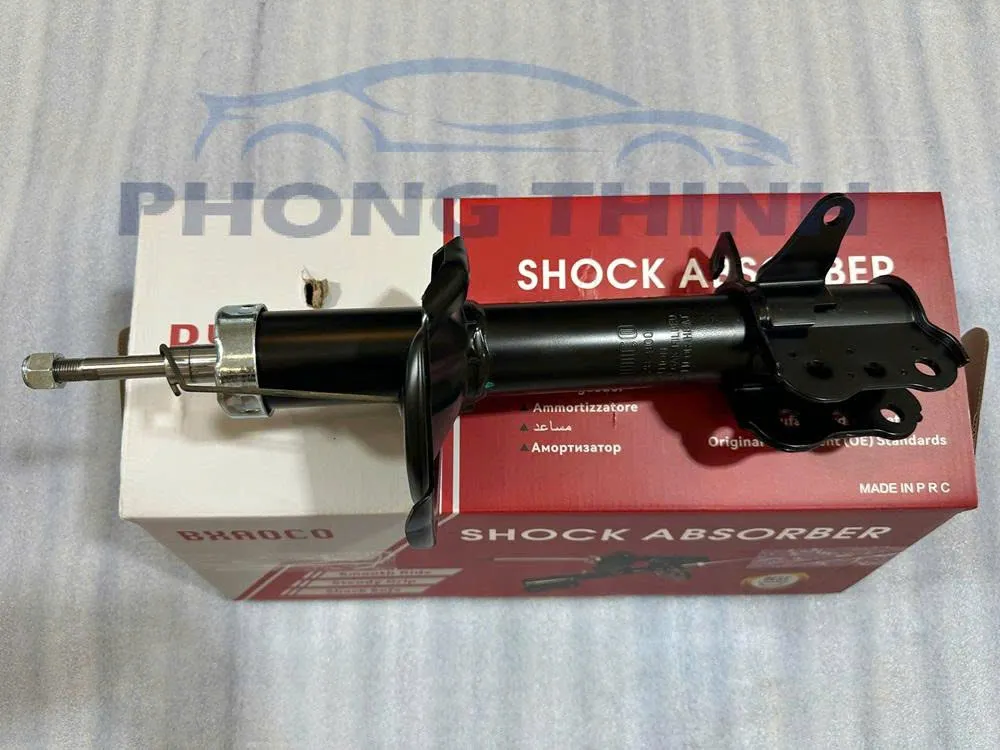
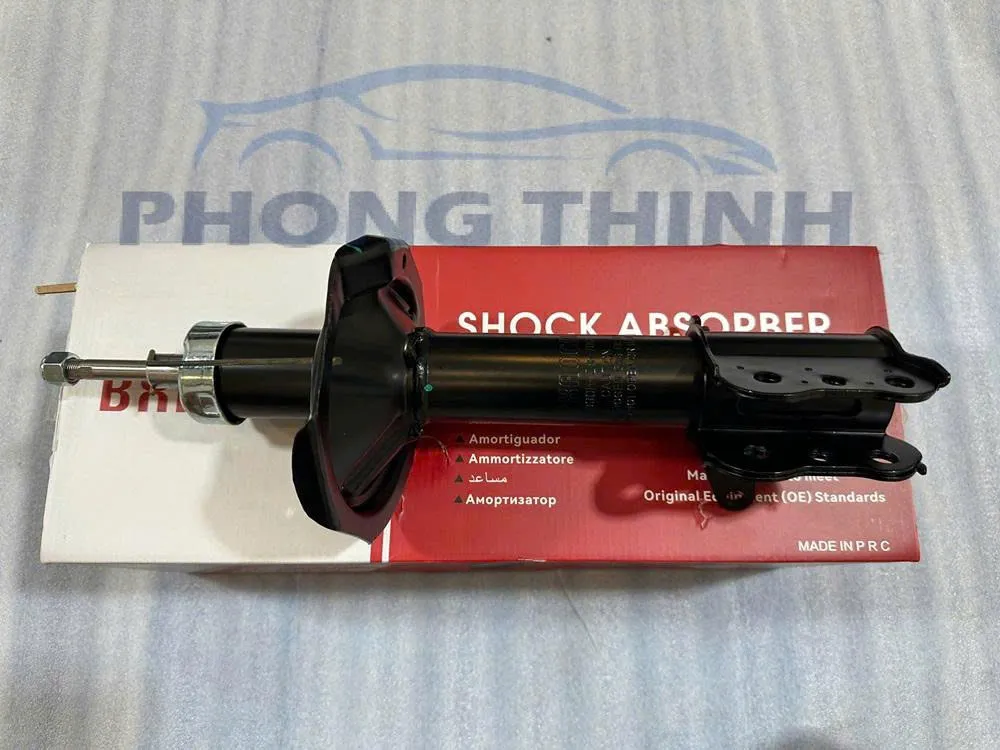
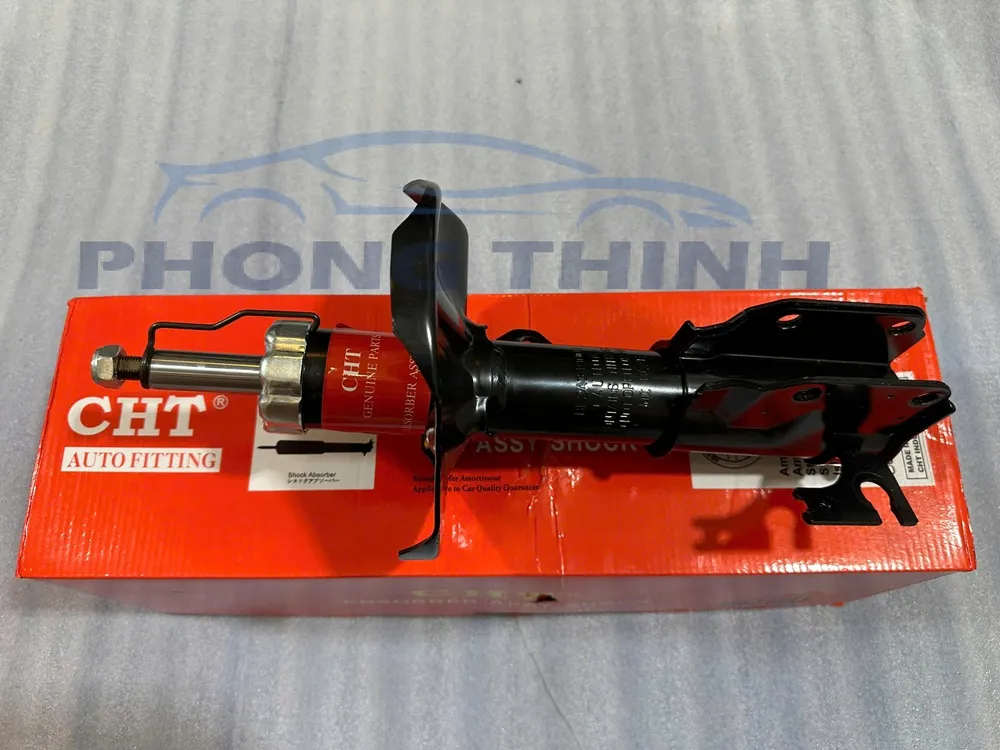
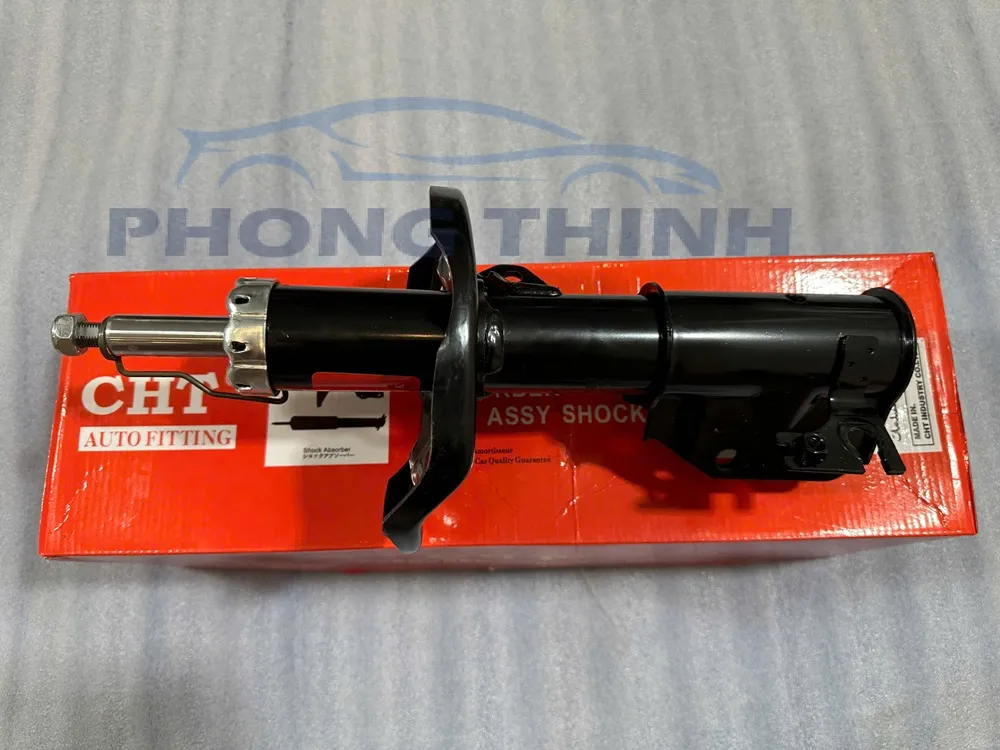
Minor tone ring damage symptoms often show up first at crawling speed because the signal quality is at its most delicate there. Inconsistent wheel speed signals at low speed can trigger unwanted ABS intervention, and sensor contamination or a warped reluctor surface can create the same effect. If the suspension is letting the wheel move too much, a replacement front shock absorber may be part of the longer-term fix, and a matching front strut may also be needed to keep the geometry stable.
Road test, confirm the fix, and know when to replace parts
After cleaning, tightening, or replacing the suspected component, road test the vehicle again and confirm the ABS no longer pulses at low speed. Watch live data to make sure the wheel speed signals stay consistent during light braking and creeping stops. If the fault is gone, you have likely solved the signal problem; if it remains, the wheel speed sensor, hub/bearing assembly, or tone ring may need replacement instead of another cleaning pass.
- Check the repair under both light braking and creeping stops.
- If false activation returns, assume the underlying signal problem was not fully solved.
- Replace worn suspension components if excessive wheel movement is still contributing to the fault.
Frequently Asked Questions
What causes ABS to activate at very low speed?
The most common cause is an incorrect wheel speed signal from one corner of the vehicle. Dirt, rust, sensor air gap problems, tone ring damage, connector corrosion, or wheel bearing play can make the ABS module think a wheel is slowing or locking when it is not.
Can a bad wheel bearing cause false ABS activation?
Yes. Excessive wheel bearing play can change the relationship between the wheel speed sensor and the tone ring. That movement can distort the signal enough to trigger ABS at low speed.
Do I need an ABS warning light to have this problem?
No. False ABS activation can happen without an ABS warning light. The system may still detect an unstable wheel speed signal even if it does not set a visible dashboard warning.
Is live wheel speed data better than guessing from symptoms?
Yes. Live wheel speed data lets you compare all four wheels during the exact moment the ABS acts up. That makes it much easier to find the bad corner than relying on pedal feel or noise alone.
When should a wheel speed sensor be replaced instead of cleaned?
Replace the sensor if it is damaged, internally faulty, or no longer produces a stable signal after cleaning and wiring checks. If the problem is caused by the hub, tone ring, or bearing, replacing the sensor alone will not fix it.