Debris in Brake Noise: Causes, Checks, and Fixes
What debris in brake noise sounds like
Debris in brake noise can sound like scraping, squealing, grinding, or even metallic ticking, and the pattern often gives you the first clue. It may show up only at low speed, during light braking, after driving through wet or dirty roads, or from just one wheel. In many cases, debris-related noise comes and goes, while worn brake parts tend to make a more constant sound.
Common causes of brake debris and trapped grit
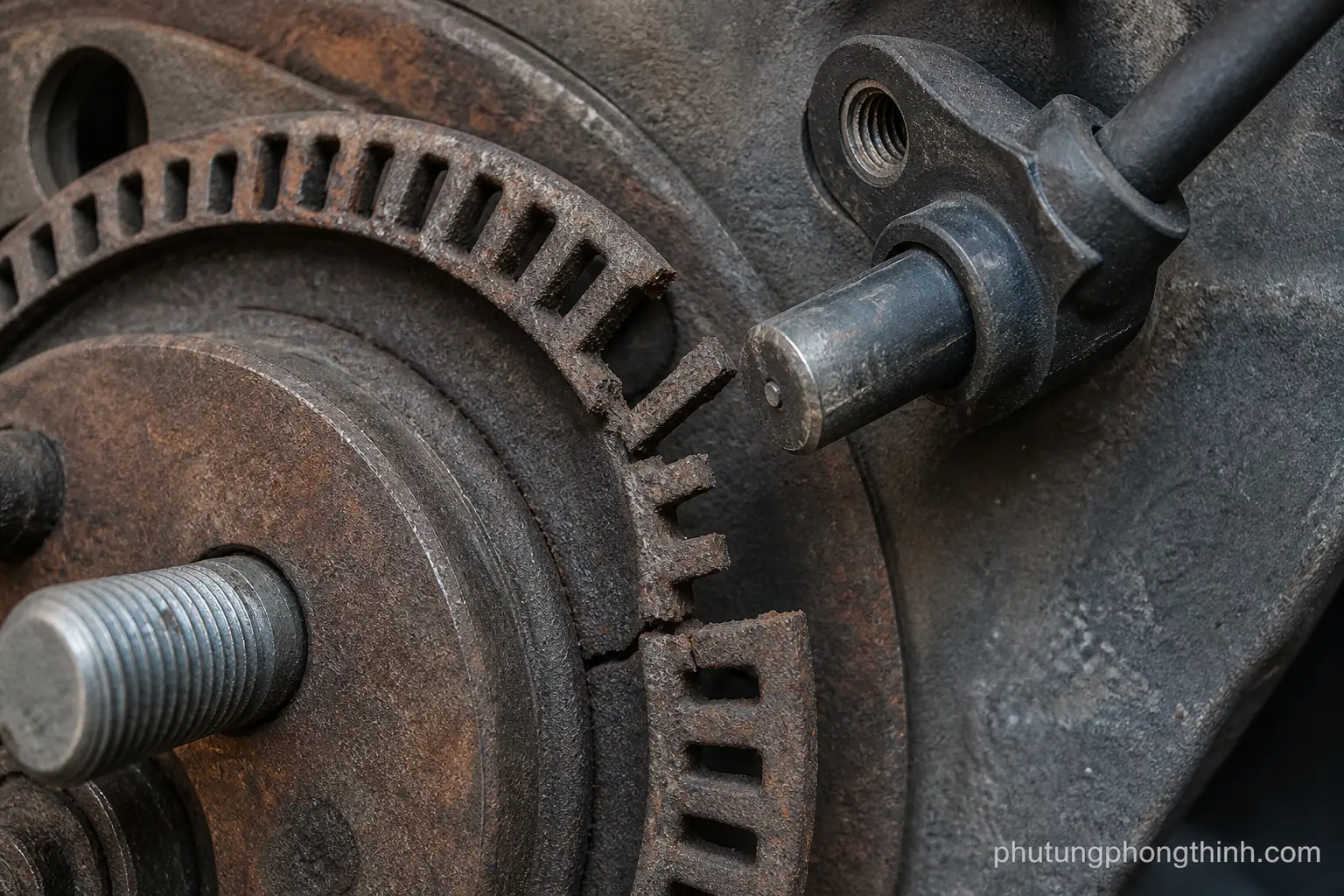
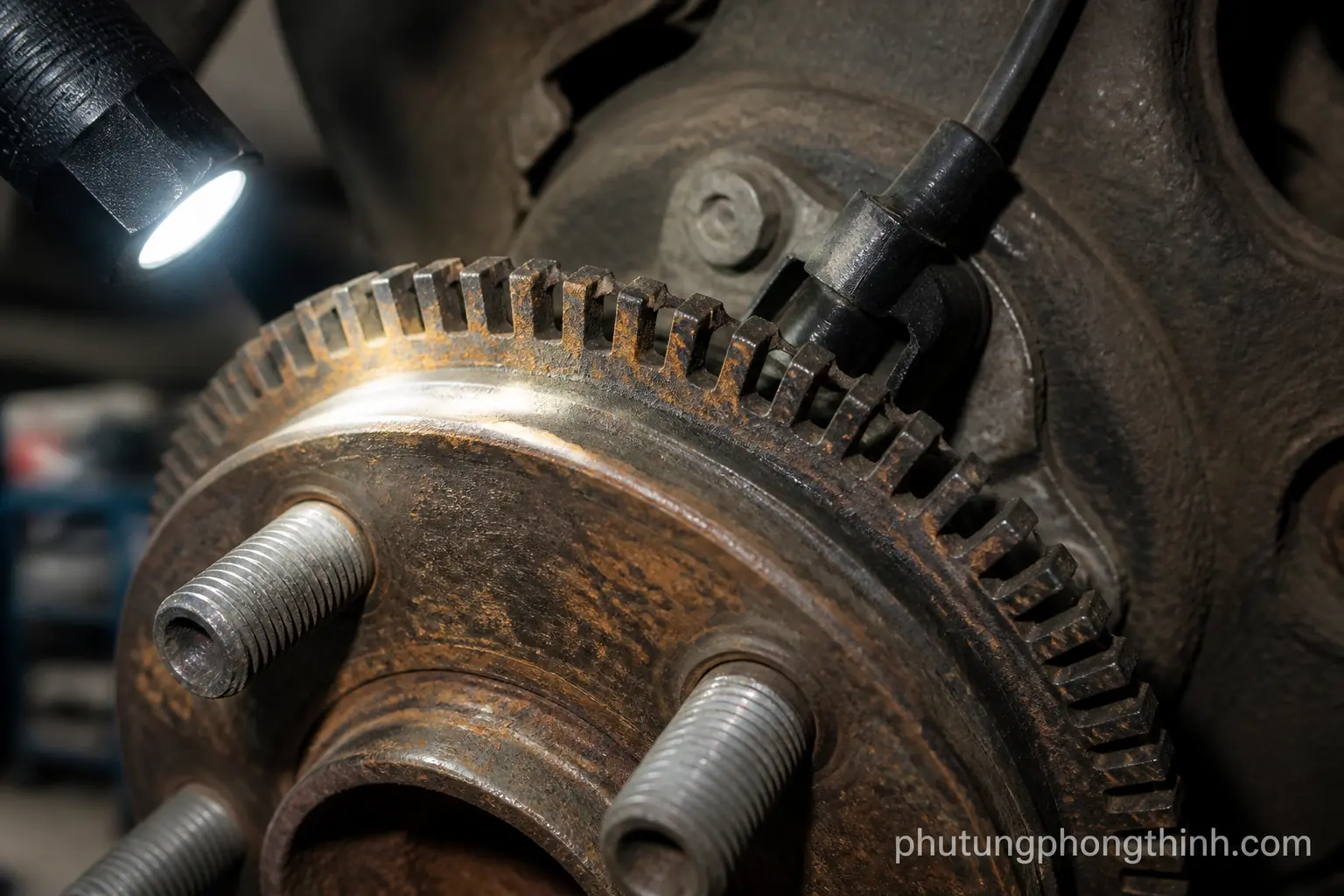
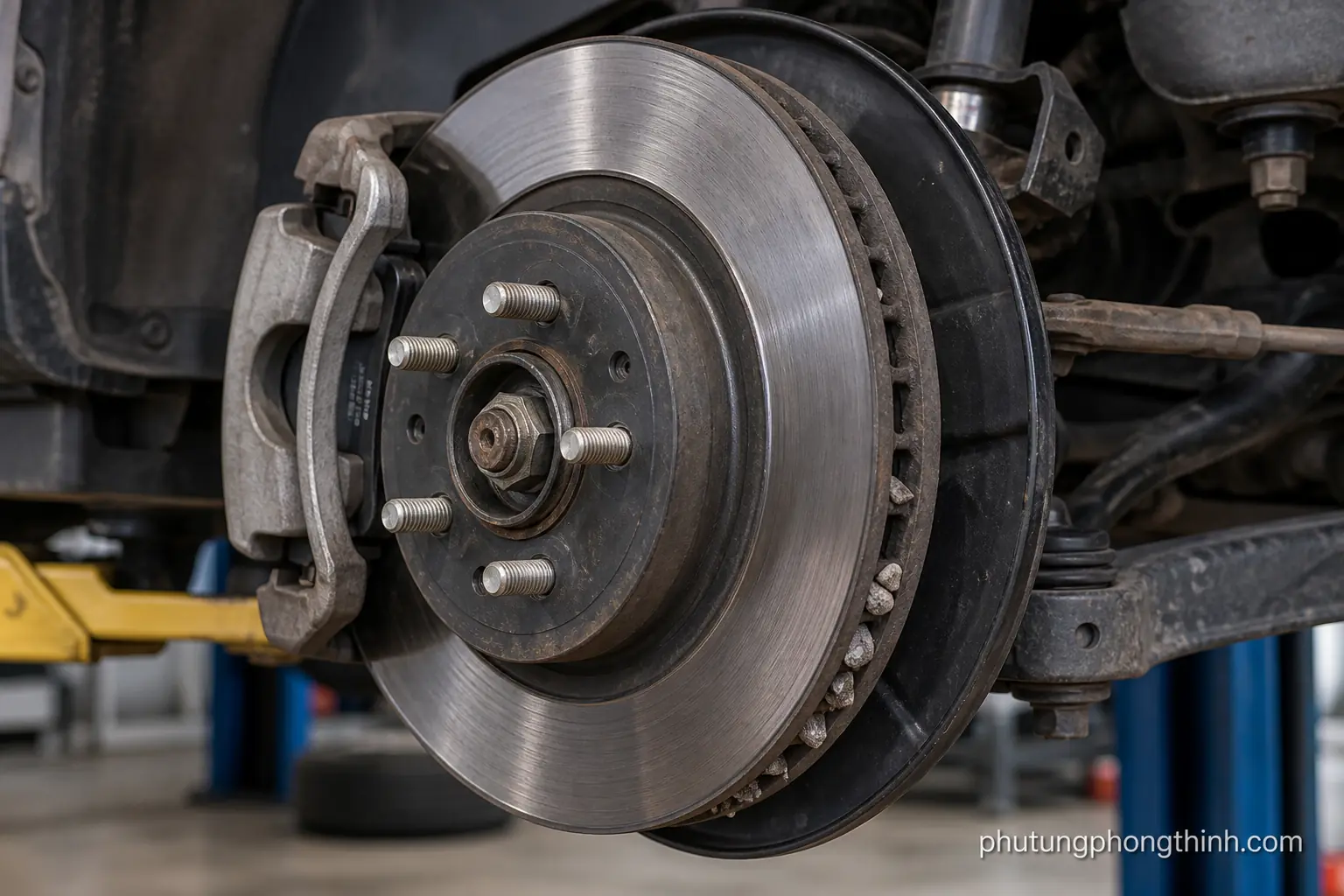
Road grit, small stones, rust flakes, and brake dust can get caught in the brake rotor area and create brake noise that sounds worse than the problem really is. A bent dust shield or backing plate can also touch the rotor and mimic the sound of trapped debris. Loose caliper bracket hardware or uneven pad wear may lead to a ticking or scraping noise as well, especially on disc brakes after wet, muddy, or gravel-road driving.
- Road grit and tiny stones can lodge near the rotor or pad edge.
- Rust flakes and built-up brake dust can create scraping or squealing.
- A bent dust shield or backing plate may rub the rotor.
- Loose hardware or uneven pads can cause metallic ticking.
Safe checks for debris in brake noise
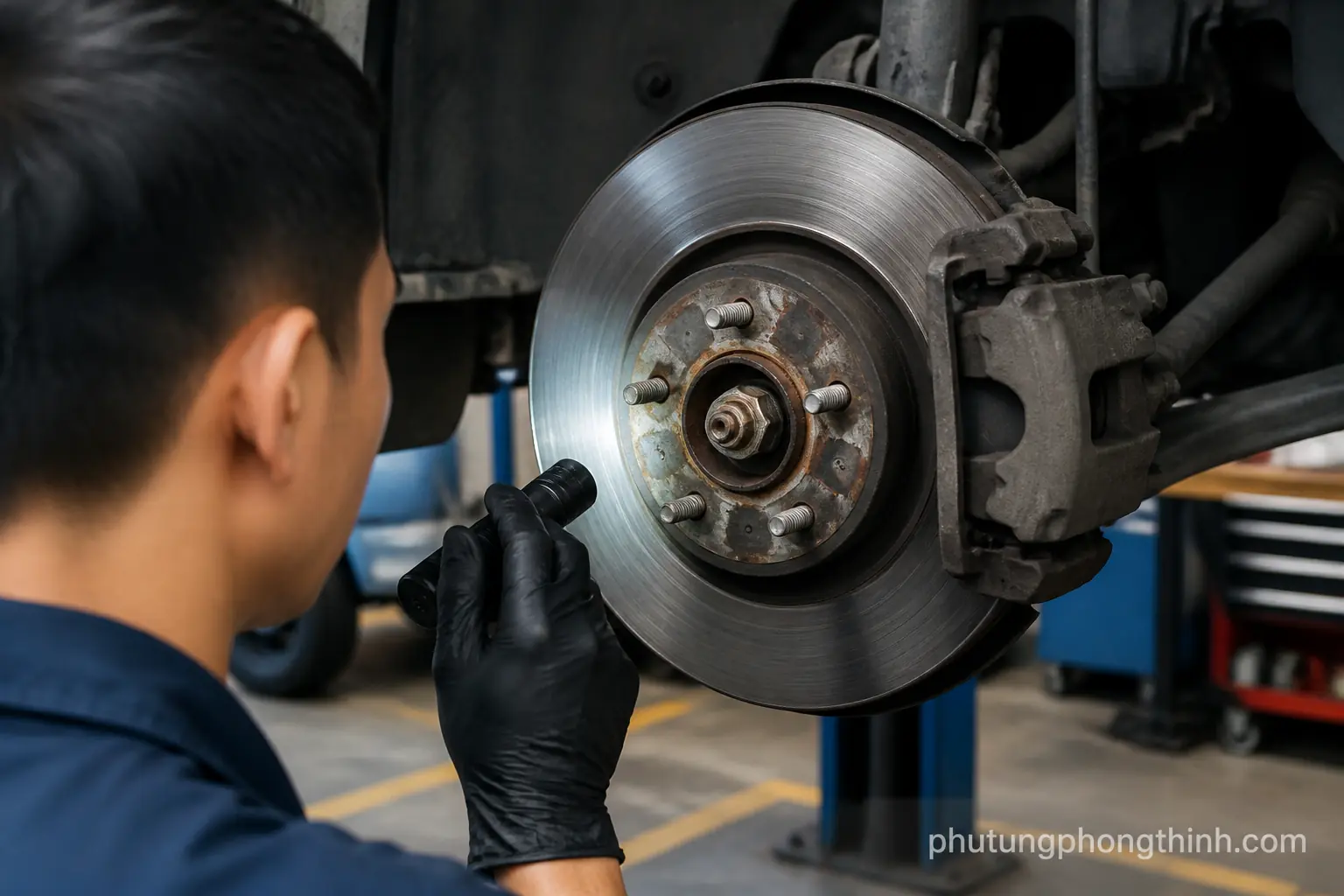
Start with the car parked on level ground, fully secured, and cool to the touch before you inspect anything around the wheel. Look for visible stones, stuck twigs, rust buildup, or a dust shield that is touching the rotor. If it is safe to lift the vehicle, spin the wheel by hand and listen for rubbing or scraping. Also check pad thickness and see whether a pad wear indicator is contacting the rotor. If the wheel is hard to turn or the noise is severe, stop and get professional help.
- Inspect the wheel area only when the car is parked, cool, and secured.
- Look for stones, twigs, rust, or a dust shield rubbing the rotor.
- Spin the wheel by hand if safely lifted to hear any scraping.
- Check pad thickness and the pad wear indicator.

How to fix brake squealing or scraping caused by debris
If the debris is clearly accessible, remove loose material from the rotor, caliper area, and backing plate first. If a dust shield is only lightly bent, it can sometimes be straightened so it no longer rubs. Once the noise is gone, clean heavy brake dust and look for rotor scoring. If you still hear grinding, or if you find deep grooves or damage to the pads or rotors, the repair is likely beyond cleaning.
- Remove loose debris only when it is clearly reachable.
- Straighten a lightly bent dust shield if it is barely rubbing.
- Clean heavy brake dust and check for rotor scoring.
- Replace damaged parts if grinding or deep grooves remain.
When brake noise means worn parts, not debris
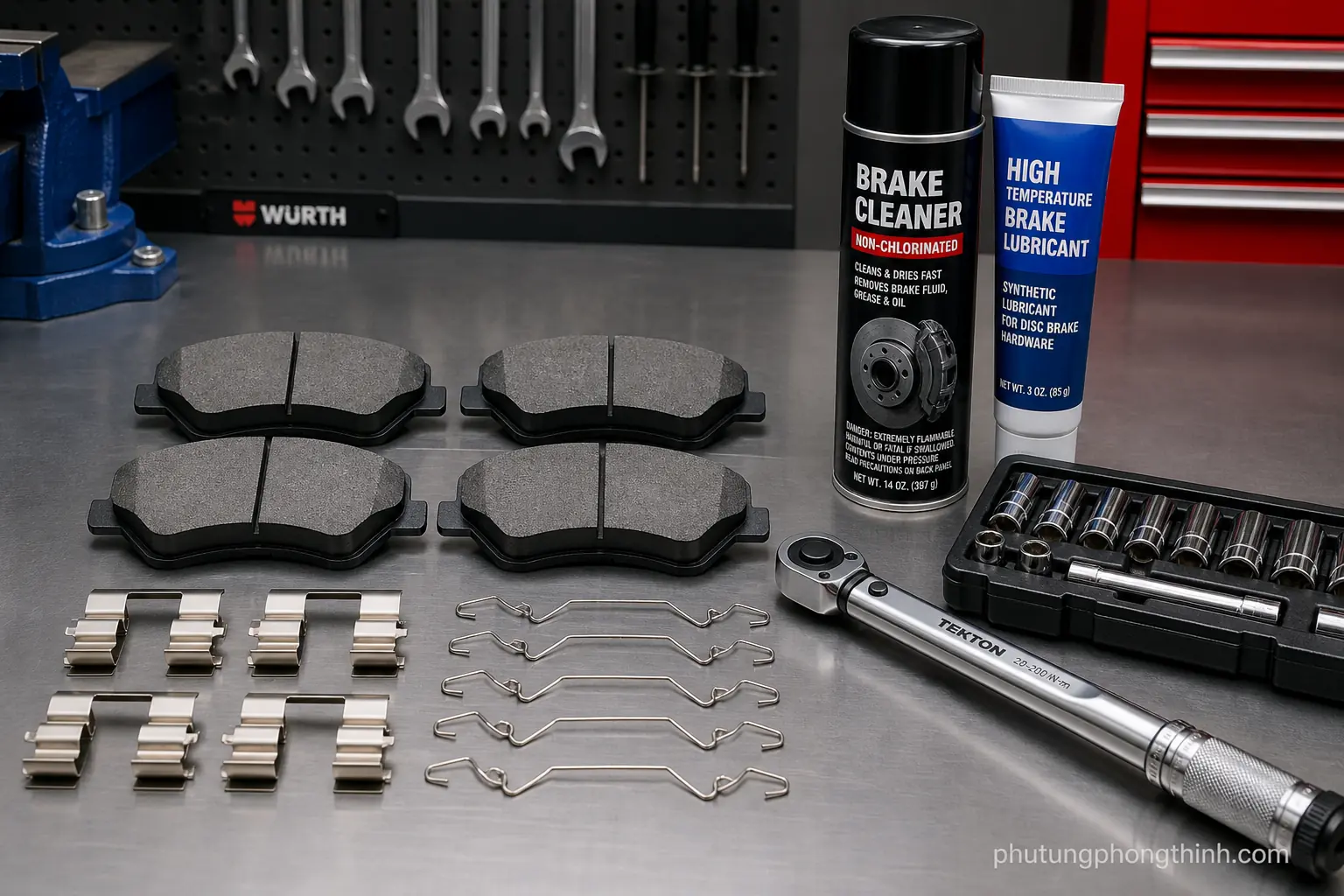
A constant grinding sound often means the pads are worn through and metal is contacting metal. If a squeal continues after cleaning, it may be a pad wear indicator or glazed pads rather than trapped grit. Rear brake noise can also come from drum brake wear, hardware issues, or contaminated parts, not just debris. When the wear is visible or the noise keeps returning, brake pads, rotors, or related hardware may need replacement. In some rear brake cases, replacement rear brake shoes are the correct next step when the noise is no longer just from debris.
Prevention tips to reduce future brake debris noise
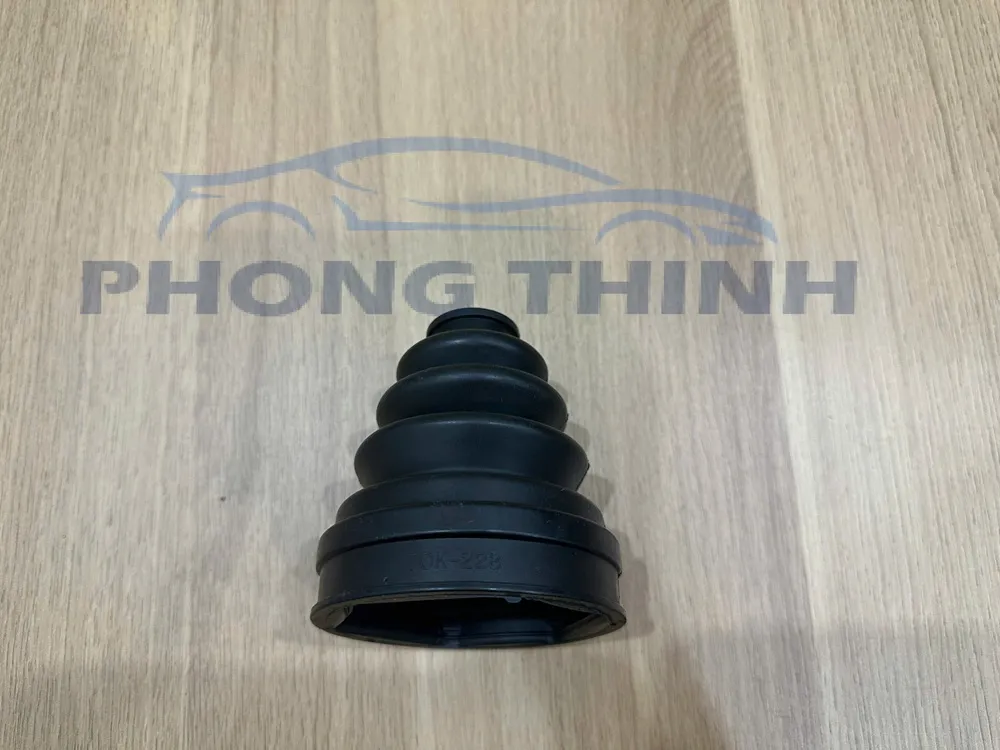
You can reduce repeat brake noise by avoiding prolonged driving through mud, deep gravel, or heavy road salt when possible. Regular service helps keep dust shields, backing plates, and pad hardware aligned, while periodic brake inspections can catch small stones or worn parts early. Clean wheels and timely washing also help limit buildup that contributes to scraping and squealing. For nearby components that need extra protection from dirt and contamination, a protective outer boot can be part of a broader maintenance plan.
- Avoid mud, deep gravel, and heavy road salt when you can.
- Keep dust shields, backing plates, and pad hardware aligned.
- Schedule periodic brake inspections.
- Wash wheels regularly to reduce buildup.
FAQ about debris in brake noise
Can a stone stuck in the brake rotor damage the brakes?
Yes. A stone can scratch the rotor, make noise, and in some cases damage the pad surface or dust shield if it stays trapped long enough.
How do I know if brake squealing is from debris or worn pads?
Debris noise is often intermittent and may change with driving conditions, while worn pads usually make a more repeatable squeal or grinding sound.
Is it safe to drive with scraping brakes for a short distance?
Only if the noise is very mild and you can confirm it is not severe rubbing or binding. Strong scraping or grinding should be checked right away.
Why does brake noise happen after rain or car washes?
Water can carry road grit into the brake area and can also create light surface rust, both of which may cause temporary squealing or scraping.
Frequently Asked Questions
Can a stone stuck in the brake rotor damage the brakes?
Yes. A stone can scratch the rotor, make noise, and in some cases damage the pad surface or dust shield if it stays trapped long enough.
How do I know if brake squealing is from debris or worn pads?
Debris noise is often intermittent and may change with driving conditions, while worn pads usually make a more repeatable squeal or grinding sound.
Is it safe to drive with scraping brakes for a short distance?
Only if the noise is very mild and you can confirm it is not severe rubbing or binding. Strong scraping or grinding should be checked right away.
Why does brake noise happen after rain or car washes?
Water can carry road grit into the brake area and can also create light surface rust, both of which may cause temporary squealing or scraping.