Brake Noise After Rain: Normal Rust or a Real Problem?
Brake noise after rain: what’s normal and what isn’t
If you notice brake noise after rain, the first thing to know is that a little noise can be completely normal. Moisture can leave surface rust on the rotor face overnight or after a wet drive, and the first few stops may bring a light squealing sound or brief scraping noise. On disc brakes, that thin layer usually clears quickly as the pads sweep the rotors.
The key is whether the noise fades after a few stops or keeps coming back. Repeated light grinding, harsh scraping, or noise that worsens can point to worn brake pads or hardware issues. Wet weather can also expose sticking caliper symptoms that were already developing, so persistent noise deserves a closer look at the pads, rotors, and caliper hardware.
Why wet weather makes brakes noisy
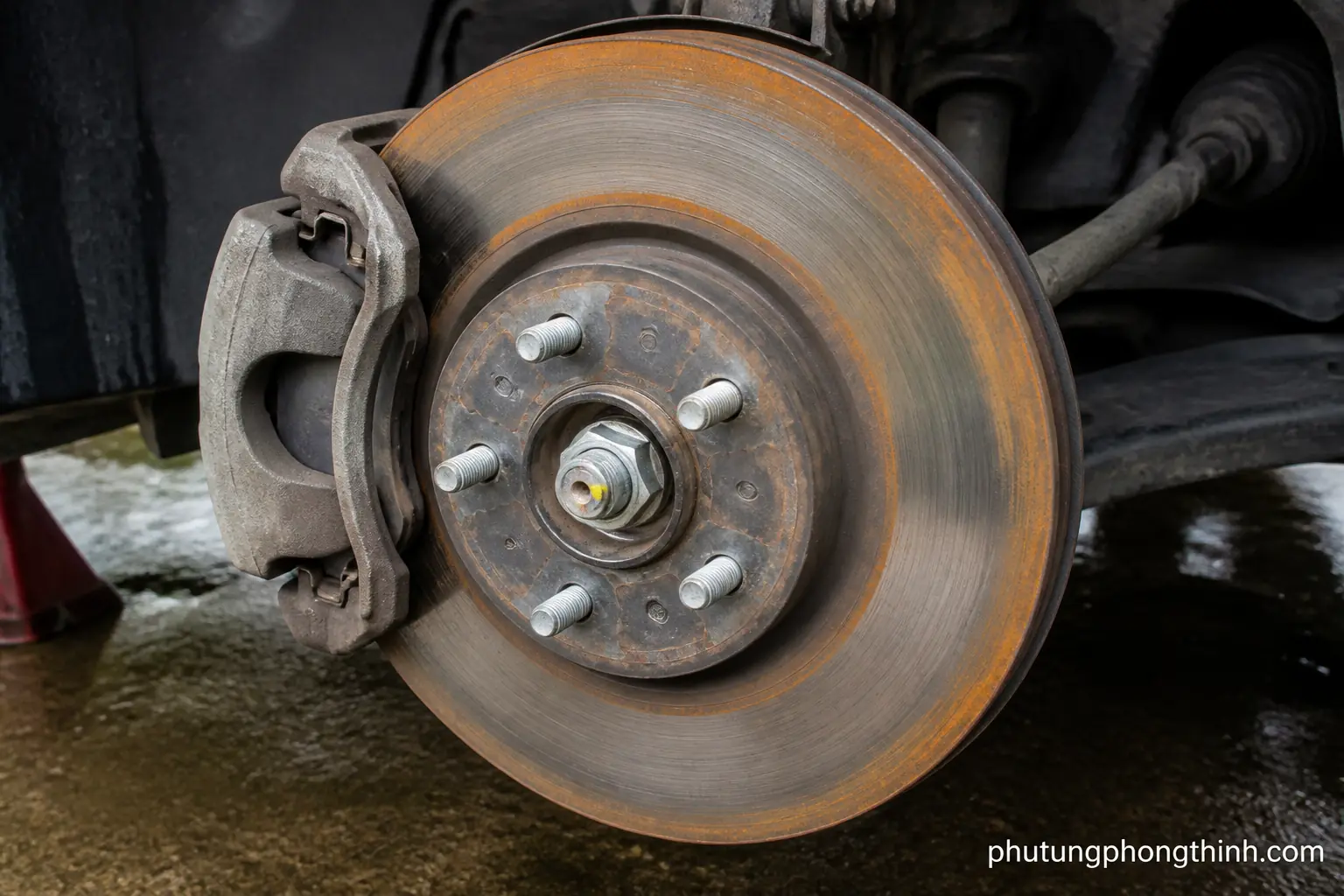
Rain, puddles, and high humidity leave moisture on the rotor face, and cast-iron rotors can develop a thin layer of surface rust very quickly. In most cases, that rust is only superficial and is removed by normal braking before it has time to cause damage.
The same thing often happens after a car wash or when a vehicle sits overnight in damp conditions. That is also why brakes squeal in the morning sometimes, especially when the rotors are cold and damp. A brief noise alone is not proof of rotor damage.
How to tell surface rust from brake trouble
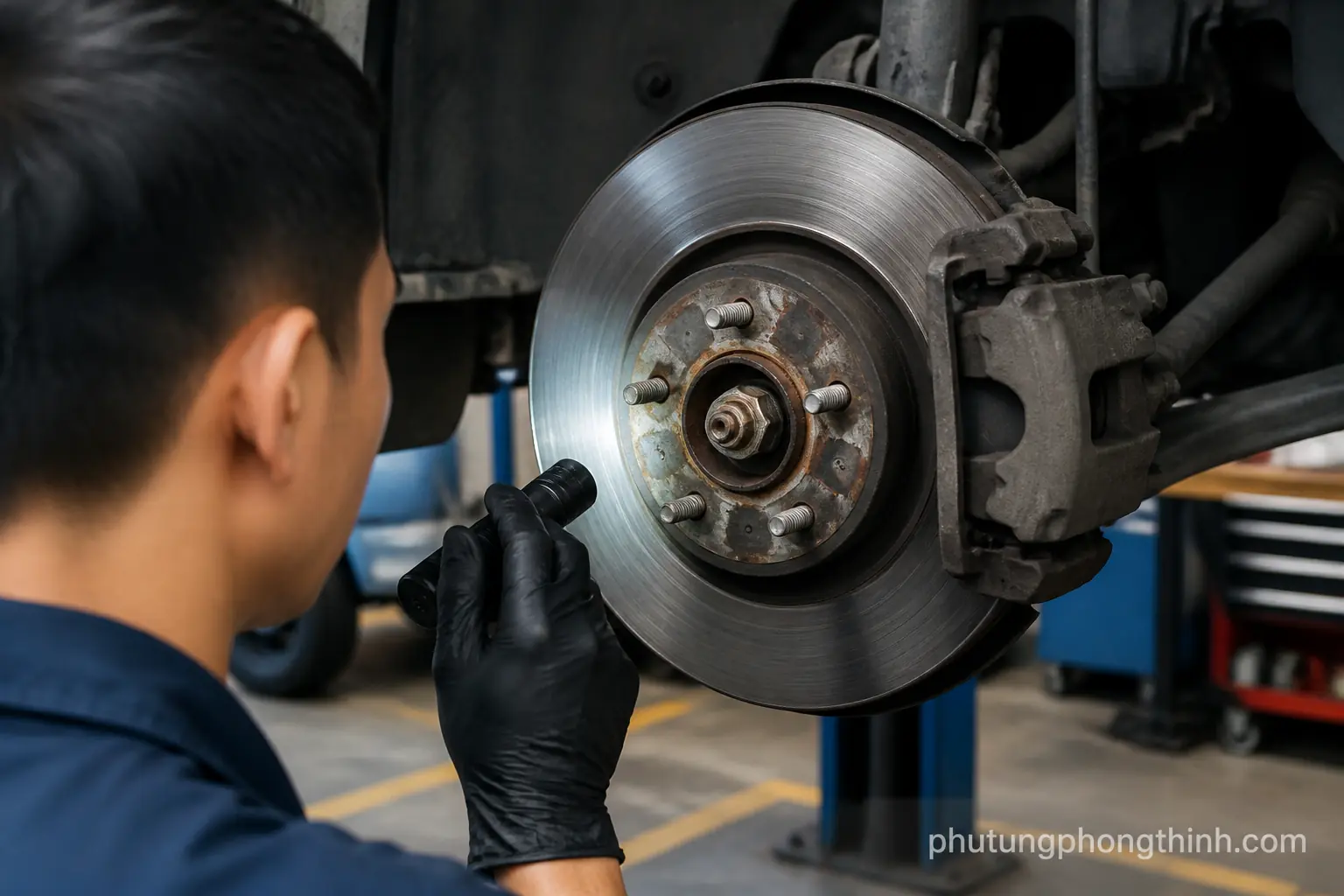
Surface rust usually looks like a light orange film on the rotor face, and it often fades after a short drive. By contrast, deep pitting, heavy corrosion, or uneven wear that does not clean off suggests a bigger problem. If you also feel vibration, pulling, or a change in pedal feel, it is more than normal rust.
Worn brake pads can expose metal backing and create a light grinding sound, while rotor thickness issues, scoring, or a warped feel point toward repair needs. How to tell if rotors are rusted comes down to whether the noise disappears after a few stops or persists even after the brakes have had time to dry and clean themselves.
Warning signs that need inspection
- Persistent scraping noise after several stops.
- Grinding that gets louder with braking pressure.
- Squealing sound that remains in dry weather too.
- Brake pedal pulsation, vibration, or steering wheel shake.
- Pulling to one side or longer stopping distance.
These signs often point to brake pads, rotors, slide pins, or caliper hardware rather than simple moisture-related noise. Sticking caliper symptoms can create uneven pad wear and extra noise, and noisy brakes plus poor braking performance deserve prompt inspection.
What to inspect on the brakes
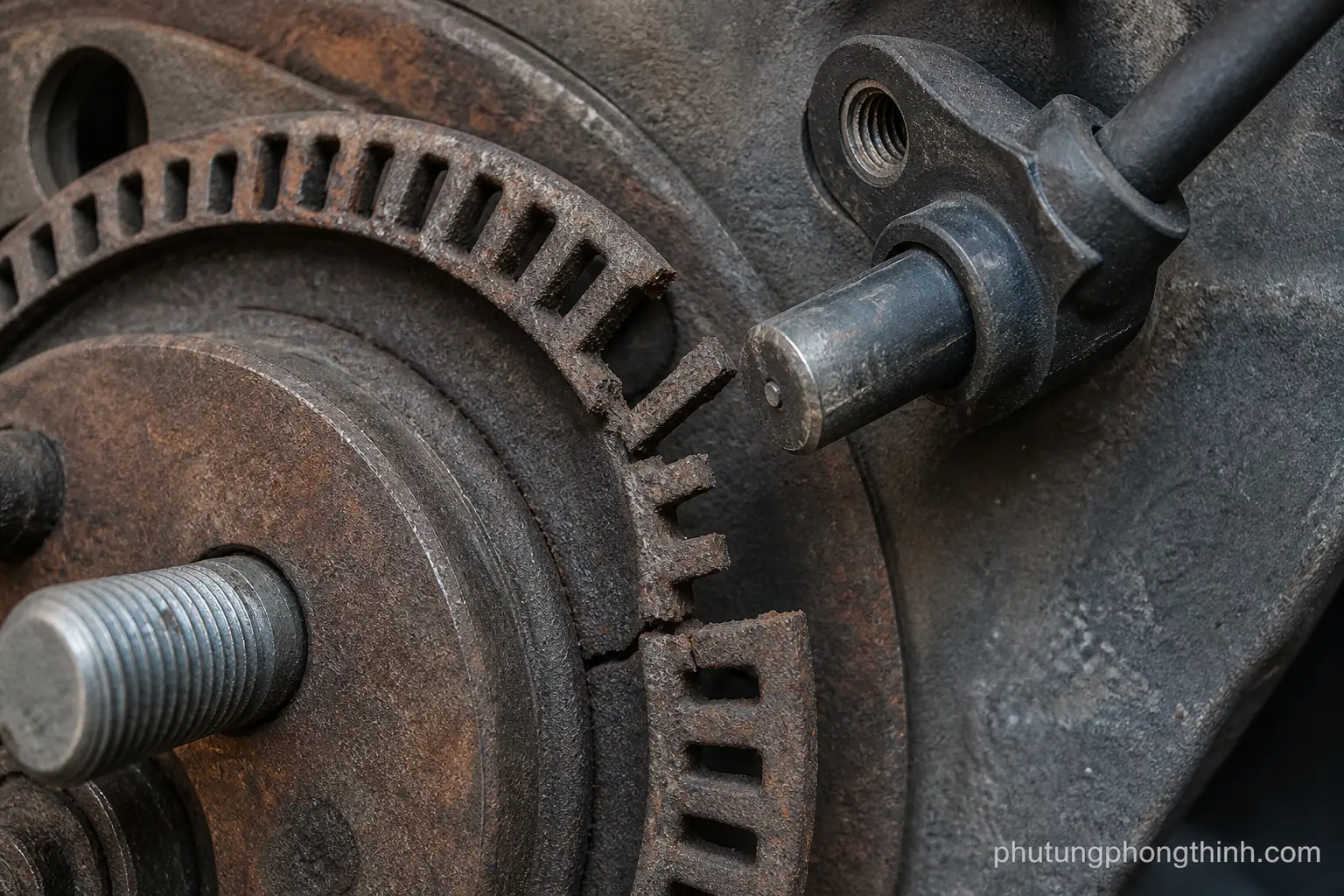
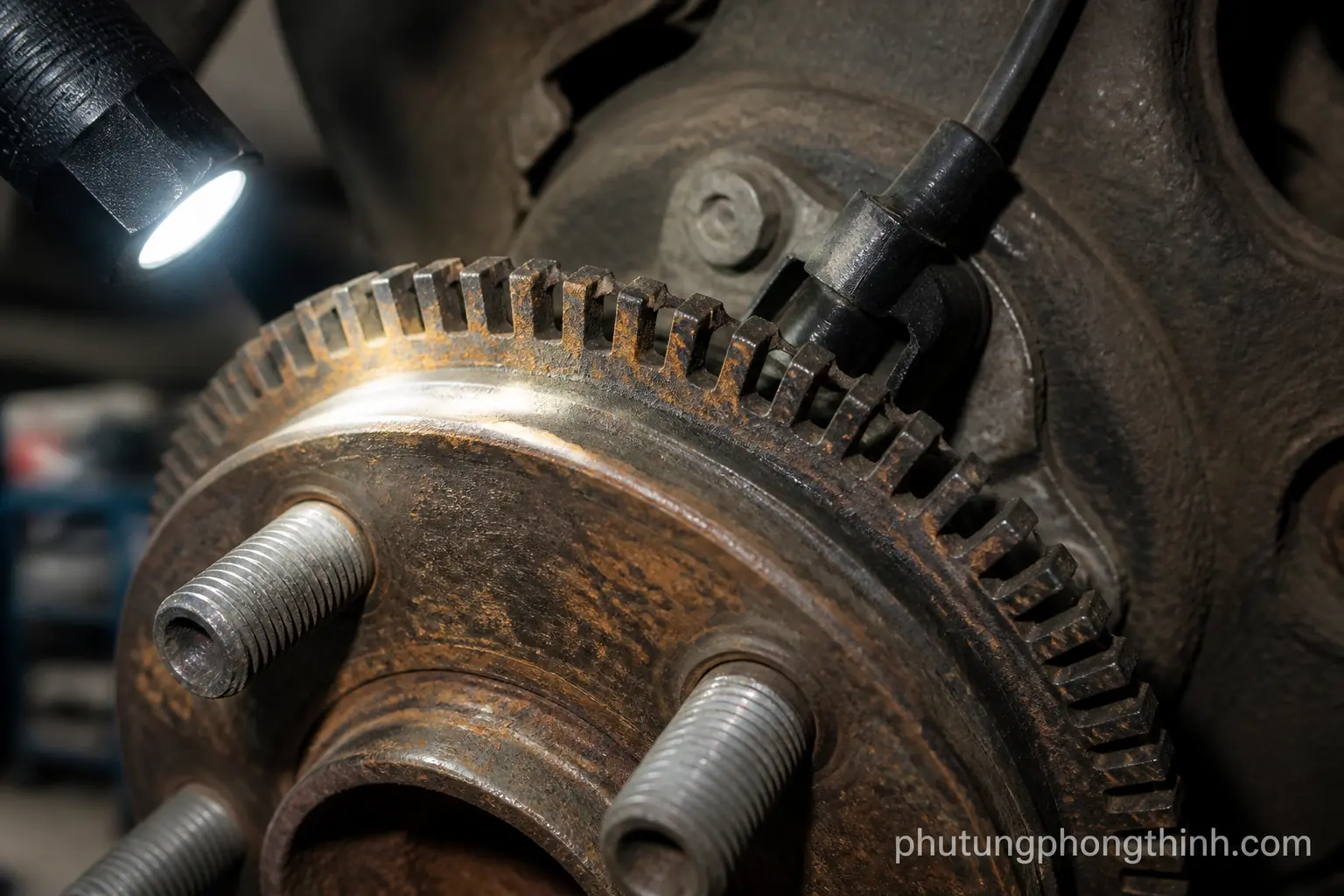
Start with the brake pads: look for thin material, uneven wear, or glazed surfaces. Then inspect the rotors for scoring, deep rust, or a noticeable lip at the edge, and check the caliper hardware and slide pins for corrosion or sticking. If you have measurements, verify that rotor thickness is still within spec.
Light rust that wipes off is usually normal, but uneven pad wear or seized slide pins points to service needs. Heavy corrosion or out-of-spec rotors often means replacing pads and rotors together.

If you are also checking nearby chassis parts while diagnosing uneven wear, a worn control arm assembly can be part of the bigger picture.
When to replace brake pads and rotors
Replacement is likely when the noise persists after surface rust has been cleaned off, especially if the pads and rotors show significant wear. Pads and rotors are often replaced together when the system is near the end of its service life, and recurring noise after rain can be a clue that brake service is already overdue.
If the problem includes grinding, vibration, or reduced braking, do not delay inspection. Ignoring warning signs can increase rotor damage and repair costs, and a mechanic should check the system if the cause is uncertain or the noise keeps returning.
In cases where the noise comes with shaking or poor road feel, a front suspension replacement may also be worth considering alongside brake diagnosis.
How to reduce brake noise after rain
- Drive gently at first to let pads dry and clean the rotors.
- Avoid long parking in standing water when possible.
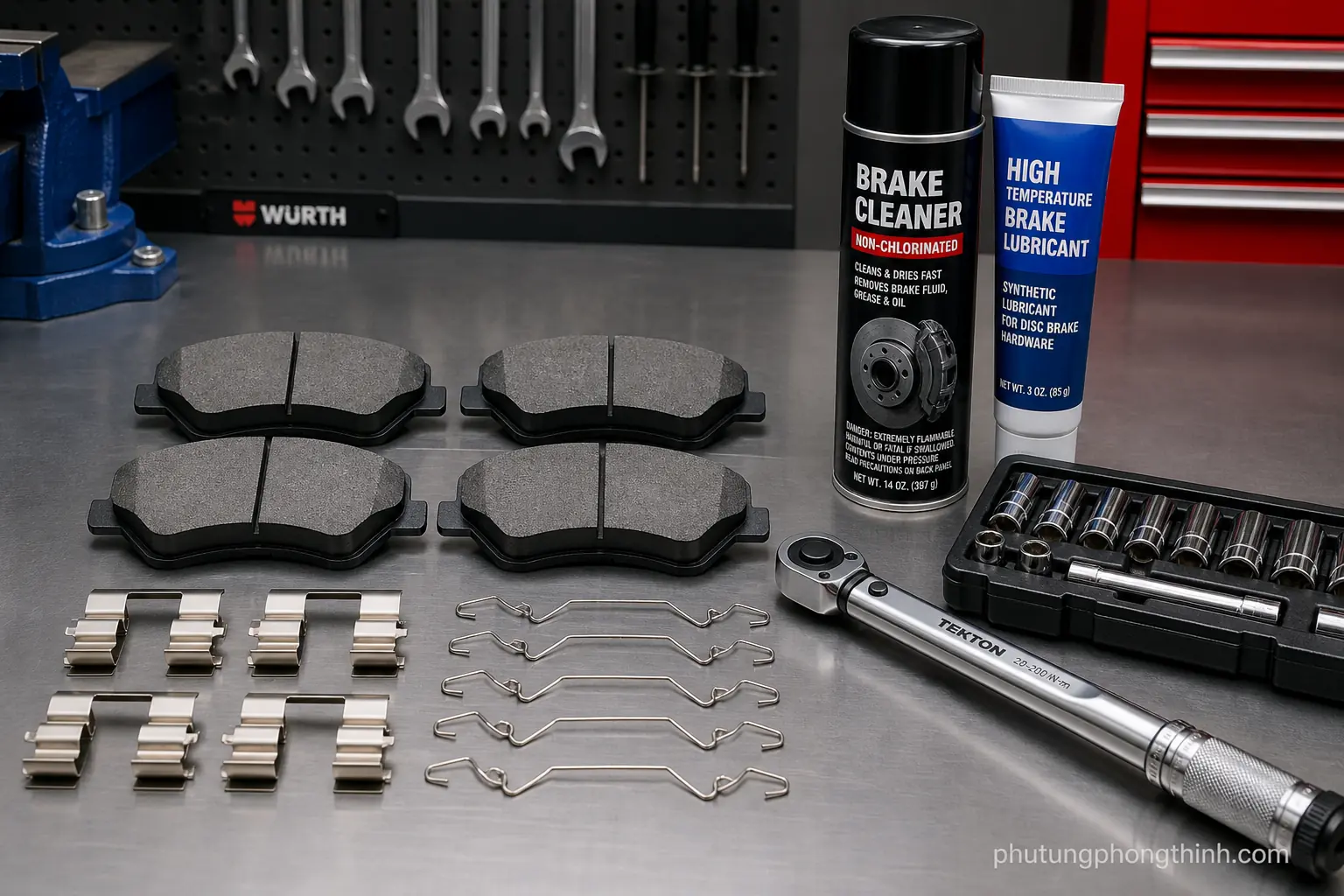
- Keep brake hardware clean and serviced so slide pins move freely.
- Replace worn pads before they reach the backing plate.
Regular maintenance reduces the chance of repeated squeal and scraping, and properly functioning disc brakes should quiet down quickly after a wet start.
FAQ about brake noise after rain
Frequently Asked Questions
Why do brakes squeal in the morning after rain?
Morning squeal after rain is usually caused by moisture and light surface rust on the rotor face. As soon as the brake pads sweep the rotors a few times, the noise often fades. If it keeps happening in dry weather too, the cause may be worn pads or hardware.
Why brakes grind after rain even if they were quiet yesterday?
Rain can make a minor issue easier to hear, especially if brake pads are already worn or a caliper is sticking. What sounds like rust may actually be light grinding from thin pads, scoring, or uneven rotor contact. If the grinding continues after a few stops, it should be inspected.
Is brake noise after car wash the same as rain noise?
Yes, it can be. A car wash leaves moisture on the rotors just like rain does, and that can create temporary squeal or scraping until the brakes dry and clean off the surface rust. Short-lived noise is usually normal.
How long should surface rust take to clear?
In many cases, surface rust clears within the first few brake applications or a short drive. If the noise and rough feel remain after several stops, the problem is likely more than normal moisture-related rust.
When should I stop driving and get the brakes checked?
Get the brakes checked right away if you hear persistent grinding, feel vibration, notice pulling, or experience reduced stopping power. Those symptoms can indicate worn pads, rotor damage, or sticking caliper symptoms that need prompt repair.