Brake Hardware Rubbing Noise: Causes, Fixes, and Tips
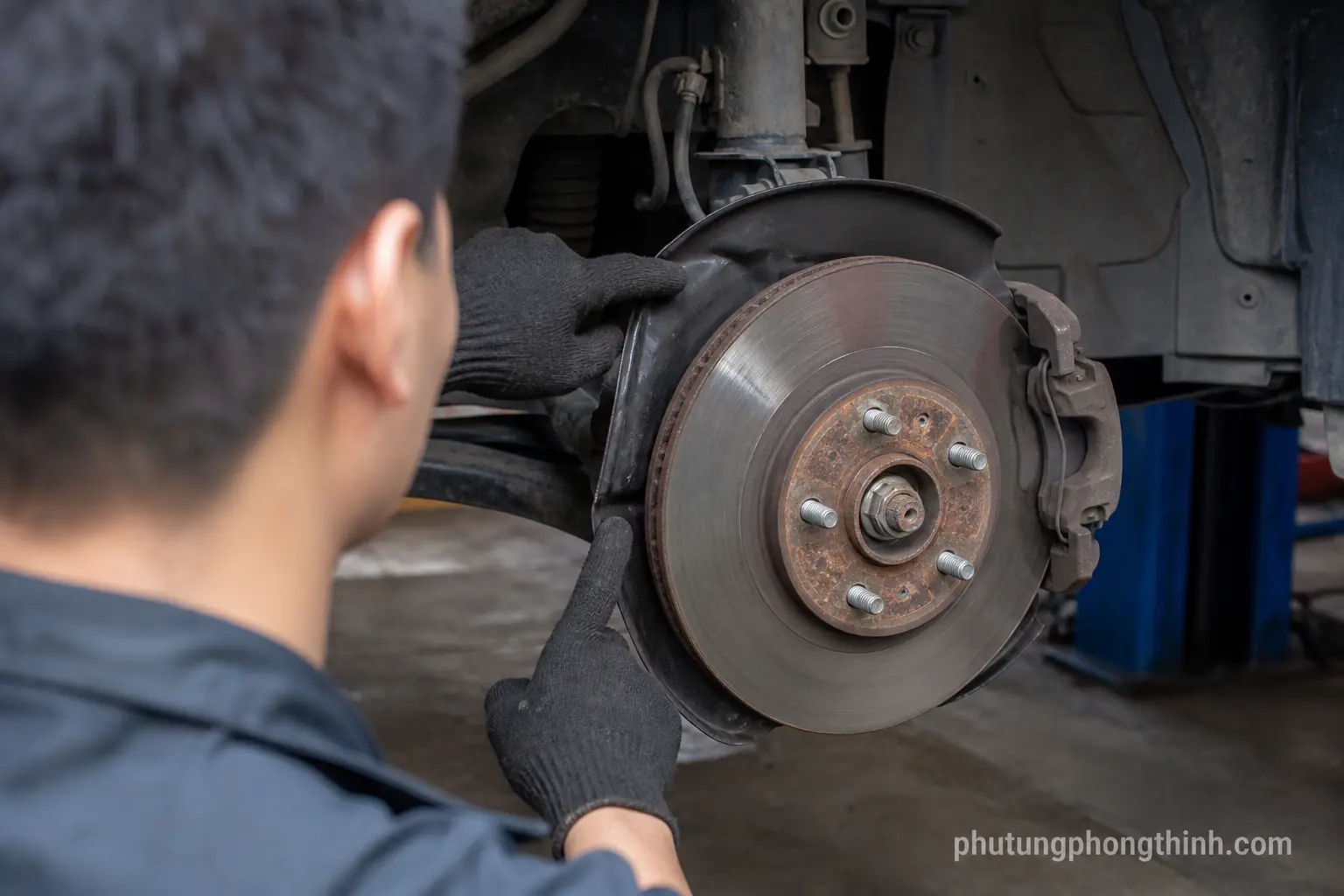
What brake hardware rubbing noise sounds like
Brake hardware rubbing noise often sounds like scraping, ticking, light grinding, or a steady rubbing that changes with wheel speed. You may hear it while braking, creeping at low speed, turning, or even right after a brake job. Sometimes the sound gets louder over bumps or changes when you press the pedal, which is a clue that a loose part is moving and touching the rotor or nearby hardware.
If you are hearing brake hardware rubbing noise, the usual cause is a contact problem between brake components and the rotor or another nearby part. This guide walks through the most likely sources, how to diagnose them safely, and what to fix before the issue turns into more costly brake repair.
It is best not to ignore the noise, even if braking still feels normal. Continued rubbing can damage the rotor, accelerate pad wear, create heat buildup, and lead to brake drag that gets worse quickly.
Common causes of brake hardware rubbing noise
The first things to check are the simple physical causes. A bent or rusty dust shield can touch the rotor, while loose or misplaced pad abutment clips and retaining clips can let the pads shift and scrape. Worn or missing anti-rattle springs may also allow extra movement, and brake hardware installed incorrectly after service can create the same kind of noise.
Caliper-related problems can make the rubbing constant instead of occasional. Seized slide pins, dry caliper slide hardware, or a sticky caliper bracket can keep the pads dragging. If the caliper does not fully release, the result is often a steady brake drag sound that seems like hardware rubbing noise.
- Rotor rubbing from warped, scored, or rust-lipped surfaces
- Pads that are not seated correctly after installation
- Brake grease missing where metal parts should glide smoothly

How to diagnose the source safely
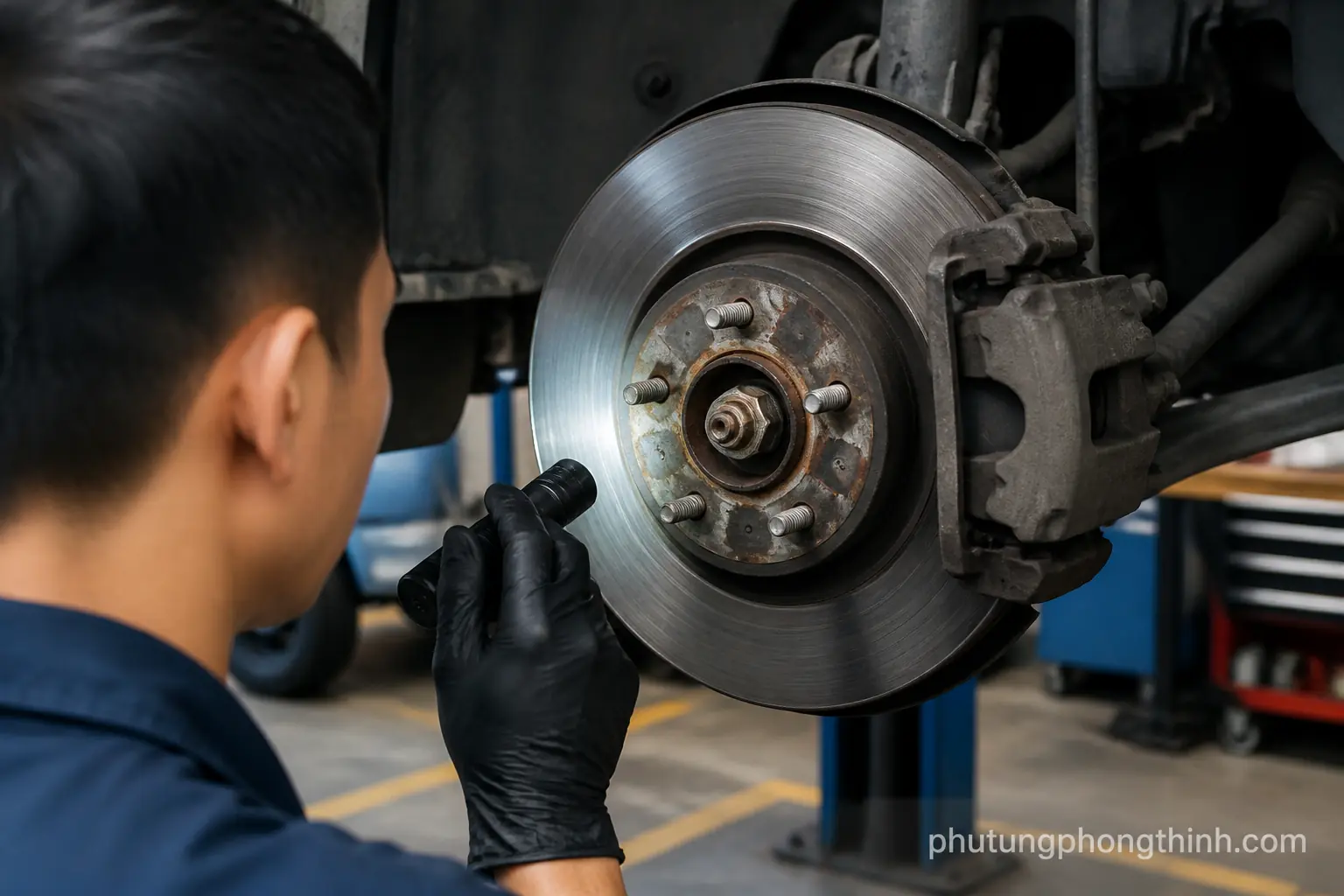
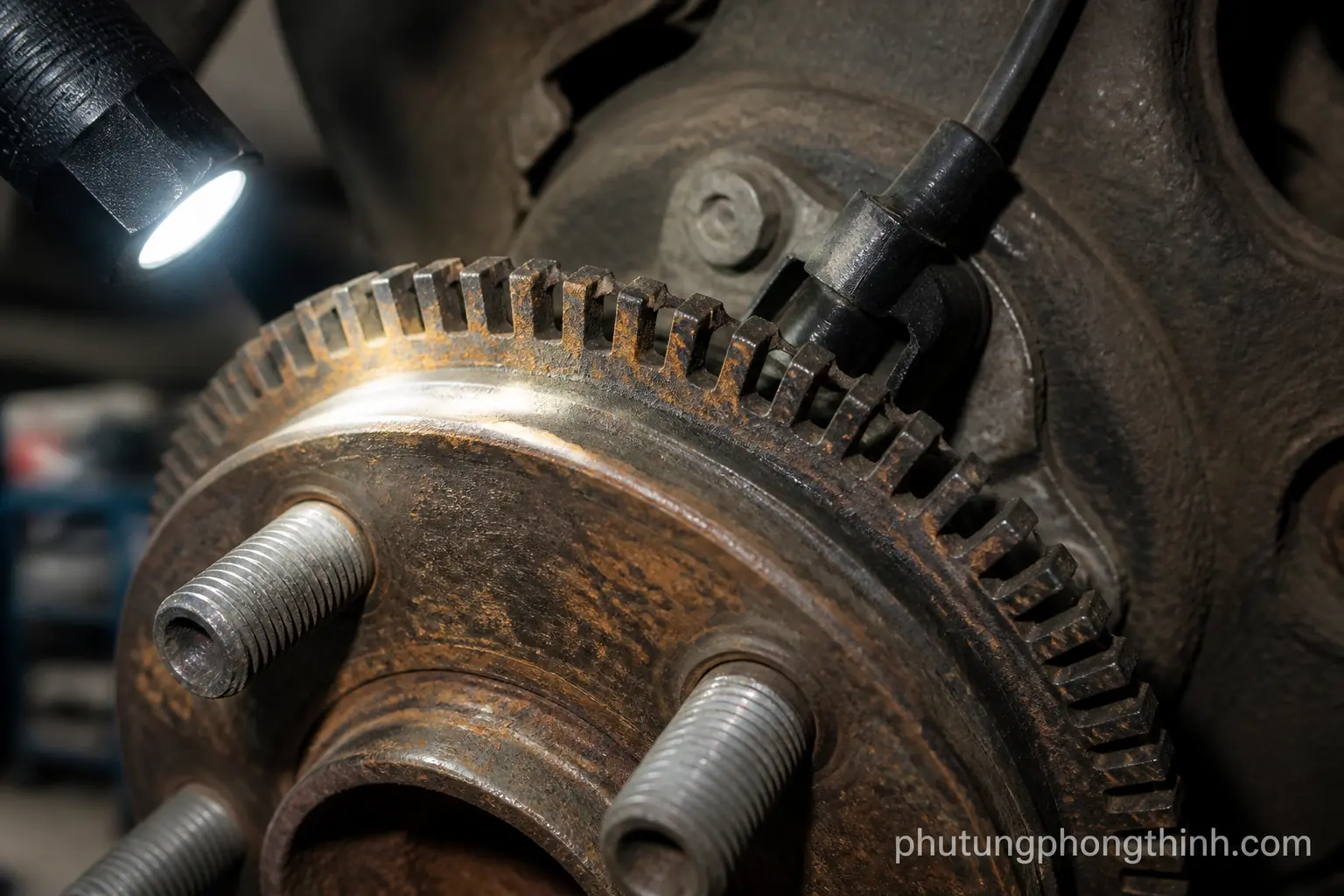
Start with the vehicle secured and the wheel removed, then inspect the clearance between the rotor and the dust shield. Look for shiny rub marks on the shield, backing plate, clips, and rotor edge. If you spin the wheel by hand, pay attention to whether the noise changes or disappears, because that can help narrow the source.
Next, check the pad abutment clips, retaining clips, and anti-rattle springs to make sure they are seated correctly. Inspect the caliper slide hardware for stiffness, rust, or dried grease, and verify that the pads move smoothly in the caliper bracket without excessive looseness.
Some signs point to a deeper problem than a simple hardware rub. Heat, a burning smell, uneven pad wear, or a wheel that resists spinning usually means brake drag or a seized component rather than a minor shield contact issue.
Fixes for brake hardware rubbing noise
Many cases are fixed with small corrections. You may need to gently rebend a dust shield so it clears the rotor, reinstall or replace missing clips and springs, or clean rust and debris from the caliper bracket and the contact points where the pads sit.
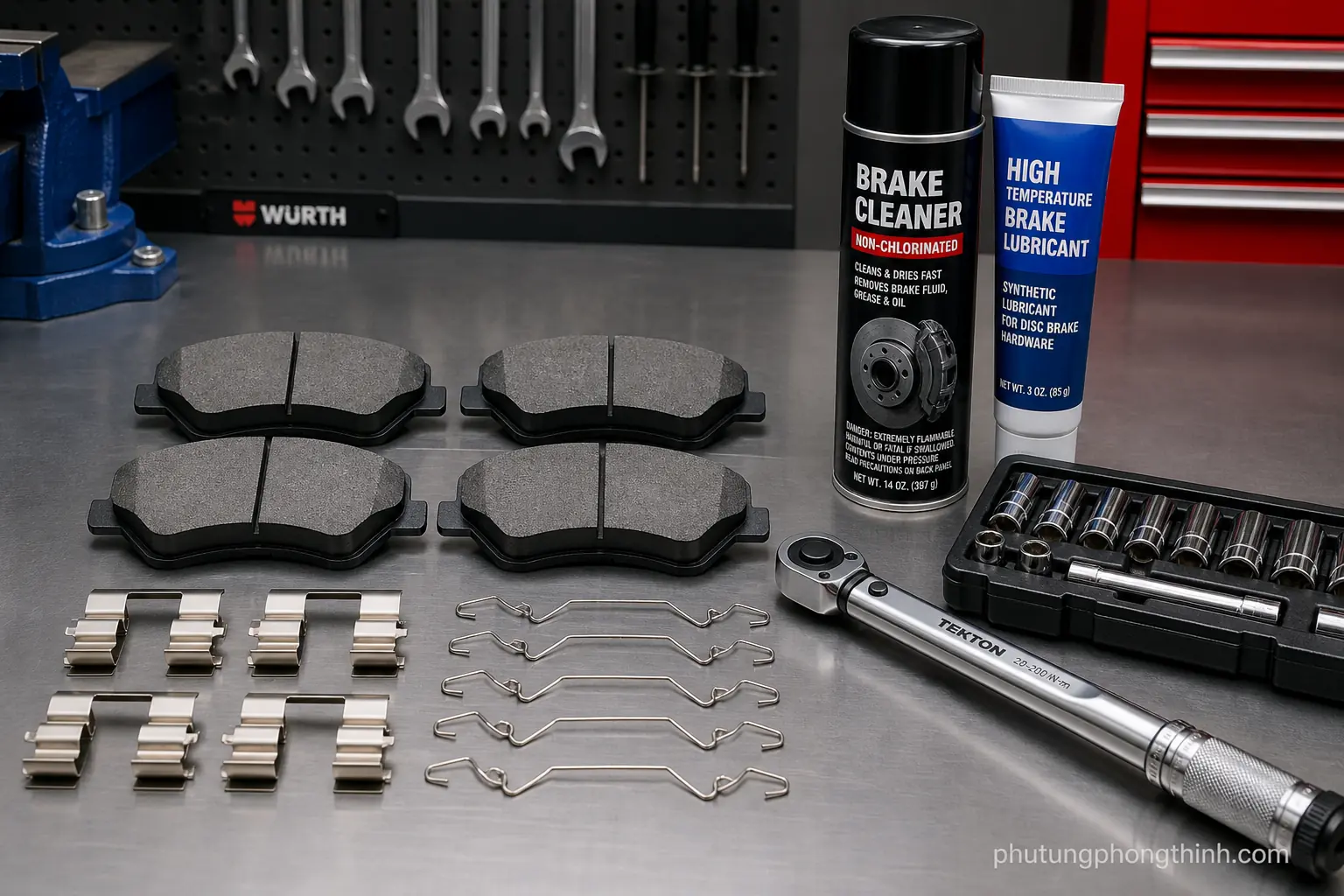
During reassembly, apply brake grease only to approved sliding contact points, make sure the slide pins move freely and are lubricated correctly, and confirm the pads sit squarely in the bracket without binding. These steps help prevent the scraping noise after brake job situations that come back when parts are assembled dry or crooked.

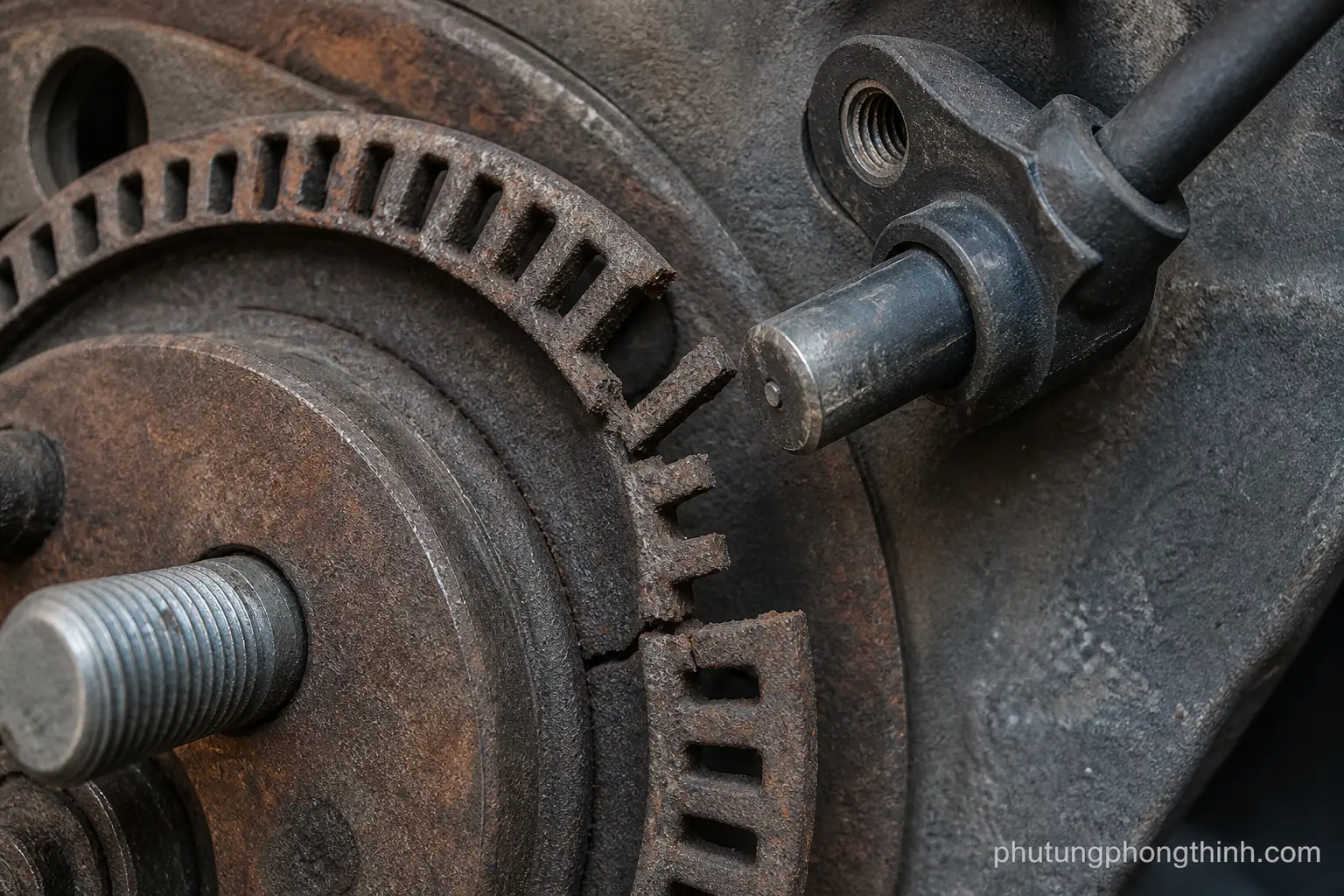
If the parts are severely corroded, bent, or seized, adjustment is usually not enough. In that case, replace the worn hardware, including bent shields, damaged clips, or seized slide pins. When several small parts are worn at once, a replace brake hardware kit is often the most practical fix.
- Replace severely corroded hardware, bent shields, worn clips, or seized slide pins
- Use a complete kit when multiple wear items are involved
When brake hardware rubbing means a bigger problem
If the noise keeps coming back after basic cleanup, the issue may be more than loose brake hardware. Persistent brake caliper drag symptoms, uneven rotor wear, overheating, or a hot wheel odor can all point to damage that has spread beyond the original rubbing point. You may also notice pulling or reduced fuel economy if the brake system is not releasing correctly.
At that stage, inspect the caliper, bracket, pads, and rotor for damage caused by prolonged contact. If the wheel gets hot quickly or the noise returns immediately after repair, it is smart to have a professional inspect it. If you are already working in the area, a nearby component like a washer fluid reservoir may also be worth checking for access, damage, or replacement during front-end service.
Prevention tips after a brake repair
Good preparation goes a long way toward avoiding brake noise later. Clean the mounting surfaces before assembly, use the correct hardware for the exact caliper and pad set, and torque fasteners properly. Before test driving, verify that the wheel spins freely and nothing contacts the rotor.
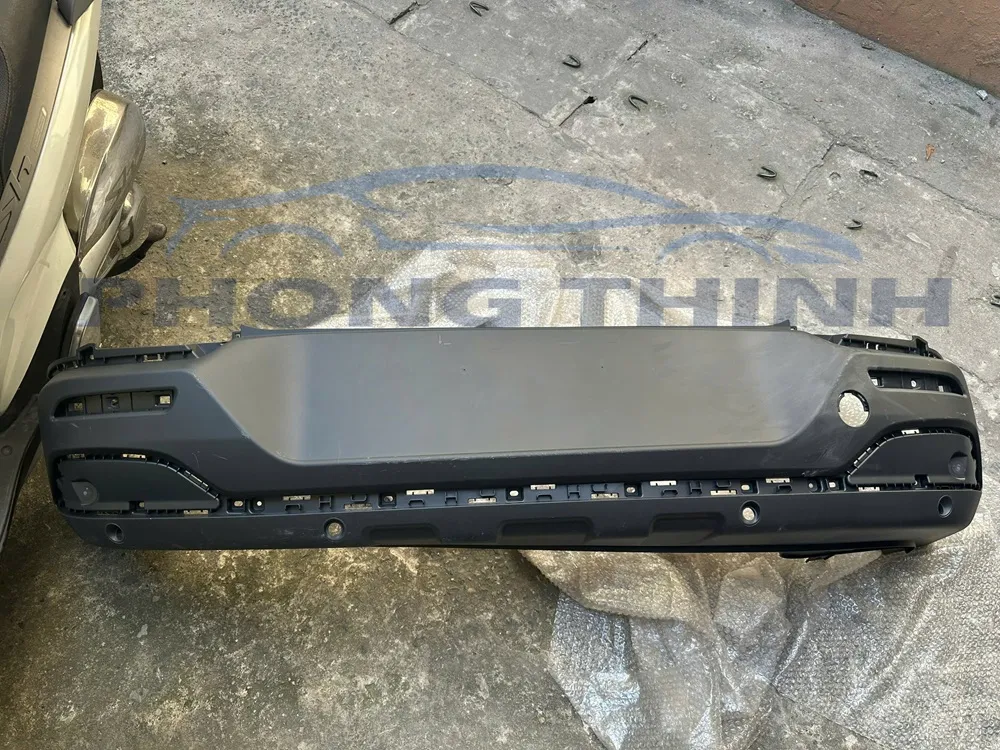
After that, inspect dust shields and clips at pad changes, replace worn hardware before it starts rotor rubbing, and test-drive gently before rechecking for abnormal noise. If you are replacing a worn exterior component during related service, a replacement exterior trim piece can help keep nearby fitment issues from turning into annoying rattles or contact noise.
- Clean mounting surfaces before assembly
- Use correct hardware for the exact caliper and pad set
- Torque fasteners properly and verify free wheel rotation before test driving
- Inspect dust shields and clips at pad changes
- Replace worn hardware before it creates rotor rubbing
- Test-drive gently and recheck for abnormal noise after a short drive
FAQ about brake hardware rubbing noise
Brake hardware rubbing noise can seem minor, but it can also signal parts that are out of position or starting to seize. The best way to handle it is to inspect the source quickly, fix the contact point, and verify the wheel spins freely before putting the vehicle back into normal use.
Frequently Asked Questions
Is a small dust shield rub safe to drive with briefly?
A very light dust shield rub is sometimes not an immediate emergency, but it should still be checked soon. If the sound gets louder, creates heat, or starts affecting braking, stop driving and inspect it right away.
How can I tell brake pad rubbing rotor from normal light contact?
Normal light contact is usually brief and very faint. If the noise is constant, gets worse with speed, or leaves heat, odor, or uneven wear, it is more likely a real rubbing problem.
Why did the noise start right after a brake job?
That often means a clip, spring, pad, or slide pin was installed incorrectly, left dry, or not seated fully. New parts can still rub if the hardware is not aligned or lubricated properly.
When should I replace brake hardware instead of adjusting it?
Replace it when clips are bent, springs are weak, slide pins are seized, or corrosion has made the parts unreliable. If multiple pieces are worn, a full hardware kit is usually the better choice.
Can brake hardware rubbing noise cause permanent damage?
Yes. If it continues, it can score the rotor, overheat the pads, and damage the caliper or bracket. Fixing it early usually prevents much more expensive repairs.