Brake Dust Shield Scraping Noise: 2026 Diagnosis Guide
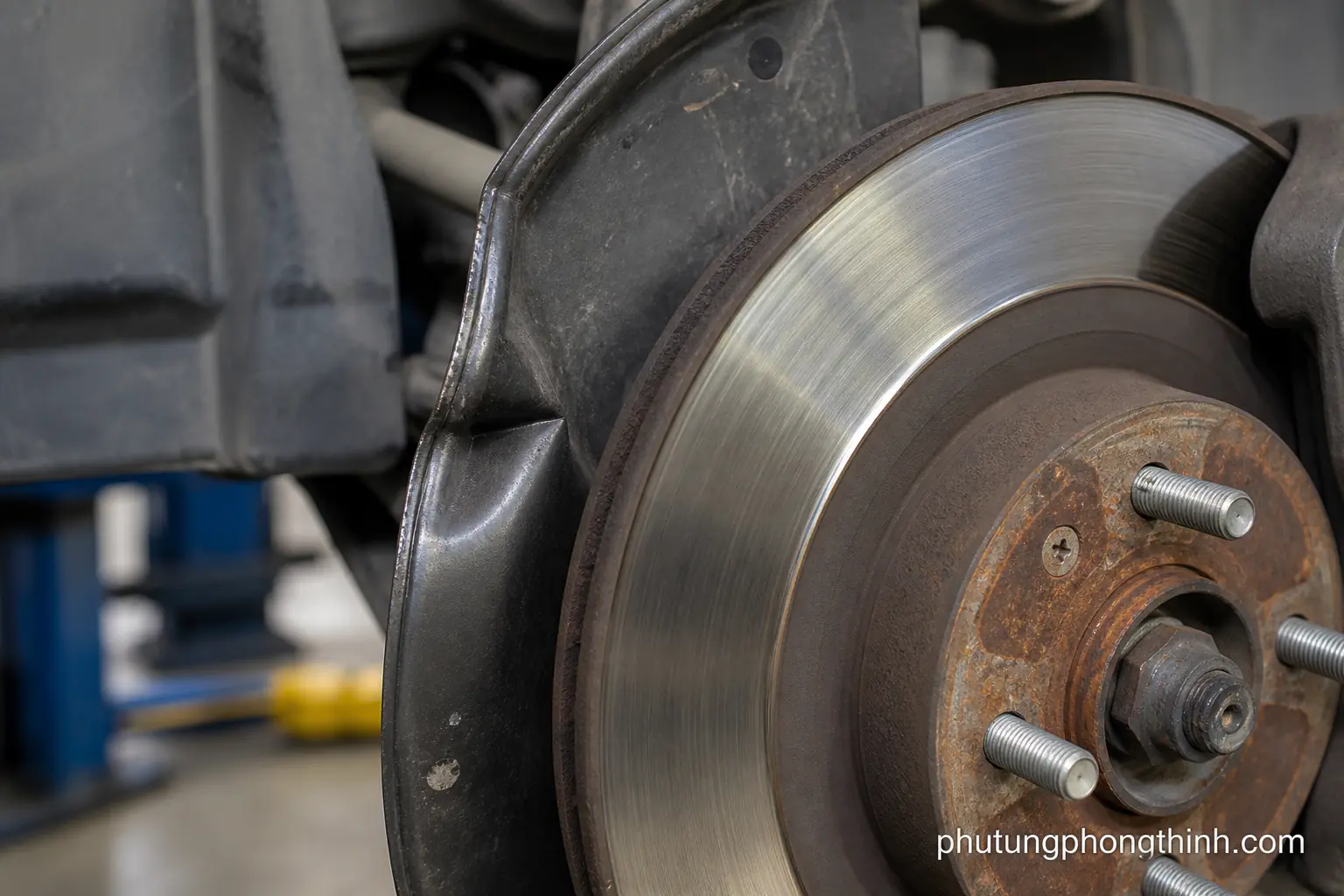
What brake dust shield scraping noise sounds like
Brake dust shield scraping noise usually sounds like a light metallic scraping or rubbing sound that rises and falls with wheel speed. It may show up only while driving slowly, while turning, or right after road debris gets caught near the rotor. Because the splash shield sits close to the spinning rotor, even a small bend can create a consistent rubbing sound that is easy to confuse with pad or rotor noise.
Common causes of rotor-to-shield contact
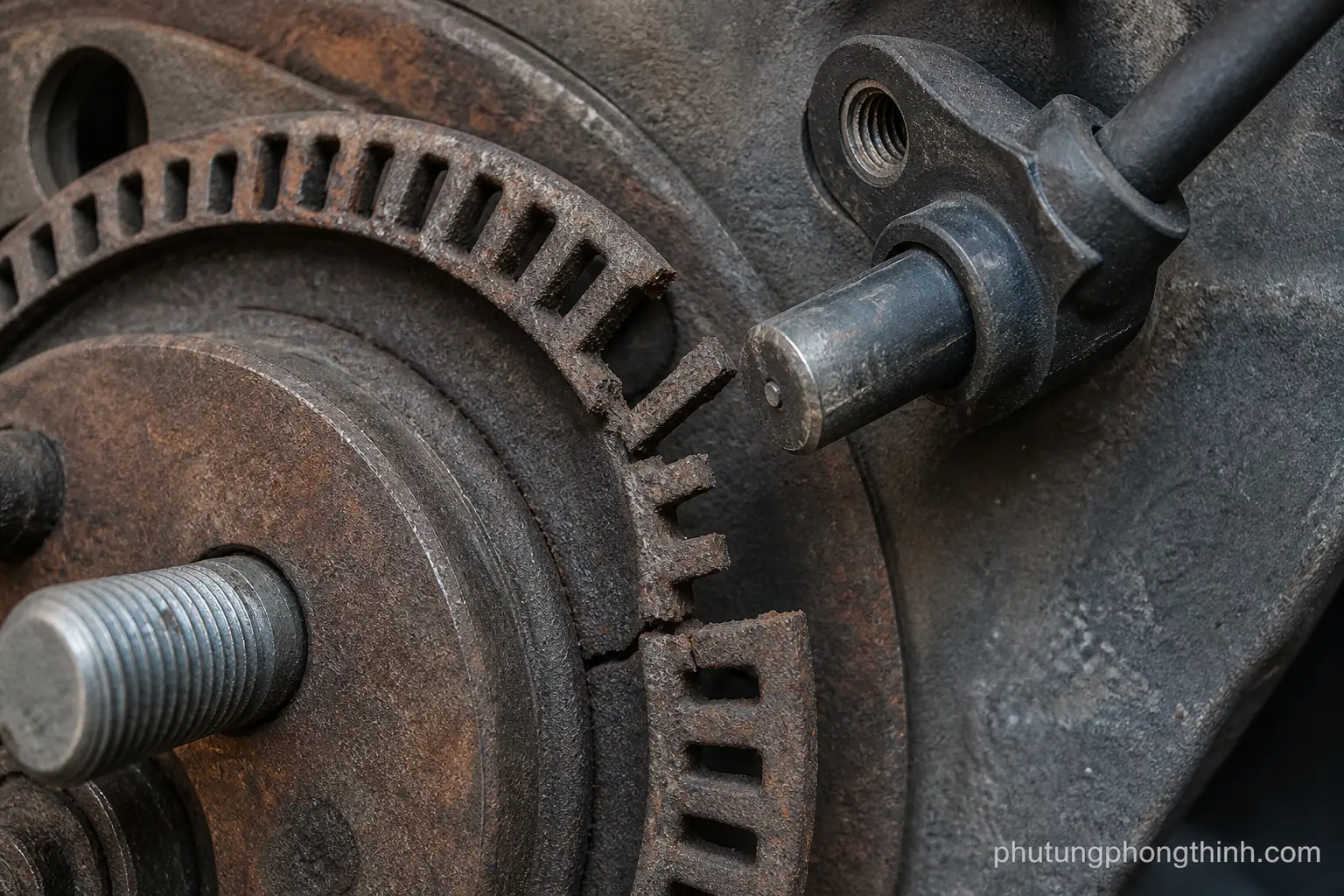
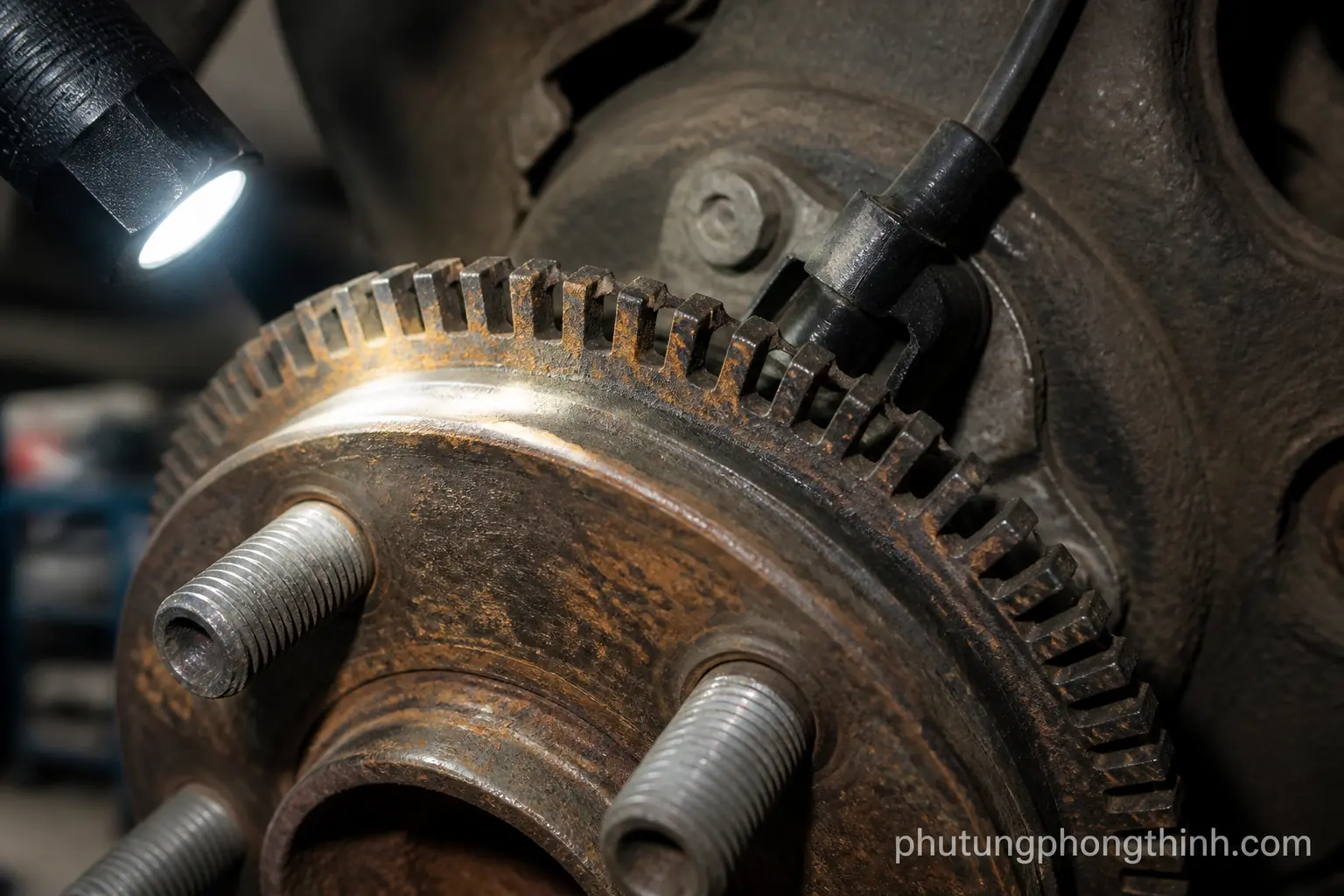
The most common cause is a bent splash shield or backing plate, often from debris, a pothole hit, or an uneven wheel installation. Rust buildup at the hub or rotor edge can also reduce rotor-to-shield clearance and let the metal touch. In some cases, loose wheel parts or suspension movement can shift the rotor just enough to create brief contact.
- Bent splash shield or backing plate from impact
- Rust buildup at the hub or rotor edge
- Loose wheel parts or suspension movement that changes alignment
How to inspect the brake dust shield safely
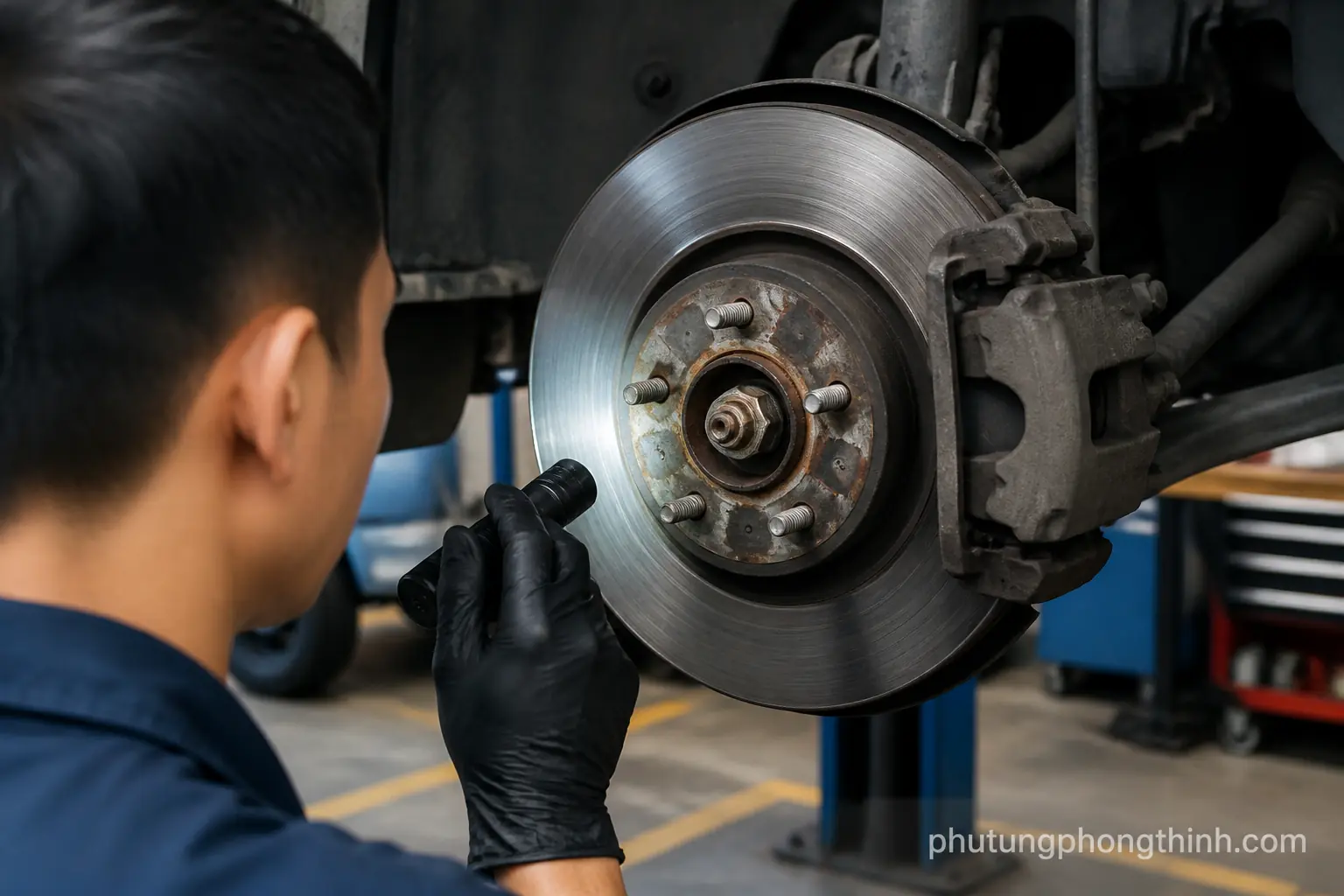
To confirm the source of the sound, lift the vehicle safely and remove the wheel for a close look at the shield and rotor. Check for shiny wear marks, bent edges, and fresh scoring on the dust shield where the rotor may have been rubbing. Then spin the rotor by hand and listen for a rubbing sound or feel for uneven contact points.

- Lift the vehicle safely and remove the wheel
- Look for shiny wear marks, bent edges, and fresh scoring
- Spin the rotor by hand to check for rubbing
How to fix a brake dust shield rubbing problem
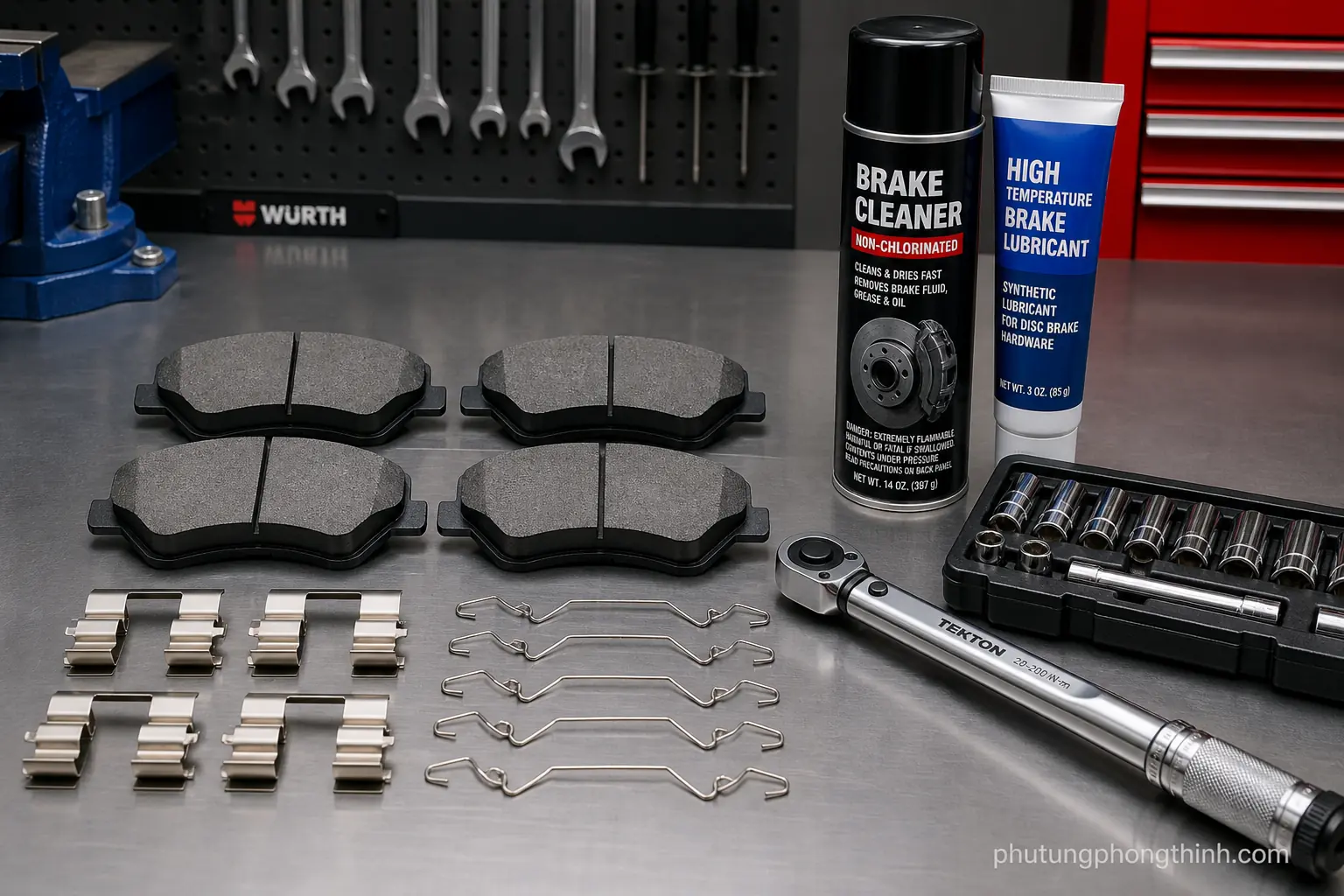
For a minor bend, you can gently rebend the shield to restore rotor-to-shield clearance. It also helps to clean rust and debris from the hub, rotor edge, and shield area so nothing keeps pushing the metal back into contact. If the backing plate is severely damaged or cannot hold its shape, replacement is the safer fix.
- Gently rebend a slightly warped shield
- Clean rust and debris from the hub, rotor edge, and shield area
- Replace a severely damaged backing plate
When the noise may be something else
Not every scraping sound comes from the dust shield, so it helps to compare the noise with worn brake pads and other rotor scraping noise causes. Also check for suspension play or steering vibration that changes wheel alignment under load, since that can make the rotor sit differently. If the sound only appears at low speed, brake noise when driving slowly may also be caused by debris trapped near the rotor. In cases where wheel position or suspension movement is involved, a worn replacement control arm may be the next component to inspect, and front-end looseness can also point toward a worn front stabilizer bushing.
- Compare the sound with worn brake pads and other scraping causes
- Check for suspension play or steering vibration
- Watch for debris trapped near the rotor
When to replace the brake dust shield
Replace the shield if it stays bent after adjustment or has deep corrosion holes. Replacement is also the better choice when repeated contact returns after cleaning and straightening. If the scraping continues, it can wear the rotor and lead to bigger brake problems.
Preventing future shield scraping
Good prevention starts with checking the shield after impacts, brake work, and wheel installation. It also helps to keep road debris, rust buildup, and loose hardware from going unnoticed. Whenever new brake parts or wheels are fitted, recheck shield clearance so the metal does not start rubbing again.
- Inspect after impacts, brake work, and wheel installation
- Keep road debris, rust buildup, and loose hardware from going unnoticed
- Recheck shield clearance whenever new brake parts or wheels are fitted
Frequently Asked Questions
Can I keep driving with a brake dust shield scraping noise?
If the sound is light and you have confirmed it is only the dust shield, the car may still move short distances, but it should be inspected soon. Continued contact can wear the rotor and make the repair more expensive. If the noise gets louder or changes with braking, stop driving and check it right away.
How do I tell dust shield contact from bad brake pads?
Dust shield contact usually sounds like a thin metallic rub that follows wheel speed and may change when turning. Worn brake pads more often cause squealing, grinding, or a harsher noise when the brakes are applied. A close inspection behind the wheel is the fastest way to tell the difference.
What causes a brake dust shield to bend in the first place?
A dust shield can bend from road debris, pothole impacts, rust, or during wheel and brake service if it gets bumped. Even a small bend can reduce rotor-to-shield clearance enough to make noise. Corrosion around the hub can also shift the shield closer to the rotor.
Can I bend the shield back myself?
A slight bend can often be corrected carefully with the wheel removed, but the metal should only be adjusted enough to restore clearance. If the shield is heavily rusted, cracked, or keeps returning to the rotor, replacement is safer. If you are unsure, have a technician inspect it.
Why does the noise get worse at low speed?
At low speed, the rubbing sound is easier to hear and the rotor may touch the shield in a more noticeable way. Small shifts from wheel rotation, turning, or suspension movement can make the contact come and go. That is why brake noise when driving slowly is often the first clue.