Brake Dust Shield Rubbing Noise: Fix the Scrape Fast
Brake Dust Shield Rubbing Noise: What It Sounds Like
If you’re chasing brake dust shield rubbing noise, the giveaway is usually a light metallic scrape or tinny metallic noise that seems to come from one wheel. It may get louder with speed, change when you turn, or show up over bumps as the shield flexes and touches the rotor.
Most of the time, the cause is simple: a bent splash shield, trapped debris, or rusted mounting points that have shifted the backing plate inward. Before tearing into the brakes, the first job is to separate dust shield contact from caliper, rotor, or wheel bearing noise. A quick visual check often confirms the source fast.
This guide walks through the quickest way to fix the scrape fast without guessing.
How to Diagnose the Rubbing Sound
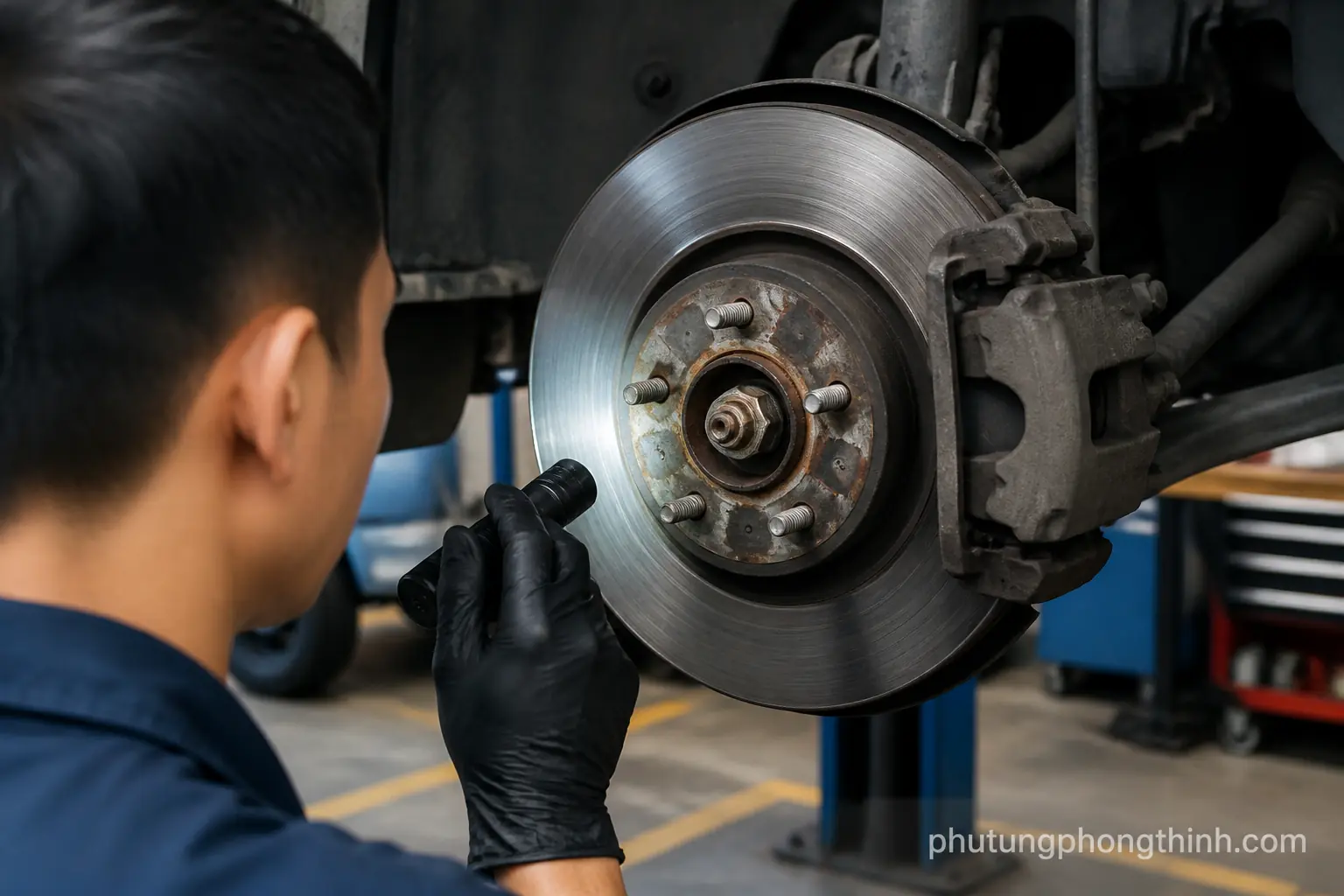
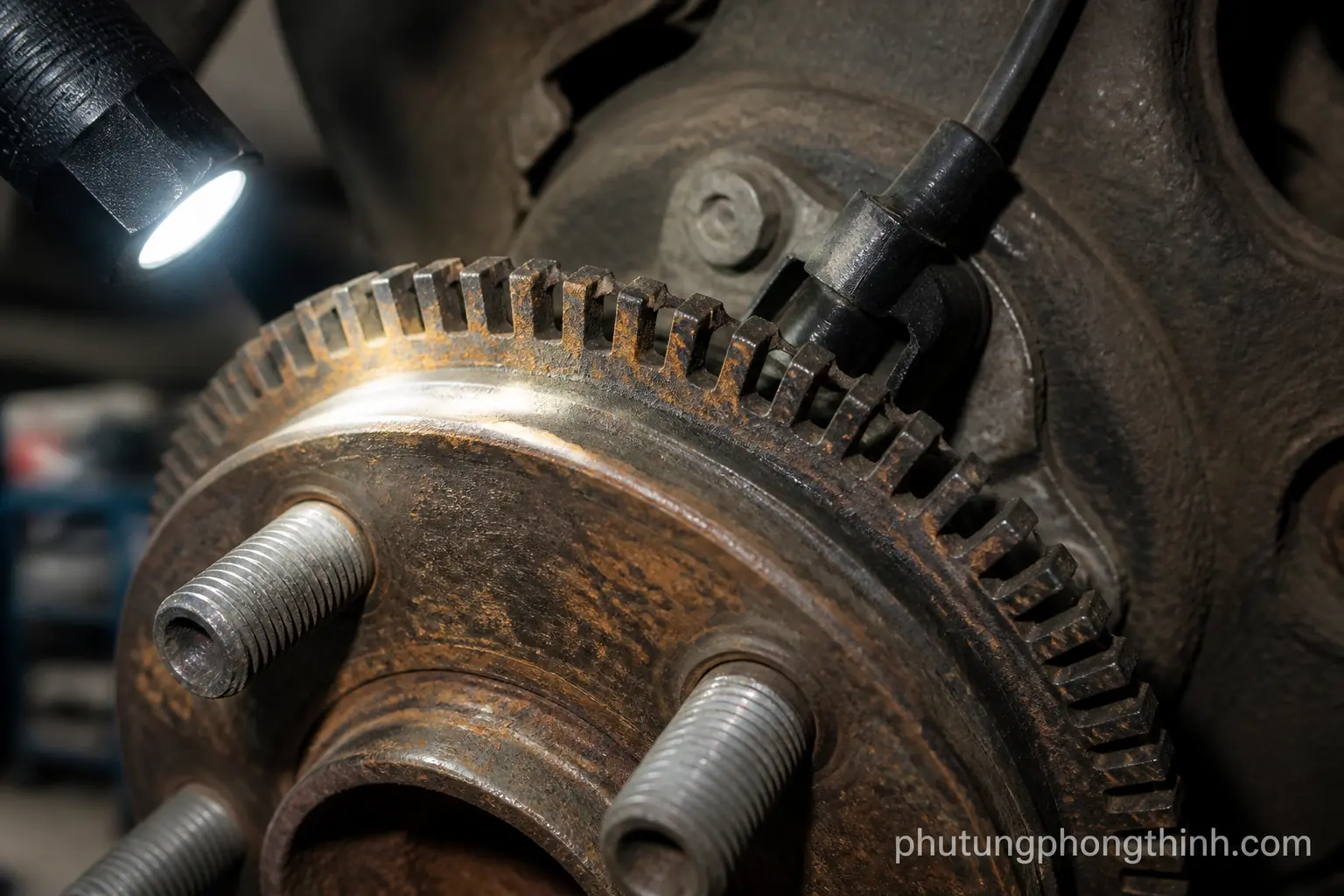
The easiest diagnosis starts with a safe lift and a hand spin of the wheel. Listen for a light contact sound, then look closely at the rotor, caliper, and backing plate for shiny scrape marks or a shield bent inward. Small changes in clearance on one side often point straight to the problem.
It also helps to compare the sound with other faults. Wheel bearing play usually changes with load and may hum or growl rather than make a thin scrape. If the noise changes while turning, the contact may be shifting as the suspension loads up. If the scrape remains after the wheel is removed, the issue is likely shield, rotor, or hardware interference.
Frequently Asked Questions
How do I fix a brake shield rubbing noise without replacing the shield?
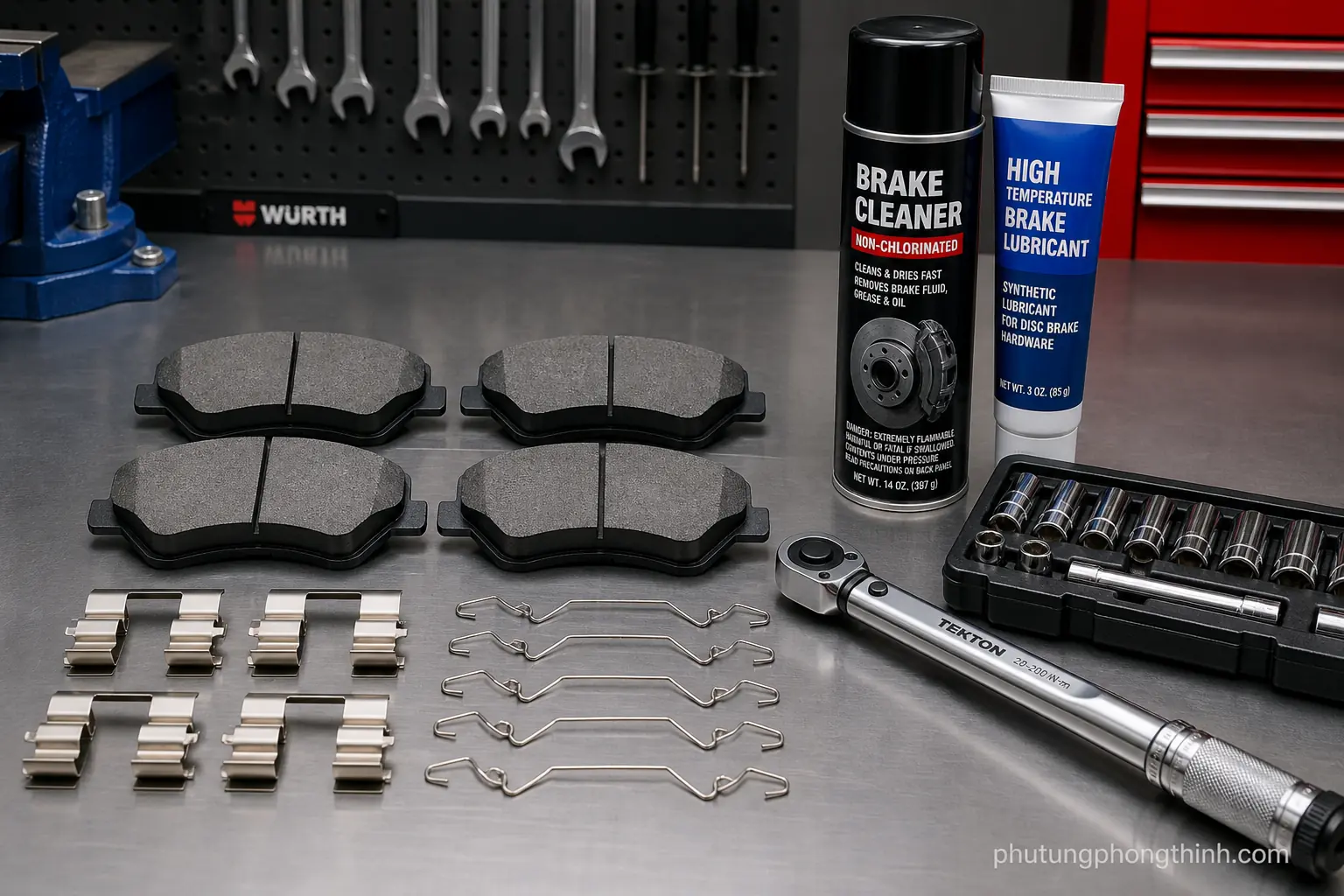
Start by checking for debris stuck behind the rotor and cleaning the area with brake cleaner. If the shield is only slightly bent, gently reposition it to restore clearance, then spin the wheel and test-drive to confirm the scrape is gone.
Can a wheel bearing sound like a dust shield scrape?
Yes. A wheel bearing can make noise that seems similar, but it usually changes with load and often sounds more like a hum or growl than a thin metallic scrape. If the sound changes as the car is turned or weighted, bearing play should be checked.
Is a slight metallic scrape always dangerous?
Not always, but it should be checked soon. A minor shield contact may only be a bent backing plate or trapped debris, while a deeper scrape can point to rotor or hardware interference. The longer it is ignored, the more likely it is to wear parts.
How long can I drive with a rubbing brake dust shield?
Only long enough to get it diagnosed. If the sound is from light shield contact, short careful driving may not cause immediate damage, but continued scraping can wear the rotor or worsen the bend. It is best to inspect it as soon as possible.
Why does the noise get louder when I turn?
Turning shifts wheel load and suspension position, which can make a borderline shield touch the rotor only in corners. That pattern often points to clearance problems, debris, or nearby steering wear that changes the wheel’s position under load.
Related Articles
Featured Products
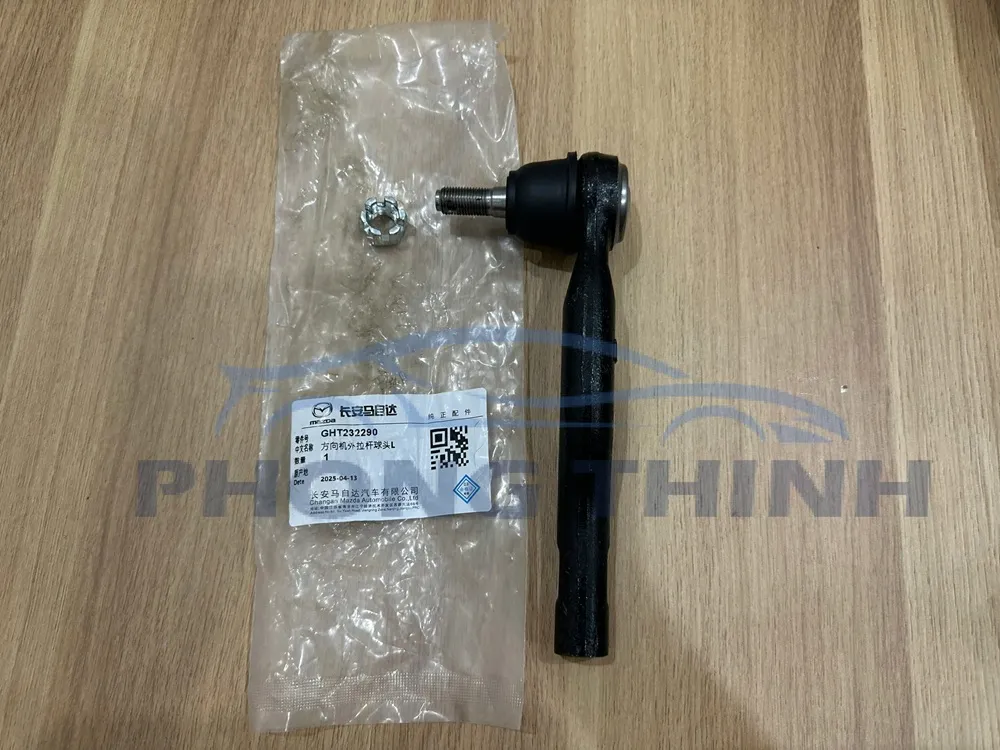
Outer Tie Rod End for Mazda 3 Mazda 6 2015-2018 LH OEM GHT232290
Contact us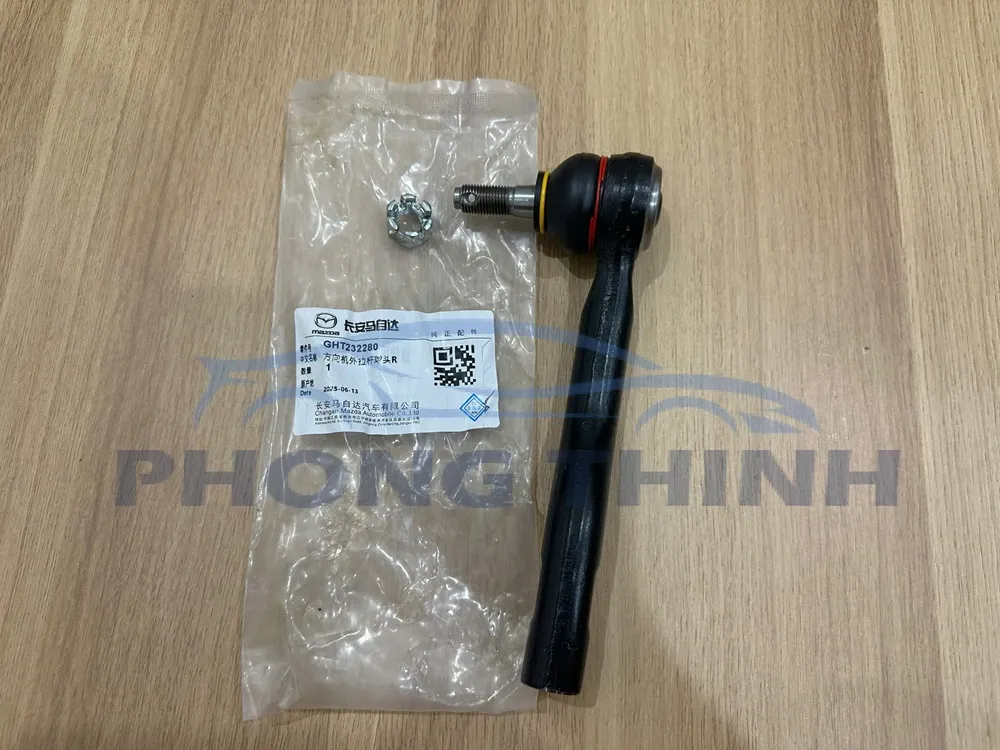
Outer Tie Rod End Mazda 3 Mazda 6 2015-2018 RH OEM GHT232280
Contact us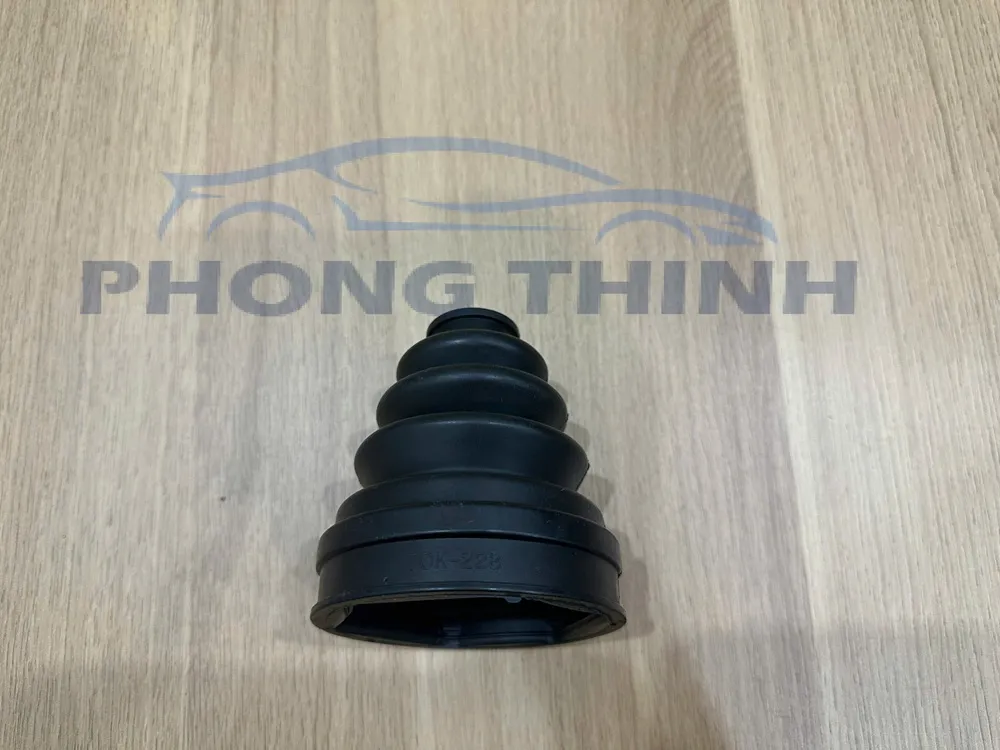
Inner CV Boot for Mazda 3 2014-2018 TOK TOK228
Contact us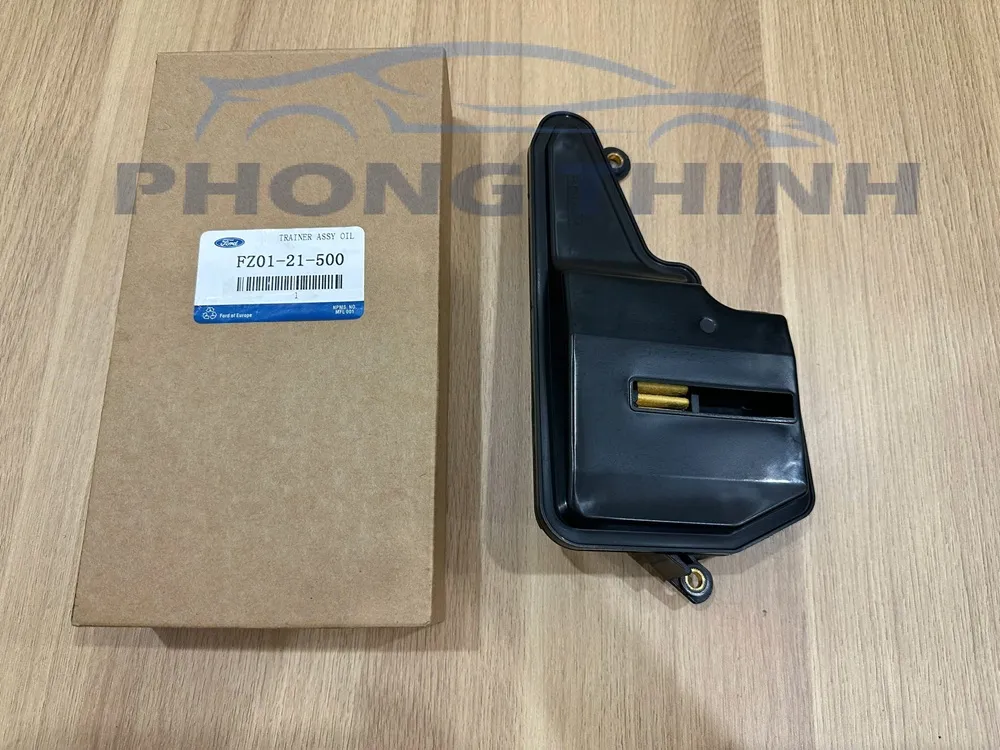
Mazda 3 Mazda CX-5 Automatic Transmission Oil Filter 2015-2018 OEM FZ…
Contact us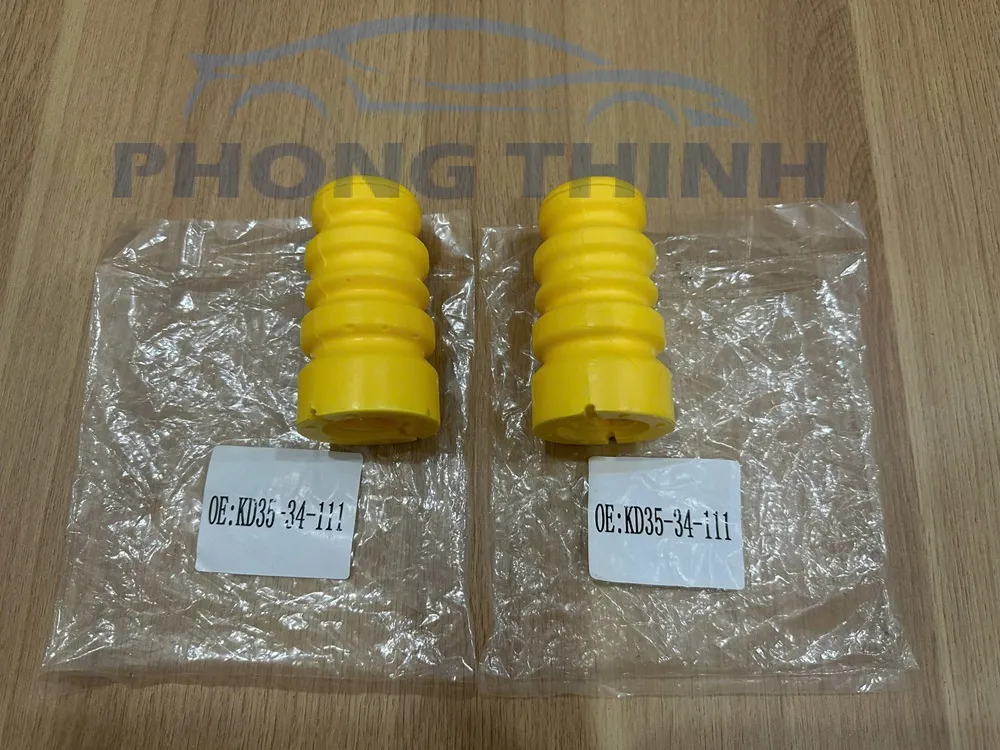
Front Shock Absorber Bump Stop for Mazda CX5 2013-2016 OEM KD3534111
Contact us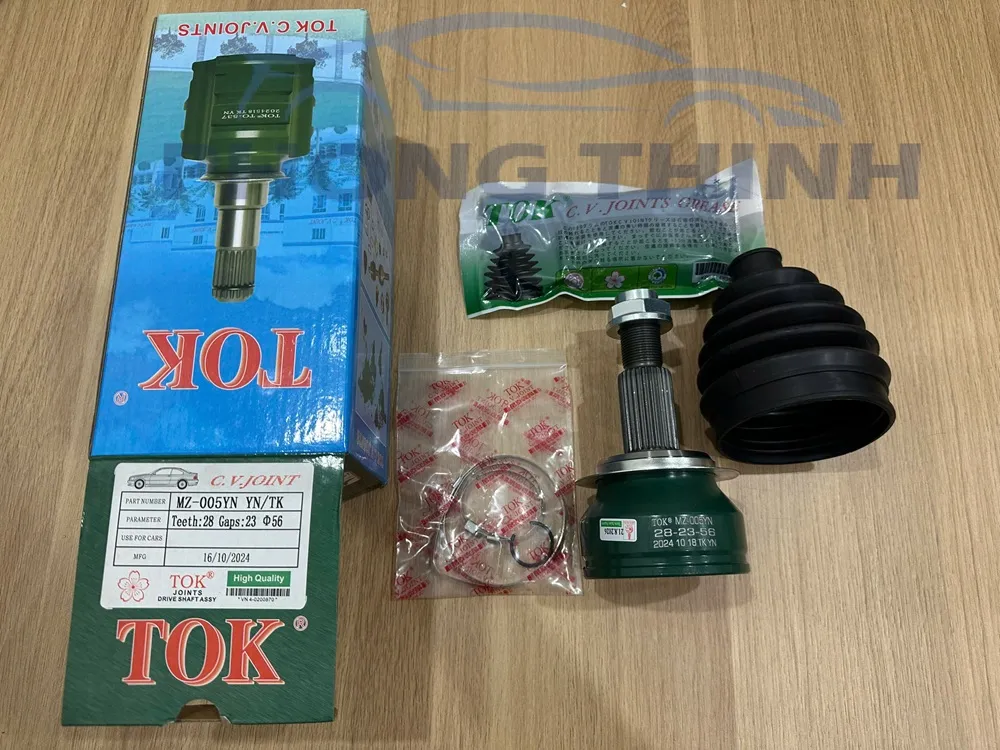
Outer CV Joint for Mazda 3 2014-2018 TOK MZ005YN
Contact us
Ford Laser 1.6 AC Compressor 2000-2005 OEM B25F61K00A
Contact us