Why Is My Car Overheating? 9 Common Causes and Fixes
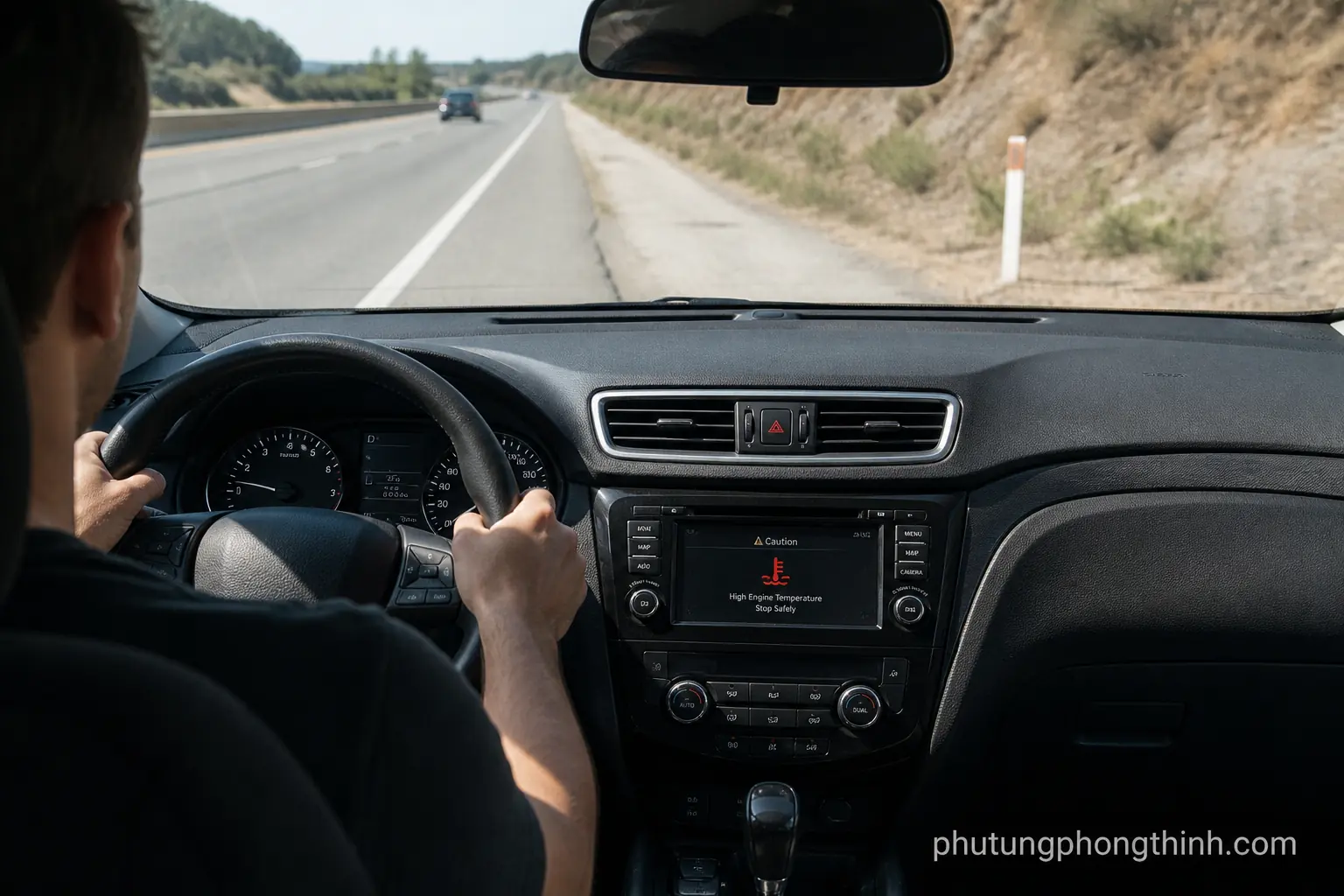
Why Is My Car Overheating? Start with the Most Likely Causes
If you are asking why is my car overheating, the answer is usually a problem in the engine cooling system rather than one single bad part. The most common causes are low coolant, leaks, radiator fan problems, a thermostat stuck closed, radiator blockage, water pump failure, or head gasket failure. The clue often comes from when the problem happens, such as car overheating at idle or car overheating on the highway.
Before you start testing, pull over safely, shut off the engine, and let it cool. Never remove the radiator cap while the engine is hot. While you wait, watch the temperature gauge, look for steam, and notice whether the heater is blowing warm air, because those details can help narrow the diagnosis.
Low Coolant, Leaks, and Air Pockets in the Cooling System

Low coolant is the first thing to check because it reduces heat transfer and can cause overheating very quickly. A cooling system leak may be coming from the radiator, hoses, reservoir, water pump, heater core, or even the cap. Common signs include a sweet smell, puddles under the car, crusty residue around fittings, or repeated coolant loss after topping off.
Air pockets in the cooling system can create the same kind of problem by blocking circulation. That is why many repairs require you to bleed cooling system air after a refill or service. When coolant is low and air is trapped, you may also notice inconsistent heat from the cabin vents, which is another useful clue.
Radiator, Cap, and Flow Problems That Stop Heat From Moving Out
A radiator blockage or internal clogging can stop heat from leaving the engine efficiently. A weak cap can make things worse by letting pressure drop too soon, which allows coolant to boil earlier than it should. If you want to confirm leaks or pressure loss, how to test a radiator cap and a radiator pressure tester are both useful parts of the diagnosis process.
Driving symptoms can help, too. Overheating on the highway often points to airflow or flow restrictions, while idle overheating often points to other causes. A cold lower radiator hose or uneven radiator temperature can suggest poor circulation, and an infrared thermometer makes it easier to spot hot and cool spots across the radiator. In some vehicles, related airflow routing around the front end and charge-air path can matter as well, which is why a part like turbo intercooler ducting can be part of the broader under-hood heat-management picture.
Cooling Fan Operation and Thermostat Failures

Cooling fan operation matters most in stop-and-go traffic and at idle. If the fan motor, relay, fuse, or switch fails, the engine may overheat because air is not moving through the radiator. A simple check is to turn on the AC and see whether the fan runs; if it does not, the fan circuit should be high on the list.
A thermostat stuck closed can raise temperature very fast because it blocks coolant flow to the radiator. Typical symptoms include a rapid temperature climb, a hot upper hose with a cool radiator, and little or no normal circulation. Once diagnosed, thermostat replacement is often a straightforward repair.
Water Pump Failure and Internal Engine Damage Signs
Water pump failure can show up as a leak, bearing noise, wobble, or poor circulation. Some pumps fail slowly, while others lose impeller efficiency inside the housing and stop moving coolant well even if they do not leak much. On belt-driven systems, belt problems can also affect circulation if the belt is slipping or damaged.
If the basic cooling-system checks do not explain the problem, look for head gasket failure signs such as white exhaust smoke, milky oil, bubbles in the radiator, or coolant loss with no external leak. Head gasket test symptoms can help separate an internal engine problem from a normal cooling-system fault. Do not keep driving an overheating engine, because continued use can turn a repairable issue into major engine damage.
A Simple Step-by-Step Diagnosis for Car Overheating
Start with coolant level and leak inspection, then check fan operation, then thermostat and radiator flow, and finally pump and head gasket signs. The goal is to narrow the cause before replacing parts, and to stop DIY testing and get professional help if the diagnosis points to internal engine damage or a leak you cannot confirm.
- Cold checks: reservoir level, hose condition, cap condition, visible leaks.
- Warm checks: fan engagement, heater output, hose temperature differences, gauge behavior.
- Use a radiator pressure tester or infrared thermometer if you need faster, clearer results.
How to Prevent Overheating After Repairs
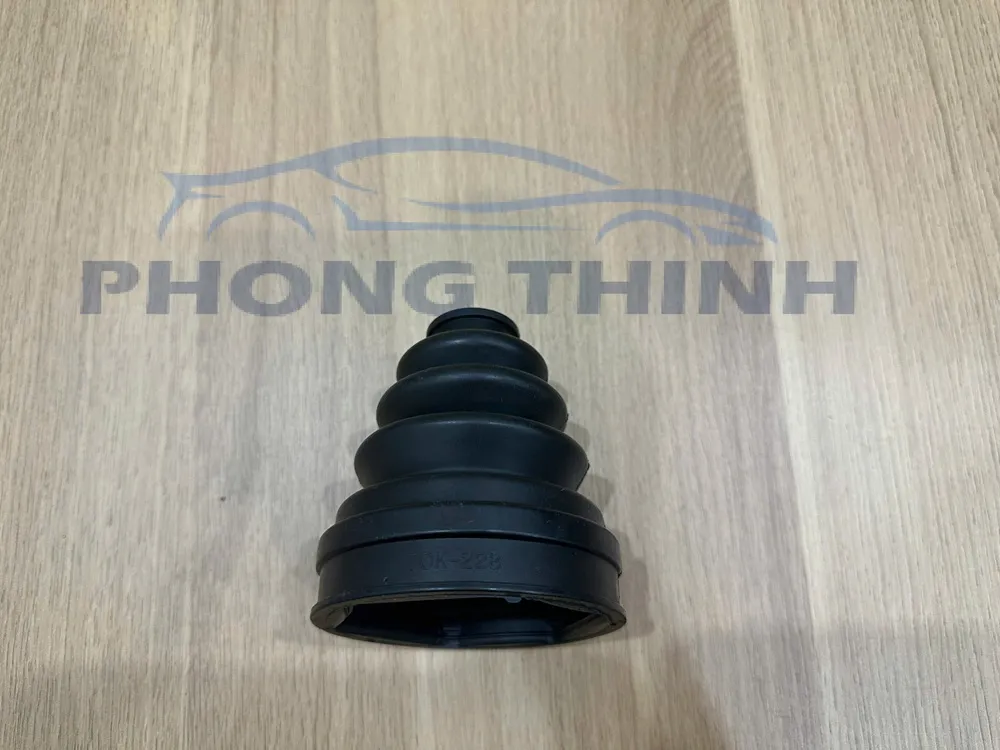
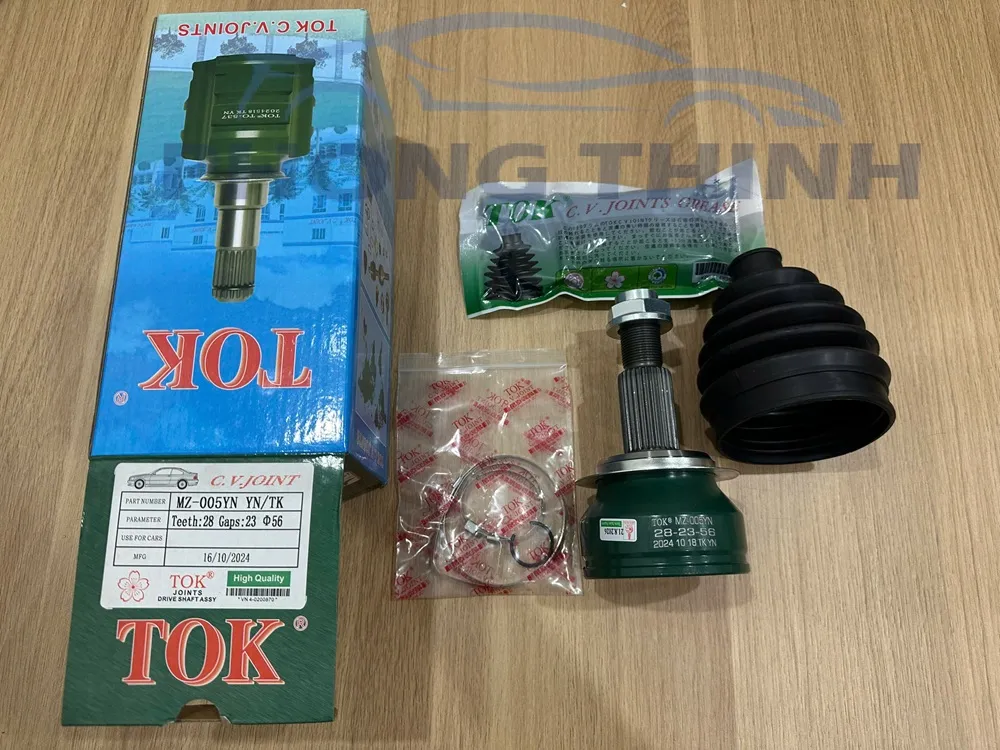
After the immediate fix, use the correct coolant mix, follow scheduled coolant flushes, and inspect hoses and the cap regularly. It is also important to bleed air after any cooling-system service, because trapped air can cause repeat overheating, temperature spikes, coolant smell, or new puddles under the vehicle. During routine maintenance, it is also a good time to check nearby wear items such as a protective drivetrain boot if the vehicle needs broader inspection work.
Do not ignore a small leak or a rising temperature gauge, because prompt repair of fan, thermostat, or leak issues helps prevent bigger engine damage later. A few periodic checks before long trips or hot-weather driving can go a long way toward keeping the engine cooling system reliable.
Preguntas frecuentes
Can I drive my car if it is overheating?
It is not a good idea to keep driving an overheating car. Pull over, shut the engine off, and let it cool. Driving while the temperature is climbing can cause severe engine damage, including warped parts or gasket failure.
Why does my car overheat only at idle?
Overheating at idle usually points to an airflow problem. The cooling fan may not be running, the fan relay or fuse may have failed, or the radiator may not be getting enough airflow when the car is not moving.
Why does my car overheat on the highway?
Highway overheating often suggests a flow restriction or radiator problem rather than a fan issue. Common causes include low coolant, a clogged radiator, a weak cap, or a water pump that is not moving coolant properly.
How do I know if it is a thermostat or a water pump?
A thermostat stuck closed often causes a fast temperature rise, a hot upper hose, and a cool radiator. A failing water pump is more likely to cause poor circulation, leaks, noise, or wobble. A pressure test and temperature check can help separate the two.
What are the signs of a head gasket problem?
Common signs include white exhaust smoke, milky oil, bubbles in the radiator, unexplained coolant loss, and repeated overheating with no visible external leak. These symptoms suggest internal engine trouble and should be checked quickly.